


HOT SALE
APPLICATION
Phone:+86-15215969856 E-Mail: 396838165@qq.com
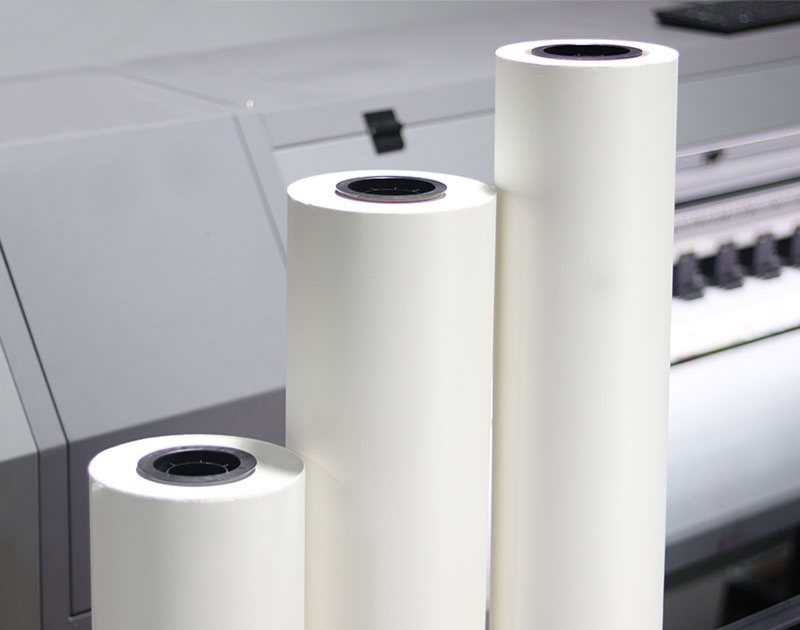 The thickness of sublimation paper plays a role in how well the ink works during printing. It affects how much ink is absorbed, released, dries and transfers to the product. In printing picking the right paper thickness can help avoid issues, like wrinkling, slow drying, uneven ink transfer and color differences. To choose the paper you need to know how thickness impacts the printing process. Different printing jobs need paper thicknesses.
Understanding Sublimation Paper Thickness
The thickness of sublimation paper holds a key role in shaping the quality and speed of sublimation printing. It affects ink absorption, drying speed, and transfer effectiveness onto the substrate.
The Role of Paper Thickness in Sublimation Printing
Paper thickness influences not only the ink absorption rate but also the sheet’s stability in heat transfers. Heavier paper often delivers better rigidity, which helps avoid creases or distortion from the warmth. This approach ensures reliable adhesion of the printed pattern to the base material, leading to sharper results. By comparison, lighter papers tend to dry faster, yet they may warp when absorbing excess ink. Printing equipment shows wide variations, so machines handling large ink amounts typically demand tougher paper grades to handle moisture without curling.
Common Thickness Ranges for Sublimation Paper Rolls
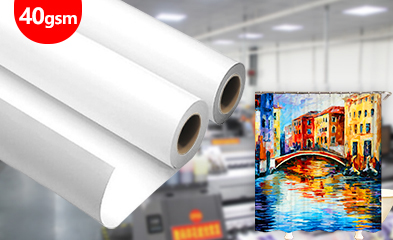
Many sublimation paper rolls stay between 70gsm and 120gsm, although special uses might pick lighter or heavier types. Lighter papers suit textiles and soft surfaces where bendability counts most, whereas thicker ones work well for firm items like ceramics or metals that need exact positioning in pressing. Changfa Digital’s primary sublimation paper lineup covers 29gsm to 100gsm, with widths from 61cm to 190cm. This selection lets users choose the exact weight for their planned use.
Evaluating Efficiency in Sublimation Printing
Efficiency in sublimation processes hinges on how materials and machines work together to deliver steady outcomes in large amounts. The proper paper thickness can greatly boost both output and image sharpness.
Factors Defining Efficiency in Sublimation Workflows
Top-notch prints depend on good ink transfer speeds and true colors. When sublimation paper moves easily through printers without curling or sticking, production pace rises and scrap falls. Lower scrap means better cost savings, which matters for companies running big-format or high-volume printing operations.
How Paper Thickness Influences Print Efficiency
Thicker sublimation papers hold up against shape changes in heat presses and keep even contact with substrates all through the transfer. This cuts down on ghosting and guarantees uniform color depth over surfaces. That said, thicker sheets might need more drying time or hotter settings for full dye release. Tweaking these settings is vital to keep workflow steady without losing print quality.
Comparing Thin vs. Thick Sublimation Papers
Choosing between thin and thick sublimation paper involves weighing speed against firmness. Each type brings distinct traits that fit certain tasks.
Performance Characteristics of Thinner Papers
Thinner sublimation papers often provide quicker ink uptake and briefer drying periods, which help in fast-paced settings like textile printing lines. Yet they can easily curl or smear if soaked with too much ink or hit with high humidity. You must handle them carefully in pressing to dodge small design flaws from uneven touch.
Advantages and Limitations of Thicker Papers
Heavier papers offer better size steadiness and even ink spread over broad areas. They fit well for tough surfaces like metal sheets or ceramic tiles that call for precise setup under force. However, their rigidity might cause feeding issues in small desktop printers not built for heavy rolls.
Choosing the Right Thickness Based on Application Type
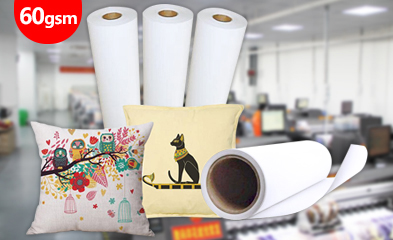
Picking the suitable sublimation paper weight means knowing the substrate’s features and the printer’s abilities.
Matching Paper Weight to Substrate Material
For Textile Printing: Medium-weight papers near 60–70 gsm hit a good mix of bendability and ink holding when working on polyester fabrics. They reduce ghosting by ensuring smooth contact in heat pressing steps.
For Hard Surface Printing: Heavyweight choices over 90gsm spread pressure evenly on solid materials like wood or metal panels. This avoids tiny shifts in pressing that might soften edges or lessen detail clarity.
Considering Printer Type and Ink Load Capacity
Desktop units usually manage lighter media more smoothly since their feed parts suit thinner rolls. By contrast, industrial printers handle thicker rolls for large-scale runs where more ink flows steadily.
Practical Tips for Optimizing Sublimation Results with Various Paper Weights
Getting steady results with different GSM levels calls for adjusting printer settings and heat press details.
Adjusting Printer Settings for Different GSM Levels
With thicker media, raise the print head height a bit to avoid streaking while keeping droplet accuracy. Also, it’s wise to adjust color profiles for each paper’s uptake rate, as coating thickness changes color output.
Managing Heat Press Parameters According to Paper Thickness
For thicker papers, lengthen press time slightly so dyes fully move into substrate fibers or layers. Keeping steady pressure everywhere stops partial transfers that look pale or spotty after pressing.
Future Trends in Sublimation Paper Development
As digital printing tech advances quickly, makers keep creating new coating mixes and material types to lift performance and ease environmental harm.
Innovations in Coating Technology
New coating methods now let thin papers hold extra ink without running, matching outcomes once only for thicker kinds. Better release layers boost color brightness while adding little leftover after transfer. Changfa Digital brought in one of the top coating lines for sublimation paper making from Germany. These efforts secure reliable quality checks across varied GSM levels used worldwide by pro print shops.
Sustainable Alternatives and Material Efficiency
Green fiber mixes are rising as eco-options that keep their shape even at lower weights. Such advances lower shipping expenses from lighter rolls and cut environmental effects, fitting well with current green aims in textile making.
FAQ
Q1: What GSM is best for general textile sublimation printing?
A1: Medium-weight papers around 60–70gsm work best because they combine flexibility with strong ink retention suitable for polyester-based fabrics commonly used in apparel printing.
Q2: Does thicker sublimation paper always produce better results?
A2: Not necessarily — while thicker options enhance stability during heat transfer on hard surfaces, thinner versions often perform better on fabrics requiring faster drying times.
Q3: How can I avoid ghosting when transferring designs onto fabric?
A3: Ensure firm contact between paper and fabric using medium-weight sheets. Adjusting press pressure evenly helps eliminate shadowing effects during sublimation cycles.
Q4: Where can I find reliable suppliers offering multiple GSM options?
A4: You can explore Changfa Digital’s full range of sublimation papers, which includes weights from 29 gsm up to 100 gsm manufactured with advanced German coating technology, ensuring global quality consistency.


