


HOT SALE
APPLICATION
Phone:+86-15215969856 E-Mail: 396838165@qq.com
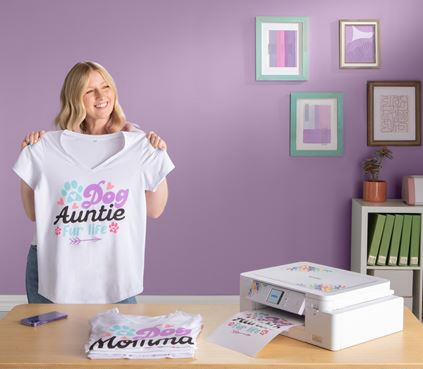 Sublimation printing relies on far more than just printer setup. Choices in materials, ink performance, transfer heat levels, and fabric matching all influence the end color results and overall production reliability. Prior to exploring particular methods, it pays to grasp the core principles driving this process.
Understanding the Fundamentals of Sublimation Printing
Sublimation printing represents a remarkable blend of science and artistry. It allows for top-notch image transfers onto diverse surfaces. This method has grown into a vital tool in the digital textile sector and custom product fields.
The Science Behind Sublimation Technology
The sublimation method features the swift change of solid dye straight to gas. It skips the liquid stage entirely. This vaporized dye seeps into the polymer layer or threads of a base material. As a result, it creates a lasting, vibrant full-color picture. Heat, pressure, and duration serve as key factors. They usually range from 180 to 200°C for 30 to 60 seconds. Such settings guarantee full dye movement and bright colors.
When compared to heat transfer or screen printing options, sublimation provides better strength and richer tones. Rather than sticking to the outer layer like surface transfers, it locks the dye deep inside the material. Therefore, it resists cracking or dulling, even through numerous washes.
Essential Materials for Sublimation Printing
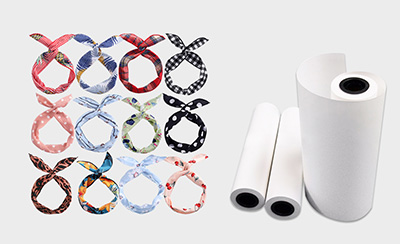
Sublimation printing needs the materials to get good results. You will need sublimation paper, sublimation ink, polyester fabric or special coated items, and protective sheets. Sublimation paper is important because it helps carry the design and affects how fast it dries, how well the ink is released, and how sharp the image looks. Sublimation paper plays a role in getting a clear picture. Sublimation ink needs to turn into vapor when heated and bond well with the surface it’s applied to. Sublimation ink is key to getting colors. Polyester fabrics usually give the results for sublimation printing. Items, like mugs, plates, or metal panels, need a special sublimation coating to work well. When all these materials work together properly, your final print will have colors and cleaner edges and will last longer.
Equipment and Tools for Professional Sublimation Printing
Modern gear guarantees exactness and steadiness across the entire workflow. The proper mix of printers, heat presses, and extras shapes the final work quality.
Printers Designed for Sublimation Applications
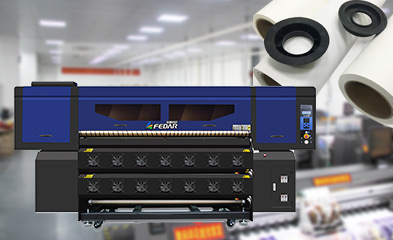
Sublimation printers need to handle unique inks and provide reliable drop placement. Daily upkeep, like nozzle wiping and tuning, avoids drips or blockages. This remains crucial for steady output over time.
Heat Press Machines and Their Variations
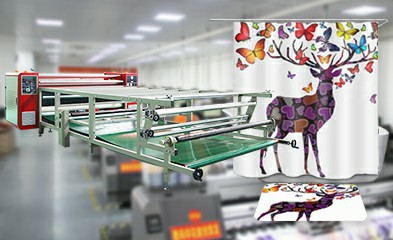
Heat presses vary by design. Flatbed types suit clothes and cloths. Mug presses fit round objects. Cap presses handle bent shapes. Vacuum presses manage 3D items. Accurate temperature control promotes even color spread over all areas. Users should operate these devices with care to dodge burns or uneven spots from poor pressure.
Supporting Tools for Workflow Efficiency
Color management setups match design files to printer results via ICC profiles. This step ensures true-to-life copies. Design software eases layout tweaks. Plus, items like heat-safe tapes or guard sheets protect paper and bases during the press phase.
The Sublimation Printing Process in Detail
Before starting real work, careful design prep and management set the stage for strong final pieces.
Preparing Files for Sublimation Transfer
Save files in clear formats like PNG or TIFF to keep every detail intact. Tailor printer color setups to match specific materials. This leads to true colors on various bases. Smart planning of layouts cuts down on paper use in large batches.
Printing the Design onto Transfer Paper
Tune printer options, such as sharpness at least 300 dpi, paper choice, and ink strength, to fit each task. Let prints air dry fully before pressing. Otherwise, you risk faint shadows or smears.
Heat Transfer Application Techniques
Flat Surface Transfers: For polyester shirts or banners, aim for 190–200°C with moderate force for about 60 seconds. Steady control during pressing stops scorch spots and promotes even dye flow.
Hard Surface Transfers (Ceramics, Metals): Rigid items need polymer layers to grip sublimated dyes well. Press at roughly 180°C for a minute. Then, allow slow cooling to avoid splits or color shifts on stiff bases.
Advanced Techniques for Experienced Creators
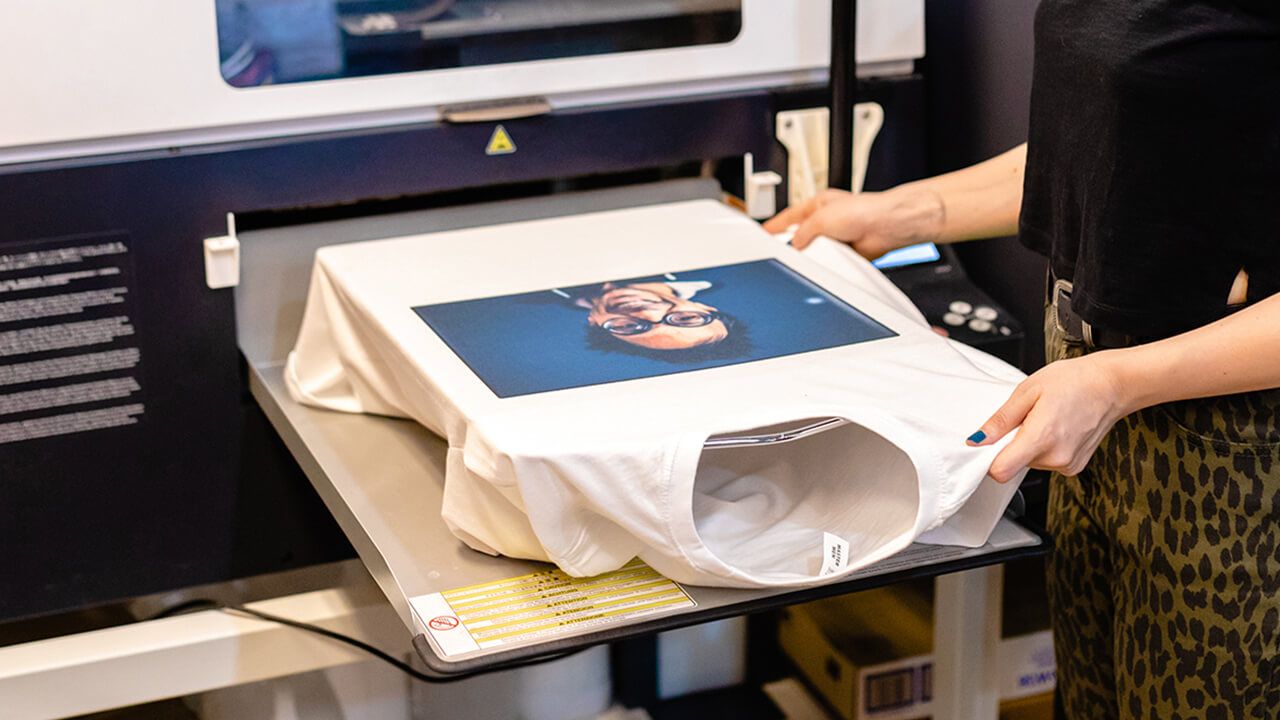
With growing skill, makers often try refined approaches. These sharpen print precision and add eye-catching touches.
Color Calibration and Profiling Strategies
Create tailored ICC profiles with color meters to link digital plans closely to print outcomes. Adjust them for each base type. This offsets how different cloths or coated metals soak up dyes.
Layered Designs and Multi-Step Transfers
Elaborate patterns might call for several transfer rounds. Here, precise lining up keeps the whole design sharp, free from shifts or overlaps.
Incorporating Special Effects in Sublimation Prints
Metallic Finishes and Gloss Variations: Add shiny layers after sublimation for sparkling accents. They suit upscale logos perfectly.
Gradient Blends and High-Density Patterns: Refine ink placement for seamless fades. This works great for photo-like images or detailed cloth designs.
Quality Control and Troubleshooting in Sublimation Production
Quality control is really important for sublimation production. We should check the printheads and the ink flow and the paper condition and the heat press temperature and the pressure and the transfer time.This helps us find problems before they cause issues with our production.
Some common problems with sublimation production are banding from blocked nozzles and ghosting from the paper moving around and color from the heat not being stable and blurred edges from poor drying or incorrect pressure.
To fix these problems the people operating the machines should clean the printheads. Make sure the sublimation production has enough time to dry and keep the transfer paper still when it is being pressed and adjust the heat press settings for the specific fabric or substrate we are using.
Emerging Trends in Sublimation Printing Technology
Future sublimation tech stresses green practices, hands-off operations, and wider uses in global markets.
Eco inks with fewer harmful vapors are rising, along with reusable bases that go beyond cloths into pots or mixed materials.
Automation changes daily tasks via smart AI planners that sort print jobs efficiently. IoT tools watch heat levels live. Together, they cut mistakes and waste from people.
Growth hits hard in custom fashion. Quick digital runs make one-of-a-kind clothing lines. In home decor, sublimated boards now grace furniture for their tough, scratch-proof looks.
FAQ
Q1: What materials are best suited for sublimation printing?
A1: Polyester-based fabrics or polymer-coated hard goods yield optimal results because they allow gaseous dyes to bond permanently within their structure rather than resting on top like traditional transfers.
Q2: How does sublimation differ from standard heat transfer methods?
A2: Unlike vinyl transfers that sit atop material surfaces, sublimation integrates color beneath the surface layer, producing fade-resistant images even after extensive use.
Q3: What maintenance does a sublimation printer require?
A3: Regular nozzle checks and calibration prevent clogging issues while ensuring accurate droplet placement throughout extended runs—essential practices when using premium-grade media such as Changfa Digital’s sublimation paper.


