


بيع ساخن
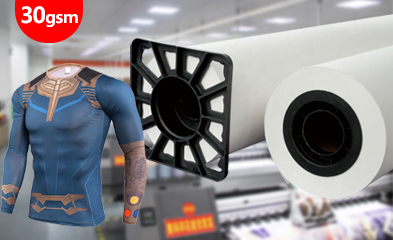
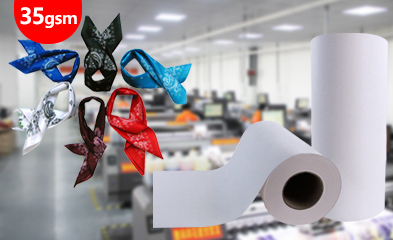
التطبيق
Phone:+86-15215969856 E-Mail: 396838165@qq.com

غالباً ما يبدأ اختيار طابعة نسيج من بين اثنتين برقم السرعة. لكن في بيئة الإنتاج الفعلية، لا يمثل هذا سوى جزء من القرار. فبعض العوامل، مثل تصميم الطابعة بمساحة 1900 مم، وستة رؤوس طباعة، وسرعة طباعة تصل إلى 200 متر مربع في الساعة بتمريرة واحدة، أو حتى تصميمها المدمج، قد تكون أكثر أهمية من الرقم الرئيسي، وذلك بحسب حجم الطلبات.
السرعة ليست سوى السؤال الأول عند الشراء
تبلغ قدرة جهاز CF-3000 على تغطية 162 مترًا مربعًا في الساعة عند المرور مرتين، و109 أمتار مربعة عند المرور ثلاث مرات، و82 مترًا مربعًا عند المرور أربع مرات. أما قدرة جهاز CF-6000 فتبلغ 200 متر مربع في الساعة عند المرور مرة واحدة، و110 أمتار مربعة عند المرور مرتين، و75 مترًا مربعًا عند المرور ثلاث مرات.
تُعدّ هذه الأرقام مفيدةً للتقييم الأولي، لكنها لا تُمثّل بيانًا نهائيًا للإنتاجية. فمساحة العمل الفني المراد طباعته، وكمية الحبر، ونمط الطباعة المُختار، وعملية تجفيف الورق، وبنية القماش، ومدى تقبّل العميل، كلها عوامل تؤثر على الإنتاجية الفعلية. ولن تكون الطباعة السريعة التي تتطلب إعادة الطباعة، والتي تتم في تمريرة واحدة، مُجديةً من حيث جدول الشحن.
لإجراء مقارنة دقيقة، استخدم نفس الملف، وحبر التسامي، والورق، والقماش، وإعدادات برنامج RIP، وظروف النقل. قِس المساحة بالمتر المربع أو المساحة القابلة للاستخدام بالمتر المربع، وعدد نقاط التوقف للتنظيف، وعدد الألواح المعيبة، والوقت اللازم للانتقال من الطباعة إلى النقل.
CF-3000: تصميم أوسع مع طباعة متواصلة سهلة
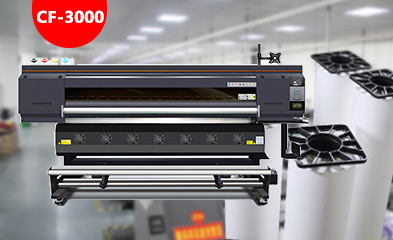
CF-3000 توفر هذه الطابعة أبعاد طباعة تبلغ 1900 مم وعرضًا فعالًا يبلغ 1900 مم. هذه الزيادة البالغة 100 مم مقارنةً بطابعة CF-6000 تُعدّ مفيدةً عندما يكون تصميم القماش قريبًا من الحد الأقصى للآلة. وقد تُقلّل من تقسيم التصميمات أو الشرائط المتبقية الضيقة في ألواح الملابس الرياضية، وقطع المنسوجات المنزلية، والأعلام، وغيرها من تطبيقات البوليستر.
تستخدم هذه الآلة ثلاثة رؤوس طباعة من طراز إبسون I3200-A1 وحبر التسامي CMYK. وتشمل وظائفها المذكورة التنظيف التلقائي للفوهات وترطيبها، وجهاز إنذار لمستوى السائل، وأربعة خراطيش حبر ذات سعة كبيرة، وقضيب توجيه صامت من THK، وبكرة ضغط ورق من مطاط الفلور مصممة للحفاظ على سلاسة التغذية وتقليل التجاعيد أو الحركة الناتجة عن الكهرباء الساكنة.
أبعاد هيكل الجهاز هي 3180 × 1025 × 1670 مم. يُسهّل حجمه الصغير وضعه في الأماكن التي تتشارك فيها الطابعة غرفةً مع أجهزة التجفيف والفحص وتخزين اللفائف وآلة الطباعة الحرارية. مع ذلك، يجب مراعاة ارتفاع 1670 مم في خطة التركيب، خاصةً في الأماكن ذات المساحة العلوية المحدودة.
CF-6000: رؤوس طباعة أكثر لإنتاجية عالية
ستة رؤوس طباعة إبسون 5113 ووضع التمريرة الواحدة
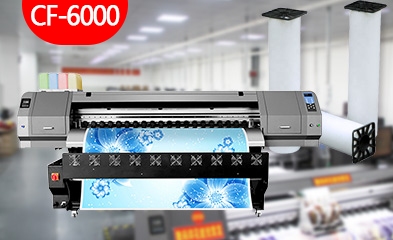
CF-6000 تأتي هذه الطابعة مزودة بستة رؤوس طباعة إبسون 5113، وحبر CMYK للتسامي، وعرض فعال يبلغ 1800 مم. تُنتج الطابعة سرعة طباعة تصل إلى 200 متر مربع في الساعة عند تمريرة واحدة، تليها 110 متر مربع عند تمريرتين، ثم 75 متر مربع عند ثلاث تمريرات. هذا المزيج مُصمم خصيصًا للخطوط التي تتطلب وضع طباعة عالي الإنتاجية للحصول على تصميمات فنية مناسبة، ووضع طباعة أبطأ عند الحاجة إلى تغطية أكبر أو دقة أعلى في التفاصيل.
إمداد ثانوي بالحبر للطباعة بكميات كبيرة
تتميز طابعة CF-6000 بنظام تزويد حبر ثانوي ونظام تزويد حبر مستمر ثنائي المراحل. كما تحتوي على أربع خراطيش عالية السعة تُزوّد صفوفًا منفصلة من الفوهات للطباعة لمسافات طويلة وللصور السميكة. وتتضمن أيضًا إطارًا مضادًا للتصادم، مع إمكانية ضبط موضع الفوهات لتناسب مواد الطباعة المختلفة.
يُعدّ هذا الأمر بالغ الأهمية عندما يعمل خط الإنتاج لفترات طويلة مع وقت محدود للتدخل اليدوي. مع ذلك، ينبغي على المشتري التأكد من توافق الحبر، وصيانة الفلتر والأنبوب، وتواتر التنظيف، وإجراءات إعادة التشغيل بعد التوقف. يمكن لنظام إمداد أكبر أن يدعم استمرارية العمل، ولكنه يحتاج أيضًا إلى إجراءات صيانة واضحة.
مقارنة واحدة للعرض، ووضع التمرير، وحجم الجهاز
تساعد المقارنة الموجزة على فصل المواصفات المنشورة عن قرار الإنتاج. يتميز طراز CF-3000 بمساحة طباعة فعالة أكبر، بينما يوفر طراز CF-6000 رقمًا أعلى لعدد مرات الطباعة في تمريرة واحدة وعددًا أكبر من رؤوس الطباعة.
|
نقطة مقارنة |
CF-3000 |
CF-6000 |
دلالة الخط |
|
عرض فعال |
1900 مم |
1800 مم |
يبدأ طراز CF-3000 بمساحة تصميم أكبر |
|
رؤوس الطباعة |
3 × طابعات إبسون I3200-A1 |
6 × إبسون 5113 |
أنواع مختلفة من الحبر وفحوصات الصيانة |
|
أوضاع السرعة المدرجة |
2P 162؛ 3P 109؛ 4P 82 متر مربع/ساعة |
1P 200؛ 2P 110؛ 3P 75 متر مربع/ساعة |
قارن بين أوضاع الجودة نفسها |
|
أبعاد الآلة |
3180 x 1025 x 1670 mm |
3180 x 1700 x 1500 mm |
يحتاج طراز CF-6000 إلى مساحة أرضية أكبر |
|
ميزات إمداد الحبر |
أربع خراطيش حبر ذات سعة كبيرة؛ منبه انخفاض مستوى الحبر |
إمداد ثانوي ومستمر على مرحلتين |
يختلف التدخل طويل الأمد |
يبلغ حجم طابعة CF-6000 3180 × 1700 × 1500 مم، لذا فهي تحتاج إلى مساحة أرضية أكبر من طابعة CF-3000 على الرغم من أن عرض الطباعة الفعلي لها يبلغ 1800 مم. يجب توفير مساحة كافية للتحميل والتنظيف وحركة اللفائف ومنافذ الكهرباء وحركة المشغلين.
قم بمطابقة الورق والحبر ومعدات النقل مع الطابعة
لا يمكن فصل اختيار الطابعة عن المواد الاستهلاكية. يجب أن يجف الورق بالسرعة المخطط لها، وأن يتحمل كمية الحبر المختارة، وأن يبقى مسطحًا أثناء التغذية، وأن يطلق الصبغة بثبات أثناء الطباعة الحرارية. تغطي مجموعة ورق التسامي من Changfa أوزانًا شائعة من 40 إلى 100 غرام/متر مربع، وعرضًا من 61 إلى 320 سم، مما يتيح للمشترين اختيار الورق المناسب للطابعة وتصميم القماش. خيارات ورق التسامي ينبغي اختباره على الخط الفعلي.
يُعدّ توافق الأحبار أمرًا عمليًا للغاية. تُحدد صفحات CF-3000 وCF-6000 عائلات رؤوس طباعة إبسون مختلفة، لذا لا ينبغي للمشتري نقل الحبر بين النظامين دون التحقق من التدفق واللون والتجفيف والتنظيف وثبات الطباعة على المدى الطويل. مجموعة أحبار التسامي يمكن تقييمها مقابل رأس الطباعة وملف تعريف RIP المحدد بدلاً من اعتبارها عملية شراء منفصلة.
تُحدد آلة النقل الحراري أيضًا حدًا أقصى. فإذا كانت الطابعة قادرة على إنتاج لفة أعرض مما تستطيع آلة النقل الحراري التعامل معه، فإن السعة الظاهرية تُصبح عائقًا. لذا، ينبغي تضمين عرض الورق، وعرض القماش، وتغطية المناديل الورقية أو الورق الواقي، وضغط النقل، والتبريد في خطة الاختبار نفسها.
اختبر كلا النموذجين على ملفات الإنتاج الحقيقية
استخدم عمليات التشغيل الطويلة لكشف المشاكل المكلفة
يمكن لشريط قصير إظهار اللون والتفاصيل، لكنه لا يُظهر ما إذا كان الخيط سيستمر في التغذية بعد عدة مئات من الأمتار. شغّل الملفات التي تمثل دفتر الطلبات، بما في ذلك المساحات الكبيرة، والأنماط المتكررة، والتدرجات اللونية، والألوان الداكنة. قارن بداية اللفة ووسطها ونهايتها من حيث تغير اللون، والتجفيف، ووضوح الحواف، والتجعيد، والالتفاف.
تتبع عمليات فحص الفوهات، وفترات توقف التنظيف، ومحاذاة الورق، واستهلاك الحبر، وتغييرات اللفائف، ورفض عمليات النقل. إذا كان وضع التمريرة الواحدة في طابعة CF-6000 يلبي متطلبات الألوان على ملف مناسب، فقد يوفر سعة مفيدة. أما إذا كان العميل بحاجة إلى وضع أكثر كثافة، فقد تكون أرقام التمريرتين والثلاث تمريرات في طابعة CF-3000 أكثر ملاءمة من الرقم القياسي للتمريرة الواحدة في الطابعة الأخرى.
يشمل ذلك المساحة والصيانة والطلبات المتكررة
قبل الموافقة على أي نموذج، تفقد خط الإنتاج بالكامل. تأكد من إمكانية تحميل الجهاز دون تحريك اللفائف المطبوعة، ومن سهولة وصول المشغلين إلى رؤوس الطباعة، ومن قرب منطقتي التجفيف ونقل الحرارة لضمان تسليم سلس. أضف إلى ملف التشغيل تخطيط رؤوس الطباعة الاحتياطية، والحبر المعتمد، ولفائف الورق، ومواد التنظيف، وتعليمات إعادة التشغيل.
ينبغي على المورّد أيضًا التأكد من إمكانية تكرار مواصفات العينة بكميات كبيرة. تُنتج شركة Changfa Digital الورق الأساسي، والطلاء، والتقطيع، والتعبئة داخليًا، ولديها أربعة خطوط طلاء، وأربع ورش تقطيع، وعشر آلات تقطيع. بالنسبة لمشتري الطابعات، يُعدّ هذا الأمر بالغ الأهمية، إذ يجب أن يظل عرض الورق، والطلاء، وطول اللفة، واللب، والملصق، والتعبئة للتصدير ثابتة في الطلبات المتكررة.
تكون العينات ونصائح المطابقة أكثر فائدة قبل تثبيت النموذج منها بعد التثبيت. يمكن للمشترين طلب دعم خدمة Changfa الرقمية حول تفاصيل الطابعة والحبر والورق والاختبار وخدمات تصنيع المعدات الأصلية/تصميم المعدات الأصلية والتعبئة والتغليف. كما يتوفر سياق المنتج الأوسع من تشانغفا الرقمية.
يصبح الخيار العملي واضحًا بمجرد قياس خط الإنتاج. يُفضّل استخدام CF-3000 عندما يتناسب عرض 1900 مم، وهيكل أضيق، وإنتاج منتظم ثنائي أو ثلاثي المراحل مع متطلبات المصنع. أما CF-6000 فيُفضّل استخدامه عندما يكون حجم أكبر مقبولًا، ويتوافق نظام بستة رؤوس مع وضع أحادي المرحلة مع مزيج الطلبات. اختر بعد اختبار تشغيل طويل الأمد، وليس بناءً على رقم الطراز فقط.
أسئلة متكررة
س1: هل CF-6000 أسرع دائمًا من CF-3000؟
ج1: لا، تبلغ سرعة الطباعة في جهاز CF-6000 عند تمريرة واحدة 200 متر مربع في الساعة، بينما تبلغ في جهاز CF-3000 162 متر مربع عند تمريرتين و109 متر مربع عند ثلاث تمريرات. ويعتمد معدل الإنتاج الفعلي على الوضع المناسب، وتغطية الملف، واللون المستهدف، والناتج المرفوض.
س2: أي نموذج أفضل لتصميمات النسيج الأوسع؟
ج2: يبلغ العرض الفعال المُدرج لـ CF-3000 1900 مم، مقارنةً بـ 1800 مم لـ CF-6000. إنها نقطة انطلاق أفضل للتصميمات الأوسع، ولكن يجب أن يدعم عرض الورق وآلة نقل الحرارة نفس عرض العمل.
س3: ما الذي يجب على المشترين اختباره قبل الاختيار بين الطابعتين؟
أ3: اختبر نفس العمل الفني والحبر والورق وبرنامج RIP والقماش ووضع التمرير وإعدادات النقل على كلا الجهازين. سجل الناتج الفعلي، وفترات توقف التنظيف، وتناسق الألوان، ولف البكرة، ورفض النقل، وسهولة الوصول للصيانة، وما إذا كان بإمكان المورد تكرار مواصفات العينة بكميات كبيرة.


