


Prensa térmica para poliéster: Cómo mantener la alineación de la tela y obtener resultados de transferencia uniformes
Venta caliente
APLICACIÓN
Phone:+86-15215969856 E-Mail: 396838165@qq.com
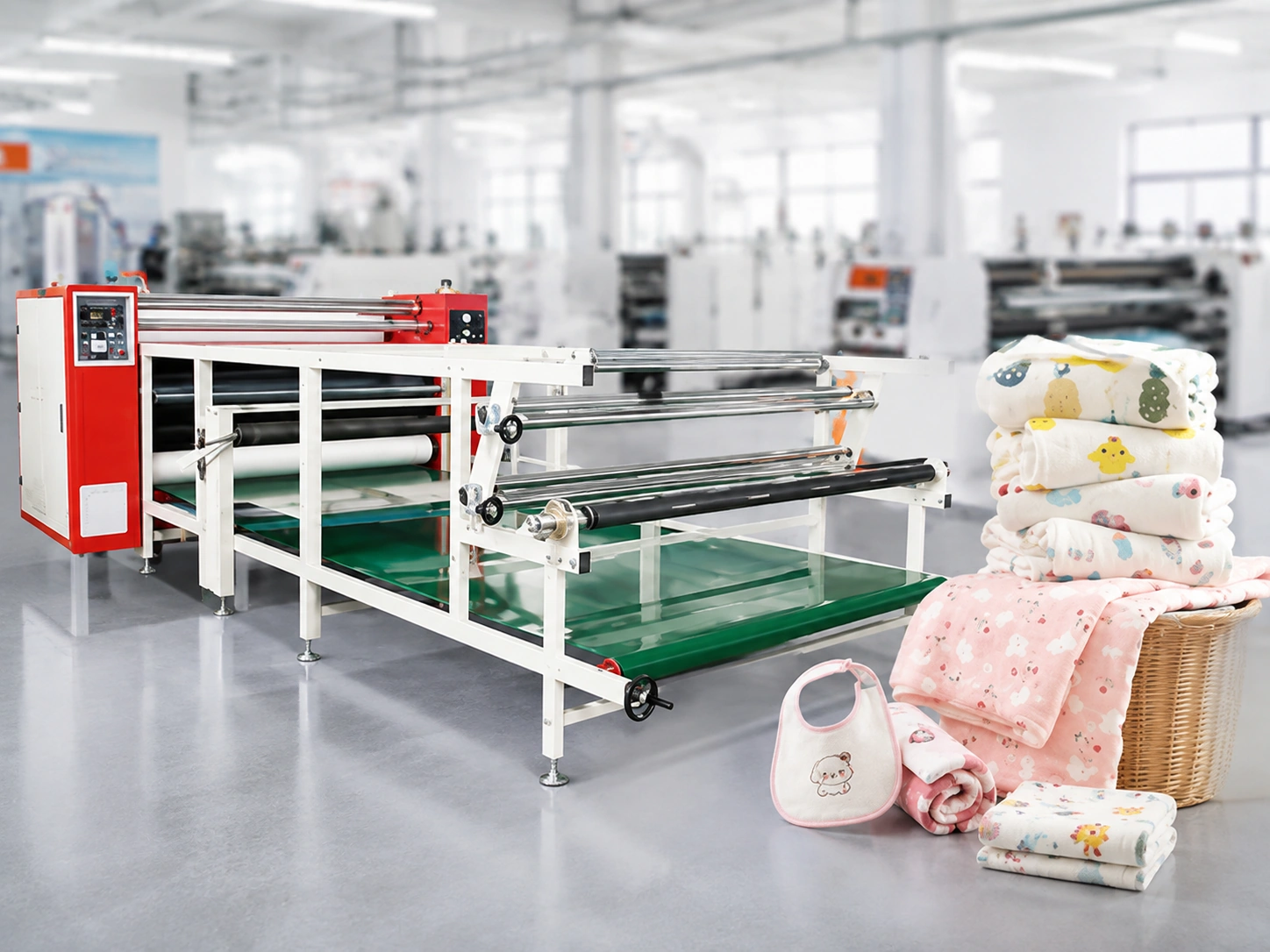
Una muestra limpia puede generar una falsa sensación de seguridad. En una pieza corta, la tela puede permanecer plana, el papel de transferencia puede seguir una trayectoria recta y la presión puede parecer uniforme. Sin embargo, cuando el mismo pedido se procesa en un rollo largo, los pequeños cambios comienzan a acumularse. Unos pocos milímetros de movimiento lateral, una ligera variación en la tensión o un contacto desigual pueden provocar un desplazamiento visible de los bordes, arrugas, errores repetidos o zonas de transferencia deficientes.
Por eso, una prensa térmica para poliéster debe tratarse como parte de un proceso de material controlado en lugar de un ajuste de calor independiente. El ancho, el peso y la elasticidad de la tela; la repetición del diseño y el margen de los bordes; el seguimiento del papel y la tela; la presión; la velocidad de funcionamiento; y el movimiento de la manta afectan el resultado final. Para los equipos que realizan trabajos continuos de poliéster, Changfa Digital‘s Máquina de transferencia de calor de rodillo de 600 mm Proporciona una útil referencia de producción. Su configuración incluye un ancho efectivo de 1700 mm o 1900 mm, un rango de velocidad de transferencia de 120 a 300 m/h, un sistema de doble presión neumática y corrección automática de desviaciones.
¿Por qué resulta más difícil controlar el poliéster en la transferencia continua de calor?
Una ejecución a largo plazo añade variables que una muestra no puede mostrar.
Una sola muestra confirma que la imagen se puede transferir. Sin embargo, no demuestra que los mismos materiales se mantendrán sincronizados a lo largo de cientos de metros. La primera parte de un rollo puede parecer estable mientras el movimiento lateral aumenta gradualmente, o un tejido elástico puede reaccionar de forma diferente a medida que se estabiliza la tensión. Por lo tanto, la transferencia térmica continua de tejidos requiere una verificación de producción que analice el inicio, la mitad y el final del proceso, en lugar de una sola muestra aprobada.
El ancho, el peso y la elasticidad modifican el margen de alimentación.
Comience con el ancho útil de la tela, no solo con el ancho nominal del rollo. El papel de transferencia, el diseño impreso y la tela deben dejar suficiente margen para las variaciones normales de seguimiento. Un diseño de ancho completo con poco margen en los bordes facilita la detección de pequeños desvíos. El peso de la tela también influye en su manejo: una construcción ligera puede reaccionar rápidamente a una alimentación inestable, mientras que un rollo más pesado puede requerir una preparación diferente para un desplazamiento suave.
La elasticidad merece una evaluación aparte. Un tejido estable de poliéster 100 % y un tejido de poliéster/spandex no deben considerarse iguales. Al tensar un tejido elástico, este puede parecer recto en el punto de entrada, pero las proporciones de repetición cambian más adelante. En una prensa térmica para tejidos de poliéster, la tensión es una variable de control que se debe probar, no un ajuste que se incremente automáticamente.
¿Cómo exponen los patrones repetitivos y las impresiones a ancho completo los problemas de alineación?
Los pequeños errores de seguimiento se hacen más visibles en las repeticiones.
Un logotipo aislado puede ocultar un pequeño cambio de posición. Las rayas continuas, los patrones geométricos repetitivos, los bordes conectados y los gráficos de paneles no. Cuando el papel y la tela ya no siguen la misma trayectoria de referencia, la diferencia se hace más evidente con cada repetición. Por eso, la aprobación del diseño debe incluir la repetición completa, ambos bordes exteriores y la longitud suficiente para detectar cualquier error.
El ancho total deja menos espacio para la recuperación.
En trabajos de impresión de borde a borde para textiles para el hogar, señalización flexible, banderas y paneles largos de tela, hay poco material sobrante para absorber un desplazamiento lateral. La cuestión no es simplemente si la máquina puede aceptar el ancho del rollo. Los equipos también deben comparar el ancho del diseño, el ancho de trabajo efectivo, el margen de recorte y el punto de entrada del papel y la tela a la prensa. Una correcta posición central al inicio es útil, pero no garantiza una alineación estable de la tela durante todo el proceso.
Hacer que el papel, la tela y las obras de arte compartan una misma ruta de referencia.
Considere el papel impreso, el rollo de tela y la trayectoria de alimentación como una sola unidad. Verifique que el ancho del papel y de la tela sean adecuados, que las repeticiones direccionales estén preparadas correctamente y que el área impresa no fuerce el diseño demasiado cerca de un borde inestable. Una breve prueba con marcas de repetición cerca de ambos lados es más útil que evaluar solo el centro de una imagen decorativa.
¿Qué variables de proceso modifican con mayor frecuencia la consistencia de la transferencia?
La presión se refiere al contacto a lo largo del ancho de trabajo.
La presión ayuda a mantener el papel y el poliéster en contacto controlado durante la transferencia. Sin embargo, no es una solución universal para los colores débiles. Un contacto insuficiente o irregular puede manifestarse como zonas claras localizadas, mientras que una presión excesiva puede generar diversos problemas según el material y el diseño. Primero, diagnostique el patrón y luego confirme que el contacto sea uniforme en todo el ancho de trabajo.
La JM-600 cuenta con un sistema de doble presión neumática. En un flujo de trabajo de prensado térmico rollo a rollo, esto es relevante, ya que el control de la presión debe evaluarse junto con el comportamiento del tejido, el seguimiento del papel y las condiciones de transferencia. Si bien no elimina la necesidad de probar el tejido previsto, proporciona a los equipos de producción una característica específica de la máquina para evaluar cuando la consistencia del contacto es importante.
La velocidad modifica la ventana operativa.
La velocidad de impresión afecta al proceso, no solo a la producción diaria. Una velocidad mayor que parezca aceptable durante unos pocos metros puede no ser la más fiable para un tejido, una cobertura de impresión o una configuración de alimentación específicos. Changfa indica un rango de velocidad de transferencia de 120 a 300 m/h para esta máquina. Utilice este rango para planificar un punto de operación estable en función del pedido real, en lugar de considerar la velocidad máxima indicada como el objetivo para cada impresión.
La tensión de alimentación mantiene los materiales sincronizados.
La tensión del papel y la de la tela deben permitir que ambos materiales se desplacen juntos sin arrugarse, deformarse ni estirarse. Si el papel permanece recto mientras la tela se desvía, o si la tela parece plana pero el patrón comienza a cambiar, los dos materiales ya no se comportan como una sola trayectoria controlada. Modifique una variable por ensayo y registre qué se mueve, dónde aparece por primera vez y si aumenta con la distancia.
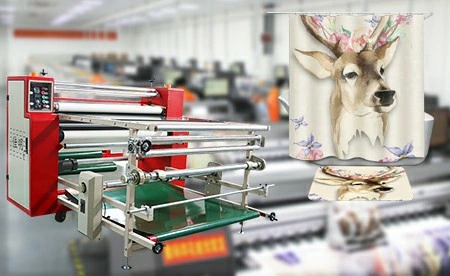
¿Por qué son importantes la manta y la trayectoria de alimentación para la alineación de la tela?
La deriva puede construirse antes de que nadie la vea.
El movimiento lateral no siempre se manifiesta en el primer metro. Una desviación gradual solo se hace visible cuando una repetición larga alcanza el borde de la tela o cuando el papel y la tela se han desplazado lo suficiente como para que se acumule una pequeña desalineación. Por ello, los operarios deben inspeccionar ambos bordes a intervalos regulares en lugar de esperar a que aparezca un defecto visible al final del rollo.
Separar el seguimiento de la manta de los síntomas de tensión de la tela
Una arruga o un desplazamiento de los bordes puede estar relacionado con la preparación del material, la tensión, un problema en la trayectoria de alimentación o el recorrido de la mantilla y la cinta transportadora. Modificar repetidamente la tensión de la tela sin revisar el resto del recorrido puede ocultar la causa real. Busque un patrón: ¿el problema se presenta solo en un rollo de tela, solo en un lado o después de cierta longitud? Estas pistas ayudan a distinguir entre una respuesta del material y un problema de alineación.
Changfa enumera la corrección automática de la desviación de la cinta transportadora y la corrección automática de la desviación de la manta para la JM-600. Estas funciones añaden puntos de control para mantener estable la trayectoria del material durante una operación continua. Deben evaluarse junto con las comprobaciones rutinarias de la trayectoria, y no se describen como una garantía de que cada tejido permanecerá perfectamente alineado sin configuración ni supervisión.
¿Qué nos indica el patrón de defectos sobre la causa real?
Variación de color de principio a fin
Cuando el color transferido varía desde el principio hasta el final del pedido, comience por evaluar la estabilidad del proceso. Compare la velocidad, el contacto, el estado del material y el punto donde comienza la variación. No culpe inmediatamente solo a la tinta, el papel, la tela o la máquina. El defecto puede deberse a un cambio en el proceso de producción, en lugar de a un solo componente.
Un borde se desplaza o la repetición se mueve a lo largo de la distancia.
Si un borde se desplaza gradualmente, compruebe el seguimiento del papel y la tela, la preparación del rollo, la trayectoria de alimentación y la desviación lateral. Si la repetición del diseño cambia con la distancia, revise nuevamente la sincronización entre el papel y la tela. Esto suele ser más útil que modificar la configuración de transferencia, ya que no corrige el movimiento direccional.
Las arrugas y las zonas claras localizadas indican diferentes revisiones.
Las arrugas laterales recurrentes sugieren que es necesario revisar el estado del rodillo, la elasticidad de la tela o el sistema de alimentación. Las zonas de transferencia de luz localizadas indican que se debe comprobar el contacto y la distribución de la presión. Una regla útil es describir el defecto antes de modificar la configuración: dónde aparece, si se repite y si se produce a lo largo de la tela, el papel o la distancia recorrida. Este registro facilita la resolución de problemas y contribuye a un proceso de prensado térmico repetible para poliéster.
¿Qué se debe confirmar antes de que un pedido de poliéster pase a una fase de producción a largo plazo?
Confirmar el material y la obra de arte juntos
Registre la composición de la tela, el ancho útil, el peso, la elasticidad y el estado del rollo. Luego, compare esos detalles con la repetición del diseño, el ancho de impresión, el margen de los bordes y el ancho del papel de transferencia. La cuestión no es si una máquina de transferencia térmica de rollo tiene un ancho nominal amplio en el papel, sino si el trabajo completo puede realizarse dentro de su ancho efectivo manteniendo márgenes prácticos.
Confirme la trayectoria de la máquina antes de aumentar la producción.
Antes de la producción a gran escala, revise la presión, la trayectoria de alimentación, la tensión, la velocidad, el estado de la manta y los ajustes de control de desviación. Inspeccione el inicio, la mitad y el final de la prueba. Verifique ambos bordes, repita el registro, detecte arrugas y compruebe la uniformidad de la transferencia. Esto convierte la transferencia continua de calor a la tela en una decisión de producción documentada, en lugar de una serie de correcciones de último momento.
Prepare los detalles adecuados para una discusión sobre la máquina.
Changfa Digital ha brindado servicios de impresión digital durante más de 15 años y trabaja en flujos de trabajo de producción de papel de sublimación e impresión digital. Al hablar de Gama de máquinas de transferencia de calorEnvíe el ancho y la composición de la tela, el estado del rollo, el formato del diseño, el patrón repetitivo o de ancho completo, la producción esperada y la longitud típica del pedido. Estos detalles permiten analizar el ancho de trabajo, el rango de producción, la configuración de la presión y las necesidades de control de alimentación en función de un pedido real, en lugar de una descripción genérica de la máquina.
Conclusión
La transferencia uniforme de poliéster es una tarea de control del sistema, no un ajuste único de temperatura o presión. El ancho, el peso y la elasticidad del material; la repetición del diseño y los márgenes; la presión, la tensión y la velocidad; así como el control de la mantilla y la trayectoria de alimentación, deben revisarse en conjunto. Una prensa térmica de rollo a rollo debe evaluarse según cómo se mantengan controlados estos elementos durante el proceso de producción, especialmente cuando las repeticiones y los gráficos de ancho completo dejan poco margen de error.
Para la producción continua de poliéster, la JM-600 de Changfa Digital se puede evaluar según los mismos puntos de control prácticos: ancho efectivo de 1700 mm o 1900 mm, rango de velocidad de transferencia de 120 a 300 m/h, doble presión neumática y corrección automática de desviaciones. ¿Necesita una recomendación basada en sus condiciones de producción? Envía a Changfa los detalles de tu proyecto., incluyendo el ancho y la composición de la tela, el estado del rollo, la disposición del diseño, la producción esperada y la longitud del pedido, para un análisis específico de la máquina.
Preguntas frecuentes
P1: ¿Por qué se desplaza el tejido de poliéster durante la transferencia continua de calor?
A1: El desplazamiento progresivo puede deberse al seguimiento del papel y la tela, la alineación de la trayectoria de alimentación, la preparación del rollo, la tensión o la desviación lateral. Antes de modificar la configuración de calor, compruebe si el desplazamiento se produce en un borde, tras una cierta distancia o en un rollo de material.
P2: ¿El poliéster elástico requiere una tensión diferente durante la transferencia de calor?
A2: La mezcla de poliéster y elastano puede comportarse de forma diferente al poliéster 100% estable. La tensión debe comprobarse mediante una prueba controlada sobre el material real. Una mayor tensión puede hacer que la tela parezca recta al principio, pero puede alterar las proporciones de repetición o generar problemas de alimentación posteriores.
P3: ¿Qué deben comprobar los compradores al elegir una máquina de transferencia térmica por rodillos para poliéster?
A3: Verifique el ancho efectivo, el tipo y ancho de la tela, la producción esperada, el control de presión y alimentación, la corrección de desviaciones, el formato del diseño y la longitud habitual del pedido. La decisión sobre una prensa térmica para tela de poliéster es más acertada cuando se compara la máquina con el recorrido real del material y el riesgo de producción, y no solo con una cifra de velocidad aislada.


