


HOT SALE
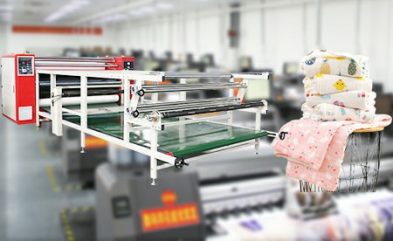
-3.jpg "800*1900mm Digital Heat Transfer Printing Machine Roll Heat Transfer Machine")
APPLICATION
Phone:+86-15215969856 E-Mail: 396838165@qq.com
 Sublimation printing goes beyond simple decoration. It now enables quicker customization of products, brighter visual results, and adaptable production in many sectors. In 2026, its importance shines in areas that demand long-lasting colors, small-run flexibility, and smooth digital processes.
The Expanding Role of Sublimation Printing in Modern Manufacturing
Sublimation printing has grown from a specialized decorative technique into a key tool in numerous industries. It connects artistic ideas with exact execution, providing lively, sturdy patterns on fabrics, pottery, and mixed materials.
Understanding the Core Principles of Sublimation Printing
The sublimation method turns solid dye bits straight into vapor using warmth and force. This lets them fuse with surfaces coated in polymers, skipping the liquid stage entirely. It stands apart from usual printing ways that depend on surface sticking or color stacking. Good materials for sublimation include polyester cloths, covered metals, pottery, and specially handled plastics.
New developments like dense sublimation inks and carefully made transfer sheets have improved print brightness. They use green solvents that are safe and harmless. The color range is broad, with lively shades, and the special black ink in sublimation boosts black coverage a lot after transfer. These changes make sure printed pictures hold up against sun exposure or cleaning, all while keeping sharp detail clarity.
Key Advantages Driving Industry Adoption
Sublimation printing gives superior freedom in design. It handles full-color blends without needing alignment signs or layer limits seen in screen or offset printing. For limited production runs or custom pieces, it stays affordable because initial costs are low, unlike traditional approaches that need plates or screens.
Green perks also speed up its use. Sublimation skips water-heavy washing steps in dyeing, cutting down wastewater and chemical use by a lot. As eco-friendliness turns into a main focus for production plans, safe inks and reusable bases boost its draw in worldwide markets.
Transformations in the Textile and Apparel Industry
The fabric field has seen big changes thanks to digital shifts and personalization trends fueled by sublimation tech. From athletic wear to home items, makers now use as-needed production that matches what buyers want in uniqueness and green practices.
Customization Trends in Fashion and Sportswear
Fashion labels often turn to sublimation for tailored clothing since it lets complex patterns cover whole outfits without seams breaking the flow. Sports groups gain from even color matching on uniforms from polyester fabrics, like sportswear. These offer ease and true-to-life print quality.
This range lets creators test ideas fast with digital tools linked to printing steps. It cuts development time from weeks down to days while keeping steady brand colors over product groups.
Innovations in Home Textiles and Interior Design
For home uses like drapes or pillows, sublimation allows smooth copying of photolike images on soft items without hurting the material’s feel. Its skill in printing on coated metal sheets or tile surfaces also aids building projects such as wall pieces or signs where toughness matters. As buyers focused on the environment look for green décor choices, polyester items that can be recycled grow in popularity because they work well with dry sublimation steps.
Sublimation Printing in Product Personalization and Consumer Goods
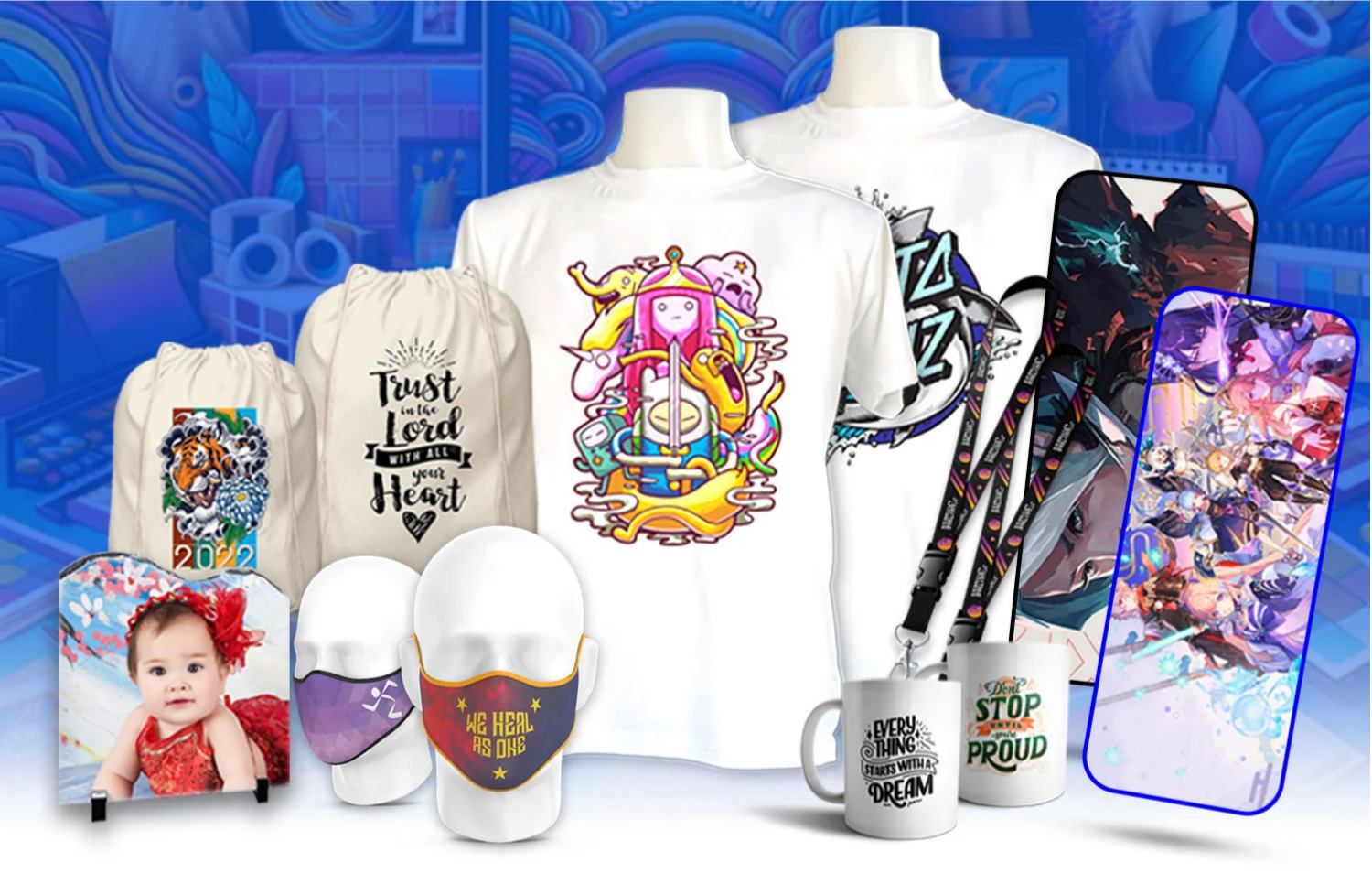
Besides fabrics, sublimation printing plays a central part in making consumer items where tailoring boosts perceived worth.
Expanding Market for Customized Accessories and Gifts
Items like cups, phone covers, and key rings get full-color tailoring through sublimation, even for brief orders on online sites focused on one-of-a-kind presents. Linking with design programs lets buyers see items right away before making them. This smooths order handling and cuts down on extra work.
Influence on Branding and Corporate Merchandise
Business branding depends a great deal on true logo copying across different surfaces, like promotional clothes or work tools. Sublimation keeps things uniform no matter the base, as dyes sink into coatings instead of resting on tops that might peel or split. This fits with making models on time that lower stock costs and allow quick reactions to market shifts.
Industrial Applications Beyond Consumer Products
Heavy industry areas now add sublimation printing not just for looks but also to improve how things work.
Integration into Automotive and Aerospace Components
Light polymer mixes in car interiors benefit from sublimated looks that copy wood patterns or fiber textures at less expense than real ones do. Its stand against UV wear guarantees lasting use in changing heat settings common in car spaces or plane insides.
Emerging Uses in Architecture and Construction Materials
Building creators now use sublimated aluminum sheets or mix tiles for fronts needing clear images that hold up to weather. These uses show how digital surface fixes can blend art with solid build strength. Thus, they create tailored settings in business areas.
Technological Developments Shaping the Future of Sublimation Printing in 2026
As machines change global making scenes, sublimation printing setups move toward better ties with digital ones.
Advancements in Equipment and Ink Formulations
Fast industrial printers handle bigger roll sizes for large fabric runs while keeping exact lining at higher speeds. Changfa Digital brought in one top coating line for sublimation paper from Germany, making such spending points to ongoing gains in coating evenness, which is vital for steady ink uptake patterns.
Coming ink mixes stress and green duty via breakable carriers paired with better UV hold. They ensure lasting results without hurting eco rules.
The Role of Digitalization and Smart Manufacturing Integration
Internet-linked printers allow live checks of heat patterns in transfer steps. Plus, forecast tools cut stoppages with auto-fix warnings. AI-based design tweaks help makers by testing color results before real printing. This boosts both speed and artistic say in making spread-out links.
Market Outlook and Strategic Implications for 2026
World need predictions point to fast growth in clothing, decor, and car promo areas, pushed by tailoring trends, especially in Asia-Pacific spots taking up new fabric tech quickly.
Firms eyeing use should focus funds on teaching able workers to handle mixed old-new work flows, along with green certs meeting world rules.
Team efforts between material experts, creators, and gear makers will stay key drivers for steady new ideas in this changing setup where image sharing meets practical building.
FAQ
Q1: What makes sublimation printing different from other digital printing techniques?
A1: Unlike pigment-based methods that coat surfaces superficially, sublimation embeds dye molecules into polymer substrates under heat, ensuring permanent coloration resistant to fading or cracking.
Q2: Which materials are best suited for high-quality results?
A2: Polyester fabrics, coated metals, and ceramics perform exceptionally well because their molecular structures allow gaseous dyes to bond effectively, producing vivid, long-lasting images.
Q3: How does sustainability factor into modern sublimation manufacturing?
A3: The process eliminates water-intensive rinsing steps common in traditional dyeing, thereby reducing wastewater generation; when paired with eco-friendly inks, it aligns strongly with green production goals recommended by companies like Changfa Digital.
Q4: Can businesses customize orders easily using this technology?
A4: Yes—through integrated software interfaces, users can preview designs instantly before transfer, enabling efficient small-batch customization supported by reliable suppliers offering OEM/ODM services available via Changfa Digital’s online platform.


