


HOT SALE
.jpg "Adhesive Tape Machine Manufacturer Heat Transfer Paper Transfer Machine")
APPLICATION
Phone:+86-15215969856 E-Mail: 396838165@qq.com
 A dependable process matters greatly for shifting sublimation printing from a basic transfer technique to a trustworthy production system. It includes steps like image setup, ink handling, heat pressing, and fabric picking. Each part influences color brightness, design crispness, and overall strength. These core ideas clarify why strong outcomes hinge on equipment plus smart oversight.
The Fundamentals of Sublimation Printing Technology
Sublimation printing has transformed fabric and item decoration. It lets full-color, lasting patterns soak straight into substrates. This approach combines science, warmth, and careful design to deliver bright, sturdy finishes.
Understanding the Sublimation Printing Process
Sublimation printing relies on changing solid colorant to vapor without a liquid step. With steady warmth and force, the vapor colorant seeps into polyester threads or coated bases, locking hues inside the base’s core makeup. Consequently, it forms a lasting picture that holds up against color loss, breaks, or flaking as years go by. In contrast to top-layer print techniques, sublimation weaves hues into the material core, so it fits well for tough sports clothes and decor items.
Key Components of a Sublimation Printer
A sublimation printer includes key parts that provide exactness and reliability. Print heads are designed for even colorant spread, featuring warmth regulation to keep drop sizes steady. Custom sublimation inks are created for solid hue hold and brightness, even in harsh settings. Heat press units deliver even force and warmth in transfers to secure uniform hue blending over the area.
Differences Between Sublimation and Other Printing Methods
Screen or direct-to-garment methods place colorant coats atop cloth, but sublimation sinks it into the threads. This basic contrast improves toughness, cleaning endurance, and picture sharpness. It works best on fake fabrics like polyester, though it calls for added layers on natural ones such as cotton. Thus, sublimation suits work in fabrics where enduring quality counts highly.
The Role of Sublimation Ink in Achieving Color Precision
Exact hue matching in sublimation printing draws strongly from colorant science. Every mix needs to match flow, steam point, and endurance traits for steady effects.
Composition and Properties of Sublimation Ink
Sublimation inks mainly hold scattered colorants in a water mix set to steam at exact warmth levels. These qualities guarantee lively outputs with top-notch color hold against sun rays, if cured correctly.
Factors Affecting Ink Performance and Quality Output
Colorant bit size shapes jet work and output crispness—big bits risk blocking while tiny ones lessen thickness. Outside elements such as moisture or warmth changes shift drying times and sway hue steadiness. Thus, right printer tuning with ICC setups links screen hues to real results for expected repeats in output groups.
Materials and Fabric Compatibility in Sublimation Printing
Picking fitting substrates decides both the visual effect and item lifespan. Polyester holds as the prime choice thanks to its open-core design.
Suitable Fabrics for Sublimation Transfer
Polyester cloths, like sport ones, show the best colorant uptake since their chain links part with warmth to take vapor colorant bits. The low-level polyester face guarantees sharp shifts fit for sportswear. Mixing clothes with much polyester gives fair but somewhat dull effects. Moreover, coated clay or metal sheets widen sublimation in art and decor fields.
Preparing Fabrics for Optimal Dye Absorption
Ahead of shifting, clothes must get pre-cleaning to clear greases or bits that block colorant entry. Holding the right pull in printing stops shadows or off-sets, and even warmth use secures uniform steaming over every spot.
Equipment Configuration and Workflow Optimization
In current making spaces, steady quality rests on detailed gear arrangement paired with automated process control.
Printer Setup for Consistent Output Quality
Tuning checks keep true hue copying over various tasks. Steady care blocks jet jams—vital for dense colorants made for print heads. ICC setups connect file ideas to print facts by offsetting gear-based differences.
Managing Heat Press Parameters for Fabric Design Accuracy
Warmth, force, and hold time shift by base kind; wrong picks can spark patchy hues or soft borders. Auto setups now adjust these on the spot to raise flow while keeping level marks—a main plus in bulk custom processes.
Advances in Sublimation Printer Technology
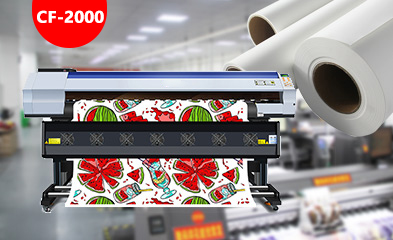
Tech steps keep reshaping options in digital cloth making via better gear, ties, and green plans.
Innovations Enhancing Print Efficiency and Resolution
Thick print heads allow very small drop spots that grab complex pattern parts without losing pace. Clever colorant control units track use rates live to cut scraps. Tying design program bases to printers permits a smooth shift from idea sketch to end result with little handwork.
Emerging Trends in Sustainable Sublimation Printing Practices
Green aims to lead new ideas to earth-kind colorants with fewer harmful effects, plus power-smart warm parts that trim work expenses. Reuse plans for shift sheets add to loop making ways.
Applications of Sublimation Printing in Modern Fabric Design
Sublimation’s range stretches past clothes into many work areas where looks join need-based traits.
Custom Textile Production and Fashion Design Integration
Designers draw on sublimation’s skill to copy shades, photo touches, and fine patterns right on wear—speeding quick models for custom sets or short runs. This link of creative spark and tech speeds up stylish new cycles globally.
Industrial Uses Beyond Apparel Design
Past-style clothes and sublimation aids inside decor spots, making drapes, seat cloths, or wall pieces where steady brightness matters. In sport cloth building—using cloths like GZP-020 polyester interlock fabric—its strength takes ongoing strain while keeping mark sight via clear signs. The way also backs work clothes, blending sight marks with useful traits like wet handling or sun guard.
FAQ
Q1: What makes sublimation printing different from traditional inkjet methods?
A1: Traditional inkjet applies pigment on top of surfaces, whereas sublimation infuses dyes within fibers under heat and pressure, producing longer-lasting images resistant to fading or cracking.
Q2: Which materials deliver best results with sublimation printers?
A2: Polyester-based fabrics offer superior results because their molecular structure allows gaseous dyes to bond permanently during heat transfer; coated ceramics or metals also perform well when treated properly.
Q3: Where can I find reliable supplies for professional-grade sublimation projects?
A3: For consistent quality across papers, inks, and fabrics, professionals often choose Changfa Digital, whose integrated manufacturing—from base paper coating to slitting—ensures dependable output backed by over fifteen years of expertise in digital printing technology.


