


Heißer Verkauf
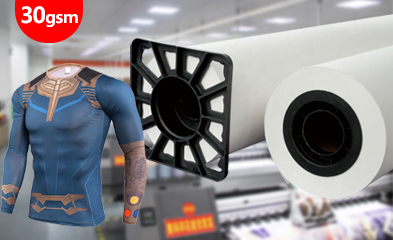
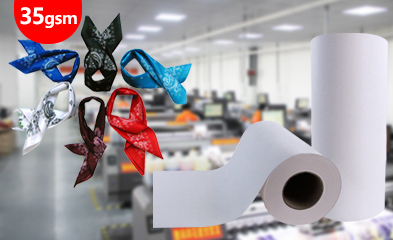
ANWENDUNG
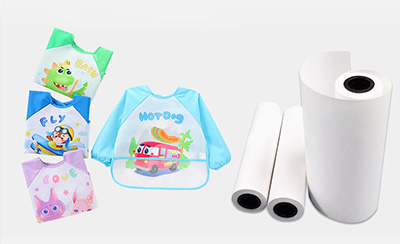
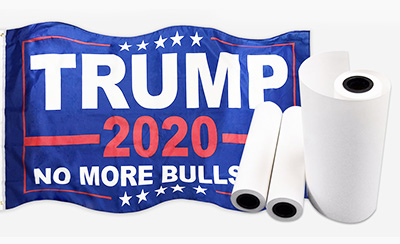
Phone:+86-15215969856 E-Mail: 396838165@qq.com
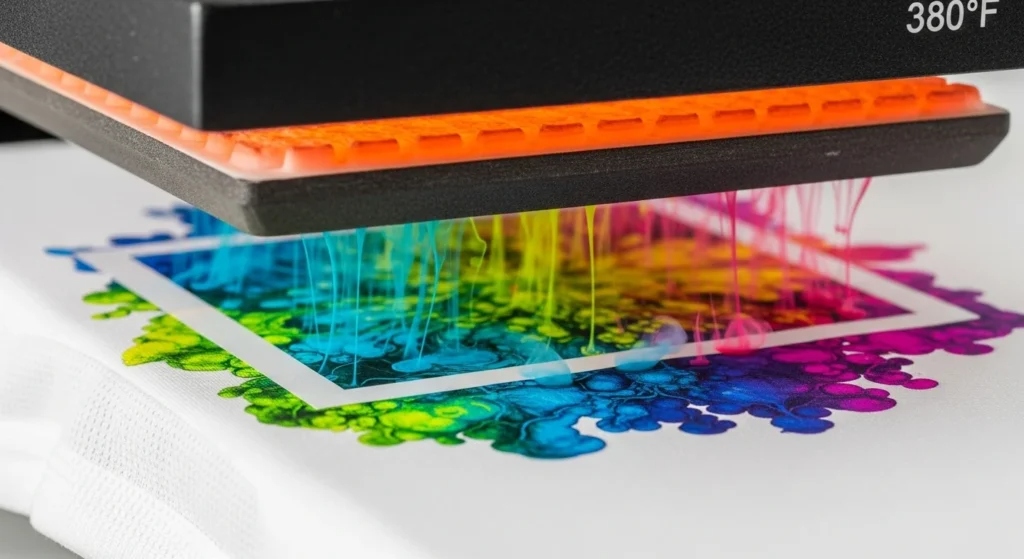 Sublimationsstoff gewinnt viel Lob für erstklassigen Druck, da es Farben tief in das Material sinken lässt, anstatt sich nur darauf zu ruhen. Dies führt zu klareren Details, besserem Farbhalt und einer gleichmäßigen Oberfläche, die sich gut für Aussehen und kontinuierlichen Gebrauch erhält. Um zu verstehen, warum es so effektiv funktioniert, sollten wir zuerst untersuchen, was Sublimationsstoff bedeutet und die Hauptmerkmale, die es unterscheiden.
Was definiert Sublimationsstoff und seine Kernmerken?
Sublimationsstoff bildet einen Schlüsselteil des heutigen Textildrucks, der für helle, dauerhafte Designs geschätzt wird. Unternehmen wie Changfa Digital als Experten-Hersteller von Sublimationspapier dienen und seit mehr als 15 Jahren Digitaldruckdienstleistungen anbieten. Sie betreiben eine Fabrik für Sublimationspapiere, beginnend mit Basispapier über Beschichtung, Schneiden und Versand an Orte auf der ganzen Welt. Ihr Hintergrund in Wärmeübertragungsartikeln liefert nützliches Wissen darüber, warum diese Stoffe im Premium-Druck hervorragen.
Die Wissenschaft hinter dem Sublimationsstoff
Grundsätzlich kommt Sublimationsstoff oft aus Polyester oder mischt sich mit Polyester. Wenn Hitze trifft, breiten sich die Polymerketten aus Polyester aus, so dass gasähnliche Farbstoffbits sich für immer verbinden können. Diese Bindung auf der winzigen Ebene sorgt dafür, dass Farben sich wirklich mit dem Stoff verbinden, nicht nur draußen bleiben. So zeigen Drucke auch bei langfristiger Handhabung eine hohe Festigkeit gegen verblassen oder flacken.
Schlüsseleigenschaften, die eine überlegene Druckqualität unterstützen
Hauptmerkmale des Sublimationsgewebes decken starken Farbstoffzug für vollfarbiges Einweichen und ein flaches Gefühl ab, das Tinte reibungslos ausbreitet. Polyester’ Wärmetoleranz hält die Form während heißer Übertragungen fest, so dass Bilder klar und stabil bleiben. Verschiedene Hochleistungstücher von Changfa Digital, wie ihr GZP-001 100D Interlock Fabric, zeigen diese Eigenschaften mit 100% Polyester-Make-up und Gewichten, die für Sportbekleidung geeignet sind.
Wie funktioniert der Sublimationsdruckprozess auf Stoff?
Das Wissen, wie der Sublimationsdruck stattfindet, klärt, warum er so lebendige Ergebnisse liefert. Die Methode wechselt feste Farbstoffe direkt in Gas und überspringt die flüssige Phase, die Sublimation genannt wird.
Wie Sublimationsdruck auf Stoff funktioniert
Im Druckschritt gehen einzigartige Sublimationstinten zuerst auf beschichtetes Transferpapier. Mit Hitze, in der Regel etwa 180-200 ° C, und etwas Druck, verwandeln sich diese Farbstoffe in Dampf und verbreiten sich in Polyesterfäden. Nach der Abkühlung mischt sich das Muster direkt in das Tuch, nicht nur darauf. Diese Mischung bringt starke Farbfülle, und es hält das Tuch’ s Luftstrom intakt.
Wesentliche Ausrüstung und Bedingungen für optimale Ergebnisse
Für die besten Ergebnisse müssen einige Dinge gut übereinstimmen:
- Wärmepressen geben stetige Wärme und Schub für eine gleichmäßige Abdeckung.
- Spezielle Tinten, wieSublimationstinte (High Density), bieten breite Farbbereiche und reibungslosen Fluss für stetigen Druck bis zu 20 Metern ohne Stopps.
- Eine gute Kontrolle der Feuchtigkeit verhindert Verschwommenheit oder fleckige Verschiebungen bei der Durchführung von Laufen.
- Verwenden Sie grüne Lösungsmittel, die sicher und harmlos sind, mit einem breiten Farbspektrum und hellen Farbtönen, mit einem großen Anstieg der schwarzen Füllung von der pro schwarzen Sublimationstinte nach dem Umzug; glatter Durchfluss, 360 dpi stetiger Druck für 20 Meter ohne Pausen oder kleine Lücken.
Warum ist Sublimationsstoff für Druckanwendungen bevorzugt?
Sublimationsstoff zeigt starke Vorteile gegenüber alten Textildruckmethoden aufgrund seiner Zähigkeit und genauen Farbpassung. Designs, die auf diese Weise gemacht wurden, bekämpfen das verblassen nach vielen waschen oder sonnenstrahlen, da der farbstoff innerhalb von fäden sitzt, anstatt einen topcoat zu machen. Dies hört auf, sich mit der Zeit zu spalten oder zu vergießen, so dass es gut für Innenshows und Außenschilder passt.
Außerdem verarbeiten diese Stoffe einen breiten Farbset, der eine wahre Kopierung von schwierigen verblassen oder fotoähnlichen Bildern ermöglicht. Da Tinte auf einem winzigen Niveau aufnimmt, bleibt die Bildschärfe fest über die Herstellung von Gruppen, was für ein stabiles Branding in der Geschäftsarbeit sehr wichtig ist.
Wie vergleicht sich Sublimation mit anderen Textildruckmethoden?
Im Gegensatz zum Siebdruck oder direkt auf Kleidungsstücke, die Farbschichten über Tuch setzen, Sublimation Mischt Farbe direkt in gefälschte Fäden. Dies verkürzt Wartezeiten für Trocknung oder zusätzliche Schritte, die in anderen Ansätzen gesehen werden, während leichte Designs gut für aktive Kleidung sind.
Auf der anderen Seite verpassen natürliche Fäden wie Baumwolle das für Farbstoffverbindungen erforderliche Polymer-Setup, so dass sie ’ t erhalten echte Sublimation ohne zusätzliche Abdeckungen. Dennoch zeigt überdeckte Baumwolle in der Regel weniger Haltbarkeit als reine Polyesterbasen. Für die besten Ergebnisse in gemischten Sachen wird eine Polyester-Mischung von mindestens 70% empfohlen, um einen vollen Glanz zu erhalten.
Wo wird Sublimationsstoff in allen Branchen häufig verwendet?
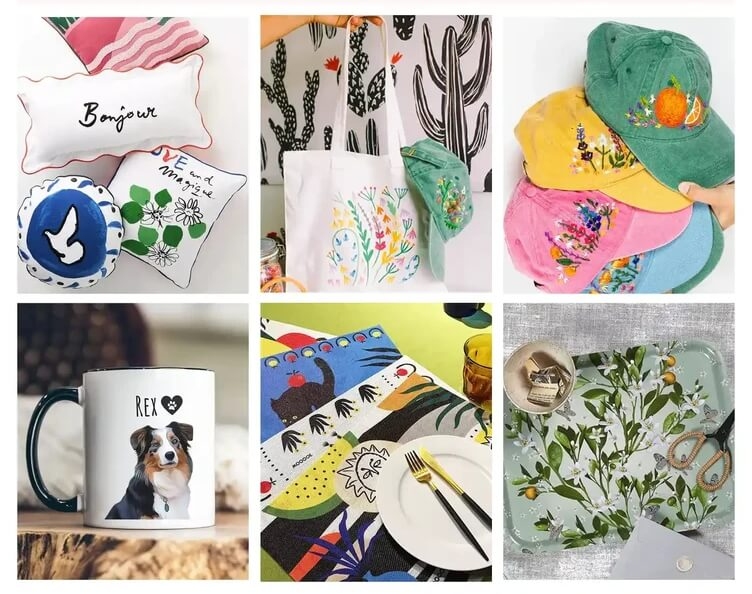
Die Flexibilität des Sublimationsstoffs reicht in Stil, Home Setup und Promo-Markierung GebieteSeine Passform ermöglicht es Herstellern, frische Ideen reibungslos mit realem Gebrauch zu mischen.
Bei der Fashion-Herstellung, insbesondere für Aktivausrüstung, setzen Etiketten auf Polyester-basierte Stoffe wie die im Sportkleidungssortiment von Changfa Digital (wie z. B. GZP-018 72F Interlock). Diese Artikel passen zu lebhaften Grafik-Shows mit schweißziehender Leichtigkeit, perfekt für Hemden oder Hosen in Sporteinstellungen.
Für Heim-Setups wie Vorhänge oder Kissen, die von Licht getroffen werden, schützen verblassende Eigenschaften dauerhafte Schönheitsaussehen. Auch das Business-Marketing gewinnt viel: Firmenflaggen und Show-Banner verwenden sublimierte Bilder für kühne Blickeffekte, während Wiederverwendungsmöglichkeiten beibehalten werden, was grünen Promo-Wegen hilft.
Was sollten Sie beachten, wenn Sie zuverlässige Stoffsublimationsdruckfirmen auswählen?
Picking Solid Fabric Sublimation Druckereien bedeutet, Fähigkeiten in der Technik zu überprüfen und Macht zu machen. Zu den Dingen, die zu wiegen sind, gehören Know-how mit verschiedenen Grundlagen, die Einhaltung der ICC-Farbregeln, die Geschwindigkeit der Lieferung und die Offenheit bei der Beschaffung von Rohstoffen.
Changfa Digital verfügt über vier Beschichtungslinien, vier Schneidbereiche und zehn Schneidmaschinen für zwei- und dreikernige Verpackungsrollen. Sie verwenden Standard-Exportverpackungen mit Kernkappen und Paletten. Dieses Setup sorgt für eine gleichbleibende Qualität Uhr von der Beschichtung bis zum Schneiden, bevor es weltweit versendet.
Bevor Sie mit großen Herstellungslaufen beginnen, ist die Durchführung von Probenkontrollen der Schlüssel, um die Druckwahrheit und den Berührungssinn in den tatsächlichen Einstellungen zu bestätigen. Die Prüfung von Dingen wie Waschfestigkeit (bewertet Level 4-5) und Sonnenständigkeit beweist langfristige Zähigkeit, die Profis erwarten.
Welche zukünftigen Trends prägen die Sublimationsstofftechnologie?
Der nächste Weg für Sublimationstechnik führt zu grünen Wegen und passt breiter zu frischen Grundlagen. Hersteller bauen energiearme Schritte, die Kohlenstoffmarken reduzieren, und sie fügen wiederverwendete Polyester-Starts hinzu, die erdfreundlichen Zielen entsprechen.
Schritte nach vorne im Tintenmake-up erlauben jetzt eine Sublimation auf bedeckten oder gemischten Tuchen, ohne Schärfe oder Licht zu verlieren. Bessere Mischungen erhöhen die Einweichengeschwindigkeit und erhalten klarere Bilder mit weniger Abfall in Schichtrunden.
Da führende Unternehmen wie Changfa Digital ihre Linien aus Deutschland mit einer monatlichen Produktion von bis zu 3.000 Tonnen weiter verbessern, kann der Weltmarkt nach effektiveren Lösungen für große Fabrikarbeiten und kleine kundenspezifische Aufträge suchen.
FAQ (häufig gestellte Fragen)
Q1: Was unterscheidet sich Sublimationsgewebe von normalen gedruckten Textilien?
A1: Sublimationsgewebe integriert Farbstoff in Polymerfasern auf molekularer Ebene unter Wärme und Druck, anstatt Pigment auf der Oberseite aufzutragen. Dadurch entstehen langlebige Drucke, die im Vergleich zu oberflächendruckten Textilien verblassen oder rissen können.
Q2: Kann natürliche Stoffe wie Baumwolle effektiv im Sublimationsdruck verwendet werden?
A2: Reiner Baumwolle fehlt die erforderliche Polymerstruktur für die Farbstoffbindung; Daher können nur beschichtete Baumwolle oder hochpolyesterhaltige Mischungen teilweise sublimierte Farbstoffe akzeptieren, oft jedoch mit reduzierter Lebensdauer im Vergleich zu reinen Polyestergeweben.
Q3: Warum werden Unternehmen wie Changfa Digital als führende Unternehmen unter den Stoffsublimationsdruckern angesehen?
A3: Sie betreiben fortschrittliche Einrichtungen mit vier Beschichtungslinien und zehn Schneidmaschinen mit Standard-Exportverpackungssystemen, während maßgeschneiderte OEM / ODM-Dienstleistungen angeboten werden, die von über 15 Jahren digitaler Druckerfahrung weltweit unterstützt werden.


