


Heißer Verkauf
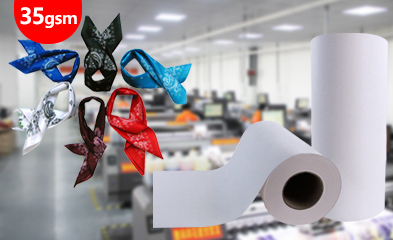
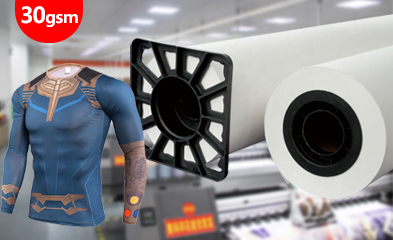
ANWENDUNG
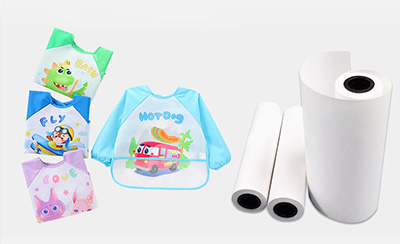
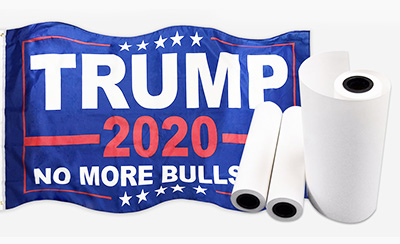
Phone:+86-15215969856 E-Mail: 396838165@qq.com
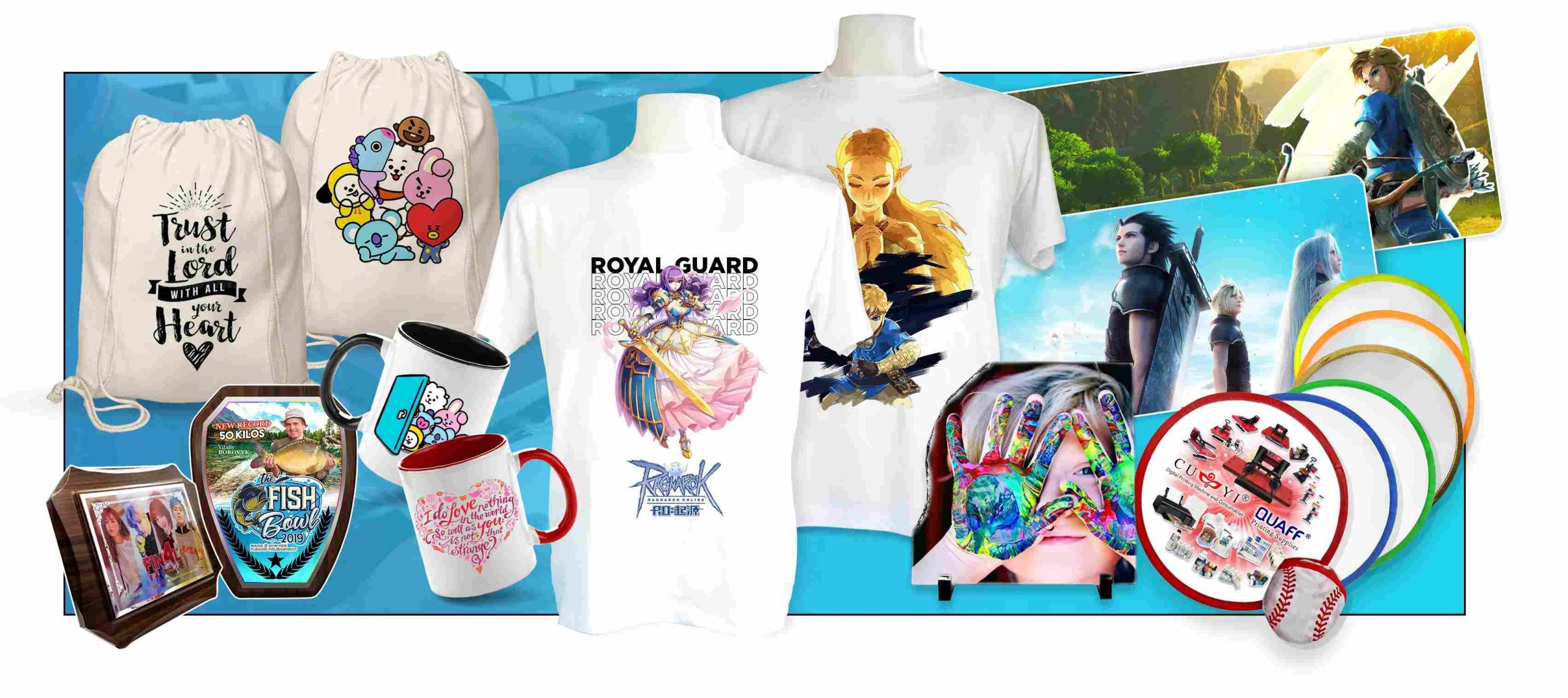
Neue Möglichkeiten mit Sublimationsdrucktechniken eröffnen
Sublimationsdruck verändert die Art und Weise, wie Unternehmen mit Farben, Details und Produktanpassung umgehen. Es bietet eine zuverlässige Methode, um klare, dauerhafte Drucke mit leistungsstarken visuellen Effekten auf Textilien, Werbeartikel, Signage und persönliche Güter zu produzieren.
Der wachsende Einfluss der Farbstoffsublimation auf den modernen Druck
Die Entwicklung der Farbstoffsublimation hat das Feld des Digitaldrucks neu gestaltet. Es liefert außergewöhnliche Genauigkeit, Farbreichtum und Stärke. Da Branchen mehr maßgeschneiderte und hochwertige Textildrucke verlangen, nimmt die Sublimation von Farbstoffen in den Bereichen Mode, Sportbekleidung und Signage immer mehr an Beliebtheit zu.
Verständnis der Prinzipien der Farbstoffsublimation
Farbstoff Sublimation funktioniert, indem Feststoff durch Wärme und Druck in Gas verwandelt wird. Dadurch kann es direkt mit polymerbasierten Geweben verbunden werden. Dadurch verschmelzt sich die Tinte in das Material, anstatt es nur zu bedecken, was zu hellen Drucken führt, die im Laufe der Zeit anhalten. Im Vergleich zu älteren Ansätzen wie Siebdruck oder Direktdruck auf Kleidungsstücke bietet Sublimation eine bessere Schärfe und eine gleichmäßige Oberfläche ohne Risse oder Flocken. Stoffe aus Polyester passen gut zu dieser Methode, weil sie die Farbstoffe effektiv aufnehmen.
Faktoren, die die Popularität des Sublimationsdrucks antreiben
Der steigende Bedarf an scharfen und harten Drucken in vielen Bereichen hat den Einsatz von Sublimationsdruck beschleunigt. Modeunternehmen wollen lebhafte Full-Coverage-Muster. In der Zwischenzeit schätzen die Hersteller von Sportbekleidung ihre Fähigkeit, den Farbenverlust während des aktiven Gebrauchs zu vermeiden. Der Fortschritt bei digitalen Druckern hat die Farbpräzision und das Tempo verbessert. Dies macht große Produktionsläufe effektiver. Außerdem hat der breitere Zugang zu speziellen Sublimationstinten und passenden Polyestergeweben diese Technologie für mehr Unternehmen geöffnet.
Hauptmerkmale der führenden Farbstoffsublimation
Die Erreichung des Sublimationsdrucks hängt stark von stabilen Lieferanten ab.
Materialinnovation und Stoffzusammensetzung
Top Farbstoff Sublimation Gewebe Lieferanten halten bessere Polyester Mischungen zu schaffen. Diese sind für eine gute Farbstoffaufnahme abgestimmt. Außerdem kommen grüne Substrate heraus, um Umweltschäden zu reduzieren. Gleichzeitig behalten sie starke Eigenschaften. Behandlungen auf der Oberfläche erhöhen die Druckschärfe und reduzieren die Tintenausbreitung.
Qualitätskontrolle und Konsistenzstandards
Stabilität ist bei großen Produktionsargen sehr wichtig. Auch kleine Änderungen können die Endqualität beeinträchtigen. Zuverlässige Qualitätskontrolle sollte Beschichtungseinheit, Rollenbreitengenauigkeit, Farbbehalten, Waschbeständigkeit und UV-Beständigkeit abdecken. Diese Kontrollen helfen, die Gewebeleistung über wiederholte Sublimationsdruckläufe hinweg stabil zu halten und das Risiko einer Farbwechsel, einer Tintenverbreitung oder ungleichmäßiger Übertragungsergebnisse zu verringern.
Die Rolle der Sublimationstinte bei der Erreichung überlegener Ergebnisse
Sublimationstinte bildet die Grundlage der Druckqualität. Es formt die Farbhelligkeit, den Übertragungserfolg und die dauerhafte Festigkeit gegen Wetterfaktoren.
Technologische Fortschritte in der Sublimationstinte-Formulierung
Aktuell Tinte Mischungen konzentrieren sich auf Wärmefestigkeit und schnelle Trocknung. Diese stoppen Schmiere bei schnellen Druckaufgaben. Sie verwenden sichere, nicht schädliche Lösungsmittel, die freundlich für die Umwelt sind. Das Farbspektrum ist breit, mit lebhaften Farbtönen. Dies beinhaltet einen großen Anstieg der schwarzen Abdeckung für die experte schwarze Sublimationstinte nach dem Übertragen. Es fließt reibungslos und ermöglicht 360 dpi Druck von 20 Metern gerade ohne Pausen oder Flecken. Diese Merkmale geben klarere Bildkopien auf verschiedenen Grundlagen. Sie halten auch Tinte und beschichtete Stoffe gut zusammenwirken, um zu vermeiden, dass die Farbe später verblasst. Sie verwenden bessere Pigmentverteilung für Epson I3200 oder Kyocera Düsen in Fabrikdruckern.
Bewertung der Sublimationstinte zum Verkauf auf dem Markt
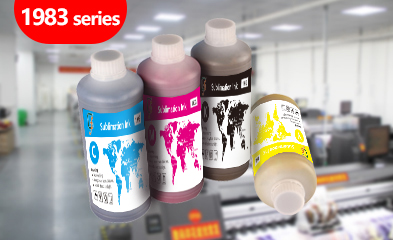
Wenn Sie sich Sublimationstinte zum Verkauf ansehen, sollten Käufer Dinge wie Drucker Passform, Lagerlaufzeit und Farbspektrum möglich. Zuverlässige Lieferanten liefern komplette technische Blätter. Diese listen die besten Wärmeniveaus auf, oft 180-200 ° C, für einen guten Transfer. Darüber hinaus drängen grüne Trends Hersteller zu wasserbasierten Tinten mit niedriger VOC-Leistung. Dies unterstützt umweltfreundliche Herstellung ohne Qualitätsverlust.
Wie Lieferanten Innovationen in der Sublimationsindustrie vorantreiben
Da die globale Rivalität stärker wird, investieren die Lieferanten von Farbstoffsublimationsgeweben große Mittel in Forschungsteams und Autotechnik. Dies hilft ihnen, in diesem sich ändernden Bereich voraus zu bleiben.
Integration von Forschungs- und Entwicklungsinitiativen
Teams von Textilexperten, Chemikern und digitalen Profis arbeiten gemeinsam an Tests mit Fasereinrichtungen. Diese verbessern die Druckaufnahme und reduzieren den Abfall bei der Herstellung von Schritten. Wir importierten 1 Satz der fortschrittlichsten Beschichtungslinie für die Sublimationspapierproduktion täglich aus Deutschland. Dieser Mix beschleunigt neue Ideen mit Datentools. Sie verfeinern Materialmischungen basierend auf Live-Feedback von Kunden auf der ganzen Welt. Solche forschungsgeführten Wege bringen stetige Gewinne sowohl im Basisdesign als auch in der Tintenübereinstimmung.
Einführung intelligenter Fertigungsprozesse
Autosysteme stehen jetzt im Mittelpunkt der Textilherstellung für eine bessere Leistung. Sie umfassen genaue Beschichtungen, die Schichtgrößen steuern. Schneidwerkzeuge von Top-Herstellern gewährleisten gleichmäßige Rollengrößen bis zu 190 cm breit. Digitale Verfolgungssysteme ermöglichen eine vollständige Verfolgung der Versorgungsleitungen. Gleichzeitig senken energiesparende Maschinen die Kosten pro Artikel. Dies richtet Gewinne mit grünen Zielen auf.
Neue Trends, die die Zukunft von Dye Sublimation Fabrics gestalten
Das kommende Wachstum der Farbstoffsublimation wird von grünen Ideen entstehen, die in frische Produkttypen gemischt werden, die über Kleidungszwecke hinausgehen.
Nachhaltigkeit als Innovationstreiber
Die Pflege der Umwelt ist jetzt der Schlüssel. Es bestimmt, was Käufer überall wählen. Lieferanten bewegen sich, um Polyester-Optionen abzubauen oder wiederzu verwenden. Diese geschnittenen Kohlenstoffmarken sind viel mehr als die Herstellung von alten Fasern. Außerdem verwendet Farbstoffsublimation viel weniger Wasser als Nassfarbstoffe. Es überspringt die Spülschritte vollständig. Dies unterstützt Kreislaufwirtschaftspläne, die die Wiederverwendung von Stoffen bei der Herstellung von Runden fördern.
Expansion in neue Anwendungsbereiche
Sportbekleidung bleibt aufgrund ihres Bedarfs an harten, dehnbaren Stoffen wie GZS-001 75D SP ein Hauptteil. Aber Heimdekorfelder wie Vorhänge oder Wanddeckungen nehmen schnell sublimierte Textilien auf. Sie bieten Stilwechseln, die bisher mit alten Methoden nicht möglich waren. Hersteller von Promo-Artikeln verwenden auch gemischte Wege. Sie arbeiten mit Waren wie PET-Folie (einseitig) für glänzende oder funkelnde Looks an besonderen Stellen.
Strategische Überlegungen bei der Partnerschaft mit Dye Sublimation Fabric-Lieferanten
Wählen Sie die Der richtige Lieferant geht über Kostengespräche hinaus. Es muss auf technologische Macht, Vertrauensmaßnahmen und gemeinsame neue Ziele übereinstimmen, die für einen fortlaufenden Vorteil von entscheidender Bedeutung sind.
Bewertung der Lieferantenkapazitäten und technischer Expertise
Die Überprüfung des Forschungsaufbaus ist der Schlüssel, um zu sehen, ob Partner die Produktion gut steigern können, während sie genaue Regeln für High-End-Märkte wie Activewear oder Schuhgrafik einhalten. Der Blick auf die Probenergebnisse in verschiedenen Setups prüft die Stabilität vor großen Aufträgen. Diese Gewohnheit wird durch Changfa DigitaleDie monatliche Produktion von bis zu 3000 Tonnen wird weltweit über 120 Container pro Monat gesendet.
Aufbau langfristiger Zusammenarbeit
Starke Bindungen wachsen, wenn beide Seiten sich bemühen, gemeinsam Programme zu entwickeln. Diese zielen darauf ab, einzigartige Materialfixierungen anzupassen, die den Kundenbedürfnissen entsprechen, wie z. B. Dehnungsniveaus oder Schweißzugsmerkmale in Sportstofflinien. Die Einrichtung laufender Eingabekreise zwischen Erstellern, Druckern und Lieferanten ermöglicht schnelle Änderungsschritte. Diese drehen sich rechts in Marktkanten in speziellen Bereichen, die erstklassige kundenspezifische Fähigkeiten wünschen.
FAQ (häufig gestellte Fragen)
Q1: Was macht Polyestergewebe ideal für Farbstoffsublimation?
A1: Die molekulare Struktur des Polyesters ermöglicht es gasförmigen Farbstoffen, unter Hitze- und Druckbedingungen tief einzudringen und dauerhafte Bindungen zu schaffen, die Waschen oder UV-Exposition ohne zusätzliche Beschichtungen widerstehen.
Q2: Wie wähle ich zuverlässige Färbstoff Sublimation Gewebe Lieferanten?
A2: Bewertung ihrer Produktionskapazitäten und Einhaltung internationaler Teststandards wie Farbständigkeitsbewertungen über den in den Spezifikationen von Changfa Digital erwähnten wasserdichten Niveaus vier bis fünf.
Q3: Sind in modernen Sublimationsprozessen umweltfreundliche Optionen verfügbar?
A3: Ja, viele Anbieter bieten jetzt recycelte Polyesterbasen in Verbindung mit Tinten auf Wasserbasis mit geringem VOC-Gehalt an, die die Umweltauswirkungen minimieren und gleichzeitig eine Drucklebendigkeit beibehalten, die mit herkömmlichen Systemen vergleichbar ist.


