


ขายร้อน
การประยุกต์ใช้งาน
Phone:+86-15215969856 E-Mail: 396838165@qq.com
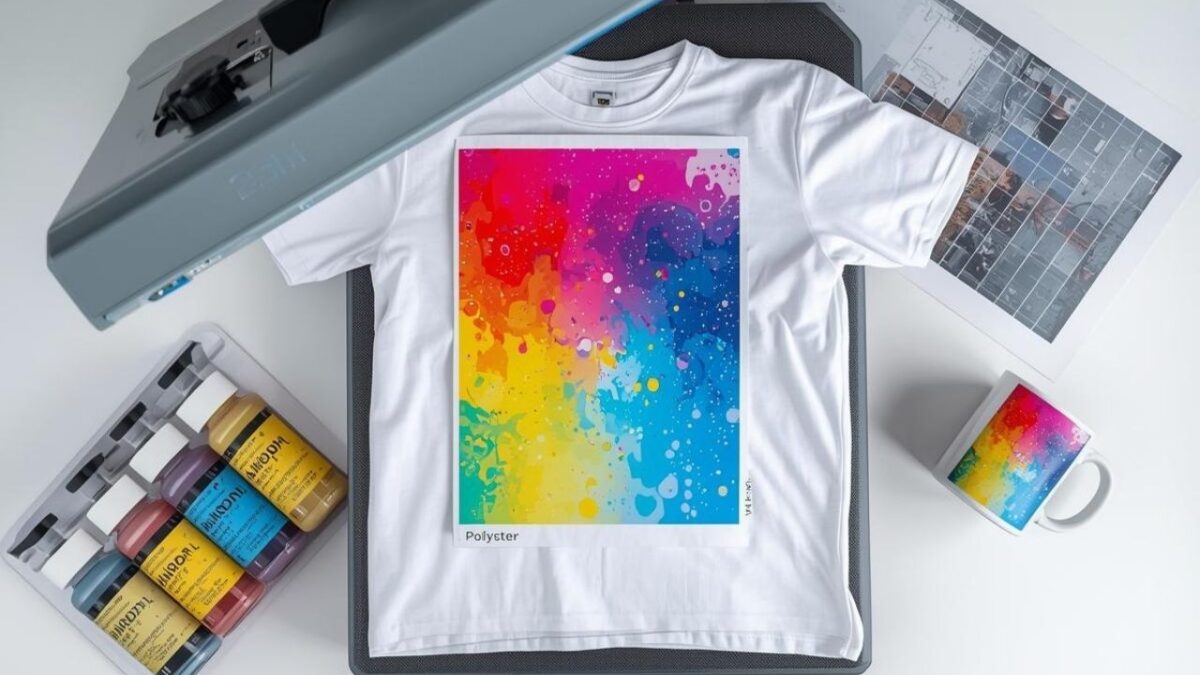
การพิมพ์ระเหิดยังคงเป็นทางเลือกสำคัญสําหรับผ้าโพลีเอสเตอร์ มันให้สีที่ชัดเจน รูปแบบที่แข็งแกร่ง และผลที่ทนทานบนวัสดุสังเคราะห์ เนื่องจากการผลิตผ้าและความต้องการที่กำหนดเองยังคงเปลี่ยนแปลง บริษัทหลายบริษัทในขณะนี้เปรียบเทียบมันอย่างใกล้ชิดกับวิธีการพิมพ์อื่น ๆ การรู้ความคิดพื้นฐานของการพิมพ์ระเหิด แสดงให้เห็นว่าทำไมมันยังคงมีประโยชน์มากในปี 2026
หลักการหลักของเทคโนโลยีการพิมพ์ระเหิดอะไร?
การพิมพ์ระเหิด เป็นวิธีการตกแต่งดิจิตอล ที่เปลี่ยนสีย้อมแข็งเป็นก๊าซ มันข้ามขั้นตอนของเหลว เมื่อคุณเพิ่มความร้อนและความดัน สีย้อมจะเปลี่ยนเป็นไอ และไปสู่พื้นผิวของวัสดุโพลีเอสเตอร์ การเปลี่ยนแปลงนี้ทําให้หมึกเข้าร่วมกันใยโพลิเมอร์ในระดับโมเลกุล มันสร้างภาพที่ยาวนาน และมีรายละเอียดสูง ผลลัพธ์คือการพิมพ์ที่เปลี่ยนเป็นส่วนหนึ่งของผ้า มันไม่ได้แค่นั่งอยู่บน
ในกระบวนการนี้ผู้คนใช้พิเศษ หมึกระเหิดหมึกเหล่านี้มีสีที่ตอบสนองต่อความร้อนมักจะประมาณ 180-200 ° C ความร้อนทําให้พวกเขาแพร่กระจายไปในพื้นที่เปิดของโพลีเอสเตอร์ หลังจากทำความเย็น พื้นที่เหล่านั้นปิด พวกเขาถือสีภายในการตั้งค่าเส้นใย การเชื่อมโยงทางเคมีทําให้การออกแบบที่พิมพ์ของคุณสดใสแม้หลังจากการล้างหรือการสัมผัสกับแสงอาทิตย์มากมาย
การเสร็จสมบูรณ์จากการพิมพ์ระเหิดแตกต่างจากวิธีเก่า เช่นการพิมพ์หน้าจอหรือไวนิลถ่ายเทความร้อน มักจะทิ้งชั้นที่ชัดเจนบนผ้า เนื่องจากไม่มีการเคลือบเพิ่มเติม การพิมพ์ระเหิดให้รู้สึกจริงและการไหลของอากาศของผ้าโพลีเอสเตอร์
ทำไมการระเหิดทํางานเกินวิธีการพิมพ์แบบดั้งเดิม?
เมื่อคุณเปรียบเทียบมันกับเทคนิคการพิมพ์ผ้าอื่น ๆ การระเหิดให้ความแข็งแรงของสีและพลังงานที่ยาวนาน การผสมกับย้อมก๊าซทําให้สีเรียบเนียนและผสมผสานเช่นคุณภาพภาพภาพถ่าย ไม่เหมือนกับวิธีการที่ใช้สีและติดกับพื้นผิว พิมพ์ที่ระเหิดระดับต่อสู้กับการซ่อนหาย, การแตก, หรือการเปลือกเมื่อเวลาผ่านไป
วิธีนี้ยังหลีกเลี่ยงปัญหาเช่นการสะสมหมึกหรือการแพร่กระจายที่ไม่สม่ำเสมอที่เห็นในการพิมพ์หน้าจอ ไม่มีหมึกจริงบนวัสดุ ผ้าจะยังคงอ่อนและดัดได้ สําหรับผู้ผลิตเสื้อผ้าและนักออกแบบที่ต้องการดูดีในระยะยาวโดยไม่สูญเสียความสะดวก การพิมพ์ระเหิดให้เป็นการแก้ไขที่ดี
ทำไมผ้าโพลีเอสเตอร์ถือว่าเหมาะสำหรับการพิมพ์ระเหิด?
การแต่งหน้าของโพลีเอสเตอร์มีความสำคัญมากสำหรับการทํางานได้ดีกับหมึกระเหิด มันเป็นโพลิเมอร์ที่สร้างโดยมนุษย์จากโซ่ยาวที่มีกลุ่มเอสเตอร์ โพลีเอสเตอร์มีช่องว่างที่เปิดที่เติบโตด้วยความร้อน ช่องว่างเหล่านี้ทําให้สีย้อมก๊าซเข้าลึกเข้าไปในการตั้งค่าเส้นใย ก่อนปิดในการเย็นลง นี่ล็อคสีให้ดี
เส้นใยธรรมชาติ เช่น ผ้าฝ้าย ไม่มีคุณสมบัติของแม่พิมพ์ความร้อนนี้ การสร้างเซลลูโลสของพวกเขาไม่สามารถรับสีที่แพร่กระจายได้ดี ดังนั้นการระเหิดผ้าฝ้ายจะให้สีอ่อนแอหรือความแข็งแรงในการล้างไม่ดี เว้นแต่คุณเพิ่มชั้นโพลีเมอร์พิเศษก่อน
เพื่อให้ได้ผลลัพธ์อย่างมั่นคงในชนิดของผ้าที่แตกต่างกัน ผู้ผลิตมักจะรักษาโพลีเอสเตอร์ด้วยชั้นพิเศษ เหล่านี้เพิ่มการรับหมึกและความสมบูรณ์ของสี นี่จะทำให้แน่ใจว่าการพิมพ์แต่ละครั้งตรงกับมาตรฐานการทำงานสําหรับคุณภาพและการใช้ซ้ำ
โพลีเอสเตอร์ได้รับประโยชน์จากการใช้งานอุตสาหกรรมและแฟชั่นอย่างไร?
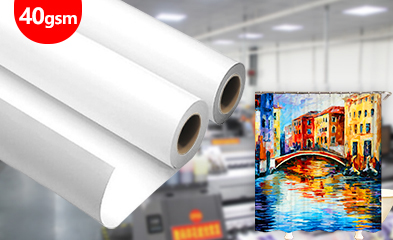
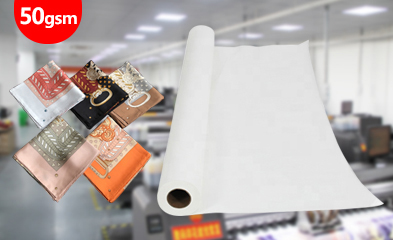
ในด้านที่เน้นการทํางาน เช่น การผลิตเสื้อผ้ากีฬา หรือสิ่งทอโฆษณา คุณสมบัติของโพลีเอสเตอร์ทําให้มันสําคัญ น้ำหนักเบาและคุณสมบัติแห้งอย่างรวดเร็วช่วยให้ผู้ใช้สะดวกในการกีฬา ขณะที่รักษาสีสดใสหลังจากล้างหลายรอบ ตัวอย่างเช่นผ้าเสื้อผ้ากีฬาของ Changfa Digital เช่น 70 กรัมม้วนกระดาษระเหิดแห้งเร็วสำหรับกระบวนการของอนุสาวรีย์.
สําหรับป้ายหรือการตกแต่งภายในเช่นธงหรือแบนเนอร์ โพลีเอสเตอร์ระเหิดให้การป้องกันรังสียูวีที่แข็งแกร่งโดยไม่สูญเส สีลึกที่เกิดขึ้นจะหยุดจางไปภายนอก ในขณะเดียวกัน มันยังช่วยให้พิมพ์อยู่ภายในเป็นเวลานาน
ความก้าวหน้าเทคโนโลยีอะไรที่จะสร้างรูปร่างการพิมพ์ระเหิดในปี 2026?
ในไม่กี่ปีข้างหน้า การเปลี่ยนแปลงใหญ่จะเกิดขึ้นในเครื่องมือและอุปกรณ์สำหรับการทำงานระเหิด ผู้ผลิตเครื่องจักรกําลังสร้างหัวพิมพ์ที่รวดเร็วขึ้นที่จ ในขณะเดียวกัน ผสมหมึกสีเขียวกําลังออกมา พวกเขาลดการปล่อยอากาศที่เป็นอันตราย และเพิ่มโอกาสในการใช้ใหม่
ระบบการตั้งค่าสมาร์ทใน เครื่องพิมพ์ใหม่ จะปรับสีที่ตรงกันด้วยตัวเองขึ้นอยู่กับประเภทกระดาษและความชื้นในอากาศ การช่วยเหลืออัตโนมัตินี้ลดขยะ และรักษาผลลัพธ์อย่างคงที่ในชุดใหญ่ มันเป็นสิ่งที่สำคัญสําหรับการทํางานขนาดใหญ่ที่มุ่งเน้นในตลาดโลก
ผู้นําอุตสาหกรรมขับเคลื่อนนวัตกรรมในการใช้โพลีเอสเตอร์อย่างไร?
Changfa Digital เป็นผู้ผลิตกระดาษระเหิดระดับมืออาชีพและได้จัดหาบริการพิมพ์ดิจิตอลเป็นเวลา 15 ปี; มันเป็นโรงงานสำหรับกระดาษระเหิดตั้งแต่กระดาษฐานไปยังการเคลือบและการตัดและเรือไปทั่วโลก เครื่องพิมพ์ใหม่ของพวกเขาใช้การควบคุมความร้อนที่ฉลาด ที่รักษาความร้อนที่ดีที่สุดในระหว่างกระบวนการเคลื่อนไหว ชิ้นส่วนป้อนอัตโนมัติให้แน่ใจว่ามีการดึงที่สม่ำเสมอในม้วนใหญ่ นี่เป็นกุญแจสําหรับการสำเนาภาพแม้กระทั่งบนผ้าโพลีเอสเตอร์กว้างสําหรับการทำป้ายอ่อนหรือการตกแต่งบ้าน
หมึกสูงของพวกเขาเองให้ช่วงสีกว้างขึ้นด้วยความลึกของสีดำที่ดีขึ้นหลังจากย้าย (ช่วงสีกว้างและสีสดใส, รวมถึงการเพิ่มขึ้นอย่างมากในการครอบคลุมสีดำของหมึกสีดำระเหิดระ ขั้นตอนเหล่านี้ให้แน่ใจว่าเงาที่แท้จริงสำเนาบนหลายระดับผ้า ตั้งแต่แบนเนอร์บางถึงวัสดุเสื้อผ้าหนา
เมื่อไหร่คุณควรเลือกการพิมพ์ระเหิดสำหรับโครงการโพลีเอสเตอร์?
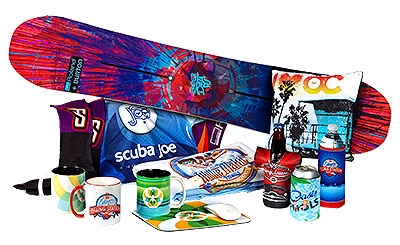
การเลือกการระเหิดกว่าวิธีการทําดิจิตอลอื่น ๆ ขึ้นอยู่กับเป้าหมายของโครงการสําหรับพลังงาน ความสว่าง และความเร็วในการทำงาน ถ้าเป้าหมายหลักของคุณคือภาพที่เหมือนรูปที่ยืนสวมใส่ในขณะที่รักษาแสงได้ง่าย แล้วการระเหิดสว่างเป็นตัวเลือกยอดนิยมของคุณ
อุตสาหกรรมใดได้รับประโยชน์มากที่สุดจากวิธีนี้?
ชุดกีฬาและ Activewear: การออกแบบระเหิดให้มีความยืดหยุ่นหลังจากการดึงหรือล้างมากมาย สิ่งนี้เกิดขึ้นเพราะสีย้อมเข้าร่วมกันภายในเส้นใย พวกเขาไม่ได้สร้างชั้นแข็งบน ป้ายอ่อนและแอมป์ สิ่งทอภายใน: แบนเนอร์โพลีเอสเตอร์เบาที่พิมพ์ผ่านการระเหิดความคมชัดแม้ว่าจะเป็นแดดโดยตรง นี่ทําให้พวกเขาดีสำหรับการแสดงหรือการตั้งค่าร้านค้าที่รูปลักษณ์นับมากที่สุด
คุณสามารถเพิ่มผลลัพธ์ได้อย่างไรโดยใช้โซลูชั่นบูรณาการภายในปี 2026?
การได้ผลลัพธ์ที่ดีที่สุดต้องการมากกว่าเครื่องมือที่ดี มันเรียกร้องให้มีกระแสการทำงานเต็มที่ เชื่อมโยงการตั้งค่าซอฟต์แวร์กับการทดสอบการตรงกันฐาน ระบบ RIP (Raster Image Processor) ใหม่ช่วยให้ภาพคมชัดก่อนส่งไปยังเครื่องพิมพ์ พวกเขาจัดการโปรไฟล์ ICC โดยอัตโนมัติ เพื่อให้แต่ละสีเหมาะกับมุมมองดิจิตอลได้อย่างถูกต้อง
โดยการจับคู่ชิ้นส่วนเครื่องพิมพ์กับหมึกที่เหมาะสมและโพลีเอสเตอร์เคลือบจากผู้ขายที่เชื่อถือได้เช่น Changfa ดิจิตอลคุณสามารถเรียบงานได้ นี้ลดการทําซ้ำจากเส้นผิดหรือการเปลี่ยนสี (เรามีบริการออนไลน์ของพนักงานมืออาชีพและสามารถให้ความช่วยเหลือทันเวลาในเวลาสั้น ๆ)
แล้วเกี่ยวกับความยั่งยืนและประสิทธิภาพด้านพลังงาน
เมื่อวิธีสีเขียวกลายเป็นกุญแจสําหรับแผนการผลิตผ้าทั่วโลก กระบวนการที่ไม่มีน้ำ เช่นการระเหิดสีย้อมโดดเด่น ไม่เหมือนการพิมพ์เปียกเก่าที่ต้องการขั้นตอนล้างใหญ่ การระเหิดใช้ความร้อนแห้งเพื่อเคลื่อนที่ นี่ข้ามน้ำเสียออกไปอย่างเต็มที่
หน่วยความร้อนใหม่มีชิ้นส่วนประหยัดพลังงาน ที่ลดต้นทุนต่อพื้นที่ที่พิมพ์ (ระบบความร้อนที่ประหยัดพลังงานลดต้นทุนการดำเนินงาน) คู่กับผู้ถือกระดาษที่สามารถใช้ใหม่ได้ที่ทำตามกฎ ISO (เรานำเข้าสายเคลือบที่ทันสมัยที่สุด 1 ชุดสำหรับการผลิตกระดาษระเหิดทุกวันจากเยอรมัน) วิธีนี้เหมาะกั สีเขียวมีเป้าหมายสําหรับคาร์บอนต่ำในช่วงกลางทศวรรษ
ความสำคัญทางยุทธศาสตร์ของการพิมพ์ระเหิดขึ้นในปี 2026 คืออะไร?
ภายในปี 2026 การพิมพ์ระเหิดกําลังกลายเป็นสิ่งสำคัญมากขึ้น เพราะตลาดยังคงเคลื่อนไหวไปสู่การปรับแต่งที่เร็วขึ้นและวงจรผลิตภัณฑ์สั้ ความต้องการกําลังเพิ่มขึ้นในพื้นที่เช่นเสื้อผ้า สิ่งทอบ้าน และผ้าโปรโมชั่น ที่แบรนด์ต้องการการออกแบบที่สดใส ปริมาณการสั่งซื้อที่ยืดหยุ่น และการเปลี่ ในขณะเดียวกัน การผลิตดิจิตอลทําให้ง่ายขึ้นในการตอบสนองต่อแนวโน้ม โดยไม่ต้องมีเงินในคลังขนาดใหญ่ นั่นทำให้การพิมพ์ระเหิดได้รับบทบาทกลยุทธ์ที่แข็งแกร่งขึ้นสําหรับธุรกิจที่ต้องการความเร็ว ความหลากหลายของผลิตภัณฑ์ และความดั
คำถามที่พบบ่อย
คิว1: ฉันสามารถใช้การพิมพ์ระเหิดบนผ้าฝ้ายได้หรือไม่?
A1: ผ้าฝ้ายบริสุทธิ์พลาดโซ่โพลีเมอร์ที่จําเป็นสำหรับการเชื่อมโยงสี แต่การเพิ่มชั้นโพลีเมอร์อาจทําให้มีการเคลื่อนไหวบางอย่าง แม้ว่าจะไม่ยากเท่าผลของโพลีเอสเตอร์
คิว2: การพิมพ์ระเหิดได้นานแค่ไหนเมื่อเทียบกับวิธีการอื่น ๆ?
A2: เนื่องจากสีย้อมกลายเป็นส่วนหนึ่งของการสร้างเส้นใยแทนที่จะอยู่บนด้านบน, พวกเขายังคงซ่อนหายแม้หลังจากการล้างหลายรอบหรือการตีดวงอาทิตย์ที่ยาวนาน. มักจะใช้งานนานกว่าชีวิตของเสื้อผ้า
คิว3: มีหมึกที่เป็นมิตรกับสิ่งแวดล้อมสำหรับการดำเนินงานขนาดใหญ่หรือไม่?
A3: ใช่ ผสมสดใช้ตัวทำละลายที่ปลอดภัยที่มีความเสียหายต่ออากาศต่ำกว่า ขณะที่รักษาช่วงสีที่กว้างขวางที่เหมาะสำหรับหัวพิมพ์ทํางานในจุ


