


ขายร้อน
การประยุกต์ใช้งาน
Phone:+86-15215969856 E-Mail: 396838165@qq.com

การพิมพ์ระเหิด เทคนิคการพิมพ์ที่แม่นยำได้กลายเป็นสิ่งสำคัญในการผลิตลวดลายผ้าที่สดใส ทนทาน และมีรายละเอียดสูง เนื่องจากบริษัทและผู้ผลิตต่างต้องการดีไซน์ที่ชัดเจนขึ้น การเปลี่ยนสีที่ราบรื่น และผลลัพธ์ที่สม่ำเสมอมากขึ้น ความแม่นยำของสีจึงกลายเป็นตัวชี้วัดสำคัญอันดับต้นๆ ของคุณภาพการพิมพ์ การเปลี่ยนแปลงนี้ยังแสดงให้เห็นว่าการผลิตผ้ากำลังเปลี่ยนไปสู่การปรับแต่งเฉพาะบุคคลที่รวดเร็วขึ้น การจับคู่เนื้อผ้าที่แข็งแกร่งขึ้น และมาตรฐานการผลิตที่เชื่อถือได้มากขึ้น
วิวัฒนาการของการพิมพ์แบบระเหิดในงานออกแบบผ้า
การพิมพ์แบบระเหิดได้เปลี่ยนจากวิธีการเฉพาะทางด้านสิ่งทอมาเป็นวิธีการพิมพ์ดิจิทัลชั้นนำที่กำหนดรูปแบบการสร้างสรรค์ผ้าในปัจจุบัน การเติบโตของวิธีการนี้สะท้อนให้เห็นถึงความก้าวหน้าอย่างต่อเนื่องในด้านความคมชัดของหัวพิมพ์ สูตรหมึก และวัสดุที่เป็นมิตรต่อสิ่งแวดล้อม
ความก้าวหน้าของการพิมพ์แบบระเหิดตลอดหลายปีที่ผ่านมา
ในยุคเริ่มต้น การพิมพ์แบบระเหิดอาศัยวิธีการพื้นฐานที่มีการจัดการสีที่ไม่ดีและความเร็วต่ำ ต่อมา การพัฒนาระบบดิจิทัลได้นำหัวพิมพ์ความละเอียดสูงเข้ามา ทำให้สามารถสร้างลวดลายที่มีรายละเอียดและภาพที่เหมือนจริงได้ นอกจากนี้ การเพิ่มโปรแกรมควบคุมสีอัจฉริยะยังช่วยปรับปรุงความคมชัดและความสม่ำเสมอของผลลัพธ์บนพื้นผิวต่างๆ อีกด้วย
การเปรียบเทียบการพิมพ์แบบระเหิดกับเทคนิคการพิมพ์ผ้าแบบอื่นๆ
การพิมพ์แบบซับลิเมชั่นแตกต่างอย่างชัดเจนจากการพิมพ์แบบ DTG (Direct-to-Garment) และการพิมพ์สกรีนแบบดั้งเดิม การพิมพ์แบบ DTG ใช้หมึกสีลงบนเส้นใยผ้าโดยตรง ในขณะที่การพิมพ์สกรีนใช้แม่พิมพ์ที่ซ้อนกัน ในทางตรงกันข้าม การพิมพ์แบบซับลิเมชั่นใช้ความร้อนในการฝังสีลงในอนุภาคโพลีเอสเตอร์ ดังนั้นจึงทำให้ได้งานพิมพ์ที่ติดทนนานและทนต่อการซีดจางหรือการแตกปลายได้ดี
ในด้านความสว่าง การพิมพ์แบบระเหิดนั้นโดดเด่น เพราะสามารถแสดงเฉดสีและการผสมผสานที่เรียบเนียนโดยไม่มีจุดด่างที่เห็นได้ชัด นอกจากนี้ยังให้ความเร็วที่ดีกว่าสำหรับงานพิมพ์จำนวนน้อยหรืองานสั่งทำพิเศษ เนื่องจากไม่จำเป็นต้องใช้แม่แบบหรือแผ่นพิมพ์ อย่างไรก็ตาม การพิมพ์แบบนี้จะได้ผลดีที่สุดกับผ้าโพลีเอสเตอร์ ไม่ใช่ผ้าจากธรรมชาติ เช่น ผ้าฝ้ายหรือผ้าไหม ดังนั้น การเลือกวิธีการที่เหมาะสมจึงขึ้นอยู่กับองค์ประกอบของผ้าและลักษณะที่ต้องการ
กลไกหลักเบื้องหลังการพิมพ์แบบระเหิด
การเข้าใจหลักการทำงานของกระบวนการระเหิดจะช่วยให้เข้าใจถึงผลลัพธ์ที่แข็งแกร่งและมีชีวิตชีวาในการใช้งานกับสิ่งทอ
ทำความเข้าใจกระบวนการระเหิด
กระบวนการระเหิดจะเปลี่ยนอนุภาคสีย้อมที่เป็นของแข็งให้กลายเป็นไอภายใต้ความร้อนและแรงดันที่ควบคุมได้ โดยข้ามขั้นตอนของของเหลวไป ไอสีย้อมนี้จะแทรกซึมเข้าไปในเส้นใยโพลีเอสเตอร์ในระดับเล็กน้อย ก่อให้เกิดการเชื่อมต่อที่คงทนซึ่งทนต่อการทำความสะอาดและความเสียหายจากแสงแดด การควบคุมความร้อนอย่างแม่นยำ—โดยปกติประมาณ 180–200°C—และระยะเวลาการถ่ายโอนที่เหมาะสมเป็นกุญแจสำคัญสำหรับขอบภาพที่คมชัดและความเข้มของสีที่สม่ำเสมอในการพิมพ์
คุณสมบัติของโพลีเอสเตอร์เหมาะกับวิธีการนี้เป็นอย่างดี เพราะช่วยให้ไอระเหยของสีกระจายตัวได้อย่างราบรื่น ในขณะที่ยังคงความแข็งแรงของพื้นผิวไว้ได้หลังจากเย็นตัวลง นั่นเป็นเหตุผลว่าทำไมผ้าสำหรับเสื้อผ้าที่ใช้งานได้ดี เช่น ผ้าที่ใช้ในชุดกีฬา จึงมีความทนทานสูงหลังจากกระบวนการถ่ายโอนแบบระเหิด
บทบาทของกระดาษระเหิดในการโอนภาพ
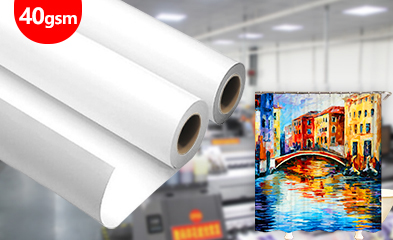
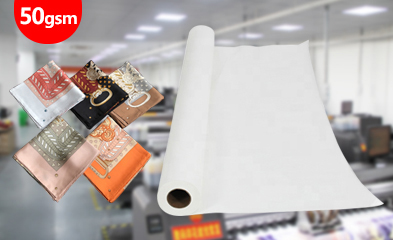
กระดาษระเหิด กระดาษซับลิเมชั่นทำหน้าที่เป็นตัวกลางที่สำคัญระหว่างผลลัพธ์จากการพิมพ์และลวดลายบนผ้า โดยจะกักเก็บสีที่พิมพ์ไว้ชั่วครู่ก่อนที่จะกลายเป็นก๊าซในกระบวนการรีดร้อน กระดาษซับลิเมชั่นหลักมีให้เลือกตั้งแต่ 29 แกรม ถึง 100 แกรม โดยมีความกว้างตั้งแต่ 61 ซม. ถึง 190 ซม. ตัวเลือกเหล่านี้ช่วยให้ผู้ใช้สามารถเลือกความหนาของกระดาษที่เหมาะสมตามความต้องการปริมาณหมึกและความเร็วในการแห้ง
สารเคลือบที่ดีจะช่วยให้หมึกซึมและปล่อยตัวได้อย่างสม่ำเสมอในการพิมพ์แบบถ่ายโอน สารเคลือบที่อ่อนแออาจทำให้ภาพพิมพ์เบลอหรือมีขอบที่ไม่เรียบ ผู้ใช้งานต้องคำนึงถึงความชื้นในห้องด้วย เนื่องจากความชื้นอาจส่งผลเสียต่อความคมชัดของการถ่ายโอนและความแม่นยำของเส้นเมื่อใช้เครื่องพิมพ์ขนาดใหญ่ในงานพิมพ์ผ้าในโรงงาน
การประเมินประสิทธิภาพของเครื่องพิมพ์ซับลิเมชั่นสมัยใหม่ในปี 2026
ความก้าวหน้าทางเทคโนโลยีได้เปลี่ยนแปลงขีดจำกัดของเครื่องพิมพ์ซับลิเมชั่นในปัจจุบัน ทั้งในด้านความแม่นยำและความเร็วอย่างต่อเนื่อง
คุณสมบัติหลักที่กำหนดนิยามของเครื่องพิมพ์ซับลิเมชั่นในปี 2026
ในปี 2026 จะมีสิ่งใหม่ๆ เกิดขึ้น เครื่องพิมพ์ ประกอบด้วยหัวพิมพ์เพียโซอิเล็กทริกขนาดเล็กที่สามารถจัดการหยดหมึกได้น้อยกว่าสี่พิโคลิตร เพื่อรายละเอียดที่คมชัดมาก ส่วนผสมของหมึกในปัจจุบันเน้นที่เม็ดสีที่หนาแน่นขึ้น แต่ยังคงการไหลที่ราบรื่นเพื่อหลีกเลี่ยงการอุดตันในการพิมพ์ปริมาณมาก เครื่องมืออัตโนมัติ เช่น ระบบล้างอัตโนมัติและเซ็นเซอร์ตรวจสอบสีในตัว ช่วยลดงานที่ต้องทำด้วยมือ ในขณะเดียวกันก็รับประกันคุณภาพที่สม่ำเสมอในการพิมพ์ปริมาณมาก
เครื่องมือบนระบบคลาวด์สำหรับการจัดการกลายเป็นเรื่องปกติไปแล้วสำหรับการเชื่อมโยงไฟล์ออกแบบข้ามอุปกรณ์และการติดตามข้อมูลการผลิตแบบเรียลไทม์จากระยะไกล ขั้นตอนเหล่านี้ช่วยเพิ่มประสิทธิภาพการทำงานสำหรับทั้งร้านค้าขนาดเล็กและผู้ผลิตรายใหญ่
การวิเคราะห์ประสิทธิภาพการผลิตและต้นทุน
หมึก การใช้งานยังคงเป็นค่าใช้จ่ายหลักในกระบวนการพิมพ์ซับลิเมชั่น ดังนั้น การจัดการหยดน้ำที่ดีขึ้นจะช่วยลดต้นทุนโดยตรงและช่วยเพิ่มรายได้ การดูแลรักษา เช่น การทำความสะอาดหัวฉีดตามเวลาที่กำหนด จะช่วยยืดอายุการใช้งานของเครื่องจักร อย่างไรก็ตาม จำเป็นต้องมีแผนการดำเนินการอย่างสม่ำเสมอเพื่อหลีกเลี่ยงค่าปรับจากการหยุดทำงาน
เมื่อพิจารณาถึงค่าใช้จ่ายเทียบกับกำลังการผลิต โรงพิมพ์ขนาดกลางมักให้ผลตอบแทนที่ดีที่สุดสำหรับบริษัทที่มุ่งเป้าไปที่ตลาดสินค้ากีฬาหรือของตกแต่งบ้าน เนื่องจากตลาดเหล่านี้มีความต้องการสินค้าตามสั่งและอุปสงค์ที่เพิ่มสูงขึ้น
ความเข้ากันได้ของวัสดุและความยืดหยุ่นในการออกแบบในการพิมพ์ผ้าสมัยใหม่
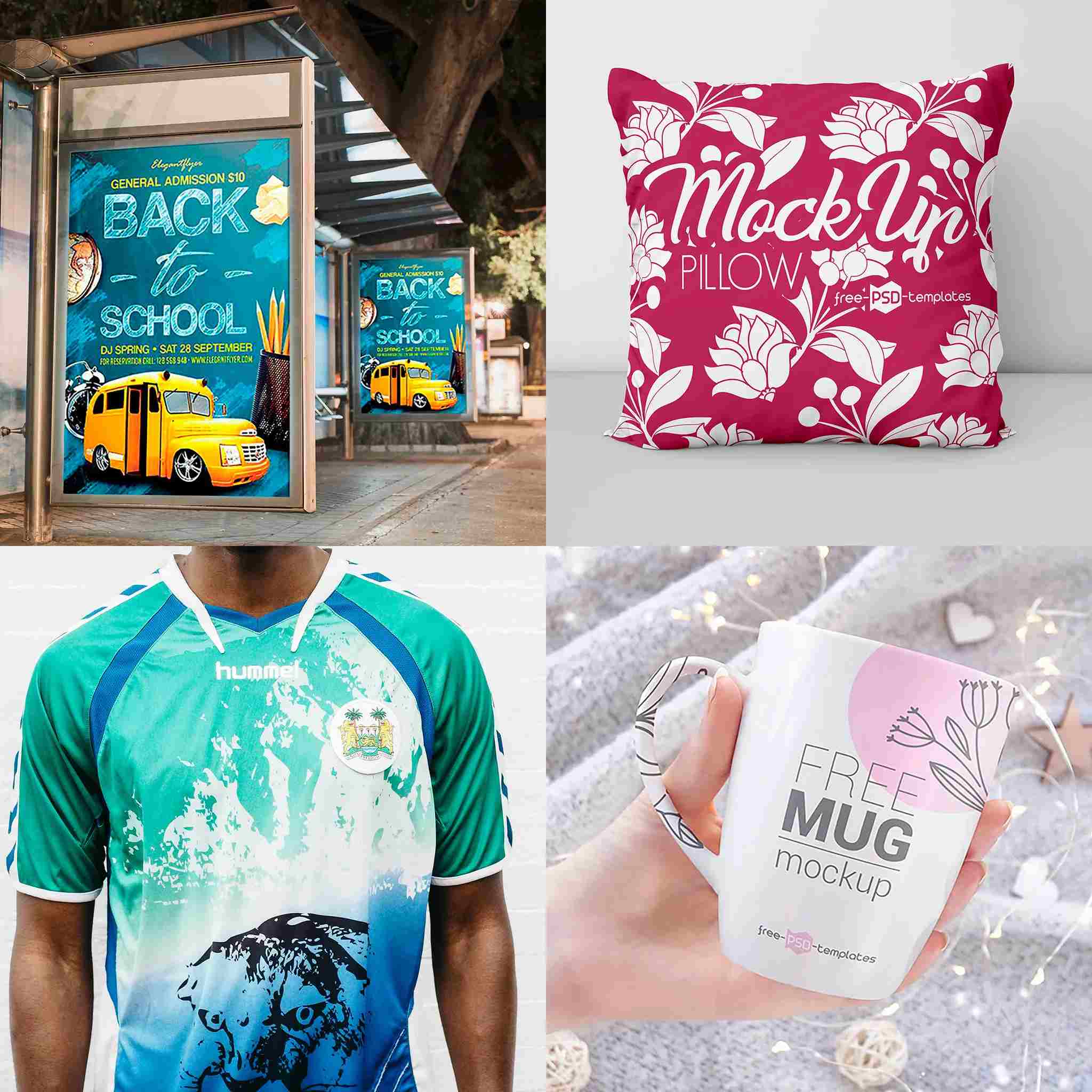
การเลือกวัสดุมีผลต่อทั้งรูปลักษณ์และความทนทานของลวดลายที่พิมพ์ด้วยระบบซับลิเมชั่น
ผ้าที่เหมาะสมสำหรับการพิมพ์ซับลิเมชั่น
ผ้าสังเคราะห์ให้สีที่สดใสที่สุดเนื่องจากโครงสร้างสายโซ่ที่เชื่อมต่อกับสีย้อมไอระเหยได้ดี เส้นใยธรรมชาติ เช่น ฝ้าย ขาดแรงดึงดูดสำหรับสีย้อมไอระเหยหากไม่มีการเคลือบเพิ่มเติม ดังนั้น ผ้าผสมกับโพลีเอสเตอร์หรือฝ้ายที่ผ่านการปรับสภาพแล้วจึงเป็นทางเลือกในบางครั้ง
สำรวจความหลากหลายของการออกแบบผ่านเทคโนโลยีการพิมพ์ซับลิเมชั่น
การพิมพ์ซับลิเมชั่นแบบดิจิทัลเปิดโอกาสทางการออกแบบมากมาย ตั้งแต่การผสมสีที่ซับซ้อนไปจนถึงการถ่ายเอกสารแบบเต็มรูปแบบโดยไม่ทำลายสัมผัสของผ้าหรือการระบายอากาศ อุตสาหกรรมต่างๆ เช่น เสื้อผ้าแฟชั่น ใช้เทคโนโลยีนี้ในการผลิตสินค้าตามฤดูกาลได้อย่างรวดเร็ว ในขณะเดียวกัน ผู้ผลิตของใช้ในบ้านก็ใช้เทคโนโลยีนี้ในการผลิตผ้าคลุมเบาะแบบสั่งทำพิเศษที่สีไม่ซีดจางแม้โดนแดด
สำหรับงานพิมพ์ระดับมืออาชีพที่ต้องการผลลัพธ์ที่สม่ำเสมอในม้วนวัสดุขนาดใหญ่ ผลิตภัณฑ์อย่างเช่นกระดาษซับลิเมชั่นของ Changfa Digital ให้ความสม่ำเสมอในการเคลือบที่แน่นอน เหมาะสำหรับสายการผลิตอัตโนมัติ
ข้อควรพิจารณาด้านสิ่งแวดล้อมในการพิมพ์แบบระเหยสี
วิธีการผลิตที่เป็นมิตรต่อสิ่งแวดล้อมได้กลายเป็นสิ่งสำคัญในการรักษาความได้เปรียบในตลาดสิ่งทอโลก
แง่มุมด้านความยั่งยืนของหมึกและวัสดุพิมพ์ซับลิเมชั่นสมัยใหม่
แตกต่างจากวิธีการย้อมสีแบบเปียกแบบเก่าที่ใช้น้ำปริมาณมากและก่อให้เกิดของเสีย การย้อมสีแบบระเหยใช้กระบวนการแห้งเพื่อลดผลกระทบต่อสิ่งแวดล้อมในขั้นตอนการย้อมสี โดยใช้ตัวทำละลายที่เป็นมิตรต่อสิ่งแวดล้อม ปลอดภัย และปลอดสารพิษ ช่วงสีที่กว้างและสีสันสดใสแสดงให้เห็นว่าหมึกผสมใหม่นี้ตอบโจทย์ทั้งด้านการทำงานและกฎระเบียบด้านสิ่งแวดล้อม โดยการลดสารเคมีที่เป็นอันตรายออกจากส่วนผสม
กระดาษรองพื้นแบบใช้ซ้ำได้ช่วยส่งเสริมเศรษฐกิจหมุนเวียน โดยสามารถนำกลับมาใช้ซ้ำได้หลายครั้งโดยไม่ทำให้ความคมชัดของงานพิมพ์ลดลง
แนวทางการประหยัดพลังงานและการลดปริมาณของเสีย
แนวคิดใหม่ๆ เช่น แผ่นที่มีการถ่ายเทความร้อนต่ำ ช่วยลดการใช้พลังงานโดยรวมต่อรอบ แต่ยังคงรักษาระดับผลผลิตที่สูงเช่นเดียวกับวิธีการแบบเดิมที่ใช้ความร้อนสูง ตัวกรองแบบวงปิดในโรงงานจะดักจับอนุภาคในอากาศจากเครื่องอัดความร้อน ซึ่งช่วยให้พื้นที่ทำงานสะอาดขึ้นและมีอัตราของเสียต่ำลง
แนวโน้มในอนาคต: การพิมพ์แบบซับลิเมชั่นยังคงเป็นตัวเลือกอันดับต้น ๆ สำหรับนักออกแบบผ้าอยู่หรือไม่?
เนื่องจากกระแสความนิยมในการปรับแต่งสินค้าตามสั่งเพิ่มขึ้นอย่างรวดเร็วผ่านเว็บไซต์ขายสินค้าออนไลน์ทั่วโลก การพิมพ์แบบซับลิเมชั่นจึงปรับตัวอย่างต่อเนื่องผ่านการผสมผสานรูปแบบต่างๆ ซึ่งเป็นการผสมผสานเม็ดสีหลากหลายชนิดเข้ากับความเงางามของสีย้อมไอระเหย
ผู้สังเกตการณ์ตลาดคาดการณ์ว่าแบรนด์ขนาดเล็กที่ต้องการทักษะการผลิตที่รวดเร็วและจำนวนน้อยจะหันมาใช้เทคโนโลยีนี้มากขึ้น ซึ่งมาพร้อมกับเครื่องมือ AI ที่สามารถปรับเฉดสีโดยอัตโนมัติให้เข้ากับผ้าชนิดต่างๆ ได้
ท้ายที่สุดแล้ว เสน่ห์ที่ยั่งยืนจะขึ้นอยู่กับการทำงานอย่างต่อเนื่องของผู้ผลิตที่ปรับปรุงการจับคู่พื้นผิว พวกเขาอาจผสมผสานเครื่องพิมพ์สองทางที่สลับระหว่างกระดาษถ่ายโอนแบบระเหิดและการไหลของสีโดยตรงในเฟรมการตั้งค่าเดียว
คำถามที่พบบ่อย
คำถามที่ 1: อะไรทำให้การพิมพ์แบบระเหิดมีความทนทานมากกว่าวิธีการพิมพ์แบบอื่นๆ?
A1: เนื่องจากสีย้อมแทรกซึมเข้าไปในโครงสร้างเส้นใยในระดับโมเลกุลภายใต้ความร้อนและความดัน แทนที่จะเกาะอยู่บนพื้นผิวเหมือนเม็ดสีหรือหมึกพลาสติซอล จึงทำให้ได้งานพิมพ์ที่ทนต่อการซัก ซึ่งเหมาะสำหรับผ้าที่ใช้ทำชุดกีฬา
คำถามที่ 2: ผ้าจากเส้นใยธรรมชาติสามารถนำมาใช้กับเทคนิคการพิมพ์ซับลิเมชั่นได้อย่างประสบความสำเร็จหรือไม่?
A2: ผ้าฝ้ายหรือผ้าไหมแท้ไม่สามารถดูดซับสีย้อมในรูปก๊าซได้อย่างมีประสิทธิภาพหากไม่มีการเคลือบด้วยโพลิเมอร์พิเศษ ผ้าผสมที่มีโพลีเอสเตอร์เป็นส่วนประกอบให้ผลลัพธ์ที่เหนือกว่ามาก โดยยังคงรายละเอียดที่คมชัดกว่าหลังจากการซักหลายครั้ง
คำถามที่ 3: หมึกพิมพ์ที่เป็นมิตรต่อสิ่งแวดล้อมมีส่วนช่วยในการผลิตสิ่งทออย่างยั่งยืนได้อย่างไร?
A3: กระดาษชนิดนี้กำจัดตัวทำละลายที่เป็นอันตรายซึ่งพบในสูตรการผลิตแบบเก่า ในขณะเดียวกันก็ให้ประสิทธิภาพการแสดงผลสีที่สดใส นอกจากนี้ กระดาษที่รีไซเคิลได้ยังช่วยลดปริมาณขยะในหลุมฝังกลบ ซึ่งสอดคล้องกับมาตรฐานการผลิตที่เป็นมิตรต่อสิ่งแวดล้อมที่ได้รับการยอมรับทั่วโลกในปัจจุบัน
คำถามที่ 4: ธุรกิจขนาดเล็กควรพิจารณาอะไรบ้างก่อนลงทุนซื้อเครื่องพิมพ์ซับลิเมชั่น?
A4: ประเมินปริมาณการผลิตที่คาดการณ์ไว้เทียบกับความเร็วในการพิมพ์ของเครื่องพิมพ์และโครงสร้างต้นทุนการบำรุงรักษา Changfa ดิจิตอล นำเสนอผลิตภัณฑ์ที่สมดุลระหว่างราคาที่เหมาะสมและผลลัพธ์ระดับมืออาชีพ เหมาะสำหรับองค์กรที่กำลังเติบโตและต้องการความสามารถในการปรับแต่งที่ยืดหยุ่น


