


ข้อมูลเชิงลึกที่สำคัญเกี่ยวกับการจับคู่หมึก กระดาษ และเครื่องพิมพ์สำหรับสายการผลิต
ขายร้อน
การประยุกต์ใช้งาน
Phone:+86-15215969856 E-Mail: 396838165@qq.com
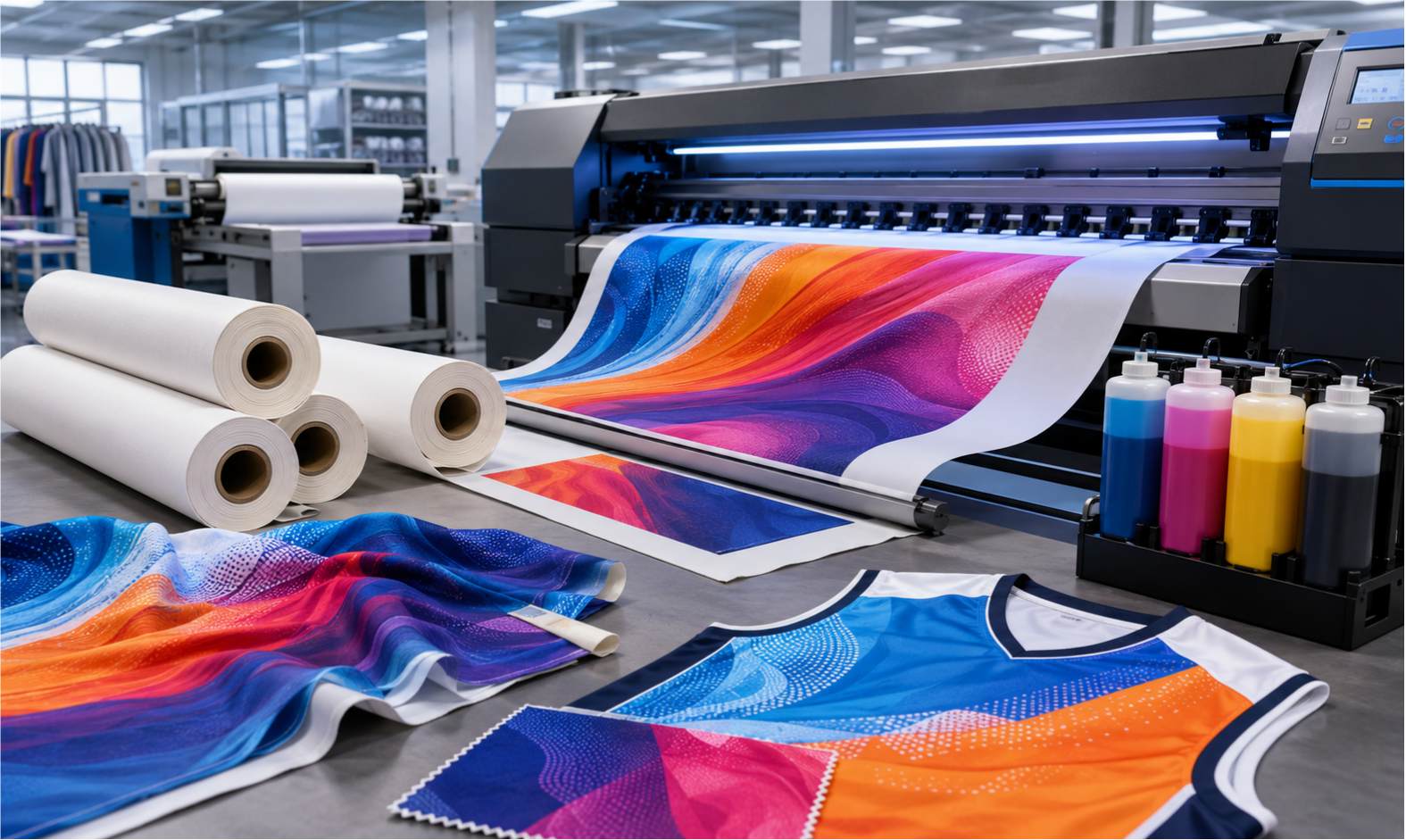
ในกระบวนการผลิตสิ่งทอแบบซับลิเมชั่น เครื่องพิมพ์ หมึก และกระดาษ มักถูกระบุราคาแยกกัน แต่ในโรงงาน พวกมันทำงานเหมือนเป็นระบบเดียวกัน เครื่องพิมพ์ทำงานด้วยความเร็วและความกว้างที่กำหนด หมึกมีคุณสมบัติการไหล ความหนาแน่น และความพอดีของหัวพิมพ์ กระดาษต้องสามารถลำเลียงหมึก แห้งทันเวลา คงรูปทรงเรียบ และปล่อยสีออกมาได้อย่างสะอาดหมดจดในระหว่างการถ่ายโอนความร้อน
จะเกิดอะไรขึ้นเมื่อเครื่องพิมพ์ หมึก และกระดาษไม่เข้ากัน?
หมึกที่ไม่เข้ากันอาจทำให้เกิดปัญหาที่หัวฉีด
หมึก ไม่ควรเลือกแค่สีหรือราคาเท่านั้น ต้องเลือกให้เหมาะสมกับหัวพิมพ์ด้วย สายการผลิตที่ใช้หัวพิมพ์ Epson I3200 อาจไม่ต้องการหมึกพิมพ์เท่ากับสายการผลิตที่ใช้หัวพิมพ์ Epson 5113, Kyocera หรือ DX-series เสมอไป
หมึกผิดประเภทอาจทำให้หัวฉีดอุดตัน เส้นพิมพ์ขาดหาย สีดำจาง สีเพี้ยน หรือผลลัพธ์ไม่คงที่หลังจากพิมพ์ไปหลายชั่วโมง ปัญหาเหล่านี้อาจไม่ปรากฏให้เห็นในตัวอย่างสั้นๆ มักจะเกิดขึ้นในระหว่างการพิมพ์ต่อเนื่อง ซึ่งโรงงานมีเวลาน้อยที่สุดในการหยุดการทำงาน
ค่า GSM ของกระดาษที่ไม่เหมาะสมอาจส่งผลต่อการแห้งและการถ่ายโอน
กระดาษ ค่า GSM ต้องเหมาะสมกับความเร็วในการพิมพ์ ปริมาณหมึก เนื้อผ้า และความชื้น กระดาษที่มีค่า GSM ต่ำอาจช่วยให้พิมพ์ได้เร็วขึ้นและใช้งานได้นานขึ้น แต่ก็ต่อเมื่อปริมาณหมึกและการแห้งตัวอยู่ในระดับที่ควบคุมได้ กระดาษที่มีค่า GSM สูงกว่าอาจใช้งานได้ดีกว่าสำหรับงานพิมพ์ที่ต้องการความครอบคลุมสูง แต่ก็ไม่ใช่คำตอบที่ดีที่สุดสำหรับทุกงาน
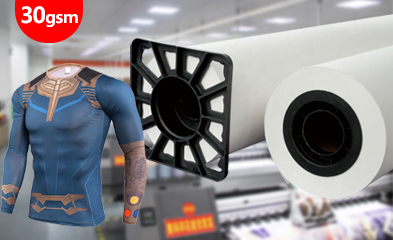
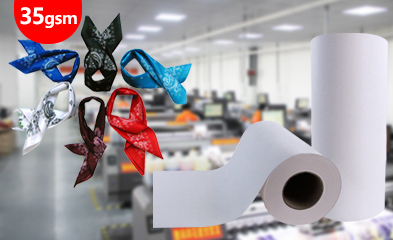
Changfa Digital นำเสนอ กระดาษซับลิเมชั่นตั้งแต่ 29 แกรม ถึง 100 แกรม ทำให้ผู้ซื้อสามารถทดลองใช้กระดาษที่มีน้ำหนักต่างกันสำหรับการทำตัวอย่าง การพิมพ์สิ่งทอทั่วไป สิ่งทอสำหรับใช้ในบ้าน และลวดลายหมึกที่หนาขึ้นได้
ความกว้างที่ไม่ตรงกันทำให้เกิดของเสียหรือข้อจำกัดในการผลิต
เครื่องพิมพ์ ควรตรวจสอบความกว้างของเครื่องพิมพ์ ความกว้างของม้วนกระดาษ ความกว้างของผ้า และความกว้างของเครื่องรีดร้อนไปพร้อมกัน เครื่องพิมพ์ขนาด 1900 มม. จะไม่ค่อยมีประโยชน์หากผู้ซื้อไม่สามารถหาซื้อกระดาษที่ตรงกันได้ หรือใช้เครื่องรีดร้อนที่มีความกว้างน้อยกว่า ความยาวของม้วน ขนาดแกน วิธีการบรรจุ และความพร้อมในการผลิตซ้ำก็มีความสำคัญเช่นกัน
ผู้ซื้อควรเลือกใช้กระดาษซับลิเมชั่นให้เหมาะสมกับความเร็วของเครื่องพิมพ์และชนิดของผ้าอย่างไร?
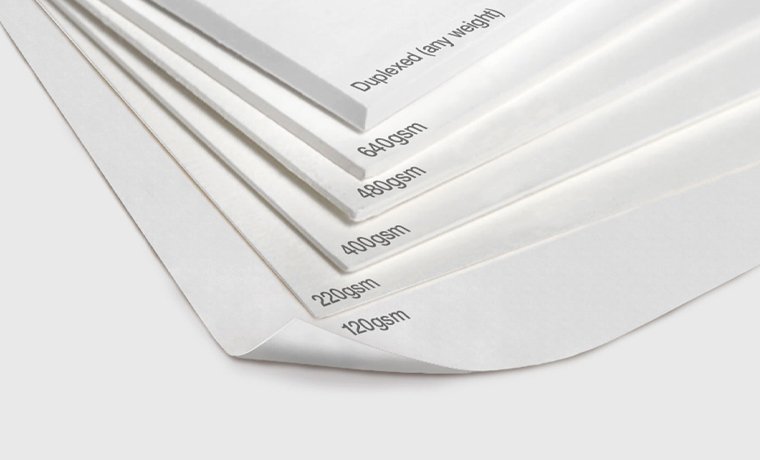
กระดาษ GSM ต่ำช่วยให้พิมพ์ได้เร็ว แต่ก็ยังต้องการการควบคุมอยู่ดี
กระดาษน้ำหนักเบา เช่น 29 แกรม 33 แกรม และ 38 แกรม เหมาะสำหรับการพิมพ์งานจำนวนน้อยและงานพิมพ์แบบม้วนยาว อย่างไรก็ตาม ควรทดสอบด้วยปริมาณหมึกจริงและความชื้นในห้องปฏิบัติการด้วย
โรงงานผลิตกระดาษขนาดกลาง GSM สำหรับการผลิตสิ่งทอทั่วไป
กระดาษที่มีความหนาประมาณ 40 แกรม 50 แกรม และ 60 แกรม มักใช้งานง่ายกว่าสำหรับงานพิมพ์สิ่งทอแบบผสม สามารถรองรับการพิมพ์ชิ้นส่วนเสื้อผ้า ผ้าโพลีเอสเตอร์ สิ่งทอสำหรับใช้ในบ้าน และป้ายผ้าได้ เมื่อตั้งค่าความเร็วเครื่องพิมพ์และระบบอบแห้งอย่างเหมาะสม
วุฒิบัตร GSM ระดับสูงช่วยให้ได้งานที่มั่นคงในบางสาขา
กระดาษที่มีความหนา เช่น กระดาษ 70 แกรม, 90 กรัมหรือกระดาษ 100 แกรม อาจมีประโยชน์เมื่อออกแบบโดยใช้หมึกที่มีความหนาแน่นสูง หรือเมื่อผู้ใช้งานต้องการการควบคุมที่ดีกว่าระหว่างการถ่ายโอน มันเป็นอีกทางเลือกหนึ่งสำหรับงานเฉพาะ ไม่ใช่การอัพเกรดที่ครอบคลุมทุกงาน
กระดาษทิชชูช่วยให้การถ่ายโอนสะอาดขึ้น
กระดาษทิชชู่สำหรับป้องกันมักถูกมองข้ามไปจนกว่าจะเกิดคราบสกปรกหรือรอยพิมพ์ย้อนกลับ สำหรับงานพิมพ์ต่อเนื่อง กระดาษทิชชู่จะช่วยให้กระบวนการพิมพ์ด้วยความร้อนสะอาดขึ้นและปกป้องพื้นผิวของเครื่องรีด Changfa Digital ยังมีกระดาษป้องกันสำหรับงานพิมพ์สิ่งทอจำนวนมากอีกด้วย
ผู้ซื้อควรเลือกหมึกพิมพ์ซับลิเมชั่นอย่างไรให้เหมาะสมกับเครื่องพิมพ์แต่ละประเภท?
เครื่องพิมพ์ระบบซับลิเมชั่นสำหรับสิ่งทอส่วนใหญ่ใช้หมึก CMYK สำหรับผ้าโพลีเอสเตอร์ เสื้อผ้ากีฬา ป้ายผ้า และสิ่งทอสำหรับใช้ในบ้าน ผู้ซื้อควรตรวจสอบสี ความลื่นไหล การปกปิดสีดำ และความเข้ากันได้กับหัวพิมพ์แต่ละรุ่น
หมึกพิมพ์ซับลิเมชั่นของ Changfa Digital มีให้เลือกหลายสี ได้แก่ CY, MG, YL และ BK นอกจากนี้ ข้อมูลหมึกยังระบุว่ามีรุ่นสำหรับเครื่องพิมพ์ Epson I3200 แบบ 2-4 หัวฉีด, รุ่น I3200 ที่ให้ผลผลิตสูงกว่า และหัวพิมพ์ Atexco Kyocera ด้วย การเลือกหมึกควรเริ่มต้นจากหัวพิมพ์ ไม่ใช่ราคาขวดหมึก
ผู้ซื้อควรเลือกเครื่องพิมพ์ให้ตรงกับความต้องการในการผลิตอย่างไร?
CF-2000 เหมาะสำหรับงานตัวอย่างและงานสิ่งทอจำนวนน้อย
สายการผลิตใหม่มักต้องการการลงทุนที่ควบคุมได้และตัวอย่างที่คงที่ Changfa ดิจิตอล’เครื่องพิมพ์ CF-2000 เหมาะสำหรับผู้ซื้อประเภทนี้ ใช้หัวพิมพ์ EPSON I3200-A1 สองหัว ทำงานในขนาดความกว้าง 1900 มม. และมีความเร็ว 105 ตารางเมตร/ชั่วโมง ในโหมด 2-PASS สำหรับห้องตัวอย่างและโรงพิมพ์สิ่งทอขนาดเล็ก เครื่องนี้ก็เพียงพอที่จะเริ่มต้นทำงานได้โดยไม่ต้องแบกรับภาระการบำรุงรักษาที่สูง ควรใช้ร่วมกับหมึกพิมพ์ระเหิด CMYK ที่เข้ากันได้กับ I3200 และกระดาษแห้งเร็วที่เลือกตามประเภทของผ้า
CF-3000 รองรับการเติบโตของคำสั่งพิมพ์สิ่งทอ
เมื่อปริมาณการสั่งซื้อมีความสม่ำเสมอมากขึ้น ความเร็วก็จะเริ่มมีความสำคัญ เครื่องพิมพ์ CF-3000 ใช้หัวพิมพ์ EPSON I3200-A1 จำนวน 3 หัว และมีหน้ากว้างใช้งาน 1900 มม. ความเร็วในการผลิตอยู่ที่ 162 ตารางเมตร/ชั่วโมง ในโหมด 2-PASS, 109 ตารางเมตร/ชั่วโมง ในโหมด 3-PASS และ 82 ตารางเมตร/ชั่วโมง ในโหมด 4-PASS แนวทางนี้เหมาะสำหรับลูกค้าในกลุ่มสินค้าที่กำลังเติบโต เช่น เสื้อผ้ากีฬา ผ้าแฟชั่น และสิ่งทอสำหรับใช้ในบ้าน ผู้ซื้อควรให้ความสำคัญกับการไหลของหมึกและการแห้งของกระดาษมากขึ้น เนื่องจากเครื่องพิมพ์มีการผลิตงานพิมพ์จำนวนมากขึ้นทุกวัน
รุ่น CF-6000 และรุ่นความเร็วสูง เหมาะสำหรับการผลิตจำนวนมากและแบบม้วนยาว
สำหรับงานพิมพ์สิ่งทอขนาดใหญ่ ป้ายผ้า และงานพิมพ์แบบม้วนยาว เครื่องพิมพ์ที่มีกำลังการผลิตสูงกว่าจึงเหมาะสมกว่า CF-6000 ใช้หัวพิมพ์ Epson 5113 จำนวน 6 หัว พิมพ์ได้เร็ว 200 ตารางเมตรต่อชั่วโมง (1-PASS) นอกจากนี้ยังรองรับระบบจ่ายหมึกต่อเนื่อง ระบบแจ้งเตือนหมึกหมด ระบบทำความสะอาดและบำรุงรักษาหัวพิมพ์ ระบบป้องกันการชน ระบบรางนำ และระบบลูกกลิ้งกด
ในระดับนี้ เครื่องพิมพ์ความเร็วสูงต้องการกระดาษที่สามารถดูดซับและแห้งตัวได้ดี รวมถึงหมึกที่สามารถไหลได้อย่างราบรื่นเป็นเวลานาน
ผลิตภัณฑ์ประเภทใดที่เหมาะสมกับสายการผลิตสิ่งทอแต่ละประเภท?
|
ประเภทสายการผลิต |
ทิศทางการพิมพ์ |
ทิศทางหมึก |
ทิศทางของกระดาษ |
จุดสนใจของผู้ซื้อ |
|
การสุ่มตัวอย่างและการผลิตเสื้อผ้าจำนวนน้อย |
CF-2000 |
หมึก CMYK มาตรฐานสำหรับ I3200 |
กระดาษซับลิเมชั่นแห้งเร็ว |
ควบคุมต้นทุนได้ดี ตัวอย่างมีเสถียรภาพ บำรุงรักษาง่าย |
|
การเติบโตของอุตสาหกรรมชุดกีฬาหรือการพิมพ์ผ้า |
CF-3000 |
หมึกที่เสถียรและเข้ากันได้กับมาตรฐาน I3200 |
กระดาษที่เหมาะสำหรับงานพิมพ์ 2 รอบ และ 3 รอบ |
ความเร็ว ความสม่ำเสมอของสี ความเสถียรของล็อตการผลิต |
|
การผลิตสิ่งทอจำนวนมากและการผลิตแบบม้วนยาว |
CF-6000 หรือรุ่นความเร็วสูง |
หมึกที่มีความลื่นไหลสูง |
กระดาษม้วนยาวขนาดใหญ่ พร้อมกระดาษทิชชู่ |
การพิมพ์ต่อเนื่อง, การควบคุมการจ่ายหมึก, การป้องกันหัวพิมพ์ |
|
กลุ่มผลิตภัณฑ์ของผู้จัดจำหน่าย |
เครื่องพิมพ์ หมึก กระดาษ เครื่องถ่ายโอนความร้อน |
ตัวเลือกแบบมาตรฐานและแบบความหนาแน่นสูง |
กระดาษ 29–100 แกรม ที่มีหน้ากว้างทั่วไป |
ขยายฐานลูกค้าและเพิ่มจำนวนการสั่งซื้อซ้ำ |
ผู้ซื้อควรตรวจสอบอะไรบ้างก่อนซื้อหมึกพิมพ์ กระดาษ และเครื่องพิมพ์พร้อมกัน?
ตรวจสอบรุ่นหัวพิมพ์ก่อนเลือกหมึก
โปรดสอบถามรุ่นหัวพิมพ์ที่แน่นอน เครื่องพิมพ์ Epson I3200, Epson 5113, Kyocera, DX4, DX5 และ DX7 อาจต้องการหมึกพิมพ์ที่แตกต่างกัน
จับคู่ความกว้างของกระดาษกับ ที่ เครื่องพิมพ์และเครื่องถ่ายโอนความร้อน
ตรวจสอบความกว้างของเครื่องพิมพ์ ความกว้างของม้วนกระดาษ ความกว้างของผ้า และความกว้างของปฏิทินก่อนสั่งซื้อสินค้าจำนวนมาก เพื่อหลีกเลี่ยงการสิ้นเปลืองและปัญหาการป้อนกระดาษ
กระดาษทดสอบ GSM กับผ้าจริง
ในการทดสอบ ให้ใช้ผ้าโพลีเอสเตอร์แท้ ผ้าสำหรับชุดกีฬา ผ้ายืด หรือผ้าสำหรับป้ายโฆษณาของผู้ซื้อ ผลลัพธ์จากตัวอย่างในโรงงานอื่นอาจไม่เหมือนกันในสายการผลิตใหม่เสมอไป
สอบถามเกี่ยวกับความเสถียรของอุปทานและบริการหลังการขาย
สำหรับผู้จัดจำหน่ายและผู้ซื้อโครงการ การจัดหาอย่างต่อเนื่องและสม่ำเสมอเป็นสิ่งสำคัญ ควรหารือเกี่ยวกับปริมาณการสั่งซื้อขั้นต่ำ (MOQ), บรรจุภัณฑ์แบบ OEM หรือ ODM, การทดสอบตัวอย่าง, ขนาดม้วน, ชิ้นส่วนอะไหล่, การจัดส่ง และบริการหลังการขาย ก่อนยืนยันคำสั่งซื้อ
คำถามที่พบบ่อย
คำถามที่ 1: หมึกพิมพ์ซับลิเมชั่นชนิดเดียวสามารถใช้ได้กับเครื่องพิมพ์ทุกเครื่องหรือไม่?
A1: ไม่ปลอดภัย ผู้ซื้อควรตรวจสอบรุ่นหัวพิมพ์ ความลื่นไหลของหมึก ความเร็วของเครื่องพิมพ์ และการตั้งค่าหัวฉีดก่อนสั่งซื้อ หมึกชนิดหนึ่งอาจใช้ได้ดีกับเครื่องหนึ่ง แต่อาจทำให้เกิดการอุดตัน การเปลี่ยนสี หรือผลลัพธ์ที่ไม่เสถียรในอีกเครื่องหนึ่ง
Q2: ผู้ซื้อควรเลือกค่า GSM ของกระดาษซับลิเมชั่นสำหรับการสั่งซื้อจำนวนมากอย่างไร?
A2: ควรเลือกค่า GSM ให้เหมาะสมกับความเร็วของเครื่องพิมพ์ ปริมาณหมึก ชนิดของผ้า ความชื้น และวิธีการถ่ายโอน กระดาษที่มีค่า GSM ต่ำจะช่วยให้พิมพ์ได้เร็วขึ้น ในขณะที่กระดาษที่มีค่า GSM สูงกว่าจะช่วยให้พิมพ์งานที่มีความละเอียดสูงได้ดีขึ้น หรือช่วยให้การใช้งานมีความเสถียรมากขึ้น Changfa Digital มีกระดาษที่มีค่า GSM หลากหลายให้เลือกใช้
คำถามที่ 3: การซื้อเครื่องพิมพ์ หมึก และกระดาษจากผู้จำหน่ายรายเดียวกัน ดีกว่าหรือไม่?
A3: สำหรับผู้ซื้อและผู้จัดจำหน่ายแบบ B2B การทดสอบและการบริการหลังการขายมักจะง่ายขึ้น ซัพพลายเออร์สามารถช่วยจับคู่การตั้งค่าเครื่องพิมพ์ ประเภทหมึก กระดาษ GSM ความกว้างของม้วนกระดาษ และสภาวะการถ่ายโอนได้ ควรตรวจสอบปริมาณการสั่งซื้อขั้นต่ำ (MOQ) และการปรับแต่งเพิ่มเติมตามผลิตภัณฑ์และแผนการสั่งซื้ออีกครั้ง


