


HOT SALE
APPLICATION
Phone:+86-15215969856 E-Mail: 396838165@qq.com

When marks keep showing up in heat transfer production, buyers usually check the ink, fabric, temperature, pressure, and speed first. Those checks matter. Still, one quiet layer in the stack often decides whether a shift runs cleanly or stops for wiping, rework, and sample arguments: sublimation protective tissue paper. For textile factories and distributors, sublimation protective paper is not just a disposable sheet. It helps keep residue, lint, and excess dye away from machine surfaces, so bulk jobs stay easier to control.
The bigger the order, the less room there is for small contact problems. A few dull marks on trial fabric may look manageable, but the same mark repeated across hundreds of meters can turn into a delivery dispute. That is why many buyers treat the protective layer as part of the production system, alongside sublimation transfer paper, heat press paper, and the heat transfer machine itself.
Why Do Heat Transfer Lines Need a Protective Layer?
A heat transfer line puts several materials under heat, pressure, and continuous contact. The stack may include printed transfer paper, fabric, carrier materials, belts, blankets, rollers, and protective layers. If one layer sheds dust, holds extra ink, or rubs against the machine surface, the result is rarely limited to one piece. The problem follows the line until someone stops production and cleans it.
Residue, Lint, and Coating Dust in the Transfer Stack
During continuous production, fine lint and coating dust can move through the transfer stack and settle on blankets or rollers. Extra dye can also migrate when the ink load is high or when the fabric surface is uneven. A stable sublimation protective paper layer gives those particles a controlled contact surface instead of letting them reach the machine surface directly.
For a buyer, that means the question is not only whether the paper is cheap. It is whether the roll stays clean, smooth, and stable enough for the heat transfer machine that will run it every day. Changfa Digital supplies textile transfer materials and related equipment for production teams that need this kind of material matching before repeat orders.
Small Contact Marks Can Become Batch-Level Waste
A faint line, grey shadow, or repeated dot may not look serious during a quick sample check. In bulk transfer work, however, the same defect repeats with the machine cycle, roll contact point, or fabric feed direction. Once that happens, rejected meters, operator downtime, and urgent cleaning can cost more than the protective paper itself.
This is why sublimation protective paper belongs in the same purchasing discussion as ink, fabric, and heat press paper. It works as a buffer between the valuable printed or textile surface and the machine parts that are expensive to stop, clean, or replace. Buyers who ignore that layer often discover the issue only after the first long run.
What Problems Can Sublimation Protective Paper Help Control?
Protective paper cannot fix every transfer defect. Wrong temperature, weak ink compatibility, poor fabric preparation, or unstable pressure still need separate correction. Its role is more practical: it reduces direct contamination and contact marks that appear when production materials move through the heated stack for long periods.
Ink Offset and Roller or Blanket Buildup
Ink offset usually shows up when excess dye or coating residue reaches the wrong surface. Once residue touches a blanket or roller, it can transfer again onto later fabric. In busy workshops, operators may keep wiping the same area without solving the material cause. A suitable sublimation protective paper layer can catch part of that transfer risk before it becomes roller or blanket buildup.
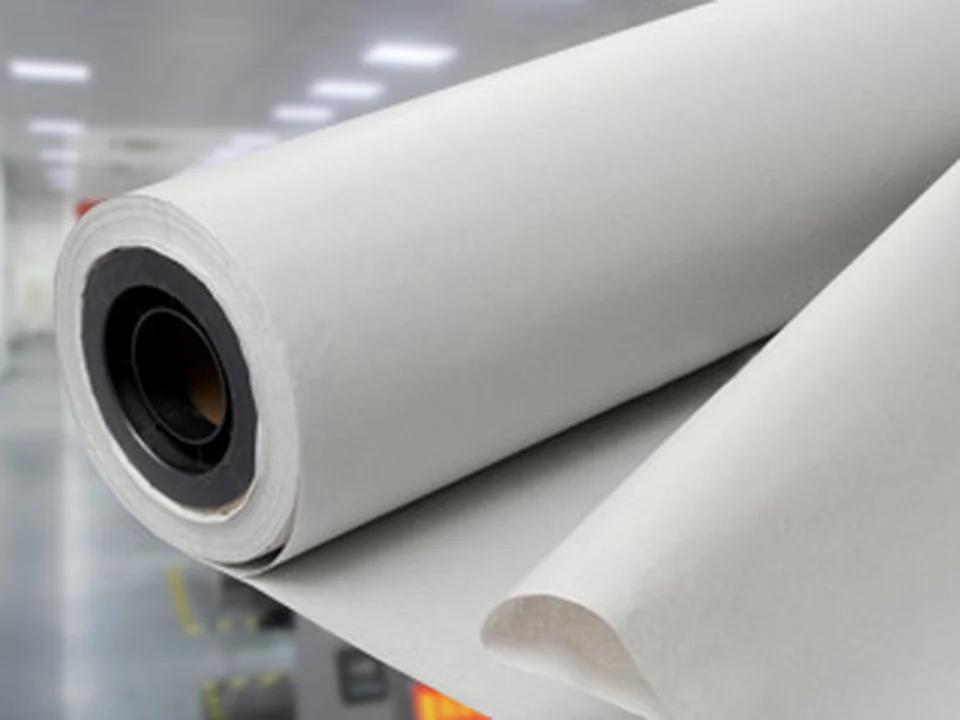
This matters most in repeat work, where the same pattern, fabric, and temperature setting run for hours. If protective paper begins to wrinkle, tear, shed dust, or lose smooth contact, it can create the very problem it was meant to prevent. Buyers should test roll stability under the actual heat, pressure, speed, and width of the production line, not only by touching a sample sheet at the desk.
Fabric Surface Marks and Repeat Cleaning Stops
Surface marks also come from uneven contact. A protective layer with inconsistent thickness or rough texture can leave pressure traces on sensitive polyester fabrics. On the other hand, a smoother and cleaner heat transfer paper support layer helps operators keep the transfer path more predictable. The goal is not a perfect-looking roll in storage; the goal is fewer interruptions on the machine.
Cleaning stops create hidden cost. Each stop breaks the rhythm of feeding, alignment, quality checking, and packing. If the order is time-sensitive, that stop may also push the production team into rushed adjustments. Good purchasing teams therefore ask how the protective paper behaves during long machine runs, not only what the initial procurement cost looks like on a quotation sheet.
How Should Buyers Choose Protective Paper for Different Production Jobs?
A useful protective paper choice starts with the job, not with a generic specification. Garment panels, scarves, rolls of polyester fabric, home textile pieces, and sample-room work may need different widths, roll lengths, and handling behavior. Before buying in bulk, buyers should connect the protective layer to the actual transfer method and machine setup.
Roll Width Should Match the Heat Transfer Machine
Width matching sounds simple, but it is a common source of waste. If the roll is too narrow, the edge area may be exposed. If it is much wider than the fabric or transfer area, the workshop pays for unused material and may face tracking issues. When buyers compare a new heat transfer machine, they should confirm the working width, fabric width, roll diameter, core size, and tension behavior together.
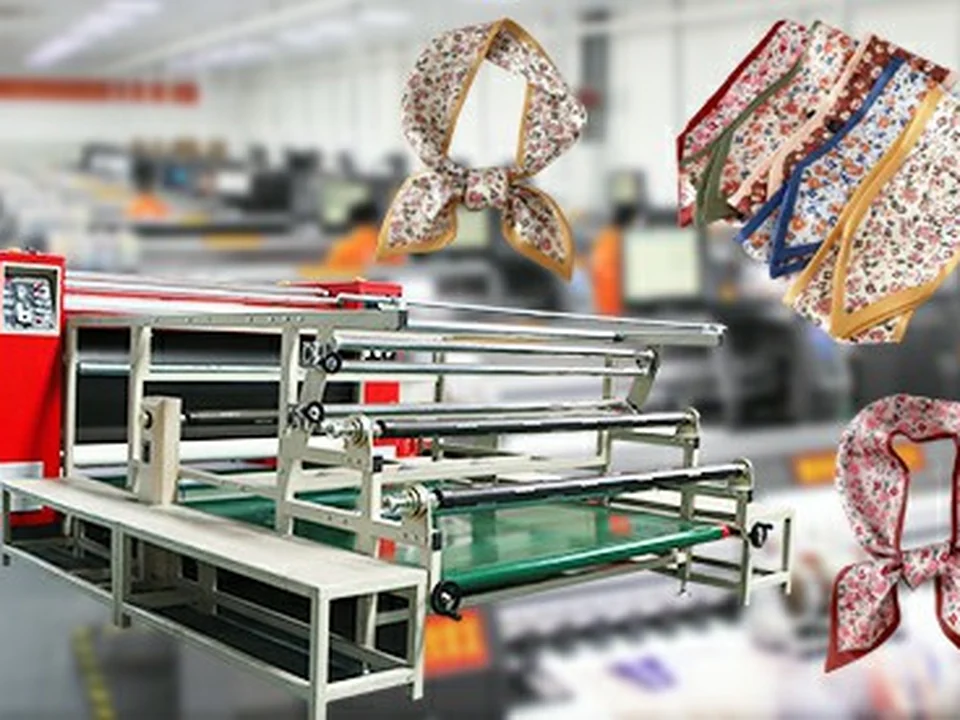
The same rule applies when a distributor stocks multiple widths for different customers. A factory running narrow garment panels does not need the same protective paper plan as a factory running wide home textile fabric. A practical supplier conversation should cover order type, machine width, transfer speed, and the defect the buyer is trying to control.
Smoothness, Dust Level, Heat Resistance, and Roll Stability Matter Together
Smoothness helps reduce contact marks, but it is only one part of the decision. The paper also needs low dust, steady winding, clean edges, and enough heat resistance for repeated production conditions. A roll that looks acceptable at room temperature can behave differently under heat and pressure, especially when the operator runs at higher speed.
For grey or specialized protective applications, buyers can compare sample performance with grey protective paper options and check whether the surface, thickness, and winding suit the intended textile work. The safer buying habit is to test the material stack as one production set instead of approving each consumable separately.
How Should Protective Paper Work With Sublimation Transfer Paper and Heat Press Paper?
Transfer quality depends on the full material stack. Sublimation protective paper may sit near the fabric, belt, or machine surface, while sublimation transfer paper carries the printed design. Heat press paper may also be used in different production workflows. If these materials are bought from different sources without testing them together, small compatibility issues can appear only during production.
Testing Should Use the Same Ink Load, Fabric, Temperature, Pressure, and Speed
A useful test does not change five variables at once. Buyers should run the same ink load, same polyester fabric, same temperature, same pressure, and same machine speed when comparing sublimation protective paper. The same habit should be used when choosing sublimation transfer paper, because transfer paper and protective layers share the same production environment even when their jobs are different.
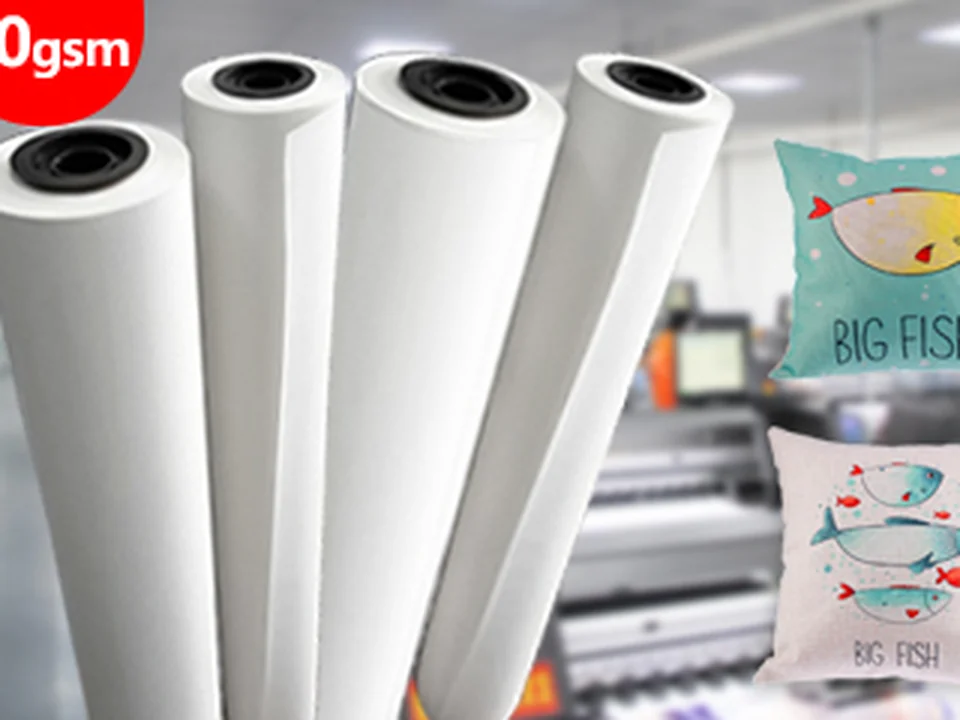
This is especially important for factories that produce repeated colorways or long fabric runs. A sample that works for ten pieces may still fail during a long order if paper tension changes, dust collects, or machine surfaces heat unevenly. Buyers should ask for enough sample material to test real running time, not only a small cut sheet.
Protective Paper Works Better as a Production-Control Layer
Treating protective paper as a generic consumable often leads to the cheapest roll being selected first. Treating it as a production-control layer changes the buying logic. The buyer asks which paper reduces cleaning stops, protects the transfer path, supports stable feeding, and fits the actual defect pattern seen in the workshop.
Heat press paper and protective paper are sometimes discussed loosely in purchasing conversations, but the terms should not be mixed without checking use position and operating conditions. If a workshop uses both, each material should be tested in its own position in the stack. That keeps quotation comparison clear and prevents a low-cost substitute from causing higher waste later.
What Should B2B Buyers Confirm Before Bulk Orders?
Bulk orders should be approved after the buyer understands the defect type, machine setup, fabric, transfer method, packing needs, and sample results. A clean quotation is useful, but it cannot replace production testing. The best supplier discussion starts with the factory problem and then moves into roll specifications.
Machine Width, Fabric Type, and Operating Conditions Should Be Clear
Before confirming a bulk purchase, buyers should prepare the machine working width, fabric type, usual temperature range, running speed, pressure setting, roll length preference, and packing requirements. These details help the supplier avoid recommending a roll that looks acceptable on paper but does not fit the production floor.
Defect history is also useful. If the factory sees repeated grey marks, lint, edge contamination, or blanket buildup, that information points the conversation toward the right test. If the buyer only asks for a general heat transfer paper quotation, the supplier may miss the real production issue.
Sample Testing Should Come Before Final Approval
A sample test should include the planned fabric, printed transfer design, protective layer, machine settings, and inspection standard. Buyers who need coordinated advice can send the application, width, defect photos, and sample expectations through Contact Us before confirming a repeat order. That gives both sides a clearer basis for width, roll type, packing, and production trial quantity.
Distributors can use the same checklist when serving multiple print shops. It helps them recommend protective paper by production case rather than by initial procurement cost. Over time, that reduces after-sales questions because the material has already been matched to the customer’s machine and fabric conditions.
Conclusion
Sublimation protective paper matters because it sits where small production problems often begin: between heat, pressure, fabric, printed paper, and machine contact. When it is chosen well, it can help reduce transfer marks, roller or blanket contamination, cleaning stops, and avoidable rejection during bulk heat transfer work.
For B2B buyers, the practical step is to test the whole material stack. Match the protective layer with the heat transfer machine, sublimation transfer paper, heat press paper, fabric type, and real running conditions. A lower upfront cost is useful only when the roll also supports stable production. Buyers preparing a new order should share machine width, application, defect photos, and sample testing needs so the supplier can recommend a cleaner path to repeat production.
FAQs
Q1: Is sublimation protective paper the same as sublimation transfer paper?
A1: No. Sublimation transfer paper carries the printed design, while sublimation protective paper is mainly used as a protective contact layer in the heat transfer stack. The exact position depends on the machine and production method.
Q2: How many times should buyers test protective paper before bulk ordering?
A2: Buyers should test it under real production conditions, including the same fabric, ink load, speed, temperature, pressure, and machine width. One short sample is rarely enough for long-roll production decisions.
Q3: Can heat press paper replace protective paper in every job?
A3: Not always. Heat press paper and protective paper may have different use positions and performance requirements. Buyers should confirm the application, temperature, contact surface, and defect type before substituting one material for another.


