


HOT SALE
APPLICATION
Phone:+86-15215969856 E-Mail: 396838165@qq.com

Fabric sublimation printing is getting more attention from fabric suppliers, garment makers, and small apparel brands. The reason is simple. Many orders are no longer large and fixed like before. Buyers want more patterns, faster samples, smaller batches, and better color after washing.
Understanding Fabric Sublimation Printing
The Fundamentals of Sublimation Printing Technology
Fabric sublimation printing is a digital printing method used mainly on polyester-based fabrics. It uses heat, pressure, sublimation ink, transfer paper, and the right fabric surface to move a design onto the material.
Key Components Involved in Sublimation Printing
A full sublimation printing setup needs several parts. The main ones are sublimation ink, sublimation paper, polyester fabric, a printer, and a heat press machine.
Sublimation ink affects the final color directly. Good ink should print smoothly, avoid clogging, and transfer cleanly under heat. The sublimation ink has a wide color gamut and vivid color. After transferring, the professional black of sublimation ink can also show stronger black coverage. The fabric also matters. Polyester fabrics and polymer-coated materials usually hold color better.
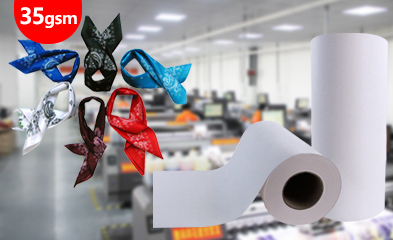
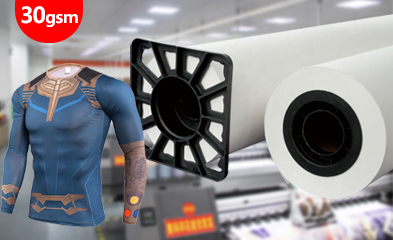
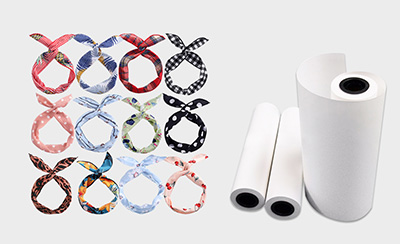
Then comes sublimation paper. Poor transfer paper may cause uneven ink absorption, weak release, blurred edges, or ghosting. A good sublimation paper should take ink evenly and release it well during heat transfer. Changfa Digital is the professional sublimation paper manufacturer and supplies the digital printing service for 15+ years. It is the factory for sublimation papers, from base paper to make coatings and slitting and shipping to all of the world.
Advantages Driving the Popularity of Fabric Sublimation Printing in 2026
For fabric businesses, sublimation printing is not only about nice colors. It also affects order handling, sample speed, product range, and production cost.
Superior Print Quality and Color Vibrancy
Sublimation printing can show clear lines, gradients, photo-style images, and full-color designs. Since the dye enters the fibers, the finished print does not feel stiff.
This is useful for apparel panels, sportswear, scarves, flags, and banners. If a brand needs the same logo color or design style across repeated batches, stable color control becomes very important. Sublimation printing can support that, as long as the printer, ink, paper, fabric, and heat settings are managed well.
Durability and Longevity of Printed Fabrics
Another reason buyers choose sublimation printing is durability. Since the print sits inside the fibers, it is less likely to crack or peel. This is useful for clothing that needs frequent washing, such as sportswear, uniforms, and training garments.
For outdoor textiles like flags and soft signage, color resistance is also important. Sublimation prints can hold up better than some surface prints when exposed to washing and daily use. For manufacturers, fewer print problems mean fewer returns, fewer remakes, and less waste during bulk production.
Efficiency and Sustainability in Production
Fabric sublimation printing can also help with production planning. Digital files can move quickly from design to print. This makes it easier to handle small-batch orders, repeat orders, and fast design changes. The process also avoids some water-heavy steps used in traditional dyeing. It prints only the required design area and can reduce overproduction when used with on-demand workflows. For brands watching inventory pressure, this is a real benefit.
Sustainability is not only a marketing word now. Many buyers ask about ink safety, waste control, fabric choice, and production process. Sublimation printing gives fabric businesses a practical way to answer some of these concerns, especially when working with recycled polyester materials and safer ink systems.
Technological Innovations Shaping Sublimation Printing in 2026
Advancements in Ink Formulation and Color Management
Better sublimation ink can bring brighter color, smoother printing, and stronger black after transfer. For fashion and sportswear printing, this matters because customers often care about color details.
Color management is another key point. A design on the screen may not look exactly the same after printing and heat transfer. Fabric type, paper quality, ink load, pressure, and temperature can all change the result. Makers need to test and keep records for each fabric and order type.
Automation and Smart Printing Systems
Automation is also becoming more common. Printers and heat press systems can track temperature, speed, ink use, and machine status. This helps reduce downtime and makes bulk production easier to manage.
For a small fabric business, full automation may not be necessary at the beginning. But basic workflow control is still needed. Files should be named clearly. Fabric rolls should be checked before printing. Transfer paper should be stored properly to avoid moisture problems. Operators should record the heat press settings used for each fabric.
Applications Across the Textile Industry
Fabric sublimation printing is not limited to one product type. It can be used in apparel, home textiles, banners, event displays, and promotional products. The best use depends on fabric type and customer need.
Fashion and Apparel Manufacturing
In apparel, sublimation printing is common in sportswear and performance clothing. Jerseys, leggings, cycling wear, swimwear, and training tops often need strong color and a soft touch.
Sublimation works well here because it does not add a thick printed layer. This is helpful for brands that launch seasonal styles or teamwear with many size and pattern variations.
Home Décor and Interior Textiles
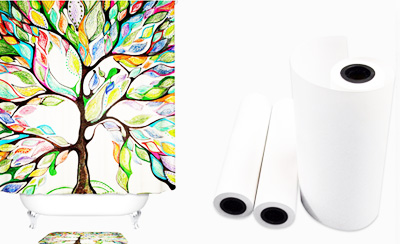
Home décor also uses sublimation printing. Curtains, cushions, wall fabrics, and upholstery samples can carry detailed designs with clear color. Since many home textile items need repeated patterns across wide fabric panels, stable printing and transfer alignment are important.
Promotional Products and Soft Signage
Soft signage is another practical market. Exhibition banners, retail display fabrics, event backdrops, and flags need clear images, lightweight, and easy transport. Sublimated polyester fabrics are often suitable for these uses.
For event organizers and retail brands, the main needs are fast production, sharp graphics, and easy handling. Fabric sublimation printing matches these needs better than many heavy display materials.
Market Trends Influencing the Adoption of Sublimation Printing in 2026
The market in 2026 is pushing fabric businesses toward faster response and more custom work. Buyers do not always want large stock. Many prefer small runs, quick samples, and designs that can be changed based on sales feedback.
Customization is also stronger than before. Teams want custom jerseys. Brands want promotional clothing. Retailers want limited patterns. Designers want small collections before placing larger orders. Sublimation printing makes these jobs easier to handle.
There is also growing interest in polyester blends and treated materials. Some factories are testing hybrid fabrics or pre-treated cotton blends to expand sublimation use. Still, for stable color and clear print, polyester-based fabrics remain the main choice.
Environmental compliance is another reason more buyers ask about this process. They want less water use, safer ink, and better material control. Fabric businesses that can explain their workflow and material choices will have an easier time winning trust.
Challenges and Considerations for Industry Professionals
Sublimation printing has many benefits, but it is not suitable for every fabric or every order. This should be made clear to customers from the start.
The biggest limit is fabric compatibility. Polyester-based substrates work best. Cotton and dark fabrics need other solutions or special treatment. If a buyer wants a natural fabric feel, makers may need to recommend blends or explain the trade-off between comfort and print effect.
Equipment cost is another factor. Industrial printers, heat press machines, and color control systems need investment. Maintenance also matters. A clogged printhead, wrong humidity level, or unstable heat setting can cause real loss in production.
There is also the issue of production skill. Sublimation printing looks simple, but stable output depends on many small details. Paper storage, ink setting, fabric tension, pressing time, temperature, and pressure all affect the result.
For fabric businesses, the safest approach is to build a clear testing process before accepting larger orders. Test the fabric first. Check color after transfer. Wash the sample if needed. Then confirm the production settings before bulk printing.
FAQ
Q1: What types of fabrics work best with fabric sublimation printing?
A1: Polyester-based materials work best with fabric sublimation printing because the dye can bond with the fibers under heat. Many sportswear fabrics feature 100% polyester composition, which is suitable for vivid and long-lasting prints.
Q2: How does fabric sublimation printing reduce environmental impact?
A2: It can reduce water use because it does not need traditional dye baths. Digital printing also helps control waste because businesses can print according to actual order needs instead of making too much stock.
Q3: Where can I find reliable suppliers for high-quality sublimation paper?
A3: Fabric businesses can look at Changfa Digital for sublimation paper and digital printing service support. They are the professional sublimation paper manufacturer and have supplied the digital printing service for 15+ years. Its production covers base paper, coating, slitting, and shipment to different markets.


