


HOT SALE
APPLICATION
Phone:+86-15215969856 E-Mail: 396838165@qq.com
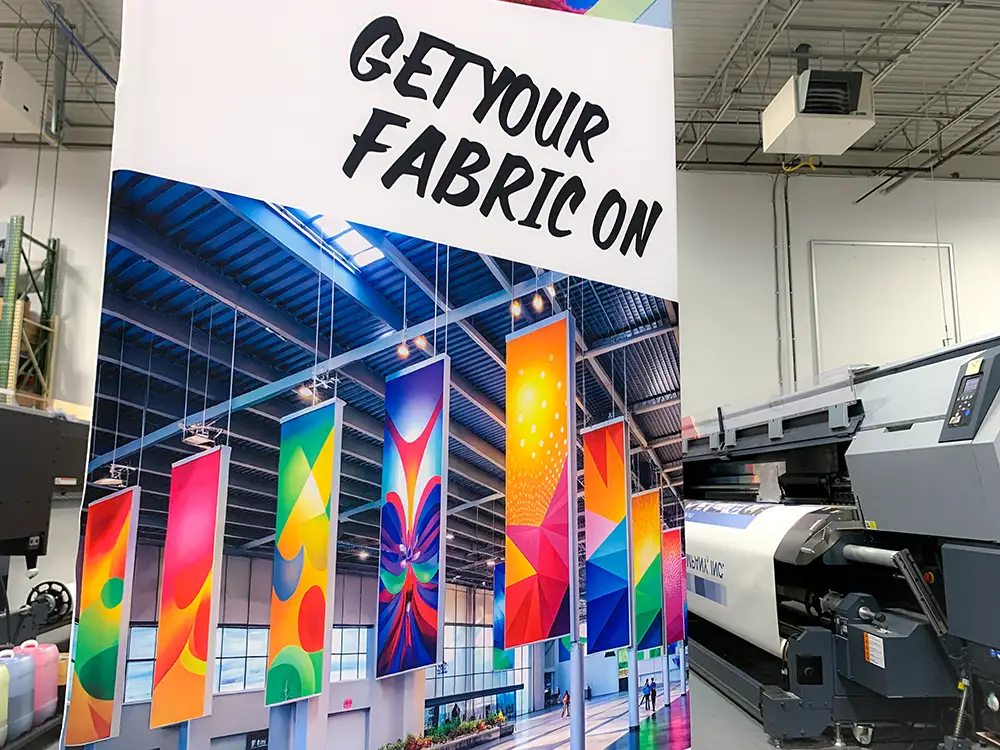 Sublimation fabric is emerging as a top pick for 2026 printing advances. It provides clear details, robust color results, and enduring visual appeal on polyester-based items. With printing needs shifting toward quicker processing, greater personalization, and purer output, the progress in sublimation methods shows why it keeps building popularity in current textile uses.
How Has Sublimation Technology Evolved Toward 2026 Printing Innovations?
Sublimation printing has seen a striking change over the last ten years. It has shifted from limited textile roles into widespread production. This change stems mainly from improvements in printer equipment, ink formulas, and fabric research. Together, these upgrades boost accuracy, color richness, and output speed.
Changfa Digital serves as the sublimation paper producer and digital printing provider. It operates as the plant for sublimation papers, starting from raw paper through coating and cutting. This extended knowledge shows how focused producers have aided the move from traditional to digital textile making. The firm’s ongoing spending on tech—such as importing 1 set of the most advanced coating line for sublimation paper production from Germany—is significant. — reflects a wider industry pattern that stresses steady quality and fast production.
Meanwhile, eco-friendliness has turned into a key force for new ideas. As buyers seek greener textiles more, sublimation supplies are getting redesigned to aid reuse and smaller environmental impact. Yet, they keep their strong performance and sharp print quality.
Why Is 2026 Considered a Turning Point for Sublimation Fabric?
The year 2026 signals a key shift for sublimation fabric. This comes from the rising use of digital textile printing in worldwide markets. Experts forecast rapid expansion in tailored clothing, home items, and business signs — fields that depend a lot on dye sublimation polyester bases.
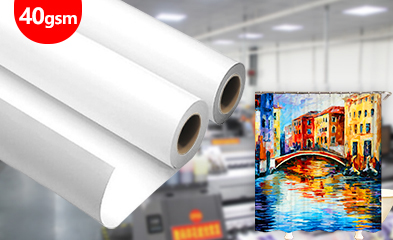
Fresh types of fabrics, like those from Changfa Digital, highlight this growth. Their sublimation fabric range covers weights from 29GSM to 95GSM and widths up to 190cm. This gives options for various needs, such as athletic wear and flexible signs. Our main products: 29gsm, 35gsm, 40gsm, 50gsm, 60gsm, 70gsm, 90gsm, and 100gsm, and we can make the width of the range: 61cm, 91.4cm, 111.8cm, 137cm, 142cm, 150cm, 152cm, 160cm, 162cm, 180cm, 183cm, 190cm, etc.
Automation will shape this shift even more. Linking with AI-based production setups will smooth operations — from design adjustments to heat press fine-tuning — boosting scale while cutting scraps. These gains match global green standards that focus on power savings in manufacturing.
What Makes Sublimation Fabric Ideal for Modern Printing?
Sublimation fabric excels in current printing. It blends dye bonding at the molecular level with even surfaces that guarantee top-notch image accuracy.
The Science Behind Dye Sublimation Polyester
Polyester’s basic makeup lets dye bits sink deep under warmth and force in the transfer step. This natural link creates lasting colors that stand up to cleaning or sun damage. In fact, textile materials after transferring have a sunproof level of 6 and a washproof level of 4-5. This toughness makes polyester fabrics vital in athletic clothing and outside displays where long life matters.
The even texture of these fabrics cuts down on ink spread and loss. At the same time, it aids super-clear image creation — a vital edge for companies wanting lifelike prints on bendable bases.
Surface Coating and Fabric Weave Innovations
Late advances in coating methods improve ink uptake while keeping flexibility. Changfa Digital’s athletic wear line shows this well with choices like GZP-001 Sportswear Fabric. It has a width of 153 cm and weight of 155 gsm, formed from 100% polyester. Tiny weave patterns also boost airflow without losing image clearness—an important trait for active clothing where ease pairs with style.
Which Technological Advancements Will Define Fabric Performance in 2026?

The coming wave of sublimation fabrics will mix clever features with better power use in the transfer stage.
Smart Fabrics and Functional Textiles Integration
New conductive threads woven into polyester setups are making printed circuits like detectors or bendy wires right on fabrics. Heat-aware layers will let clothes change shade with surroundings—blending style with use. Plus, germ-fighting covers will lengthen item spans in medical outfits or sports items by fighting germs even after many washes.
High-Efficiency Heat Transfer Systems
Heat transfer setups are growing more power-smart and exact. Even warmth spread guarantees steady color fill over big prints. It also shortens setting times a lot. These steps fit Changfa Digital’s work emphasis on top coating lines that handle high volume—the total production value is 3000 tons per month. We will export 120 containers to all of the world per month. Such output highlights how large-scale speed pairs with material progress.
How Does Sustainability Shape Sublimation Printing Practices?
Green care sits at the heart of sublimation tech’s path ahead. Makers are taking up safer inks and thriftier methods.
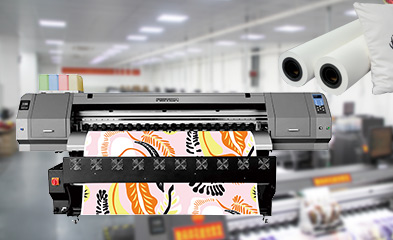
Today’s sublimation inks employ milder carriers that lower harmful vapors. Adopt environmentally friendly, safe, and nontoxic solvents. Wide color gamut, vivid color. Moreover, sublimation works as a dry printing way—skipping the dirty water from old dyeing—thus saving supplies while holding bright result quality. Reusable polyester fabrics’ back loop economy setups where worn textiles turn into fresh threads without losing strength or print wholeness.
Producers lean more on green energy to trim released gases from nonstop runs. Power-saving printers with tuned heat presses greatly lower power needs per printed area—a key measure as rules get stricter on outputs heading into 2026.
What Are the Emerging Applications and Market Outlook Beyond 2026?
As fields spread their use of sublimation fabrics past clothing into home and work design areas, chances grow quickly.
Expanding Industrial and Consumer Applications
Areas like athletic wear, room decor boards, exhibit visuals, and custom promo items keep pushing the need for dye sublimation polyester. This is due to its light weight, sturdiness, and quick finish times. The personalization flow matches buyer likes for made-to-order goods via instant setups that cut stock loss while raising design freedom.
Future Directions in Material Research and Development
Fabric studies will stretch limits more with tiny-tech-boosted color links that give super-clear prints at tiny detail levels. Experts are crafting plant-based polyesters from fresh sources to cut reliance on oil-based ones. Yet, they hold the heat steadiness needed for the transfer steps. Teamwork among fabric pros and printer makers—shown by firms like Changfa Digital that merge coating skills with full digital printing aid—will shape how next-level active fabrics grow worldwide in the next ten years.
FAQ
Q1: What advantages does dye sublimation polyester offer compared to natural fibers?
A1: Polyester’s molecular structure allows dyes to form permanent bonds during heat transfer processes, resulting in vivid colors resistant to fading or washing—qualities not achievable with cotton or silk substrates.
Q2: How does automation improve cost-efficiency in sublimation fabric production?
A2: Automated systems optimize parameters like temperature control and ink deposition accuracy while reducing manual intervention; this leads to higher throughput rates with consistent quality across large-scale operations.
Q3: Are eco-friendly inks compatible with existing sublimation printers?
A3: Yes. Most modern eco-sublimation inks maintain compatibility with standard printheads such as Epson i3200 or Kyocera nozzles while offering reduced VOC emissions according to specifications outlined by professional suppliers like Changfa Digital.


