


HOT SALE
APPLICATION
Phone:+86-15215969856 E-Mail: 396838165@qq.com
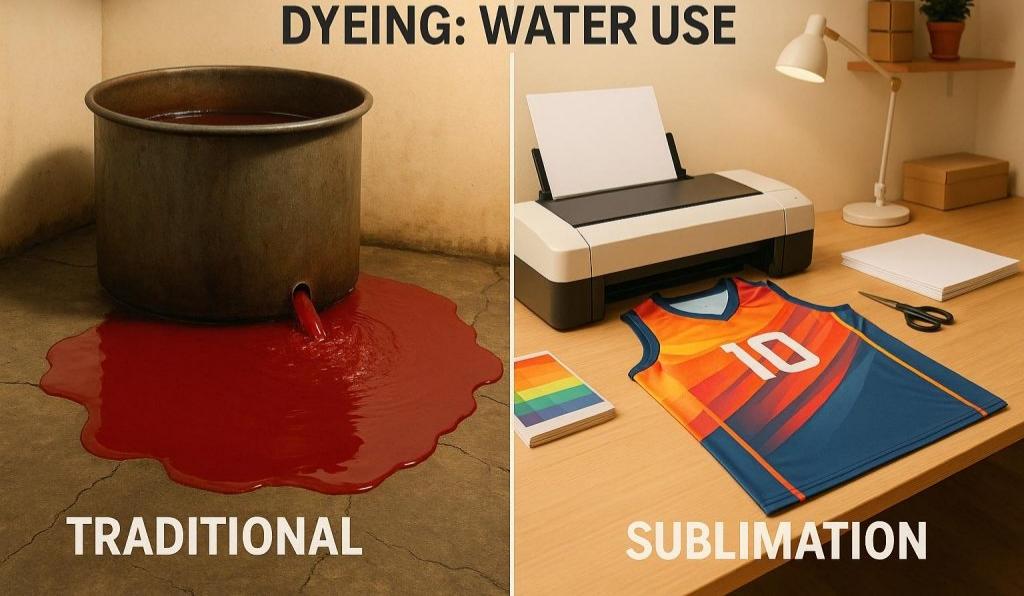 Sublimation fabric stands out as a popular choice in today’s textile manufacturing. It delivers bright, durable colors through a neater and more adaptable printing method. To grasp why it draws so much interest in 2026, consider how this approach changes design standards, output speed, and use possibilities in the textile field.
What Defines the Emergence of Sublimation Fabric in Modern Textile Innovation?
The textile sector faces big changes from digital tools and eco-friendly practices. Sublimation printing ranks as one of its key breakthroughs. This technique transforms the way colors and designs stick to materials. It provides top-notch accuracy and strength. Changfa Digital has been the professional sublimation paper manufacturer and supplier of digital printing services for 15+ years; it’s the factory for sublimation papers, from base paper to making coatings and slitting and shipping to all of the world. Such knowledge supports the worldwide move to fabric making based on sublimation.
Understanding the Concept of Sublimation Printing
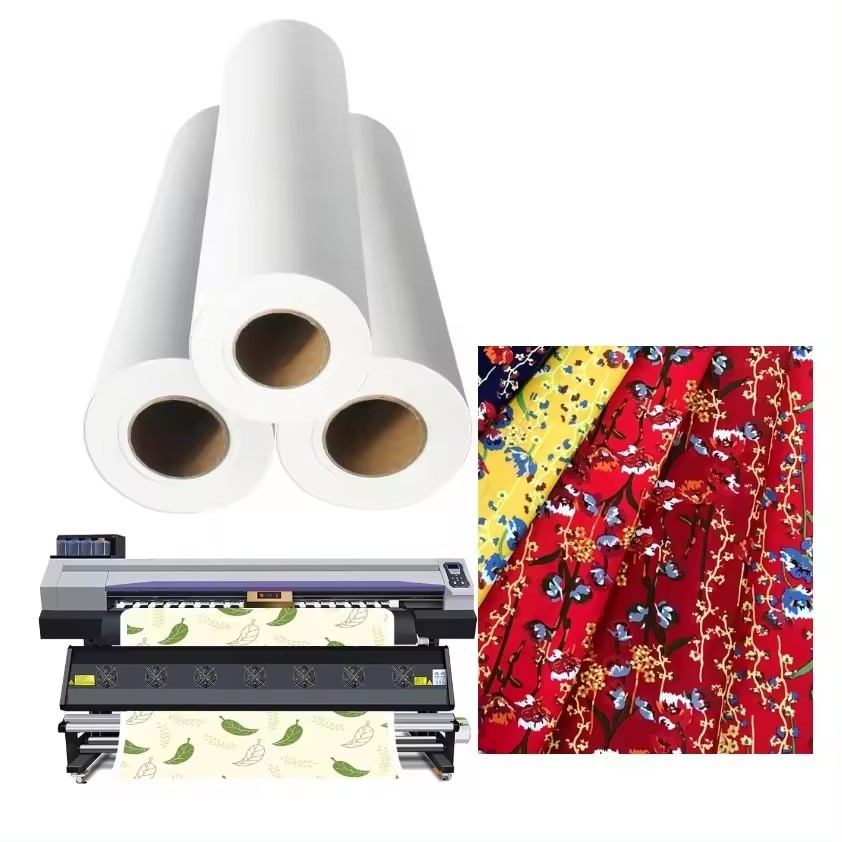
Sublimation printing transfers dye to fabric via heat and pressure. It turns solid dye into gas, which bonds straight with polyester threads. As a result, you get clear, high-detail pictures that won’t split or flake with time. The method skips surface layers, creating prints that feel smooth yet keep strong color quality. It works best on polyester items, which make great bases thanks to their fiber makeup.
Why Is Sublimation Fabric Gaining Industry Attention?
Sublimation fabrics attract notice for their lively color matching and crisp picture sharpness. They also show better toughness against cleaning, rubbing, and sun damage than old printing ways. Plus, sublimation cuts down on scraps by avoiding heavy water-cleaning steps seen in screen printing or active dyeing. This way fits green production aims by lowering chemical waste.
How Do Technical Foundations Support Dye Sublimation on Polyester?
The solid results of sublimation printing rely on both material makeup and careful handling of heat movement. Polyester stays key to this advance since its heat-moldable traits let dyes sink deep into its build, not just on top.
What Role Does Polyester Play in the Sublimation Process?
Polyester’s man-made build lets dye bits spread well under high heat, keeping colors fresh for a long time. Good prep work, like washing or smoothing, boosts even dye uptake over the whole fabric area. Yet, mixed fabrics with cotton or spandex might give spotty outcomes from uneven fiber links.
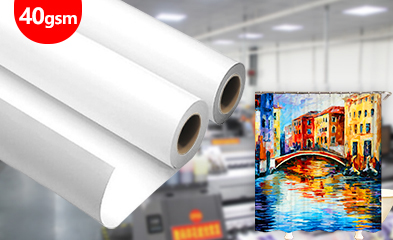
Our main products: 29gsm, 35gsm, 40gsm, 50gsm, 60gsm, 70gsm, 90gsm, and 100gsm, and we can make the width of the range: 61cm, 91.4cm, 111.8cm, 137cm, 142cm, 150cm, 152cm, 160cm, 162cm, 180cm, 183cm, 190cm, etc. These details show how fabric thickness affects ink uptake in sublimation shifts.
How Important Are Equipment and Temperature Control?
Tool accuracy shapes print results in dye sublimation polyester work. Heat presses or roller machines need to hold steady heat spread over wide areas. The best heat level, usually from 180°C to 210°C, makes sure dye turns to gas fully without harming fibers. Even pressure matters a lot too. Uneven squeezing can warp picture borders or create shadow marks that harm the pro look.
How Does Sublimation Fabric Compare with Conventional Dyeing Methods?
When you stack sublimation against standard textile coloring like active or colorant dyeing, clear differences show up in eco effects, lasting power, and pattern detail.
What Are the Differences Between Sublimation and Reactive Dyeing?
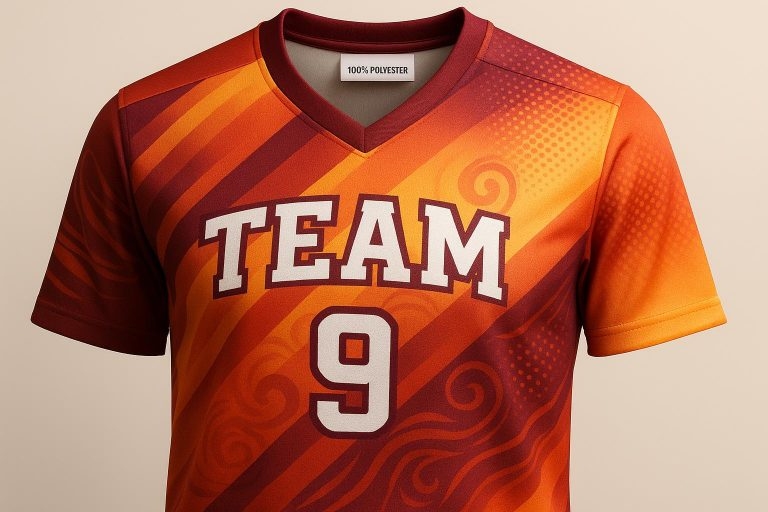
Active dyes link chemically with natural threads like cotton. But they need long rinse cycles to clear loose color bits. On the other hand, sublimation aims at man-made stuff like polyester without water soaks or chemical locks. This leads to a tidier method that backs green output styles. At the same time, it allows detailed, many-color patterns that active dyeing struggles to match.
Why Does Sublimation Outperform Pigment Printing Techniques?
Colorant printing lays color grains on fabric tops with glues that can make the feel stiff after a while. These top coats often crack or lose shine after many uses or washes. In comparison, sublimation locks color inside the threads. This keeps the fabric soft and stretchy even after long wear. It also drops after-steps like steaming or rinsing needed in colorant ways.
What Are the Environmental and Economic Implications of Sublimation Technology?
With green goals at the heart of worldwide textile plans, sublimation tech brings real eco gains along with better workflow benefits.
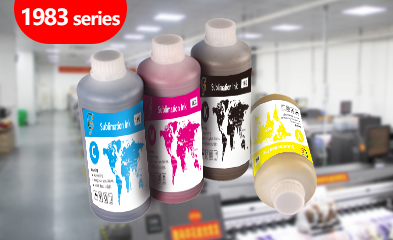
Sublimation sharply cuts water use because no wet dye soaks happen in the shift steps. All dyes turn to gas and enter fabric bases without making chemical flow-off or dirty water leftovers. Adopt environmentally friendly, safe, and nontoxic solvents. Wide color gamut, vivid color Such green-minded ink mixes further match lasting output rules that today’s clothing brands want.
Digital steps speed up personalization and cut startup costs versus screen printing’s heavy handwork phases. Small firms gain from quick sample making that handles short orders without losing steady quality. We imported 1 set of the most advanced coating line for sublimation paper production daily from Germany. This spending shows how top tools boost growth via auto tasks and lower scrap levels.
Where Is Sublimation Fabric Heading Toward 2026 and Beyond?
The path ahead for sublimation fabric tech leads to links with smart materials and uses across fields well past clothing.
How Will Smart Textiles Integrate with Dye Sublimation Polyester?
New studies look at heat-aware inks that react to warmth shifts or power signals. This opens doors for blending with body-worn tech. Print-on conductive sheets might turn clothes into active screens fit for sports tracking or health checks.
Which Industries Will Expand Their Use of Sublimated Materials?
Fashion and Sportswear Innovations
Polyester’s light airflow makes it perfect for workout gear that needs ease during active moves. Item No.: GZP-001 Fabric name: Interlock Width: 153 cm Weight: 155gsm Composition: 100%T demonstrates how tuned weave patterns boost print clearness for sport lines chasing strong looks. Tailored designs let brands stand out with bright image tales printed right on clothes.
Interior Design and Industrial Textiles
Sharp prints from sublimation fit inside uses like seat covers or sign cloths where staying power under sun is vital. Products such as sublimation paper 30GSM give solid shift hold over big setups used in business décor jobs.
Promotional Products and Custom Manufacturing
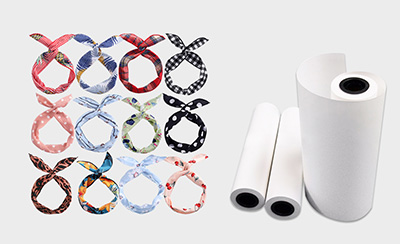
Sublimation allows quick custom work across varied item types, from flags to carry bags. This meets the quick pace of promo markets well. Short wait times help small outfits adjust fast to season drives with flexible bases.
FAQ
Q1: What type of fabrics achieve the best results with dye sublimation?
A1: Pure polyester fabrics provide optimal outcomes because their molecular structure allows gaseous dyes to penetrate deeply during heat transfer.
Q2: Does sublimation printing require special inks?
A2: Yes. Specialized disperse inks formulated for heat activation ensure permanent bonding within synthetic fibers while maintaining vivid color saturation throughout repeated washes.
Q3: Can businesses scale production efficiently using sublimation methods?
A3: Absolutely. Digital workflows minimize setup time and material waste while supporting both mass production runs and small-batch customization economically through automated systems like those used by Changfa Digital’s advanced coating lines from Germany.


