


HOT SALE
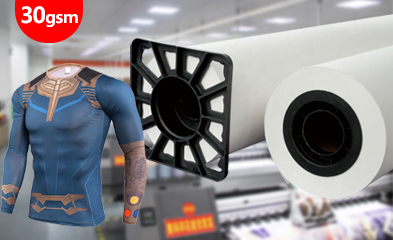
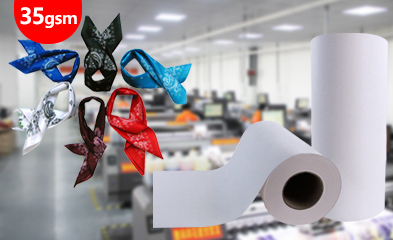
APPLICATION
Phone:+86-15215969856 E-Mail: 396838165@qq.com
Temperature has a direct effect on color in sublimation printing. This is not just a small setting on the heat press. It is often the balance between temperature, time, pressure, sublimation paper, ink, and substrate.
Understanding Sublimation Printing and Its Thermal Requirements
In daily production, good color does not come from one material alone. The printer, ink, paper, fabric, heat press, and operator settings all work together. Temperature is one of the most sensitive parts because it decides whether the dye transfers enough, too much, or in the wrong way.
The Science Behind Sublimation Printing
Sublimation sounds complicated, but the working logic is simple. Solid dye changes into gas under heat and pressure. The gas enters polyester fibers or a coated surface. When the material cools, the dye is held inside.
This is different from some traditional printing methods where the ink stays on the surface. In sublimation printing, the color becomes part of the material. That is why it can resist peeling and cracking better on suitable substrates.
But the process only works well when the heat is controlled. If the temperature is not enough, the dye does not fully gasify. The color looks weak. If the temperature is too strong, the dye may move too far, and fine lines may lose sharpness. This is why temperature affects color accuracy so directly.
Why Temperature Plays a Critical Role
When heat is too low, several problems may show up. The print may look faded. Some areas may transfer better than others. Black may look gray or brown. Red, blue, and green may lose depth.
When heat is too high, the problems are different. The fabric may shrink, shine, scorch, or feel different. On coated hard substrates, the coating may react badly. Dark areas may bleed slightly. Small text or thin lines may look less clean.
Factors Influencing the Ideal Sublimation Temperature in 2026
There is no single temperature that works for every sublimation job. In 2026, more buyers are asking for stable color, faster turnaround, and lower waste. That means factories need better control over temperature settings instead of only relying on old habits.
Advances in Sublimation Ink Formulations
Sublimation ink has improved over time. Some newer ink formulas can work with better color strength and smoother transfer. Good ink should print cleanly, avoid clogging, and release color steadily under heat. Changfa Digital uses environmentally friendly solvents, which are safe and nontoxic. The ink has a wide color gamut and vivid colors, including a substantial increase in the black coverage of the professional black of sublimation ink after transferring.
Innovations in Substrate Materials
Substrate choice also changes the required heat. Polyester fabrics are still the main choice for sublimation printing because they bond well with sublimation dye. But not all polyester fabrics are the same.
Thin sportswear fabric may react faster to heat. Thick fabric may need more time. Some blends may shrink or change texture if the temperature is too high. Coated hard substrates, such as ceramic, metal, MDF, acrylics, and phone cases, need careful testing because the coating quality affects the result.
Evolution of Heat Transfer Machine and Printer Technologies
Newer printers can hold temperature more steadily, which helps reduce color differences between samples and bulk orders. For large fabric panels or roll printing, even heat across the working area is very important. If one side receives less heat, the print may look lighter or less clear. Better temperature control helps operators keep the transfer result more stable from one batch to the next.
Recommended Temperature Ranges by Material Type
Temperature settings should always be tested with the actual material. Fabric moisture, paper quality, machine condition, and room humidity can all change the result.
Polyester Fabrics
Polyester is the most common material for sublimation printing. Many polyester fabrics perform well around 380°F–400°F, or about 193°C–204°C. This range is common because the dye can transfer well and bond with the fibers.
Good sublimation paper also helps here. If the paper absorbs ink evenly and releases it cleanly, the fabric is less likely to show blurred edges, uneven color, or weak transfer.
Hard Substrates: Ceramic, Metal, MDF
Hard substrates usually need higher heat or longer pressing time because they do not behave like fabric. Ceramic, metal, and MDF often require around 385°F–420°F, or about 196°C–216°C, depending on the coating and thickness.
Hard materials can also hold heat differently. Metal conducts heat fast. Ceramic may heat more slowly. MDF may react to both heat and pressure. If the heat is uneven, the final image can show ghosting, light patches, or color banding.
Specialty Items: Mugs, Phone Cases, Acrylics
Mugs, phone cases, and acrylics are harder to control because the surface is not always flat. Curved areas may not receive heat evenly. Edges may transfer weaker than the center.
For mugs, silicone wraps or mug presses help spread heat around the surface. For acrylics and phone cases, operators need to watch the coating and shape. Too much heat can bend, mark, or discolor some materials.
Common Temperature Control Challenges and Solutions
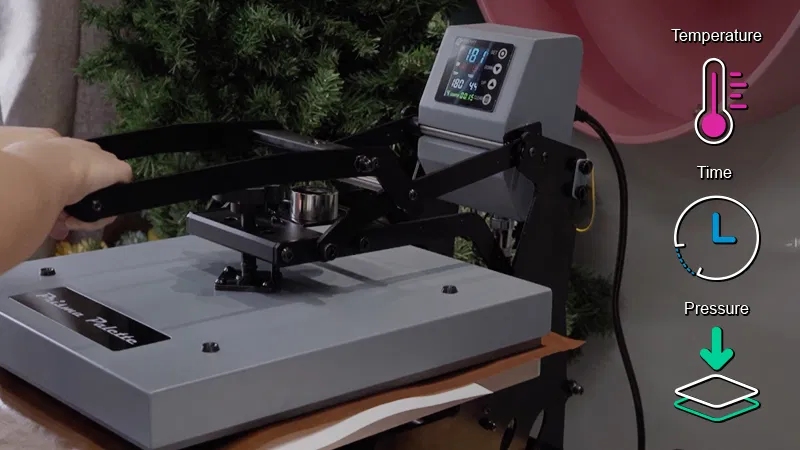
Even with good equipment, temperature problems still happen. Large prints are often the hardest to manage because a heat press platen may not be perfectly even from edge to edge. One side of the fabric may look bright, while another side looks dull.
Regular temperature checking helps. A heat press may show one number on the screen, but the real surface temperature can be different. This is why production teams should check the platen from time to time.
Dwell time is another common issue. Sometimes a lower temperature with a slightly longer press time gives a better result for soft fabrics. But if the dwell time is too long, the dye may spread more than expected. The print may lose sharpness.
Humidity is also easy to overlook. Moist paper or fabric can cause steam during pressing. This may lead to dots, blurred areas, or uneven color. Storing sublimation paper in a dry place and pre-pressing fabric can reduce this problem.
Future Trends in Sublimation Temperature Optimization by 2026
Smart Thermal Management Systems
Some newer heat press systems can track heat more closely. They can help operators keep more stable output across different materials. This is useful for factories that print many product types in one day.
Sustainable Printing Practices Through Energy Efficiency
Energy use is also becoming more important. If ink and materials can transfer well under a more controlled heat setting, factories may reduce waste and avoid repeated printing. This saves time, paper, ink, fabric, and electricity.
Standardization Across Global Manufacturing Processes
For export orders and repeat orders, color consistency is important. A buyer may approve one sample, then expect the bulk goods to match it. If temperature settings are not recorded clearly, the second batch may look different.
Factories should keep simple records: fabric type, sublimation paper type, ink, temperature, time, pressure, humidity condition, and sample result. This is not complicated, but it helps a lot.
FAQ
Q1: What is the most common temperature for sublimation on 100% polyester?
A1: For 100% polyester, the common temperature is usually around 385°F to 400°F. The exact setting still depends on fabric thickness, sublimation paper, ink, pressure, and pressing time. Working with a trusted sublimation paper manufacturer like Changfa Digital can help keep the transfer more stable.
Q2: How does humidity affect the sublimation printing temperature?
A2: Humidity that is really high can get moisture into the paper or fabric. When you press it, the moisture turns into steam. This steam can make dots or blurry areas. The color might not be even. If you press the paper or fabric for a few seconds before you do the transfer, it can help get rid of the moisture. This is called pre-pressing. It takes about 5 to 10 seconds.
Q3: Why did my substrate turn brown or yellow during the heat transfer?
A3: This usually means the temperature was too high, or the dwell time was too long. Lowering the heat by 10–15 degrees or shortening the press time may help. The material should also be tested before bulk production.


