


Vente chaude
Application
Phone:+86-15215969856 E-Mail: 396838165@qq.com
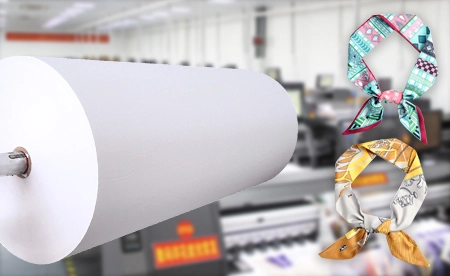
Modern apparel manufacturing depends heavily upon the precise translation of artistic ideas into finished textile products. The characteristics of transfer paper technology significantly determine color brightness, outline clarity, and overall manufacturing efficiency. When specially formulated transfer paper, sublimation conditions, and fabric choices work together effectively, producers acquire expanded opportunities to develop clothing products that distinguish themselves in competitive marketplaces. Creating distinctive garments requires the coordinated optimization of materials and procedures, rather than mere equipment improvement.
In current apparel supply networks, high-speed production often competes with creative originality, and merely speeding up production fails to generate truly excellent products. The true distinction arises from comprehensive command over dye transfer dynamics, color uniformity, and production stability, ensuring that the initial creative vision remains intact throughout every phase from digital file preparation to the final garment.
Why Does Custom Transfer Paper Matter in Apparel Design?
Before choosing printing supplies, understanding the specific influence of papier de transfert on garment appearance and production reliability becomes essential.
How does transfer paper affect color output?
The surface coating on transfer paper governs ink absorption during printing and subsequent dye release throughout heat application. Uniform ink capture combined with efficient release markedly enhances color intensity and boundary sharpness. Inconsistent coating performance, conversely, retains excessive dye or distributes it irregularly, resulting in subdued shades or softened contours.
The transfer phase, therefore, is not just a simple mechanical operation, but also actively shapes the quality and fidelity of design elements successfully delivered to the fabric.
Can ordinary paper deliver professional results?
Conventional papers frequently exhibit insufficient coating uniformity, which is necessary for consistent apparel production. Such materials often retain portions of dye during pressing, causing washed-out impressions or irregular color areas. Papers designed specifically for sublimation applications deliver high transfer accuracy, enabling garments to preserve intricate details and uniformity even across large-scale production.
How Can Paper Weight Influence Design Possibilities?
Various clothing categories require distinct transfer characteristics, rendering paper grammage a significant technical factor.
When is lighter paper better for fashion production?
Lightweight transfer papers are commonly more suitable for an accelerated garment manufacturing environment. Rapid dye liberation contributes to raising the production efficiency while maintaining pattern clarity. The feature of rapid release is especially advantageous for athletic wear and fashion products, where output speed must align with market demands.
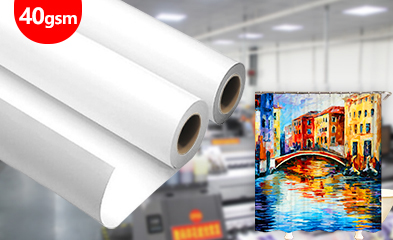
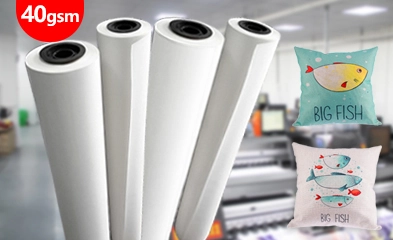
A common choice in these scenes is Papier de transfert de sublimation 40 gsm, which provides prompt dye delivery and reliable printing performance, suitable for fashion-focused apparel creation.
When should heavier paper grades be considered?
Heavier grammage papers accommodate more ink and maintain structural integrity during pressing, which is beneficial for complex motifs or intricate color transitions requiring precise ink positioning. Additionally, thicker papers reduce distortion risks during pressing duration, thereby enhancing pattern fidelity on denser garments or specialized textile varieties.
How Do Ink and Printer Settings Shape Apparel Creativity?
Transfer paper performance alone fails to dictate ultimate outcomes. Printer calibration and ink properties must align with intended artistic objectives.
Should ink density be increased for vivid designs?
A moderate increase in ink density sometimes intensifies color presence, but excessive amounts commonly produce bleeding effects and decreased detail resolution. Proper ink control sustains robust coloration without compromising motif sharpness. Proper profiling allows designers to push saturation limits while preserving sharp outlines.
How does print resolution influence garment detail?
Higher printing resolution refines smooth gradient progressions and fine element precision, particularly important for complex intricate designs. However, uncontrolled multiple-pass printing risks can oversaturate specific areas, thereby reducing transfer effectiveness. Controlled pass counts ensure sharp results without affecting fabric integrity.
What Role Does Fabric Selection Play in Unique Designs?
Even perfectly printed transfers may fail if fabric characteristics are ignored.
Which fabrics respond best to sublimation transfer?
Textiles composed primarily of polyester demonstrate optimal compatibility since sublimation dyes form direct molecular bonds with polyester fibers. This interaction ensures exceptional colorfastness and resistance to repeated laundering, rendering polyester particularly suitable for performance apparel and fashion categories.
Can fabric structure change the final visual impact?
Surface texture substantially modifies perceived design appearance post-transfer. Smooth finishes accentuate precise details, while textured or substantial materials bring slight softening of boundaries and subtle color diffusion. Creative selection of fabric characteristics allows for intentional emphasis or gentle moderation of visual components according to stylistic intentions.
How Can Workflow Optimization Support Custom Apparel Production?
Operational efficiency determines the feasibility of scaling distinctive designs effectively.
Should environmental factors be controlled?
Ambient moisture content and temperature levels influence ink setting times and transfer consistency. High humidity prolongs drying periods and increases smearing potential, while excessively arid conditions heighten static-related complications. Stable environmental conditions contribute to predictable transfer results.
How does workflow stability protect design quality?
Regulated pressing intervals combined with uniform heat application prevent unintended ghost images and tonal variations. Strict adherence to the manufacturing procedures ensures the consistency between individual garments and reference samples, thereby maintaining the brand consistency while accommodating artistic diversity.
Who Supports Apparel Manufacturers with Reliable Transfer Solutions?
Dependable apparel printing performance frequently rests upon specialized material knowledge and consistent manufacturing processes.
Many textile printing enterprises obtain stable transfer supplies from producers exercising comprehensive oversight from raw paper production through coating application and final conversion stages.
Changfa numérique is an established supplier possessing over fifteen years of specialized experience in sublimation paper development and global digital printing support. Through management of several dedicated coating facilities and precise slitting operations, we maintain integrated manufacturing that can deliver diverse sublimation paper specifications tailored to apparel and broader textile printing requirements. Besides, we also provide OEM/ODM service, which means that clients can customize products with samples, or the products required can be customized by us, to meet their own unique needs.
Our comprehensive production approach ensures coating reliability, ink system compatibility, and uninterrupted material availability, thereby helping garment creators in maintaining stable results while advancing innovative design directions.
What Final Checks Ensure Unique Apparel Results?
Continuous distinctiveness of products requires rigorous production oversight rather than sporadic trial efforts.
Have transfer parameters been tested across fabric batches?
Fabric composition and surface finish vary between suppliers and batches. The systematic evaluation of transfer settings across representative samples prevents unforeseen chromatic alterations or resolution degradation in large-scale production.
Is paper storage affecting production consistency?
Transfer paper coatings are sensitive to environmental moisture and thermal conditions. Improperly stored rolls gradually lose performance, resulting in unstable transfer performance. The use of dry, sealed storage conditions can protect stable performance across production cycles.
FAQ (questions fréquentes)s
Q: Why does transfer paper quality matter in apparel production?
A: Transfer paper governs dye migration efficiency from printed image to textile substrate, thereby directly affecting color intensity and pattern accuracy.
Q: Can printer upgrades alone improve apparel design results?
A: Equipment enhancements contribute positively, yet integrated management of transfer paper, ink application, and pressing conditions yields markedly superior and repeatable outcomes.
Q: What is the easiest way to improve sublimation apparel quality?
A: Strategic selection of transfer paper matched to specific fabric properties and manufacturing velocity frequently generates prompt and noticeable quality enhancements.


