


Efecto fantasma y sangrado en la sublimación: causas, soluciones y prevención.
Venta caliente
APLICACIÓN
Phone:+86-15215969856 E-Mail: 396838165@qq.com

Una transferencia puede verse nítida en pantalla, pero aun así, al imprimirla, puede aparecer una sombra tenue alrededor del logotipo o un color que se extiende más allá del borde del diseño. En el muestreo, esto puede costar una sola pieza. En la producción, el mismo defecto puede afectar a cientos de piezas antes de que se detenga la línea. Sublimación Las imágenes fantasma y el sangrado de la tinta indican que el movimiento, la carga de tinta, el calor, la presión, la humedad o el comportamiento del sustrato están desequilibrados.
Por qué estos defectos resultan costosos en la producción en masa.
El defecto visual es solo el primer costo. Los paneles rechazados consumen papel, tinta, tela, tiempo de máquina y mano de obra. Las reimpresiones interrumpen el empaquetado y pueden retrasar un envío hasta el siguiente período de producción. Los pequeños cambios son especialmente visibles en la ropa deportiva, las banderas, los textiles promocionales y los productos con licencia.
Una muestra limpia no garantiza que la configuración se mantenga estable en varios rollos, con diferentes operarios o ante cambios de humedad. Para pedidos repetidos, es necesario que toda la cadena de impresión y transferencia se mantenga constante, no solo la lectura de temperatura en la prensa.
¿Qué suele causar el efecto fantasma en la sublimación?
El efecto fantasma en la sublimación suele estar relacionado con el movimiento antes de que se cierre la prensa, mientras se libera la presión o durante la retirada, cuando el papel y el sustrato aún están calientes.
El papel de transferencia se desplaza durante la carga o el prensado.
Una hoja ligeramente suelta puede moverse lo suficiente como para crear un segundo contorno. Las letras pequeñas y los logotipos de alto contraste lo evidencian primero. El trabajo de gran formato también es vulnerable, ya que una hoja grande es más difícil de controlar. La cinta resistente al calor debe mantener la transferencia plana sin tensar una esquina más que las demás.
Los operarios también necesitan una rutina de carga uniforme. Si una persona alinea desde el centro y otra tira desde el borde, los resultados variarán incluso si el diseño y la configuración de la prensa térmica permanecen sin cambios.
La prensa se abre demasiado rápido o la presión es desigual.
Cuando la platina se abre bruscamente, el papel puede levantarse y caer sobre la superficie caliente. El tinte aún está activo, por lo que un contacto breve puede dejar una copia pálida. Abra la prensa suavemente y retire la hoja en una sola dirección. Compruebe también la presión alrededor de las costuras, los cuellos, las cremalleras y los bordes elevados.
La humedad o el estiramiento alteran el material.
El poliéster puede retener humedad durante el almacenamiento, especialmente en épocas de lluvia o tras cambiarlo de habitación. Los tejidos elásticos también pueden ceder con el calor. Un breve pre-planchado puede eliminar la humedad y asentar el material antes de alinearlo. Pruebe el tiempo, ya que un calor excesivo puede afectar a los revestimientos o a los tejidos texturizados.
¿Qué suele provocar sangrado en la sublimación?
La difusión de la tinta por sublimación está más estrechamente relacionada con el volumen de tinta, la exposición térmica, el rendimiento del papel y la superficie receptora.
La cantidad de tinta es excesiva para el papel o sustrato.
Los negros intensos y los colores saturados suelen llevar a los operarios a aumentar los límites de tinta. Cuando el recubrimiento o el sustrato del papel no pueden controlar la cantidad de tinta, los bordes se difuminan y los colores adyacentes pueden mezclarse. Utilice el perfil ICC correcto y compruebe si ya aparece borrosidad en el papel impreso. Si es así, cambiar la impresora no solucionará el problema.
El tiempo, la temperatura y la presión están desequilibrados.
Más calor no significa automáticamente mayor seguridad. Una temperatura o un tiempo de exposición excesivos mantienen el tinte activo durante más tiempo y pueden favorecer el movimiento lateral. Una presión insuficiente provoca un contacto incompleto; una presión excesiva puede deformar los materiales blandos. Comience dentro del rango recomendado por el proveedor del sustrato, ajuste una variable a la vez y registre el resultado.
El papel y el sustrato no son adecuados para el trabajo.
El gramaje del papel no debe elegirse únicamente por el precio. Los papeles ligeros suelen ser adecuados para líneas de impresión textil rápidas y cargas de tinta moderadas, mientras que los papeles más gruesos pueden ser más fáciles de manejar para trabajos más lentos o gráficos más densos. El recubrimiento, el secado, la planitud y la tolerancia de ancho son factores importantes. El sustrato también debe tener un contenido estable de poliéster o un recubrimiento de sublimación adecuado.
Una secuencia de corrección práctica en el piso de producción
Cuando aparece un defecto, cambiar varios ajustes a la vez suele generar más confusión. Para corregir el efecto fantasma, primero asegure la transferencia y ralentice el movimiento de apertura y descarga. Luego, verifique la alineación del rodillo, la distribución de la presión, el movimiento de la tela y la humedad. Para corregir el sangrado, comience con la densidad de la tinta y el secado, luego revise la temperatura, el tiempo de permanencia, la presión y el lote del sustrato.
Mantenga juntos el diseño final, el papel objetivo, la tinta y el sustrato durante la validación. Una prueba realizada con tela sustituta es solo una prueba parcial. También es útil marcar el número de rollo y registrar la humedad de la sala. Si el defecto aparece solo en un turno o un lote, estos detalles marcan la diferencia entre una corrección rápida y días de conjeturas.
Cómo combinar el sistema de impresión con el suministro de materiales
La decisión sobre el material comienza con la línea de producción. El modelo de impresora, el cabezal de impresión, el modo de pasada, el límite de tinta, el ancho del rollo, la velocidad prevista, el tipo de tejido y el método de transferencia deben compartirse antes de aprobar un grado de papel. Una amplia Gama de papeles de transferencia por sublimación Es útil, pero la opción correcta aún debe probarse con la configuración propia del comprador.
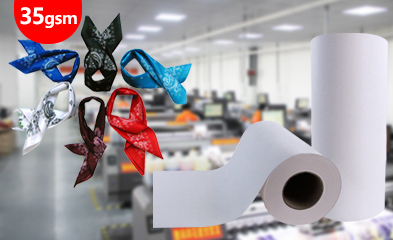
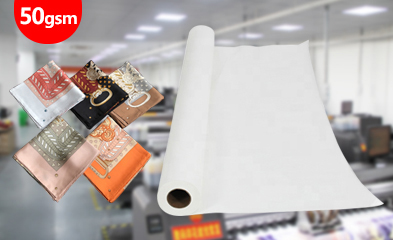
Para ropa deportiva de poliéster y otros trabajos con telas, Changfa Digital's Papel de sublimación de secado rápido de 60 g/m² Es una opción práctica para incluir en el muestreo. El producto listado cubre formatos anchos y rollos largos, pero la aprobación aún debe basarse en la carga de tinta prevista, la velocidad de producción y el resultado de la transferencia. Los compradores que utilizan líneas de producción muy rápidas o coberturas más ligeras también pueden comparar papeles de menor gramaje en lugar de asumir que un solo papel sirve para todos los pedidos.
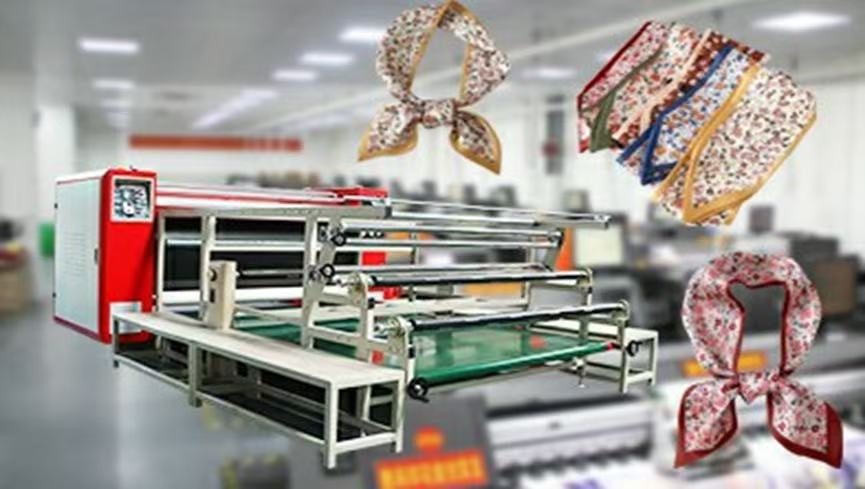
El papel no debe aislarse de los demás consumibles. La gama de tintas de sublimación debe coincidir con el cabezal de impresión y los requisitos de color, mientras que la gama de impresoras de sublimación debe compararse por la salida real en modo de paso, el ancho utilizable, la estabilidad de alimentación y el acceso al servicio. En el lado de la transferencia, disponible máquinas de transferencia de calor Se debe comprobar el ancho de trabajo, la uniformidad de la temperatura, el control de la presión y el acceso del operario.
Changfa Digital Gestiona las etapas clave del proceso de fabricación del papel, desde el papel base y el recubrimiento hasta el corte y el empaquetado. Esto es especialmente importante cuando un comprador necesita especificaciones repetibles, anchos personalizados o empaques de marca propia. Si bien no elimina la necesidad de realizar pruebas, ofrece al equipo de compras un espacio centralizado para analizar la construcción del rollo y los requisitos de pedidos repetidos.
Comprar cheques antes de escalar el pedido
Una solicitud de presupuesto útil es específica. Indique la impresora y el cabezal de impresión, el tipo de tinta, el tejido objetivo, el ancho del papel, la longitud de rollo preferida, el tamaño del núcleo, el consumo mensual, el método de embalaje y el destino. Si es posible, envíe el diseño original. El texto pequeño, las áreas sólidas grandes y los bloques de color oscuro revelan diferentes puntos débiles, por lo que una carta de colores genérica puede no reflejar el riesgo de producción.
Las muestras deben probarse en condiciones normales de fábrica, no solo en una sala de demostración controlada. Una vez que la muestra cumpla con los requisitos, realice una prueba piloto durante el tiempo suficiente para detectar problemas de alimentación, secado y transferencia. Acuerde las evidencias de defectos, la identificación del lote, el tiempo de respuesta y el procedimiento de reemplazo o reembolso antes de que se envíe el pedido principal.
Preguntas frecuentes
P1. ¿Qué parámetros se deben incluir al comprar papel de sublimación?
A1. Indique el modelo de impresora, el cabezal de impresión, la marca o el tipo de tinta, el modo de impresión, la carga de tinta estimada, el sustrato, el método de transferencia, el ancho requerido, la longitud del rollo, el tamaño del núcleo, el volumen mensual y los requisitos de embalaje. Solicite al proveedor que recomiende una calidad inicial y, a continuación, apruebe el resultado mediante pruebas de impresión y transferencia con el diseño final.
P2. ¿Cómo se deben confirmar la cantidad mínima de pedido (MOQ) y las especificaciones personalizadas?
A2. La cantidad mínima de pedido (MOQ) debe confirmarse para cada gramaje, ancho, longitud del rollo y tipo de embalaje, en lugar de una cantidad general. Pregunte si se pueden combinar anchos mixtos en un mismo pedido, si se ofrece corte a medida y si las etiquetas OEM, las cajas, los tamaños de núcleo o el embalaje en palés modifican la MOQ o el plazo de entrega. Se debe aprobar un rollo de muestra antes de imprimir el embalaje personalizado.
P3. ¿Qué preguntas deben hacer los compradores sobre la instalación y el mantenimiento al realizar un pedido de equipos?
A3. Confirme la fuente de alimentación requerida, las condiciones de ventilación o extracción, el espacio disponible, el método de instalación, la capacitación del operador, los pasos de calibración, la limpieza rutinaria, las piezas de repuesto recomendadas y los intervalos de mantenimiento. Aclare si el soporte es remoto, presencial o proporcionado por un técnico local. La orden de compra también debe indicar quién cubre los gastos de viaje o de las piezas de repuesto después de la instalación.


