


Wie man das Auslaufen der Tinte beim Sublimationsdruck für Projekte im Jahr 2026 kontrolliert
Heißer Verkauf
ANWENDUNG
Phone:+86-15215969856 E-Mail: 396838165@qq.com

Tintenbluten Sublimationsdruck Das Problem geht über einfache Farbabweichungen hinaus. Bei Textilprojekten ab 2026 kann es die Logoschärfe, die Kantendetails, die Chargenkonsistenz und die Ergebnisse der Endkontrolle beeinträchtigen. Bevor Änderungen an Tinte, Papier oder den Einstellungen der Transferpresse vorgenommen werden, müssen Käufer verstehen, warum es beim Transfer zu Ausbluten kommt und welche Produktionsfaktoren zuerst überprüft werden sollten.
ÜberblickTintenverlauf beim Sublimationsdruck
Was verursacht das Auslaufen der Tinte beim Sublimationsdruck?
Übermäßige Feuchtigkeit ist die Hauptursache für Tinte Ausbluten. Wenn Transferpapier oder der Untergrund Feuchtigkeit enthalten, verdampft diese in der Transferpresse. Dadurch verhält sich die Tinte unvorhersehbar. Bei falscher Temperatur oder falschem Druck – beispielsweise bei zu heißer oder falsch kalibrierter Presse – verschlimmert sich das Problem. Auch die Verwendung von Materialien, die nicht für die Sublimation optimiert sind, wie z. B. Polyestergemische mit niedrigem Polyesteranteil oder unbehandelte Baumwolle, führt dazu, dass die Tinte nicht richtig einzieht. Dadurch verläuft die Tinte unkontrolliert.
Anzeichen von Tintenbluten erkennen
Erste Anzeichen für Tintenverlaufen sind verschwommene Ränder und Farbverschmierungen um gedruckte Motive herum. Mit fortschreitendem Verlauf nimmt die Bildschärfe ab und der Farbkontrast schwächer. Grafiken wirken dann matt oder verwaschen. Ungleichmäßige Farbsättigung ist ein weiteres Indiz, das besonders bei feinem Text oder detaillierten Logos auffällt, da bestimmte Bereiche aufgrund übermäßiger Farbstoffwanderung dunkler erscheinen.
Faktoren, die das Tintenverhalten beim Sublimationsdruck beeinflussen
Zahlreiche Faktoren beeinflussen das Verhalten von Sublimationstinte beim Transfer. Dazu gehören Substrateigenschaften, Umgebungsbedingungen und die Druckerkalibrierung. All diese Faktoren müssen sorgfältig kontrolliert werden, um ein gleichbleibendes Ergebnis zu erzielen.
Die Rolle der Substratmaterialien
Der Polyesteranteil eines Stoffes und seine Webart beeinflussen maßgeblich, wie gut er Sublimationsfarben aufnimmt. Bei Stoffen mit einem hohen Polyesteranteil von über 85 Prozent werden die Bilder in der Regel sehr scharf. Das liegt daran, dass sich die Polyestermoleküle im gasförmigen Zustand sehr gut mit dem Farbstoff verbinden. Auch die Beschichtung des Stoffes ist entscheidend. Ist sie ungleichmäßig, haftet der Farbstoff nicht gleichmäßig. Wird der Stoff nicht richtig vorbereitet, kann er Feuchtigkeit aus der Luft aufnehmen. Dadurch kann der Farbstoff beim Pressen mit Hitze verlaufen oder ausbluten.
Der Einfluss der Umweltbedingungen
Die Luftfeuchtigkeit ist ein wichtiger Umweltfaktor, der das Verhalten von Druckfarben beeinflusst. Hohe Luftfeuchtigkeit erhöht die Farbdiffusion vor dem Druckvorgang. Wassermoleküle vermischen sich mit den Farbstoffpartikeln auf dem Transferpapier. Auch Temperaturschwankungen im Druckraum können die Farbdicke und die Trocknungszeit verändern. Gleichbleibende Lagerbedingungen – idealerweise unter 60 Prozent Luftfeuchtigkeit – sind entscheidend, um die Planheit des Papiers und gleichbleibende Druckergebnisse während der gesamten Produktion zu gewährleisten.
Einfluss der Druckereinstellungen und der Tintenzusammensetzung
Die Druckerkonfiguration beeinflusst die Menge des auf das Transfermedium aufgetragenen Farbstoffs. Falsche ICC-Profile verfälschen die Farbbalance und können in bestimmten Kanälen zu Übersättigung führen. Übersättigte Einstellungen verursachen eine übermäßige Farbstoffmenge, die unter Hitzeeinwirkung verläuft. Die Verwendung hochviskoser Tinten mit kontrolliertem Farbfluss minimiert unerwünschtes Verlaufen auf dünnem Papier.
Techniken zur effektiven Kontrolle des Tintenverlaufs
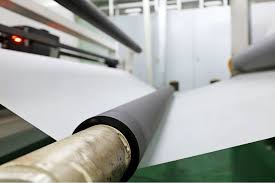
Um das Ausbluten der Tinte zu reduzieren, ist ein integrierter Ansatz erforderlich. Dieser umfasst die korrekten Parameter der Transferpresse, Maßnahmen zur Feuchtigkeitsregulierung und optimierte Arbeitsabläufe zur Dateivorbereitung.
Optimierung der Parameter der Heizpresse
Die präzise Steuerung von Temperatur und Druck gewährleistet ein vorhersehbares Farbstoffverhalten während des gesamten Produktionsprozesses.
Strategien zur Temperaturanpassung
Jeder Substrattyp erfordert einen spezifischen Temperaturbereich, um die Sublimation zu aktivieren und ein Überdampfen der Farbstoffe zu vermeiden. Bei Polyestergeweben, die häufig im Sportbekleidungsdruck verwendet werden, wie z. B. GZP-001 oder GZP-005, wird eine vollständige Farbentwicklung durch eine Temperatur zwischen 190 °C und 205 °C erreicht. Dadurch werden durch Überhitzung entstehende Farbausfransungen vermieden.
Druck- und Zeitkalibrierung
Mäßiger Druck gewährleistet einen gleichmäßigen Kontakt zwischen Papier und Substrat. Dadurch wird verhindert, dass überschüssige Farbe durch die Fasern gepresst wird. Die Presszeit sollte der Materialstärke angepasst werden. Dünne Polyester benötigen kürzere Presszeiten als beschichtete Keramik. Dies verhindert eine Übersättigung und gewährleistet gleichzeitig einen vollständigen Farbtransfer.
Feuchtigkeitsregulierung in Druckmaterialien
Durch die Kontrolle der Luftfeuchtigkeit im Material vor dem Pressvorgang lassen sich dampfbedingte Ausblutungsprobleme deutlich reduzieren.
Vorbehandlungs- und Trocknungsverfahren
Durch das Vortrocknen von Substraten und Transferpapieren wird die während der Lagerung aufgenommene Umgebungsfeuchtigkeit entfernt. Ein kurzes Vorpressen bei niedriger Temperatur (ca. 100 °C) beseitigt effektiv verbliebene Restfeuchtigkeit vor dem endgültigen Pressvorgang.
Aufbewahrungsempfehlungen für Papier und Textilien
Transferpapier sollte bei Nichtgebrauch flach in einer verschlossenen Verpackung aufbewahrt werden. Dies verhindert die Aufnahme von Feuchtigkeit durch Luftkontakt. Eine Umgebung mit niedriger Luftfeuchtigkeit und stabilen Temperaturen trägt zur Erhaltung bei. Papier Knickfestigkeit. Diese Eigenschaft wird durch fortschrittliche Antiknickbeschichtungen verbessert, die auf modernen Papieren verfügbar sind, die von [Herstellername] hergestellt werden. Changfa Digitalvon Aus Deutschland importiertes Beschichtungsanlagensystem.
Verbesserung der Bildvorbereitung und des Farbmanagements
Die Bildeinstellungen bestimmen auch, wie genau die Farben nach der Übertragung aussehen.
Korrekte Dateieinrichtung für die Sublimationsausgabe
Designdateien sollten mit einer Mindestauflösung von 300 dpi erstellt werden. Dies gewährleistet eine gestochen scharfe Detailwiedergabe nach der Übertragung. Präzise, auf spezifische Tinten und Papiere abgestimmte ICC-Profile garantieren eine vorhersehbare Farbwiedergabe auf verschiedenen Druckern und Produktionsstandorten.
Ausgleich der Tintendichte beim Drucken
Durch eine leichte Reduzierung der Gesamtfarbmenge bei dunklen Farbtönen wird ein Verlaufen der Farbe verhindert, sobald die Farbstoffe durch Hitze in die Gasphase übergehen. Kleine Testdrucke vor der Massenproduktion ermöglichen die Feinabstimmung der Farbdichte, ohne das Risiko von Fehlern in der gesamten Charge einzugehen. Dieser Schritt ist entscheidend für Großaufträge von Markenherstellern oder Textilherstellern.
Changfa Digital ist Hersteller von Sublimationspapier und Anbieter von Digitaldruckdienstleistungen. Das Unternehmen produziert Sublimationspapier aus einer Hand – vom Basispapier über die Beschichtung bis hin zum Schneiden. Dank dieser Expertise sind die Beschichtungen gleichmäßig und mit hochdichten Tinten kompatibel, wodurch das Ausbluten durch unzureichende Absorption minimiert wird.
Fortschrittliche Lösungen für Sublimationsprojekte im Jahr 2026
Neue Technologien verändern die Art und Weise, wie Fachleute das Verhalten von Tinte in industriellen Sublimationsdruckverfahren steuern.
Verwendung von Sublimationstinten und -papieren der nächsten Generation
Tinten der neuen Generation zeichnen sich durch schnellere Trocknungszeiten dank verbesserter Partikelstabilität aus. Dadurch wird die Migration unter Hitzeeinwirkung minimiert. Beschichtete Transferpapiere verfügen nun über Anti-Curl-Schichten, die eine perfekte Kontaktausrichtung während der Pressvorgänge gewährleisten. Diese Ausrichtung ist entscheidend für großformatige Textilpaneele, die in der Bekleidungs- oder Inneneinrichtungsbranche eingesetzt werden.
Changfa Digital verfügt über eine Produktionskapazität von 3000 Tonnen pro Monat. Diese Kapazität ermöglicht es Changfa Digital, weltweit tätig zu sein. OEM/ODM-Kunden auf der Suche nach einer zuverlässigen Versorgung für Großprojekte, die präzisionsbeschichtete Medien erfordern.
Integration intelligenter Drucktechnologien
Automatisierung wird zunehmend zur Stabilisierung von Druckumgebungen eingesetzt. Systeme mit Feuchtigkeitssensoren passen Luftstrom oder Heizelemente automatisch anhand von Echtzeitmesswerten an. KI-gestützte Software optimiert die Tropfenplatzierung zusätzlich durch die Analyse der Rückmeldungen von Düsenleistungssensoren. Dies reduziert Materialverluste und verbessert gleichzeitig die Bildschärfe bei komplexen Farbverläufen oder Fotodrucken.
Nachhaltige Praktiken zur langfristigen Qualitätskontrolle
Umweltfreundliche Tinten, die mit niedrigflüchtigen Lösungsmitteln formuliert sind, reduzieren die chemische Verdampfung. Diese Verdampfung trägt unter thermischer Belastung zur Bildung von Farbausblutungen bei. Regelmäßige Wartungsarbeiten, einschließlich Düsenreinigung und Kalibrierungsprüfungen, gewährleisten eine gleichbleibende Druckgenauigkeit über lange Zeiträume ohne Streifen oder Banding-Artefakte, die optisch Farbausblutungen vortäuschen.
FAQ (häufig gestellte Fragen)
Frage 1: Welches GSM-Sublimationspapier sollte ich wählen, um das Ausbluten der Tinte zu minimieren?
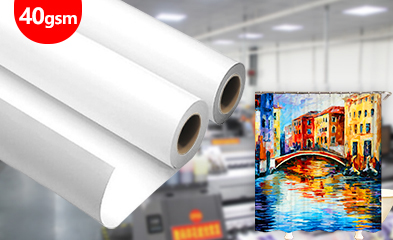
A1: Für allgemeine Textilanwendungen wie Sportbekleidung (100 % Polyester) bieten mittelschwere Varianten wie 40–60 g/m² eine ausgewogene Wasseraufnahme ohne Übersättigung der Fasern. Changfa Digital bietet verschiedene Qualitäten von 29 g/m² bis 100 g/m² an und gewährleistet so die Kompatibilität mit unterschiedlichsten Projektanforderungen.
Frage 2: Wie kann ich die Luftfeuchtigkeit beim großflächigen Sublimationsdruck kontrollieren?
A2: Halten Sie die Luftfeuchtigkeit in der Werkstatt mithilfe von Luftentfeuchtern in der Nähe der Lagerbereiche unter 60 %. Trocknen Sie die Substrate vor dem Pressen stets vor, insbesondere während der Regenzeit, um eine Ausbreitung des Dampfes während der Hitzeaktivierungszyklen zu verhindern.
Frage 3: Wo kann ich zuverlässiges, knickfestes beschichtetes Papier für industrielle Zwecke beziehen?
A3: Sie können diese direkt aus dem Produktsortiment von Changfa Digital beziehen. Wir bieten Herstellern von Sublimationspapier und digitalen Druckdienstleistungen aller Art alles an, darunter auch speziell entwickelte beschichtete Rollen, die Verformungen beim Transfer bei hohen Temperaturen verhindern. Dies eignet sich ideal für Großbestellungen von Händlern oder Bekleidungsherstellern weltweit.


