


ورق التسامي للقمصان: كيفية اختيار الورق المناسب، وقماش البوليستر، ومكبس الحرارة
بيع ساخن
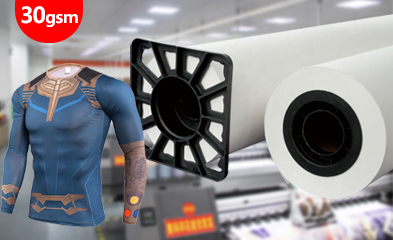
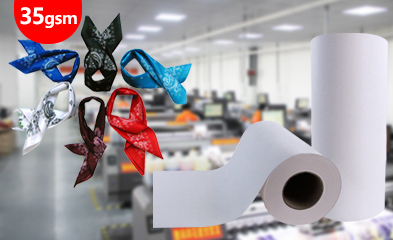
التطبيق
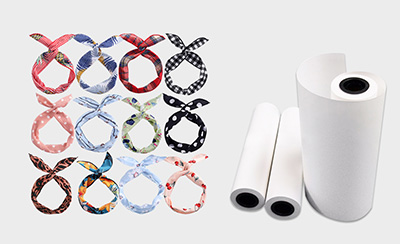
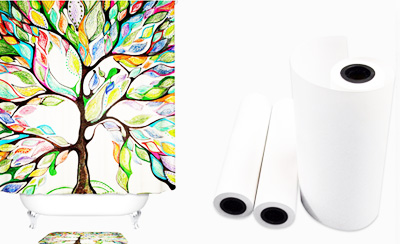
Phone:+86-15215969856 E-Mail: 396838165@qq.com

قد تبدو رسومات القمصان واضحة في ملف الطباعة، لكنها باهتة على القماش المطبوع، ثم تصبح أكثر سطوعًا بعد الكي. هذا التدرج طبيعي إلى حدٍ ما. أما عدم تجانس اللون الأسود، أو الحواف غير الواضحة، أو أي اختلافات بين القمصان، فتستدعي فحصًا أدق. وأفضل طريقة لاختيار ورق التسامي المناسب للقمصان هي التعامل مع الورق، وكمية الحبر، ونوع قماش البوليستر، وظروف الكي كوحدة إنتاج واحدة.
Changfa Digital ورق سريع الجفاف بوزن 60 جرامًا للمتر المربع صُمم هذا الورق خصيصًا لتطبيقات الحبر المشتت والبوليستر، مثل الملابس الرياضية والأقمشة المطاطية. وهو متوفر بأحجام عريضة وطويلة. تتمتع شركة تشانغفا بخبرة تزيد عن 15 عامًا في مجال الطباعة الرقمية، وتتولى جميع مراحل الإنتاج بدءًا من الورق الأساسي مرورًا بالطلاء والتقطيع. تشمل مرافقها أربعة خطوط طلاء، وأربع ورش تقطيع، وعشر آلات تقطيع. ولا يزال يتعين اختبار الورق النهائي على القميص الفعلي وضغطه حراريًا.
لماذا يتغير تصميم القميص نفسه بعد عملية الكبس الحراري؟
لون الورقة المطبوعة مقابل لون القميص النهائي
لا تكتمل طباعة التسامي الحراري بمجرد خروجها من الطابعة. غالبًا ما يبدو اللون باهتًا على الورق الحامل لأن الحرارة لم تنقل الصبغة بعد من الطبقة الخارجية إلى ألياف البوليستر. لذا، قيّم كثافة اللون ودرجته وجودة الحواف على القميص المطبوع. توقع أن تبدو الورقة والقميص متطابقين تمامًا قد يؤدي إلى تعديلات غير ضرورية في برنامج RIP أو الحبر.
محتوى البوليستر، لون القميص، وملمس السطح
يُحدد محتوى البوليستر الحد الأقصى العملي لقوة اللون. عادةً ما يبدو القميص الأبيض عالي البوليستر أكثر إشراقًا من القميص المصنوع من مزيج غني بالقطن، لأن صبغة التسامي تلتصق بالبوليستر، وليس بالقطن غير المعالج. كما أن تقنية التسامي العادية لا تُضيف طبقة بيضاء معتمة فوق الملابس الداكنة. ويمكن أن تُخفف نسيج الحياكة ومرونتها من حدة التفاصيل الصغيرة حتى بعد إزالة الصبغة تمامًا.
التعبئة الداكنة والتدرجات والتفاصيل الدقيقة كاختبارات للإجهاد
تضع المساحات السوداء الكبيرة كمية أكبر من الحبر على الورقة وتجف ببطء أكثر من الأعمال الفنية ذات الألوان الفاتحة. تكشف التدرجات اللونية عن قفزات لونية، بينما تُظهر الخطوط الدقيقة التمويه أو الحركة أو الحواف الضعيفة. يوفر ملف الموافقة الذي يجمع بين هذه العناصر الثلاثة اختبارًا أفضل لـ سلوك الورق والحبر أكثر من مجرد شعار صغير.
افصل أعراض الورق والقماش وحمل الحبر والطباعة قبل تغيير البكرة
انظر إلى وقت ظهور العيب لأول مرة. تشير الخطوط على الورقة المطبوعة إلى الطابعة، أو الفوهات، أو برنامج RIP، أو توصيل الحبر، أو التغذية. قد يكون التلطيخ قبل الكبس ناتجًا عن زيادة الحبر أو بطء التجفيف. إذا أصبحت ورقة نظيفة باهتة اللون، أو مزدوجة، أو بها علامات بعد الكبس فقط، فتحقق من تركيبة القماش، والرطوبة، والحركة، وملامسة سطح الكبس، والوقت، ودرجة الحرارة، والضغط. قد يؤدي استبدال ورق التسامي الحراري مبكرًا جدًا إلى إخفاء سبب المشكلة في اختبار واحد، ثم ظهورها مرة أخرى في الطلب التالي.
كيفية تنسيق ورق التسامي للتيشيرت مع قماش البوليستر
يجب أن يحتفظ الورق بالصورة المبللة لفترة كافية لطباعة واضحة، وأن يجف بسرعة كافية لضمان التعامل الآمن معه، وأن يُطلق الصبغة عند تعرضه للحرارة. قد يتفاعل ورق التسامي المستخدم في طباعة القمصان، والذي يُعطي أداءً جيدًا مع تصميم معين، بشكل مختلف عند تغير التغطية، أو نوع قماش القميص، أو سرعة الطابعة، أو رطوبة الغرفة. لذا، يُنصح بإجراء الاختبار على التصميم والقميص المُراد طباعتهما، وليس كبديل مناسب.
ثبات الحبر ووضوح الحواف مع ورق Changfa المطلي بوزن 60 جرامًا للمتر المربع
تستخدم لفة Changfa بوزن 60 غرامًا للمتر المربع سطحًا مطليًا لنقل الحبر المشتت إلى البوليستر. أثناء الطباعة، يجب أن يحافظ الطلاء على دقة الخطوط والنصوص الصغيرة. بعد الكبس، يجب أن تكون الحشوات متساوية، وأن تظل الخطوط الخارجية واضحة، وألا يحتفظ السطح الحامل بكمية زائدة من الصبغة نتيجةً لعدم توافق الورق مع عملية الطباعة. هذا هو الاختبار العملي لورق التسامي المستخدم في طباعة أقمشة البوليستر.
تجفيف سريع وتغذية مستقرة أثناء التعامل مع ألواح القمصان
يُقلل التجفيف السريع من تداخل الحبر عند التعامل مع الأوراق أو نقلها إلى المطبعة. كما يُساعد التغذية الثابتة على بقاء التصميم مُحاذيًا أثناء عمليات الطباعة الطويلة. صُمم هذا المنتج بوزن 60 غ/م² ليناسب كلا النوعين، مما يجعله مثاليًا لألواح الملابس الرياضية والرسومات المتكررة على الملابس. لا تُعالج هذه الميزات مشكلة تلف الفوهة أو تجاوز حد الحبر المسموح به، ولكنها تُزيل عاملين شائعين من عملية الطباعة.
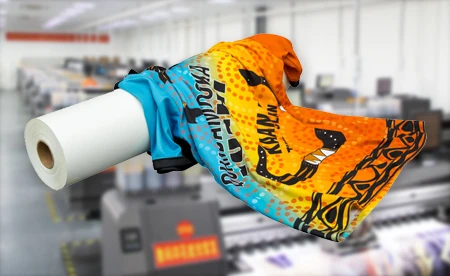
طابق وزن الورق وتغطية الصورة دون تحميل الورقة فوق طاقتها
لا يُعدّ الوزن وحده معيارًا كافيًا للاختيار. فالرسومات الكثيفة التي تغطي كامل الورقة، أو أنماط الطباعة البطيئة، أو حدود الحبر العالية، تُبقي كمية أكبر من الحبر السائل على السطح. لذا، تحقق من وجود أي تجعّد أو احتكاك أو تداخل أو تأخر في الجفاف. إذا كان التصميم الفاتح يُطبع بسلاسة بينما لا يُطبع التصميم الداكن كذلك، فقم بتعديل كل متغير على حدة بدلًا من افتراض أن جميع أوراق 60 غرامًا للمتر المربع تتصرف بنفس الطريقة.
خيارات العرض من 112 إلى 183 سم وطول اللفة من 200 إلى 2500 متر
تتراوح العروض المتاحة من ١١٢ سم إلى ١٨٣ سم، والأطوال من ٢٠٠ متر إلى ٢٥٠٠ متر. يجب اختيار العرض المناسب لمساحة الطباعة المتاحة وتصميم اللوحة، بما في ذلك الهوامش. كما يجب اختيار الطول المناسب لنظام السحب، ومساحة التخزين، وحجم الطلبات، وإجراءات تغيير الطباعة. يمكن للمواد العريضة أن تقلل من تمزق اللوحة، بينما يقلل استخدام لفة طويلة مناسبة من الانقطاعات. أما استخدام لفة كبيرة الحجم لا يمكن للطابعة التحكم بها فلا فائدة منه.
كيف تدعم تقنية التحكم في الطلاء والتقطيع من Changfa اتساق اللفائف؟
تتولى شركة تشانغفا إدارة الورق الأساسي والطلاء والتقطيع، وتقدم مجموعة أوسع من الخدمات. مجموعة ورق التسامي من 29 غ/م² إلى 100 غ/م². يمكن للمشترين مناقشة استجابة الطلاء، والعرض، والطول، واللب، والمواصفات المستندة إلى العينات مع أحد المنتجين. توضح خطوط الطلاء الأربعة، وورش التقطيع الأربعة، وآلات التقطيع العشر الطاقة الإنتاجية؛ ولا تغني عن عمليات الفحص الواردة. وافق على المواصفات الدقيقة وقارن أول لفة إنتاج بالعينة الموقعة.
كيف يؤثر الوقت ودرجة الحرارة والضغط على عملية النقل؟
حتى ورق الطباعة الحرارية المُناسب تمامًا قد يُنتج نتائج ضعيفة أو غير واضحة عند استخدام إعدادات خاطئة. تعمل درجة الحرارة على تنشيط انتقال الصبغة، ويُتيح الوقت اكتمال عملية النقل، بينما يُحافظ الضغط على تلامس مُحكم بين الورق والقماش. زيادة كلٍّ من هذه العوامل لا يعني بالضرورة جودة أفضل. استخدم نطاق درجات الحرارة المُوصى به من قِبل المُورّد، ثم تأكد من مُلاءمته على القميص الفعلي أثناء الطباعة.
اختبر ورق Changfa بوزن 60 جرامًا للمتر المربع باستخدام القميص الفعلي واضغط عليه.
ابدأ بملف تصميم واحد، وإعداد الحبر، وقميص، ولفة قماش 60 غ/م². افحص السطح المنقول، والورق الحامل، وسطح القماش. لا يُعتبر اللون الزاهي ذو الحواف غير الواضحة مقبولاً تماماً. كما لا يُعتبر نموذج حادّ يتغير عند تكرار الإعداد على قطعة أخرى مقبولاً أيضاً. يجب أن يعكس الاختبار ظروف الإنتاج.
فصل سلوك الورق عن درجة الحرارة والوقت والضغط
غيّر متغيرًا واحدًا للضغط في كل تجربة. إذا ظهر اللون مع مرور الوقت أو ارتفاع درجة الحرارة بينما بقيت الحواف ثابتة، فقد يكون الإعداد الأول منخفضًا جدًا. إذا اتسعت الخطوط الخارجية أو لمع القماش تحت تأثير المزيد من الحرارة والضغط، فقد تجاوزت العملية الحد المسموح به. حافظ على ثبات نوع الورق وكمية الحبر ونوع القميص، ثم ثبّت إعدادات الضغط المختارة عند مقارنة نوع ورق آخر.
منع الرطوبة والحركة وعدم انتظام تلامس اللوح
قد يتحول الرطوبة إلى بخار ويترك بقعًا باهتة أو ضبابية. خزّن الورق في مكان جاف واترك اللفائف الباردة تتأقلم قبل فتحها. حافظ على القميص مسطحًا، واستخدم أغطية واقية نظيفة، وثبّت الطباعة جيدًا لمنع الحركة. قد تؤثر الدرزات والياقات والسحابات والحواف السميكة على تلامس اللوح، لذا اختبر تأثيرها بدلًا من الضغط على القميص بأكمله. توجيه حراري من البوليستر يضيف سياقًا لتجنب العلامات.
تشخيص المناطق الباهتة، والظلال، وظلال الحواف، وعلامات الضغط
قد ينتج اللون الباهت عن انخفاض نسبة البوليستر، أو عدم كفاية النقل، أو الرطوبة، أو عدم انتظام التلامس. يشير ظهور الظلال عادةً إلى حركة أثناء ثبات الصبغة. أما المناطق اللامعة والعلامات المستطيلة فتدل بقوة أكبر على الضغط، أو الحرارة، أو شكل قاعدة الطباعة، أو وضعية الملابس. لذا، يُنصح بفحص النمط الظاهر قبل تغيير وزن الورق.
سجّل المنتج والحبر والقماش ومجموعة الطباعة لطلبات التكرار
سجّل مواصفات الورق واللفافة، ووضع الطابعة، والحبر، وإعدادات برنامج RIP، ونوع القميص ولونه، وتغطية الصورة، وإعدادات الطباعة، وطريقة المعالجة. أضف صورة أو عينة محفوظة عند الإمكان. لا ينبغي أن يعتمد الطلب التالي على الذاكرة عندما لا تتطابق دفعتان.
كيفية الموافقة على إعداد طباعة القمصان المتكررة
أنشئ ملف اختبار باستخدام تعبئة داكنة، وتدرجات لونية، وخطوط دقيقة، ونص صغير.
استخدم ملفًا مضغوطًا يُظهر نقاط الضعف المختلفة: كتلة سوداء، ألوان مشبعة، تدرج لوني سلس، خطوط رفيعة موجبة وسالبة، نص صغير، ومنطقة محايدة. ضع بعض التفاصيل بالقرب من حافة منطقة الطباعة. يمكن لعينة زخرفية أن تبدو جذابة مع إخفاء مشاكل التجفيف والتسجيل والتحرير؛ بينما يُظهر ملف التشخيص هذه المشاكل قبل الإنتاج.
قارن النتائج على قميص البوليستر الفعلي
افحص القطعة تحت إضاءة فحص عادية. انظر إلى التصميم كاملاً، ثم تفحص النصوص الصغيرة والخطوط الخارجية والألوان الداكنة بدقة. قم بتمديدها فقط بالقدر الذي ستُمدد به عند الاستخدام. إذا كان القميص مصنوعًا من عدة مواد أو أجزاء، فاختبر كل منطقة مطبوعة على حدة. لا يمكن لورق التسامي العادي المخصص للأقمشة أن يجعل قطعة البوليستر المنخفضة تتصرف مثل جسم القميص المصنوع من البوليستر.
تحقق من سرعة الجفاف والتغذية والنقل على أكثر من قطعة واحدة
لا تُثبت ورقة واحدة نظيفة الكثير عن التكرار. اطبع واضغط عدة قطع مع مراقبة التجفيف في المناطق الكثيفة، وتتبع الورق، والتعامل مع الورقة، وموضع الصورة، واللون النهائي. يكون ورق التسامي للقمصان جاهزًا للطلب عندما يظل سير العمل قابلاً للإدارة وتبقى النتيجة المنقولة ضمن المعايير المعتمدة، وليس فقط عند اجتياز العينة الأولى.
تأكد من ملاءمة لفة الورق سريعة الجفاف بوزن 60 جرامًا للمتر المربع للعمل
تُعدّ لفة الورق بوزن 60 غ/م² خيارًا مناسبًا للطباعة على البوليستر باستخدام أحبار التشتيت، والتي تتطلب سرعة تجفيف عالية، وتغذية ثابتة، وأحجامًا عريضة أو طويلة. وهي مناسبة للملابس الرياضية والأقمشة المطاطية. يُعتمد استخدامها عندما تجف الطبقة المختارة بشكل كامل، ويتحكم نظام الطباعة باللفة، وتُنقل الطباعة بسلاسة، ويظهر اللون والتفاصيل المطلوبة على الملابس.
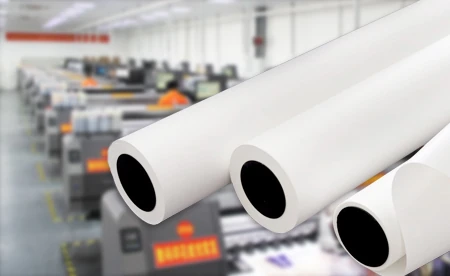
انتقل إلى ثقل ورق تشانغفا آخر أو إلى مواصفات مخصصة عند الحاجة.
قد يناسب وزن مختلف طابعةً أو كمية حبر أو طريقة نقل أو إجراءات معالجة خارج النطاق المريح البالغ 60 غ/م². تتيح مجموعة منتجات Changfa التي تتراوح أوزانها بين 29 غ/م² و100 غ/م²، بالإضافة إلى خيارات تصنيع المعدات الأصلية (OEM) أو التصميم والتصنيع الأصلي (ODM) القائمة على العينات، مناقشة مواصفات أخرى. أرسل عينة مطبوعة أو تفاصيل العملية لضمان بقاء المقارنة مرتبطة بمشكلة ظاهرة.
ما هي تفاصيل المشروع التي تساعد تشانغفا في تضييق نطاق اختيار الورق؟
تتضمن التفاصيل المفيدة نوع الطابعة وعرضها القابل للاستخدام، ونوع الحبر، ووضع RIP، ونوع القميص ولونه، وتغطية التصميم، وحجم اللفة، وإعدادات الطباعة، وكمية الطلب، والنتيجة المرجوة. تساعد صور القميص الحامل والقميص المطبوع على التمييز بين مشاكل الطباعة ومشاكل النقل. يرجى ذكر وزن الورق الحالي عند طلب استبداله.
استنتاج
لا يتحقق الحصول على نتيجة طباعة متكررة على القمصان باستخدام ورق طباعة واحد أو ضبط درجة حرارة الطباعة نفسها، بل يتطلب الأمر مطابقة خصائص الورق، وتغطية الحبر، ونوع قماش البوليستر، وظروف الطباعة، ثم اختبار المنتج النهائي على أكثر من قطعة. لذا، عند اختيار ورق الطباعة الحرارية للقمصان، يجب أن يبدأ الأمر بالتصميم والقميص نفسهما، وليس فقط بوزن الورق (بالغرام/متر مربع).
صُممت لفائف Changfa سريعة الجفاف بوزن 60 غ/م² خصيصًا لطباعة البوليستر باستخدام أحبار التشتيت، وتتميز بسرعة التجفيف، وثبات التغذية، وعرض يتراوح من 112 سم إلى 183 سم، وطول من 200 متر إلى 2500 متر. ويمكن لشركة Changfa أيضًا مناقشة أوزان أخرى ومواصفات بناءً على عينات للفرق التي تقارن بين أنواع ورق التسامي المناسبة لأقمشة البوليستر. هل تحتاجون إلى توصية بشأن نوع الورق المناسب لطباعة قمصان قادمة؟ أرسل تفاصيل إنتاجك، بما في ذلك الطابعة والحبر، وتركيبة القميص ولونه، وتغطية التصميم، والعرض المطلوب، وظروف الطباعة، وطول الطلب، وذلك لتحديد لفة الإنتاج المناسبة.
الأسئلة الشائعة
س1: هل ورق التسامي مناسب لكل أنواع وألوان القمصان؟
أ1: لا. تعمل تقنية الطباعة بالتسامي الحراري القياسية بشكل أفضل على القمصان البيضاء أو ذات الألوان الفاتحة والغنية بالبوليستر. عادةً ما تُعطي الأقمشة الغنية بالقطن نتيجة باهتة، بينما تبقى الأقمشة الداكنة ظاهرة لأن هذه العملية لا تُطبع قاعدة بيضاء معتمة. يُنصح باختبار الطباعة على القميص نفسه قبل الموافقة على أي ورقة.
س2: ما هو وزن الورق الذي يجب استخدامه للطباعة الحرارية على القمصان؟
A2: لا يوجد وزن موحد. فكمية الحبر المستخدمة في الطابعة، وتغطية الحبر، ووقت التجفيف، وطريقة التعامل، وأسلوب النقل، كلها عوامل مهمة. يمكن استخدام ورق التسامي الحراري بوزن 60 غرامًا للمتر المربع في طباعة الملابس المصنوعة من البوليستر بشكل متواصل، شريطة أن يجف جيدًا ويحافظ على ثباته أثناء الطباعة والكي. ينبغي تجربة أوزان أعلى أو أقل عند تغير سير العمل أو كمية الحبر المستخدمة.
س3: لماذا تبدو ألوان التسامي باهتة على الورق ولكنها أكثر إشراقًا بعد الضغط الحراري؟
A3: الورقة المطبوعة مجرد حامل. تعمل الحرارة على نقل الصبغة من الورق المطلي إلى البوليستر، حيث يتشكل اللون النهائي. من الطبيعي وجود بعض الاختلاف. إذا بقي لون القميص باهتًا أو أصبح غير متجانس، فتحقق من نسبة البوليستر، والرطوبة، والوقت، ودرجة الحرارة، والضغط، والتلامس قبل إلقاء اللوم على ورق التسامي أو القماش.


