


Sublimation Jersey Printing Techniques That Redefine Color Precision
بيع ساخن
التطبيق
Phone:+86-15215969856 E-Mail: 396838165@qq.com
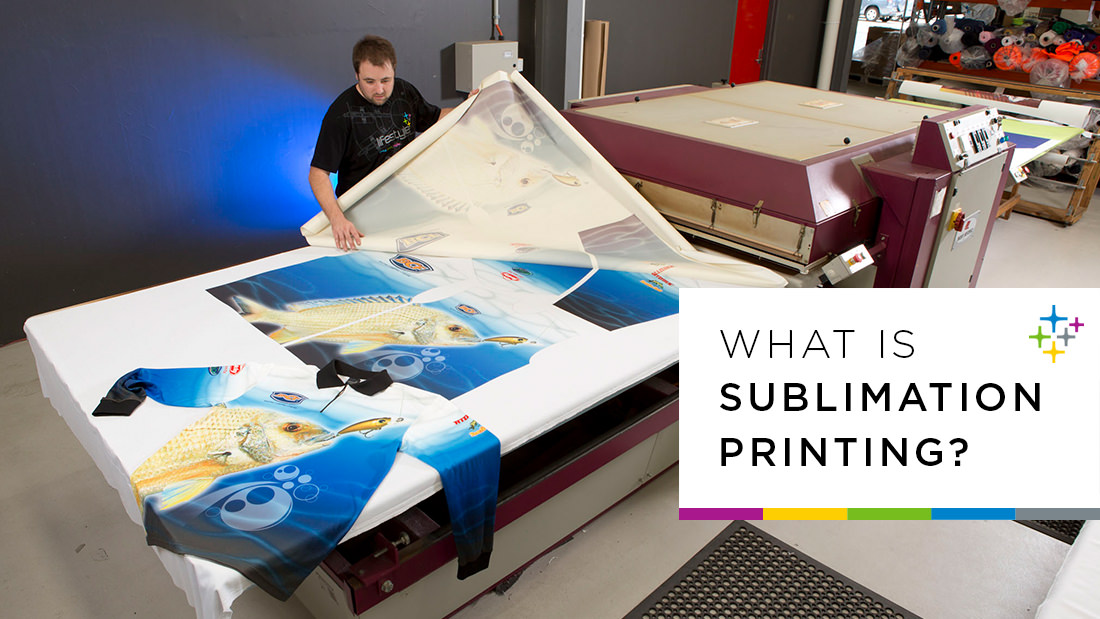
Color accuracy matters more in sportswear now. Teams and brands want clearer graphics, smoother gradients, and steadier results on each jersey. Today’s sublimation jersey printing achieves this by embedding color straight into the fabric. This keeps designs bright during repeated wear, washing, and games. As the method advances, it shapes what buyers seek in custom sports gear.
The Evolution of Sublimation Jersey Printing
What Are the Core Principles Behind Sublimation Technology?
طباعة التسامي turns solid dye particles into gas with heat and pressure. These particles then bond with polyester fibers. Unlike screen or vinyl printing, which places ink on the fabric surface, sublimation soaks the dye into the material. This deep transfer makes the design part of the fabric. It creates lasting, fade-proof graphics perfect for sportswear.
The method needs steady heat and pressure. At about 200°C, the inks turn to gas and enter polyester fibers. They lock in color forever. Because of this infusion, sublimated jerseys stay airy and bendable. These traits matter for athletic clothing.
Benefits go past toughness. You get full-color prints without extra layers or bulk. The technique handles detailed designs, smooth blends, and lifelike images that old methods can’t match. It works well on polyester fabrics for team uniforms and activewear. Their polymer makeup accepts the dye easily.
How Did Sublimation Change the Landscape of Sportswear Design?
Moving from screen printing to digital sublimation brought big changes to textile work. Screen printing needed separate screens for each color. It struggled with complex patterns. Digital sublimation removed those limits. It allows direct shifts from digital files to fabric with endless colors and even gradients. Now, designers make detailed patterns that cover whole garments. They avoid alignment issues or color spreads.
Current production setups use top sublimation printers for fast, exact output in large batches. Changfa Digital is the professional sublimation paper manufacturer and has supplied the digital printing service for 15+ years; it’s the factory for sublimation papers, from base paper to making coatings and slitting and shipping to all the world. Their tech ensures steady image transfer on big rolls. This suits full jersey panels. It keeps colors bright and details sharp.
The Science Behind Color Precision in Sublimation Printing
What Determines Color Accuracy in Sublimated Jerseys?
Color match in sublimation jersey printing relies on key factors that align well: ICC profiles, printer setup, ink makeup, and fabric traits. ICC profiles link device color ranges for reliable results across machines. Routine setup keeps printer parts in line and fixes any shifts over time. This holds steady quality between batches.
Fabric type matters just as much. Dense polyester weaves give brighter prints. They take in the dye gas evenly, unlike loose weaves or cotton mixes. Weather like high humidity can change dye entry. Too much moisture might weaken ink strength or lead to uneven hold.
How Can You Maintain Consistency Across Production Runs?
You gain steady results with tight control over steps. RIP (Raster Image Processor) software handles color data shifts. It also sets ink limits for each fabric type. Auto checks keep even color depth at quick speeds.
Use green solvents that are safe and harmless. They offer a broad color range with lively shades. They boost black coverage in pro sublimation ink after transfer. The ink flows smoothly too. It prints 20 meters at 360dpi without breaks or spots. These features cut differences between runs. They deliver pro-level work for sports gear making.
Advanced Techniques That Redefine Jersey Aesthetics
How Does High-Density Layering Enhance Visual Depth?
High-density layering uses several runs of tiny ink drops to build deeper tones and clearer images. It avoids too much wetness. Each run adds small ink amounts that go further into fibers. This creates a sense of depth that single-run setups lack.
Exact printheads with adjustable drop sizes improve this more. They change drop amounts based on image needs. Bigger drops cover wide spots quickly. Smaller ones sharpen edges or blends.
What Innovations Improve Gradient Blending and Edge Definition?
Blending gradients used to be tough because colors shifted suddenly. New adjustable drop tech fixes this. It changes drop size as printing happens. This creates smooth color changes while keeping sharp lines around logos or numbers. Such details are key for pro jerseys that need clear branding up close.
Material Compatibility and Fabric Performance in Sublimated Jerseys
Which Fabrics Deliver Optimal Results?
Sublimation works best on man-made fabrics like polyester. Its heat-melt structure opens up to take in dye gas fully. Then it seals upon cooling. Microfiber types boost sweat pulling while holding bright colors after many washes.
Matching الحبر to fabrics stops dye shifts or faint images during presses. This is vital for even team sets where colors must align across parts.
How Is Durability Tested in Professional Sportswear Production?
Testing checks wash strength (color hold after many cleans), sun resistance (against light fade), and rub toughness (wear from rubbing). Textile materials after transferring: Sunproof Level 6; Washproof Level 4-5. These levels show that sublimated jerseys keep their brightness in hard training. They don’t lose air flow or ease.
Workflow Optimization in Modern Sublimation Production Lines
How Can Prepress Processes Improve Efficiency?
Good prepress work lines up printer results, paper pull, and press heat setup. Smart file tweaks cut wait times. They also stop image twists in big jersey designs.
There were 4 coating lines of Changfa Digital, 4 slitting workshops, and 10 slitting machines for 2 and 3 cores of the packing rolls. This setup allows a nonstop roll supply with little stoppage. It’s key for big orders in busy sports times.
What Role Do Automation Systems Play in Quality Control?
AI sensors watch printhead work live. They spot streaks or shifts early in runs. Advance warnings keep printers running longer by stopping clogs before they slow things down.
Smart systems blend job plans, supply tracking, and power checks into one view. They make growth easier as orders rise worldwide.
Sustainability Aspects of Sublimation Jersey Printing
How Does Sublimation Support Eco-Friendly Manufacturing?
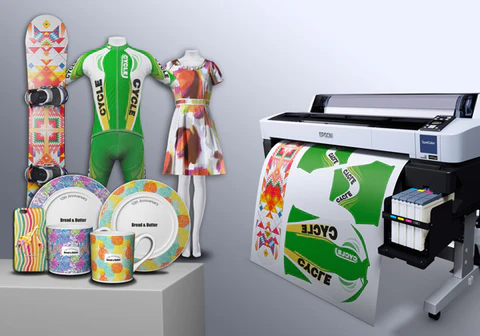
Unlike old dye baths that need heavy water rinsing, sublimation skips water use. It cuts waste water a lot. The transfer papers recycle easily. Paired with low-VOC inks from safe solvents, they lower harm to nature during work.
Better heat use reduces power loss per step by improving heat flow in presses. It gets the same outcomes with less energy than old gear.
You can explore sustainable solutions through Changfa Digital, whose low-VOC ink formulations align with global green manufacturing standards while maintaining exceptional image clarity across performance fabrics.
What Energy-Saving Features Define Modern Equipment?
Smart heat controls steady press steps based on room conditions. They avoid extra heat but ensure full dye lock each time. Power-smart printers use rest modes to cut use when idle. They start fast when needed.
Future Directions in Sublimation Jersey Innovation
Will Smart Textiles Merge Seamlessly with Sublimated Designs?
As tech in wearables grows, adding wire threads or body sensors to printed jerseys gets easier. Sublimation puts dyes under fiber tops, not on them. So, heat steps don’t harm built-in tech. This keeps work and looks strong.
How Will Color Science Continue Evolving?
Studies on wider-range inks aim for more color spans past basic CMYK. They catch true-to-life shades that standard colors miss. Ongoing work seeks not just bright looks but also hold-up under tough game stresses.
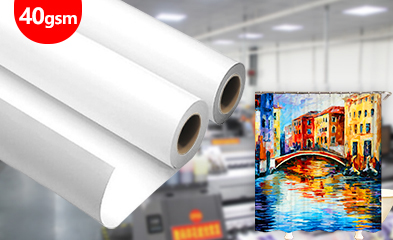
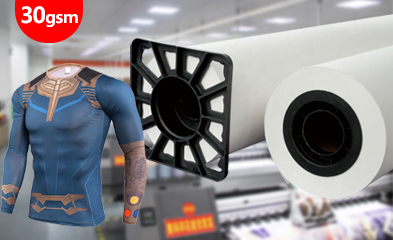
For makers wanting exact yet green options in sublimation jersey printing, partnering with تشانغفا الرقمية provides access to advanced printers, coated papers ranging from 29gsm to 100gsm, and comprehensive workflow systems engineered to elevate both efficiency and artistry across global sportswear markets.
أسئلة متكررة
Q1: Why is polyester preferred over cotton for sublimated jerseys?
A1: Polyester’s polymer structure opens under heat, allowing gaseous dyes to bond permanently within fibers; cotton lacks this property, leading to duller prints that fade quickly after washing cycles.
Q2: How can I prevent ghosting during heat pressing?
A2: Secure both transfer paper edges firmly using thermal tape before pressing; ensure even pressure distribution across platen surfaces to avoid secondary image shifts caused by movement during heating phases.
Q3: Are eco-friendly inks less vibrant than conventional ones?
A3: No—the latest low-VOC formulations achieve comparable chromatic intensity thanks to refined solvent chemistry, delivering wide color gamuts without harmful emissions during production use.


