


بيع ساخن
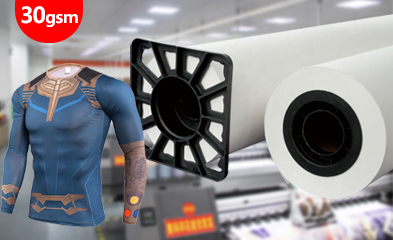
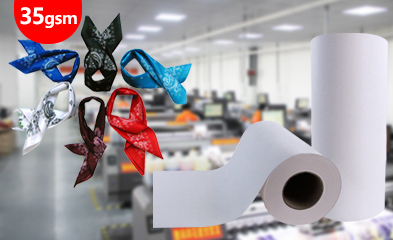
التطبيق
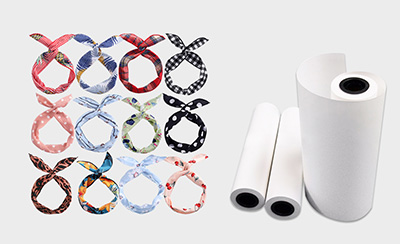
Phone:+86-15215969856 E-Mail: 396838165@qq.com

بالنسبة للموزعين، الاستيراد لفات ورق التسامي نادراً ما يكون قرار الشراء قراراً لمرة واحدة. يبحث معظم المشترين عن مورد قادر على تلبية الطلبات المنتظمة، ومتطلبات العملاء المختلفة، وضمان أداء منتج مستقر على مر الزمن.
قد تبدو لفة الورق متشابهة عند مقارنة عروض الأسعار من موردين مختلفين. ومع ذلك، فإن الاختلافات الطفيفة في وزن الورق، وجودة الطلاء، وحجم اللفة، والتغليف، قد تُحدث اختلافات ملحوظة أثناء الإنتاج.
يحتاج الموزع الذي يزود شركات طباعة المنسوجات إلى أكثر من مجرد سعر تنافسي. السؤال الحقيقي هو ما إذا كانت لفائف ورق التسامي ستحافظ على أدائها الجيد بعد وصولها إلى مصنع العميل.
قبل تقديم طلبية بالجملة، يقوم المشترون ذوو الخبرة عادةً بفحص مواصفات الورق، واختبار نتائج الطباعة الفعلية، ومراجعة القدرة التصنيعية، والتأكد من كيفية تجهيز اللفائف للنقل الدولي.
ما المشاكل التي يمكن للموزعين تجنبها قبل استيراد لفائف ورق التسامي؟
تظهر أكبر مخاطر الشراء عادةً بعد شحن الطلب بالفعل.
قد يجد أحد العملاء أن عرض اللفة لا يتناسب مع المعدات. وقد يُبلغ مشترٍ آخر أن الشحنة الأولى كانت جيدة، لكن دفعة لاحقة تتطلب إعدادات مختلفة للآلة. في بعض الحالات، قد يتسبب سوء التغليف في مشاكل تخزين بعد النقل لمسافات طويلة.
يصعب حل هذه المشكلات بمجرد دخول مئات أو آلاف اللفائف بالفعل إلى سلسلة التوريد.
ولهذا السبب، يتعامل العديد من الموزعين مع عملية تقييم الموردين كجزء من مراقبة الجودة بدلاً من مجرد مقارنة الأسعار.
ما هي مواصفات لفائف ورق التسامي التي يجب التحقق منها أولاً؟
كيف ينبغي للمشترين مطابقة وزن الورق مع احتياجات الإنتاج؟
يُعد وزن الورق أحد المواصفات الأولى التي تتم مناقشتها عند شراء لفائف ورق التسامي.
تؤثر خيارات GSM المختلفة على خصائص التعامل أثناء الطباعة والنقل. ومع ذلك، فإن اختيار ورق أثقل أو أخف لا يعني بالضرورة أداءً أفضل.
يعتمد الاختيار الصحيح على عملية الإنتاج بأكملها:
- نوع الطابعة
- كمية الحبر
- شروط النقل
- تطبيق الأقمشة
- سرعة الإنتاج المطلوبة
على سبيل المثال، قد يكون لدى عميل طباعة المنسوجات الذي ينتج ملابس رياضية بكميات كبيرة متطلبات مختلفة عن شركة تنتج أقمشة مخصصة بكميات أصغر.
توفر شركة Changfa Digital خيارات ورق التسامي التي تغطي نطاقات GSM مختلفة، بما في ذلك منتجات 29gsm و 33gsm و 38gsm و 40gsm و 52gsm و 61gsm و 81gsm و 95gsm لتطبيقات مختلفة.
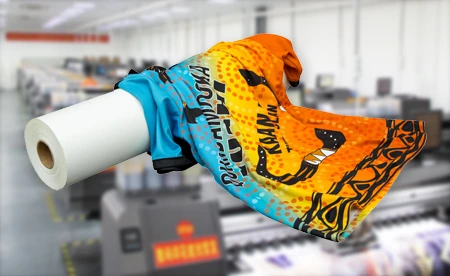
لماذا يعتبر عرض وطول اللفة مهمين للطلبات المستوردة؟
العديد من المشاكل التي تحدث أثناء الإنتاج سببها مواصفات اللفائف غير الصحيحة وليس جودة الورق نفسه.
قد يشتري الموزع لفة ورق تفي بالوزن المطلوب، لكنها لا تتناسب مع معدات الطباعة الموجودة لدى العميل. وهذا يُسبب تعديلات غير ضرورية، وقد يؤثر على كفاءة الإنتاج.
قبل تأكيد الطلب، يجدر التحقق مما يلي:
- متطلبات عرض اللفة
- طول اللفة لكل لفة
- حجم النواة
- طريقة التعبئة
- الاستخدام الشهري المتوقع
توفر شركة Changfa Digital لفائف ورق التسامي بأطوال مختلفة، بما في ذلك الأحجام الصناعية الشائعة مثل 142 سم، 152 سم، 160 سم، 180 سم، 182 سم، و183 سم. كما يمكن مراعاة متطلبات العرض المخصصة وفقًا لاحتياجات المشروع.
لماذا يُعد اختبار العينات مهمًا قبل طلب كميات كبيرة من ورق التسامي؟
تتيح طلبات العينات للموزعين فرصة التحقق من أكثر من مجرد المظهر.
تؤثر بيئة الطباعة الفعلية بشكل كبير. فقد ينتج عن استخدام نفس الورق نتائج مختلفة تبعاً للطابعة ونظام الحبر ونوع القماش وظروف النقل.
يتضمن تقييم العينة المفيد عادةً ما يلي:
هل تعمل الطابعة بسلاسة على جهاز العميل؟
قد تتسبب مشاكل تغذية الورق في توقف الإنتاج بسرعة. لذا، ينبغي على المشترين أثناء الاختبار الانتباه إلى ما إذا كانت البكرة تعمل باستمرار دون الحاجة إلى تعديلات متكررة.
هل تتوافق نتيجة التحويل مع توقعات العميل؟
النتيجة النهائية للنسيج هي المقياس الرئيسي.
قد تبدو الورقة المطبوعة مقبولة قبل النقل، لكن النسيج النهائي يكشف ما إذا كانت العملية الكاملة تعمل بشكل صحيح.
تشمل النقاط المهمة ما يلي:
- جودة نقل الألوان
- اتساق الطباعة
- حالة السطح
- استقرار الإنتاج خلال فترات التشغيل الطويلة
يساعد إجراء الاختبارات قبل طلب الحاويات الموزعين على تجنب اكتشاف المشاكل بعد دخول المواد بالفعل إلى مخزونهم.
كيف يمكن للموزعين تقييم مورد ورق التسامي؟
يسهل مقارنة الأسعار، لكن تقييم القدرة الإنتاجية أصعب.
بالنسبة للموزعين، غالباً ما تستمر علاقة المورد لأشهر أو سنوات. وهذا يجعل استقرار التصنيع جزءاً مهماً من قرارات الشراء.
هل يتحكم المصنّع في عملية الطلاء والتقطيع؟
تتضمن عملية إنتاج ورق التسامي عدة مراحل مهمة. يؤثر اتساق الطلاء على أداء الطباعة، بينما تؤثر جودة التقطيع على التعامل مع اللفائف وتجربة العملاء.
عادةً ما يتمتع المصنعون الذين يديرون هذه العمليات داخلياً بمزيد من التحكم في اتساق المنتج والمتطلبات المخصصة.
تتولى شركة Changfa Digital إنتاج ورق التسامي بدءًا من تحضير الورق الأساسي، مرورًا بالطلاء، وصولًا إلى التقطيع. وتشغل الشركة خطوط طلاء وورش تقطيع لدعم الإمداد بكميات كبيرة.
بالنسبة للموزعين، يمكن لهذا النوع من إعدادات الإنتاج أن يدعم ما يلي:
- طلبات متكررة أكثر استقرارًا
- تواصل أفضل للمواصفات المخصصة
- تخطيط إمدادات أكثر قابلية للتنبؤ
يمكن للموزعين الذين يبحثون عن شريك تصنيع طويل الأجل مراجعة حلول ورق التسامي الرقمي من تشانغفا لفهم المنتجات المتاحة وقدرات الإنتاج.
ما الذي يجب على المشترين التحقق منه بشأن تغليف الصادرات؟
يشكل النقل الدولي تحدياً آخر للمنتجات الورقية.
حتى عندما تكون جودة الورق مطابقة للتوقعات، فإن التغليف غير المناسب قد يؤثر على عمليات التخزين أو حالة المنتج بعد الشحن.
قبل استيراد كميات كبيرة من ورق التسامي، يجب على الموزعين التأكد مما يلي:
- حماية من الرطوبة
- حماية من الانقلاب أثناء التحميل
- ترتيب المنصات
- الحماية الأساسية
- تجهيز الشحن
تستخدم شركة Changfa Digital أساليب التعبئة والتغليف للتصدير، بما في ذلك أغطية اللب والمنصات، لشحنات ورق التسامي، مما يساعد على حماية اللفائف أثناء التسليم الدولي.
بالنسبة للموزعين، يرتبط التغليف ارتباطاً وثيقاً بإدارة المخزون. فالشحنة التي تصل بحالة جيدة تقلل من تكاليف الاستبدال غير الضرورية وشكاوى العملاء.
كيف يمكن للموزعين بناء سلسلة توريد مستقرة لورق التسامي؟
إن أول شحنة ناجحة ليست سوى بداية التعاون مع الموردين.
مع استمرار العملاء في الطلب، يحتاج الموزعون إلى جودة وتواصل مضمونين. يصبح المورد القادر على تكرار نفس المواصفات، والاستجابة للتعديلات، ودعم المتطلبات المستقبلية، أكثر قيمة مع مرور الوقت.
قبل البدء في عمليات الشراء المنتظمة، يمكن للموزعين التأكد مما يلي:
- اتساق الطلب المتكرر
- جدول الإنتاج
- المواصفات المتاحة
- إمكانية التخصيص
- كفاءة الاتصال
يتم بناء سلسلة توريد مستقرة من خلال العديد من التفاصيل الصغيرة، بدءًا من اختيار الورق وحتى التسليم النهائي.
استنتاج
يتطلب اختيار لفائف ورق التسامي للاستيراد عناية أكبر من مجرد مقارنة الأسعار بين الموردين.
تأتي قرارات الشراء الأكثر موثوقية من خلال التحقق من العملية الكاملة: مطابقة المواصفات مع التطبيقات، واختبار العينات قبل الطلبات بالجملة، وتقييم القدرة التصنيعية، والتأكد من الاستعداد للتصدير.
بالنسبة للموزعين، لا يقتصر الهدف على استلام شحنة واحدة ناجحة فحسب، بل يتعداه إلى بناء علاقة توريد تدعم احتياجات الإنتاج لدى العملاء على المدى الطويل.
العمل مع شخص ذي خبرة مصنع لفائف ورق التسامي يمكن أن يساعد الموزعين على إنشاء عملية توريد أكثر استقرارًا وتقليل المخاطر أثناء عمليات الشراء الدولية.
الأسئلة الشائعة
س1: ما الذي يجب على الموزعين التحقق منه قبل استيراد لفائف ورق التسامي؟
أ1: ينبغي على الموزعين مراجعة مواصفات الورق، وتوافق الطابعة، وأداء العينة، وقدرة إنتاج المورد، وتغليف التصدير قبل تقديم طلبات الشراء بالجملة.
س2: هل وزن الورق بالجرام هو العامل الوحيد عند اختيار لفائف ورق التسامي؟
ج٢: لا، إن GSM ليس سوى مواصفة واحدة. يجب على المشترين أيضًا مراعاة حجم اللفة، وظروف الطباعة، ومتطلبات النقل، والتطبيق النهائي على النسيج.
س3: لماذا ينبغي على الموزعين اختبار العينات قبل طلب كميات كبيرة من ورق التسامي؟
ج3: يسمح اختبار العينات للمشترين بالتأكد مما إذا كان الورق يعمل مع الطابعات والأحبار والأقمشة وعمليات النقل الفعلية قبل الالتزام بشحنة أكبر.


