


Sản xuất vải in chuyển nhiệt: Cách chọn chiều rộng cuộn vải phù hợp với dự án
Bán nóng
Ứng dụng
Phone:+86-15215969856 E-Mail: 396838165@qq.com
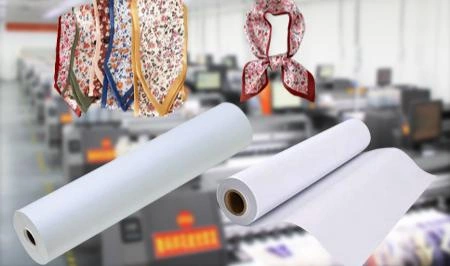
Một dây chuyền dệt có thể sở hữu giấy tốt, máy in hiệu quả và máy ép nhiệt đáng tin cậy, nhưng vẫn có thể lãng phí nguyên liệu vì chiều rộng cuộn vải không được khớp đúng cách. Do đó, chiều rộng cuộn vải là một quyết định của toàn bộ dự án, chứ không chỉ là một con số trên bảng thông số thiết bị. Nó ảnh hưởng đến loại vải có thể đi qua dây chuyền, cách sắp xếp bố cục hình ảnh, loại giấy được mua và lượng sản phẩm có thể sử dụng được trên mỗi mét vải.
Tại sao chiều rộng cuộn vải lại quan trọng trong sản xuất vải in chuyển nhiệt
Điểm xuất phát hữu ích là sản phẩm dệt hoàn thiện, chứ không phải là máy in có khổ rộng nhất hiện có. Người mua cần biết chiều rộng thực tế của vải, mép vải hoặc khoảng cách mép, hướng lặp lại của họa tiết, và liệu họa tiết in có được cắt thành các tấm sau này hay không. Những chi tiết đó sẽ xác định khổ rộng mà dây chuyền phải đáp ứng mà không làm buộc phải chia nhỏ họa tiết hoặc để lại một dải giấy thừa không sử dụng.
Con số quan trọng để phù hợp với dự án là chiều rộng hiệu dụng của máy. Chiều rộng hiệu dụng 1700 mm hoặc 1900 mm vẫn cần được kiểm tra so với chiều rộng giấy in và chiều rộng vải thực tế, chứ không chỉ đơn giản là giả định rằng nó phù hợp với mọi cuộn vải.
Sự phân biệt này rất hữu ích khi thảo luận về thiết bị và vật tư tiêu hao với Changfa kỹ thuật sốViệc lựa chọn cuộn giấy cần được thực hiện như một phần của quy trình sản xuất: chất liệu vải, bố cục, giấy, máy in, máy chuyển nhiệt và phương pháp xử lý đều cần có sự phối hợp nhịp nhàng.
Chiều rộng cuộn giấy thay đổi như thế nào trên dây chuyền in chuyển nhiệt?
Chiều rộng vải tối đa và bố cục in
Chiều rộng hiệu dụng quyết định chiều rộng tối đa thực tế của vải có thể được chuyển qua máy trong một lần chạy. Các máy cán JM-800, JM-600 và JM-420 của Changfa Digital có các tùy chọn chiều rộng hiệu dụng là 1700 mm và 1900 mm. Máy nhỏ hơn JM-200 có các tùy chọn 1200 mm và 1700 mm. Phạm vi này cung cấp cho người mua một bộ lọc đầu tiên rõ ràng trước khi so sánh tốc độ hoặc công suất.
Không nên chỉ định chính xác chiều rộng danh nghĩa của vải. Cần có sự kiểm soát mép, căn chỉnh giấy và một biên độ an toàn hữu dụng. Nếu vải 1700 mm sử dụng gần như toàn bộ vùng chuyển, những thay đổi nhỏ trong việc theo dõi có thể ảnh hưởng đến mép; nếu công việc được thực hiện trên quy trình 1900 mm một cách không cần thiết, chiều rộng không sử dụng có thể trở thành chi phí phát sinh định kỳ.
Hiệu quả sản xuất, lãng phí và chi phí đơn vị
Cuộn giấy rộng hơn có thể tăng sản lượng khi đơn hàng tận dụng tốt chiều rộng đó. Nó cho phép đặt nhiều mảnh vải hơn hoặc lặp lại họa tiết rộng hơn trên mỗi lần in, giảm đường may và giảm số lần in riêng biệt. Tuy nhiên, công suất lớn không tự động đồng nghĩa với việc giá thành rẻ hơn. Một mảnh vải hẹp được đặt trên cuộn giấy quá khổ có thể để lại phần lề không in đáng kể, và mỗi dải giấy trống vẫn phải trải qua quá trình in, sấy và chuyển nhiệt.
Việc tính toán cần bao gồm cả hiệu suất vật liệu, không chỉ tốc độ máy. Hãy so sánh diện tích vải sử dụng được trên mỗi mét, chiều rộng giấy, lượng vải vụn dự kiến, thời gian chuyển đổi và khối lượng đơn hàng. Điều này đặc biệt quan trọng đối với các bộ sưu tập nhiều mã sản phẩm (SKU), nơi mà thiết kế đồ họa thay đổi thường xuyên và một cuộn vải khổ lớn có thể không được sử dụng đều đặn trong suốt tuần.
Chọn loại giấy, máy in và chiều rộng truyền nhiệt phù hợp.
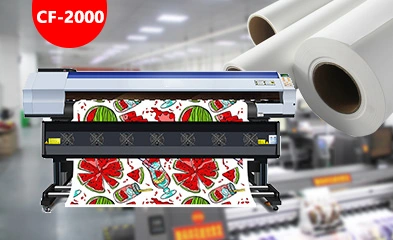
Chiều rộng máy in và chiều rộng bản in cần phải trùng khớp với chiều rộng hình ảnh dự kiến. Sau đó, giấy phải in hình ảnh đó với lề hợp lý. Nếu giấy hẹp hơn bố cục in, quá trình in sẽ dừng lại trước khi chuyển hình; nếu giấy rộng hơn nhiều so với bố cục, người mua sẽ phải trả tiền cho phần lề không tạo ra hiệu quả gì.
Các các loại giấy in chuyển nhiệt Từ Changfa Digital, các loại giấy có khổ rộng từ 61 cm đến 320 cm, với nhiều định lượng giấy và chiều dài cuộn thông dụng phù hợp với các điều kiện dây chuyền khác nhau. Sự linh hoạt này chỉ hữu ích khi khổ rộng được chọn phù hợp với máy in, chất liệu vải và khổ rộng hiệu dụng của máy cán. Định lượng giấy và đặc tính sấy khô cần được kiểm tra trong cùng một thiết lập.
Các ứng dụng khác nhau cần chiều rộng khác nhau.
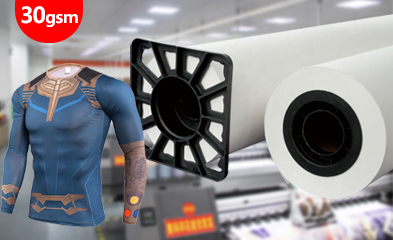
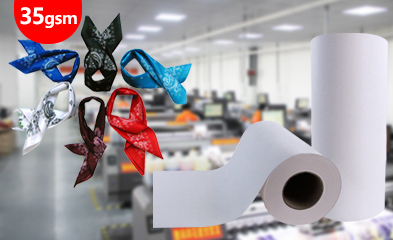
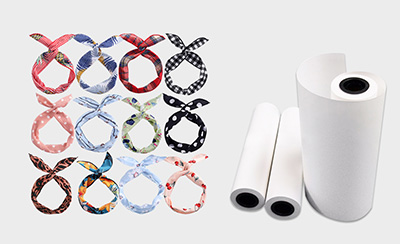
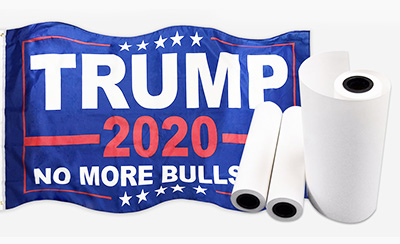
Quần áo thể thao và trang phục thường cần sự linh hoạt trong việc sắp xếp các mảnh vải vì kích thước, các mảnh cắt và vị trí hình ảnh in ấn khác nhau. Chiều rộng cho phép sắp xếp các mảnh vải gọn gàng có thể có giá trị hơn cuộn vải lớn nhất hiện có. Hàng dệt gia dụng có thể ưu tiên chiều rộng liên tục ổn định khi sản phẩm sử dụng các thiết kế rộng, lặp đi lặp lại. Cờ, biểu ngữ và biển hiệu mềm thường được hưởng lợi từ chiều rộng hiệu dụng 1700 mm hoặc 1900 mm vì hình ảnh rộng hơn, không bị gián đoạn có thể tránh được các đường nối dễ thấy.
Vì sao dây chuyền sản xuất rộng hơn lại tạo ra nhu cầu cao hơn trong chuỗi cung ứng?
Dây chuyền chuyển tải khổ rộng đòi hỏi nhiều hơn từ mọi thứ xung quanh nó. Cuộn giấy khổ rộng cần được cuộn ổn định, các cạnh sắc nét, độ bền lõi đầy đủ và việc dỡ hàng cẩn thận. Vải phải giữ thẳng hàng trên một đường đi rộng hơn, trong khi người vận hành có ít khả năng chịu đựng hơn đối với sự lệch hướng của tấm phủ hoặc áp lực không đều từ bên này sang bên kia.
Các chi tiết về chuỗi cung ứng trở nên quan trọng hơn khi kích thước cuộn giấy tăng lên. Một cuộn giấy rộng bị nén trong quá trình vận chuyển, tiếp xúc với độ ẩm hoặc bị hư hỏng ở các cạnh có thể gây ra sự cố cấp giấy trước khi máy in bắt đầu hoạt động. Người mua nên chỉ định kích thước lõi, chiều rộng cuộn, cách sắp xếp trên pallet và biện pháp bảo vệ bề mặt cuộn giấy thay vì coi bao bì xuất khẩu là một vấn đề riêng biệt được xem xét sau đó.
Changfa Digital cũng cung cấp giấy ăn Đối với giai đoạn truyền nhiệt, với các khổ rộng thông dụng bao gồm 160 cm, 162 cm, 180 cm và 182 cm. Kích thước cần phải phù hợp với khổ rộng và độ phủ của tấm in, không nên giả định rằng nó phù hợp với mọi dự án khổ rộng. Nắp lõi, pallet và bao bì xuất khẩu tiêu chuẩn là cần thiết khi giấy và lớp bảo vệ phải được vận chuyển đến nơi trong tình trạng sẵn sàng cho dây chuyền sản xuất.
Cách người mua nên chọn chiều rộng cuộn vật liệu theo loại dự án
|
Loại dự án |
Quyết định ưu tiên theo chiều rộng |
Rủi ro chính nếu không phù hợp |
|
Các tấm vải thể thao |
Sắp xếp tấm và khoảng trống mép |
Giấy và vải thải tồn đọng |
|
Hàng dệt gia dụng |
Chiều rộng và độ lặp lại vải liên tục |
Bố cục không đồng đều hoặc thay đổi cuộn giấy thường xuyên |
|
Cờ và biển báo mềm |
Chiều rộng hình ảnh không bị gián đoạn |
Tác phẩm nghệ thuật bị chia tách hoặc có các đường nối lộ rõ. |
Hãy bắt đầu với loại vải mà khách hàng thực sự sẽ sử dụng. Ghi lại chiều rộng hữu ích, đường viền, độ co giãn và cách bố trí họa tiết. Sau đó, chọn máy in và khổ giấy phù hợp để in hình ảnh rõ nét, tiếp theo là máy ép chuyển nhiệt có chiều rộng hiệu quả để lại một lề hợp lý.
Đối với các đơn hàng lớn và ổn định, hãy chạy thử nghiệm toàn chiều rộng bao gồm cả cạnh trái, giữa và phải của vải. Kiểm tra sự thẳng hàng của mép, độ nhất quán màu sắc, độ hoàn thiện của quá trình chuyển nhiệt và tình trạng của cuộn vải sau khi chạy liên tục. Một mẫu ngắn chỉ ở giữa không thể cho biết liệu một đường in 1900 mm có cho kết quả tương tự trên một biểu ngữ rộng hoặc thiết kế vải gia dụng hay không.
Khi một dự án cần khổ giấy, chiều dài cuộn, lõi hoặc cách đóng gói cụ thể, Hỗ trợ dịch vụ kỹ thuật số Changfa Có thể được đưa vào kế hoạch mẫu. Công ty tự quản lý toàn bộ quy trình sản xuất giấy nền, tráng phủ, cắt xẻ và đóng gói, với bốn dây chuyền tráng phủ, bốn xưởng cắt xẻ và mười máy cắt xẻ. Điều này rất quan trọng khi thông số kỹ thuật của cuộn giấy đã được kiểm định phải duy trì tính nhất quán trong suốt quá trình sản xuất và giao hàng xuất khẩu sau này.
Đối với các đơn hàng nhỏ hơn hoặc hỗn hợp, hãy tính toán các yếu tố tương tự theo cách khác. Chiều rộng hẹp hơn có thể giúp giảm thiểu lãng phí vật liệu và dễ dàng thay đổi linh kiện hơn ngay cả khi máy rộng hơn có công suất lớn hơn. Sự lựa chọn tốt nhất là chiều rộng giúp duy trì năng suất dự án trong suốt chu kỳ đặt hàng, chứ không chỉ đơn giản là chiều rộng lớn nhất được liệt kê trong catalog.
Câu hỏi thường gặp
Câu 1: Liệu trục lăn rộng hơn luôn tốt hơn cho sản xuất vải in chuyển nhiệt?
A1: Không. Chiều rộng hiệu quả lớn hơn sẽ hữu ích khi chất liệu vải và bố cục tận dụng tốt nó. Nếu đơn hàng để lại nhiều khoảng trống hoặc thay đổi thường xuyên, chiều rộng phù hợp nhỏ hơn có thể giảm thiểu lãng phí vật liệu và độ phức tạp trong khâu xử lý.
Câu 2: Người mua nên lựa chọn khổ giấy in chuyển nhiệt sao cho phù hợp với máy in chuyển nhiệt như thế nào?
A2: Bắt đầu với chiều rộng vải có thể sử dụng và bố cục in, sau đó chọn loại giấy có lề phù hợp. Xác nhận rằng chiều rộng hiệu dụng của máy in và máy ép nhiệt có thể chứa cùng chiều rộng hình ảnh dự kiến mà không làm chật các cạnh.
Câu 3: Changfa Digital có hỗ trợ khổ giấy tùy chỉnh cho các dự án khổ cuộn khác nhau không?
A3: Có. Hãy thảo luận về kiểu máy in, khổ vải, khổ giấy hiệu dụng của máy chuyển nhiệt, trọng lượng giấy, chiều dài cuộn, lõi và bao bì xuất khẩu trước khi phê duyệt. Mẫu sản phẩm cần phản ánh khổ giấy và điều kiện vận hành dự kiến cho đơn hàng số lượng lớn.


