


ขายร้อน
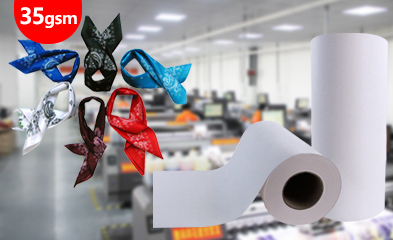
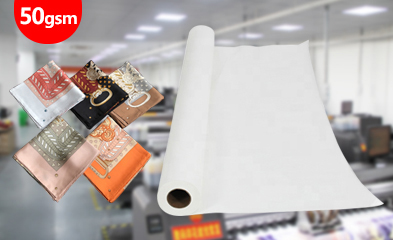
การประยุกต์ใช้งาน
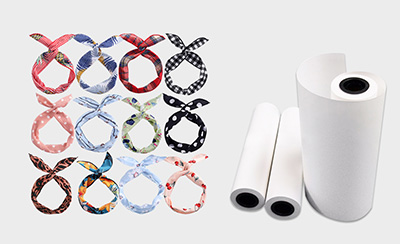
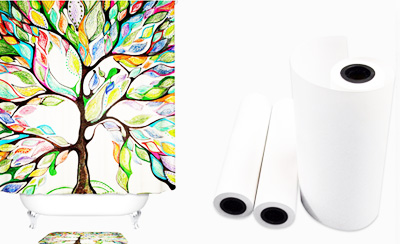
Phone:+86-15215969856 E-Mail: 396838165@qq.com
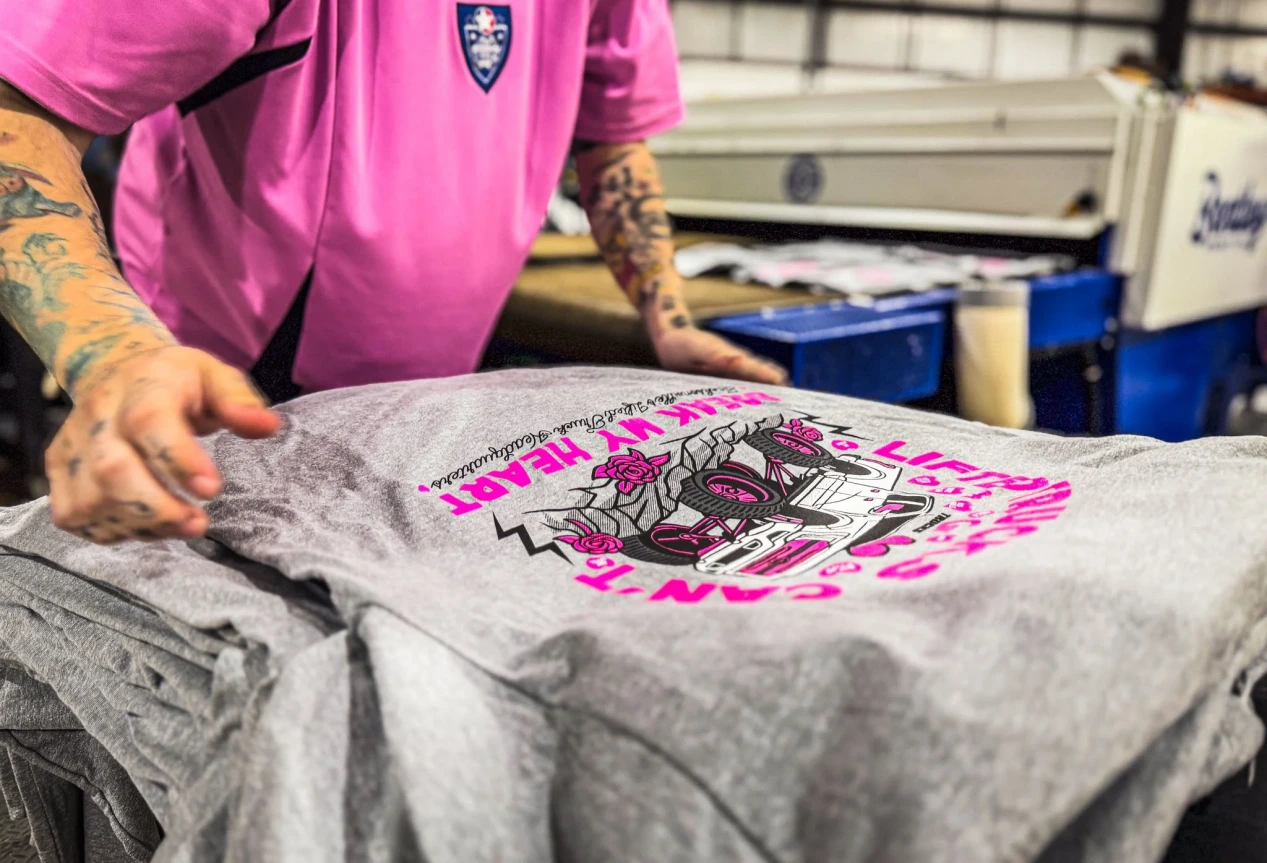
Walking through a sportswear store today, you see racks filled with vibrant, intricate designs that wrap entirely around jerseys, leggings that don’t crack when stretched, and team uniforms with logos that seem to be part of the fabric itself. This visual revolution in the apparel market isn’t accidental. It is the result of businesses making a crucial choice in their production technology.
For owners of print businesses and clothing makers, the discussion about regular inkjet transfer techniques versus sublimation printing goes beyond simple choices in equipment—it shapes their overall plan. Inkjet has handled custom cotton items reliably for a long time. Yet, the growing need for athletic clothing calls for something else. If you want to grow your setup and grab a share of the busy sportswear field, getting a clear picture of inkjet vs. sublimation for t-shirt printing marks the starting point. This knowledge helps you create a money-making setup.
The Fundamental Differences in Technology
To pick the best option for your workshop or printing place, look past just the cost of the machine. You must grasp the basic reactions taking place in your workspace. Both approaches start with a computer file and a printer. But after that, they differ a lot. How the ink bonds with the material sets the standard for the finished item. It also decides the kinds of jobs you can take on.
How Inkjet Transfer Works
Regular inkjet transfer printing is what plenty of companies begin with since it seems straightforward. It operates much like a typical home printer. You send the design to special transfer paper with liquid ink. This paper serves as a holder. Then, you use a heat press to apply it to a shirt. The warmth melts a plastic coating on the paper. As a result, the ink clings to the cloth’s outer layer.
Picture it as placing a clever, slim label. The ink rests on top of the threads. This works well for modest groups of pure cotton t-shirts, such as orders for family gatherings or nearby gatherings. Still, since the picture forms a real coating on the outside, it comes with drawbacks. It creates a slight roughness to the shirt. Plus, as time passes, that coating tends to split when the material bends and shifts underneath.
The Science of Dye Sublimation Printing
Dye sublimation printing is a completely different beast. It is not about adhesion; it is about fusion. The process uses special solid dye particles suspended in liquid. When you print onto transfer paper and apply heat (usually around 400°F or 200°C), the chemistry changes.
The ink turns directly from a solid into a gas—bypassing the liquid stage (hence “sublimation”). At the same time, the heat causes the pores of the polyester fabric to open up. The gas enters these open pores. When the heat is removed, the pores close, trapping the dye inside. The ink actually becomes part of the fiber’s structure. There is no layer on top. You can run your hand over the design and feel nothing but the fabric. This molecular bond is the secret behind the professional finish seen in high-end retail garments.
Performance and Durability in Activewear
Once we move past the science, we have to talk about the end user. Your clients—whether they are local soccer teams, yoga studios, or corporate event planners—don’t care about gas phase transitions. They care about how the shirt feels during a marathon and what it looks like after ten washes. This is where the battle of inkjet vs. sublimation for t-shirt printing has a clear winner, especially in the realm of athletic apparel.
Breathability and Comfort
In the activewear market, comfort is king. If a runner wears a jersey printed with a large inkjet transfer, that printed area acts like a plastic shield. It blocks airflow. Sweat gets trapped against the skin because the fabric’s wicking ability is sealed off by the polymer layer of the transfer. This “sweat patch” effect is a major dealbreaker for serious athletes.
Sublimation solves this problem entirely. Because the dye penetrates the fiber rather than covering it, the fabric’s weave remains open. A sublimated cycling jersey wicks moisture just as effectively on the logo as it does on the unprinted back panel. For businesses targeting the sports sector, this breathability isn’t just a feature; it is a requirement. You simply cannot produce professional-grade performance wear with standard inkjet transfers.
The Unmatched Durability of Sublimation Prints
We have all owned that one favorite t-shirt where the logo eventually cracked and peeled off after a few months of washing. That is the inevitable lifespan of surface-level transfers. The durability of sublimation prints is virtually infinite in comparison. Since the image is embedded in the fabric, it cannot crack, peel, or wash out.
The print will last as long as the garment itself. You could wash a sublimated rugby jersey a hundred times, and while the fabric might eventually thin out from wear, the sponsor logos will remain sharp and vibrant. This longevity builds trust with your B2B clients. When they sell a uniform that looks new after a whole season of muddy games and industrial washing, they come back to you for next season’s order.
Economics of Scaling Production
Quality is vital, but your business runs on margins. When you are printing five shirts, inkjet is cheap and easy. But what happens when a client asks for 500? Or 5,000? The economics of printing shift dramatically as volume increases. This is where high-volume polyester printing via sublimation starts to show its massive advantage over other digital methods.
Efficiency in High-Volume Polyester Printing
Time is money in a production environment. Sublimation is inherently designed for speed. Industrial sublimation printers can run roll-to-roll, printing hundreds of meters of transfer paper continuously. This paper is then fed through a calendar heat press along with the fabric.
It is a continuous, fluid workflow. In contrast, inkjet transfer usually requires more manual handling—printing sheets, cutting them, placing them on individual shirts, and pressing them one by one. If you are fulfilling an order for a thousand polyester tote bags or promotional flags, the bottleneck created by the manual inkjet process will kill your profit margin. Sublimation allows you to print the entire run in a fraction of the time, freeing up your staff to focus on fulfillment and shipping rather than babysitting a heat press.
Cost Analysis per Unit
While the initial setup for sublimation might seem comparable to high-end inkjet systems, the consumable cost over time favors sublimation for polyester goods. Inkjet transfers often require expensive specialized papers and films (like DTF films) that add up quickly per square inch.
With dye sublimation printing, the paper is a temporary carrier. Once the heat press is done, the paper is recycled. The cost of sublimation ink and paper has dropped significantly over the last decade due to manufacturing improvements. When you calculate the cost per jersey for a full-color, all-over print, sublimation is unbeatable. You are not paying for the “area” of the print in the same way you do with surface transfers; you are simply managing ink and paper usage, which becomes very efficient at scale.
Streamlining Your Supply Chain with a One-Stop Solution
Selecting the proper tech covers only part of the challenge. The rest involves keeping your equipment working well. A common headache for printing spots is finger-pointing. The paper maker points to the ink. The ink maker points to the machine settings. To run things without hitches, wise companies shift to a unified source for supplies.
The Role of a Sublimation Paper Manufacturer
A key factor in print results is usually the paper. Lots of shops save money by picking basic paper. But then they end up with faded or blurry outputs. A focused sublimation paper manufacturer knows paper goes beyond simple pulp—it delivers chemicals precisely.
The surface treatment on the paper controls how much ink it takes in. More importantly, it decides how many transfers during the warm-up. If the paper soaks up too much and keeps it, the colors on the cloth turn pale. You lose cash too. If it does not set quickly, spots appear. Getting supplies straight from makers like Changfa Digital means you receive paper built for top transfer levels. Their skill in surface tech ensures the paper lets go of the most dye. This gives you rich darks and bold brights that buyers want.
Why Ink and Paper Compatibility Matters
Reliable results keep customers coming back. This proves hard if you get ink from one firm and paper from another. Those groups do not check their items side by side.
That is why seeking a one-stop digital printing solution serves as a smart step. When you obtain your กระดาษโอนรูดระเหย and quality goods, and your strong inks from the same source, you cut out mismatch problems. Changfa ดิจิตอล, for example, provides a full range of tools. Our inks match exactly with how our papers hold ink. This match lowers the amount of ink needed, which cuts costs. It also stops usual troubles like “cockling,” where paper curls from damp ink. By teaming with a supplier who gets the full process—from the makeup of the ink to the layer on the paper—you build a steady, money-saving line that grows easily.
ข้อสรุป
Deciding between inkjet vs. sublimation for t-shirt printing boils down to what you aim for in your company. If staying with small lots of cotton shirts for parties suits you, an inkjet works fine. But if you plan to enter the huge sportswear area, make business promo items, or manage high-volume polyester printing, sublimation stands as the clear way ahead.
It offers the breathability athletes need, the durability B2B clients expect, and the production speed your bottom line demands. But remember, the machine is only as good as the materials you feed it. To truly maximize your output and minimize headaches, consider aligning your business with a partner like Changfa ดิจิตอล. Contact us now at 396838165@qq.com. By utilizing the one-stop digital printing solution, you gain access to premium papers and inks designed to work in harmony, ensuring that every jersey that leaves your shop helps build your reputation for excellence.


