


ขายร้อน
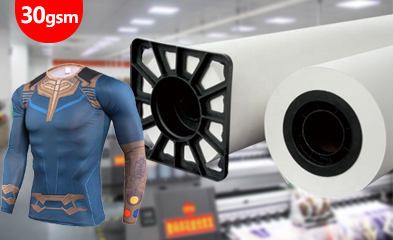
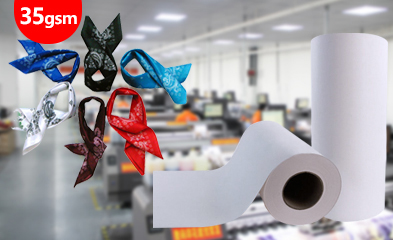
การประยุกต์ใช้งาน
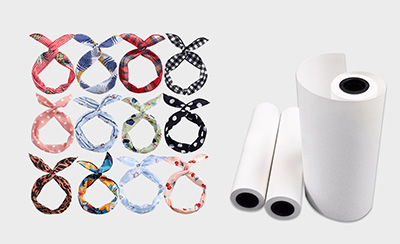
Phone:+86-15215969856 E-Mail: 396838165@qq.com

A sportswear buyer asked us for a 50gsm price. The note stopped there. On their floor the printer is 162 cm wide. The unwind takes a 3 inch core. The heads already hold a disperse ink, and they do not want a new one. None of that reached us. A trial roll cut from a note that thin can print a decent shirt and still be the wrong roll for the container.
Put the machine on the quote before anyone slits a trial length. If the reply cannot name who coats the grade and who slits the bulk, leave your ink capped.
Put the press on the quote first
Printer, ink, fabric and width come before the price
For that shop the first email should look like a job ticket, not a catalog line. Width off the printer, in centimetres: 162. The ink name already in the heads. Polyester team shirts, and whether the art is a small crest or a full back. The core the unwind holds: 3 inch.
Then ask us for a gsm and a drying speed that fit that ticket. “50gsm, best price” gives the mill nothing to match, so the sample comes back as a guess.
Two quotes at the same gsm can still be different paper
Gsm is only the weight. Dry time at your head speed is a separate question. So is whether the face stays flat once a long run hits the calender. One 50gsm sheet can be built for a slow flatbed. Another 50gsm sheet can be built for a fast textile printer. Same number on the label. The quote has to repeat the ticket before your press can tell them apart: 50gsm jumbo, 162 cm, 3 inch core, this ink, polyester shirts.
Read the reply against the ticket. If the width disappeared, or the core changed, you are being priced for a different roll.
Ask who coats the roll and who slits it
The sample and the bulk have to share one coating line
A seller can mail you a sample from one plant, then send the bulk to be recut after you approve it. Width moves. The edge gets rougher. The roll is wound differently. The morning on your press judged a roll that never shows up on the truck.
Ask it straight. Do you coat this grade, and do you slit this order?
We do. Changfa ดิจิตอล runs base paper through coating, slitting and packing in our own workshops. Four coating lines. Four slitting workshops. Ten slitting machines, on 2 inch and 3 inch cores. A coating line brought in from Germany is in daily production. For a long apparel run the 50gsm jumbo roll is slit at 61 cm, 91.4 cm, 112 cm, 122 cm, 162 cm or 183 cm, about 300 to 3000 metres, for disperse ink on polyester. The coating is laid down evenly so the ink can sit and dry on a long file.
The 162 cm shop should receive a short length of that 162 cm slit, in the grade they mean to reorder. A bright piece at 111.8 cm, cut from a lighter sheet, belongs to another printer.
Width, core and packing are part of the same check
We slit from 61 cm out to 320 cm, to the width the line actually uses. A special width is a normal request when the knife stays in the mill that coated the paper. It is a gamble when someone else recuts the master after you approved a different piece. Write the bulk width next to the sample width. If the two numbers differ, name who makes the second cut.
The core fails quietly. A clean print on a 3 inch sample will not mount on a machine that only takes 2 inch. Put the core on the sample label.
The export pack is a pallet, with a cap on the core, so the roll edge is not rubbing the next roll. Ask for the trial length to travel that way too, even if it is short. A loose sheet in a courier bag had an easier trip than a capped roll. You want the trip you are about to pay for.
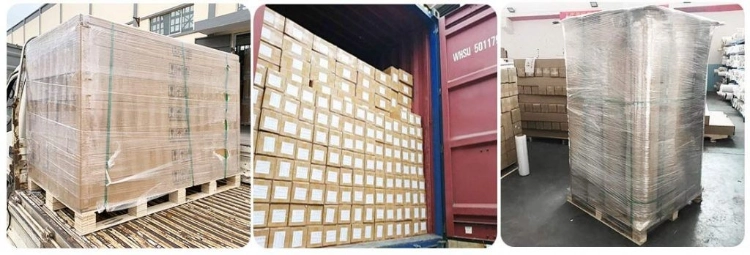
Spend the ink only after that path is written down
The sample has to be the grade the container will be
On the sample, mark gsm, width, core, drying speed, and which coating line made it. We can tune a coating for dry time, wind a special core, or put your label on the pack. The thing we tune has to be the thing you print. If the container changes one of those, you approved a roll you never ran.
Keep the note with the pressed shirt. The next lot gets checked against the note. “The paper looked fine” is not a record.
The press test itself already has a checklist
When the roll on the table is the roll you mean to buy, print it on your printer, your ink, your cloth. Watch the dry. Look at a fine line. Look at the color after heat. Run a longer piece. Then run a second lot of the same grade. That morning is written out in ผู้ซื้อควรใช้เกณฑ์ใดในการประเมินคุณภาพกระดาษซับลิเมชั่นก่อนสั่งซื้อจำนวนมาก?. Use it on print day. The questions here are for the week before, so the sheet you score is yours.
ที่ transfer paper range goes from light sheets for fast fashion up to heavier sheets for sportswear and thick polyester. Pick one weight after the press is named. Five weights in one carton usually means five tests nobody finishes.
ข้อสรุป
Print last. Printer, ink, fabric, width and core go on the quote first. The mill that coats the grade should slit it too. Sample and bulk then share gsm, width, core and drying speed. One morning on your press can then describe the roll that will actually arrive. Send the printer model, the ink, the fabric, the width and the core. We can cut the trial length to that ticket.
คำถามที่พบบ่อย
Q1: They will only send a small sheet. Can I still judge the paper?
A1: A sheet can show color on your cloth. It cannot show slit width, core fit, or how a roll feeds. Ask for a short length from the grade and the width you will buy, on your core. If they cannot cut that, you have the answer before you open the ink.
Q2: Should I write “plus or minus 2 gsm” into the order?
A2: Ask what range they hold on that grade, and how they measure it. Write their answer beside the sample. A tolerance you invented in the email, with no method, is not something the mill has agreed to.
Q3: The first lot passed. Does the repeat order need another press check?
A3: Yes, on the same printer and the same cloth. If the grade moved to another coating line, or the width changed, treat it as a new sample. The gsm on the label does not settle that.


