


เหตุใดความเข้ากันได้ของหมึกพิมพ์ซับลิเมชั่นจึงเป็นตัวกำหนดความเสถียรในการพิมพ์ในระยะยาว
ขายร้อน
.jpg "ผู้ผลิตเครื่องเทปกาว เครื่องถ่ายโอนความร้อนกระดาษ")
การประยุกต์ใช้งาน

Phone:+86-15215969856 E-Mail: 396838165@qq.com
 สำหรับปริมาณมาก การพิมพ์ระเหิด, ความเข้ากันได้ของหมึกไม่ใช่รายละเอียดทางเทคนิคเล็กน้อย เมื่อหมึกไม่เข้ากันกับเครื่องพิมพ์ หัวพิมพ์ กระดาษ หรือความเร็วในการผลิต ปัญหามักจะค่อยๆ ปรากฏขึ้นในตอนแรก แล้วจึงกลายเป็นปัญหาที่มีค่าใช้จ่ายสูงในการสั่งซื้อครั้งต่อไป ก่อนที่ผู้ซื้อจะเปรียบเทียบราคาหมึกหรือบรรจุภัณฑ์ พวกเขาจำเป็นต้องรู้ว่าความไม่เข้ากันนั้นจะส่งผลต่อความเสถียรในการพิมพ์ประจำวันอย่างไร
ปัญหาที่เกิดจากความไม่เข้ากันของหมึกพิมพ์ซับลิเมชั่นมีอะไรบ้าง?
เส้นขาดหายระหว่างการพิมพ์ต่อเนื่อง
ความเสถียรในการพิมพ์อย่างต่อเนื่องขึ้นอยู่กับ หมึก ความลื่นไหล หากสูตรหมึกไม่สอดคล้องกับลักษณะการพ่นของหัวพิมพ์ อาจปรากฏเส้นขาดหรือจุดหายไป เมื่อประสิทธิภาพนี้ขาดหายไป ผู้ปฏิบัติงานต้องหยุดการผลิตบ่อยครั้งเพื่อทำความสะอาดหัวฉีดหรือพิมพ์ซ้ำผ้าที่มีข้อบกพร่อง ซึ่งเพิ่มปริมาณของเสียและเวลาหยุดทำงาน
การเกิดแถบสีและการแสดงผลสีที่ไม่สม่ำเสมอ
หมึกพิมพ์ซับลิเมชั่นที่ไม่เข้ากันอาจทำให้เกิดแถบสีบนงานพิมพ์เนื่องจากความแปรปรวนในการก่อตัวของหยดหมึกหรือการกระจายตัวของเม็ดสี ปัญหานี้จะเห็นได้ชัดเจนมากขึ้นในงานพิมพ์ผ้าขนาดใหญ่ที่ความสม่ำเสมอของสีมีความสำคัญ การขาดการไล่ระดับสีที่ราบรื่นส่งผลให้สีที่ได้ไม่สม่ำเสมอ ซึ่งส่งผลเสียต่อคุณภาพของผลิตภัณฑ์สำหรับแบรนด์เสื้อผ้าหรือผู้ผลิตชุดกีฬา
การทำความสะอาดหัวฉีดบ่อยครั้งและการหยุดการผลิต
ในกรณีที่ชนิดของหมึกที่เครื่องพิมพ์ใช้ไม่เข้ากันกับชนิดของหัวพิมพ์ เช่น หัวพิมพ์ของ Epson I3200 หรือ Kyocera ความหนืดและแรงตึงผิวอาจทำให้เกิดการอุดตัน ส่งผลให้ต้องทำความสะอาดหัวพิมพ์บ่อยครั้ง ทำให้ประสิทธิภาพการพิมพ์ลดลง และลดอายุการใช้งานของหัวพิมพ์ลง
เหตุใดความเข้ากันได้ของหมึกพิมพ์ซับลิเมชั่นจึงส่งผลต่อความเสถียรในการพิมพ์ในระยะยาว?
ความเข้ากันได้ของหมึกเป็นตัวกำหนดความน่าเชื่อถือในการทำงานของเครื่องพิมพ์ในระยะยาว สำหรับเครื่องพิมพ์สิ่งทออุตสาหกรรมที่ใช้ในสภาพแวดล้อม B2B ความเสถียรเป็นสิ่งสำคัญในการรักษาความสม่ำเสมอของสีที่ได้ในแต่ละล็อต
ความลื่นไหลของหมึกและการจับคู่หัวพิมพ์
เครื่องพิมพ์แต่ละรุ่นมีข้อกำหนดเฉพาะสำหรับขนาดหยดหมึกและความถี่ในการพ่นหมึก สูตรหมึกที่แตกต่างกันถูกออกแบบมาเพื่อให้เหมาะกับหัวพิมพ์แต่ละประเภท การใช้หมึกที่ไม่เข้ากันอาจทำให้การพ่นหมึกไม่เสถียรหรือเกิดการพ่นผิดพลาดระหว่างการพิมพ์ต่อเนื่องเป็นเวลานาน
นี่จึงเป็นเหตุผลว่าทำไมควรตรวจสอบหมึกที่ใช้กับเครื่องพิมพ์ได้ก่อนซื้อในปริมาณมาก ไม่ใช่รอจนเกิดปัญหาขึ้นก่อน Changfa ดิจิตอลหมึกพิมพ์ซับลิเมชั่นซีรีส์ 1513 ของ Epson ออกแบบมาเพื่อใช้เป็นหมึกพิมพ์ซับลิเมชั่นแบบ CMYK สำหรับเครื่องพิมพ์ CF-2000/CF-3000 และใช้งานร่วมกับหัวพิมพ์ Epson DX4, DX5 และ DX7 ได้ สำหรับผู้ซื้อแล้ว นั่นหมายความว่าการเลือกหมึกพิมพ์ไม่ได้ขึ้นอยู่กับสีหรือราคาเพียงอย่างเดียว แต่ควรเลือกให้เหมาะสมกับรุ่นเครื่องพิมพ์ ประเภทหัวพิมพ์ และความเร็วในการผลิตต่อวันด้วย
ความหนืด แรงตึงผิว และการควบคุมหยดน้ำ
หมึกพิมพ์ซับลิเมชั่นต้องมีค่าความหนืดและความตึงผิวที่สมดุล เพื่อให้สามารถควบคุมการพ่นหยดหมึกได้อย่างแม่นยำที่ความเร็วสูง หากความหนืดสูงเกินไปจะทำให้เกิดการอุดตัน หากความหนืดต่ำเกินไปจะทำให้สีซึมมากขึ้น การก่อตัวของหยดหมึกที่ไม่สม่ำเสมอส่งผลโดยตรงต่อความคมชัดของภาพและคุณภาพการพิมพ์โดยรวม หมึกที่เลือกใช้อย่างเหมาะสมจะช่วยให้การพ่นหยดหมึกมีความเสถียรแม้ในสภาวะอุณหภูมิที่เปลี่ยนแปลง เช่น การเก็บรักษาที่อุณหภูมิ 6–8°C หรือสภาพแวดล้อมการใช้งานที่อุณหภูมิ 35°C
ประสิทธิภาพการทำงานของหมึก กระดาษ และการถ่ายโอนความร้อนในระบบเดียว
ความเข้ากันได้ของหมึกไม่ได้จำกัดอยู่แค่เครื่องพิมพ์เท่านั้น แต่ยังรวมถึงการดูดซับของสารเคลือบกระดาษและพฤติกรรมการถ่ายเทความร้อนด้วย การเลือกใช้หมึกที่ไม่เหมาะสมอาจทำให้เกิดภาพซ้อนหรือการแทรกซึมที่ไม่ดีในผ้าโพลีเอสเตอร์หลังการรีด
ผู้ซื้อจะตรวจสอบความเข้ากันได้ของหมึกกับเครื่องพิมพ์ซับลิเมชั่นได้อย่างไร?
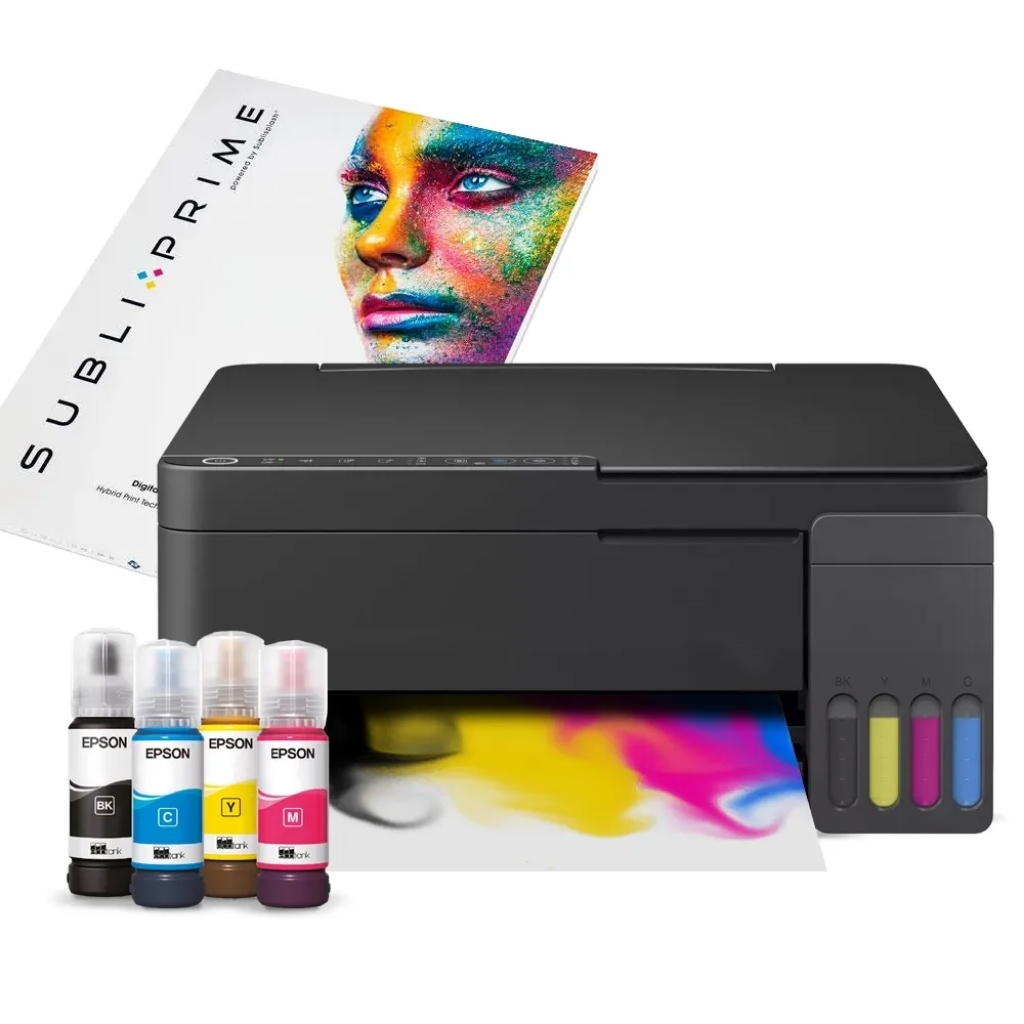
ก่อนที่จะสั่งซื้อในปริมาณมาก ทีมจัดซื้อควรตรวจสอบให้แน่ใจว่าหมึกพิมพ์ซับลิเมชั่นที่เลือกนั้นตรงตามข้อกำหนดทางเทคนิคและข้อกำหนดด้านการใช้งาน ผ่านขั้นตอนการทดสอบที่เป็นระบบ
ตรวจสอบรุ่นเครื่องพิมพ์และข้อกำหนดของหัวพิมพ์
ผู้ซื้อควรตรวจสอบรุ่นเครื่องพิมพ์ของตนให้แน่ชัดก่อน ว่าเป็นรุ่นที่ใช้หัวฉีด Epson I3200 แบบสองหัวหรือแปดหัว และเลือกหมึกที่ผลิตขึ้นมาโดยเฉพาะสำหรับรุ่นนั้นๆ การใช้หมึกที่ไม่ตรงกันอาจนำไปสู่ข้อผิดพลาดในการปรับเทียบ ซึ่งส่งผลต่อความน่าเชื่อถือในระยะยาว
ตรวจสอบเอกสารข้อมูลทางเทคนิคก่อนทำการทดสอบ
ผู้จำหน่ายที่น่าเชื่อถือจะจัดเตรียมเอกสารข้อมูลทางเทคนิคโดยละเอียด ซึ่งระบุช่วงความหนืด ค่าแรงตึงผิว การตั้งค่าอุณหภูมิที่แนะนำ และวัสดุพิมพ์ที่ใช้งานร่วมกันได้ เอกสารเหล่านี้ช่วยให้วิศวกรประเมินได้ว่าหมึกพิมพ์นั้นสอดคล้องกับพารามิเตอร์ของอุปกรณ์หรือไม่ ก่อนที่จะทำการทดสอบจริง
ดำเนินการทดสอบระยะยาวภายใต้สภาวะการผลิตจริง
การทดสอบด้วยการพิมพ์ตัวอย่างในระยะสั้นไม่เพียงพอสำหรับการประเมินความเสถียรของประสิทธิภาพ การทดสอบในระยะยาวภายใต้สภาวะการผลิตจริง ซึ่งครอบคลุมอย่างน้อยหลายร้อยเมตรของการพิมพ์ต่อเนื่อง จะช่วยให้สามารถประเมินความเร็วในการแห้ง ประสิทธิภาพการถ่ายโอน และความคงทนของสีบนสิ่งทอ เช่น... ผ้าสำหรับชุดกีฬา หรือส่วนผสมของโพลีเอสเตอร์
ผู้ซื้อ B2B ควรเปรียบเทียบอะไรบ้างก่อนสั่งซื้อหมึกพิมพ์ซับลิเมชั่นจำนวนมาก?
การตัดสินใจจัดซื้อควรพิจารณามากกว่าแค่การเปรียบเทียบราคา ความน่าเชื่อถือทางเทคนิคในแต่ละล็อตการผลิตเป็นตัวกำหนดประสิทธิภาพด้านต้นทุนในระยะยาวของการพิมพ์สิ่งทอ
ความสม่ำเสมอของล็อตในการจัดส่งซ้ำ
ผู้ซื้อในภาคอุตสาหกรรมมักสั่งซื้อหมึกพิมพ์ซ้ำทุกเดือนหรือทุกไตรมาส ความสม่ำเสมอระหว่างล็อตการผลิตช่วยให้มั่นใจได้ว่าการสร้างสีมีความสม่ำเสมอในผลิตภัณฑ์ทุกประเภท ซัพพลายเออร์ที่สามารถรักษาเสถียรภาพทางเคมีในทุกล็อตจะช่วยป้องกันการเปลี่ยนแปลงที่ไม่คาดคิดของเฉดสีหรือความเข้มของสีในระหว่างรอบการผลิตซ้ำ
ความเสถียรในการจัดเก็บและการควบคุมอายุการเก็บรักษา
หมึกพิมพ์ซับลิเมชั่นต้องทนต่อการตกตะกอนระหว่างการจัดเก็บ ซึ่งอาจกินเวลานานหลายเดือนในคลังสินค้าหรือระหว่างการขนส่งเพื่อส่งออก ผู้ซื้อควรตรวจสอบข้อมูลอายุการใช้งานจากบันทึกการควบคุมคุณภาพของผู้จำหน่ายเพื่อหลีกเลี่ยงการเสื่อมสภาพก่อนใช้งาน
บรรจุภัณฑ์, ปริมาณสั่งซื้อขั้นต่ำ และกำลังการผลิตเพื่อการส่งออก
สำหรับคำสั่งซื้อระหว่างประเทศ ความสมบูรณ์ของบรรจุภัณฑ์ส่งผลโดยตรงต่อความปลอดภัยในการขนส่ง บรรจุภัณฑ์ส่งออกมาตรฐาน: ใช้ฝาปิดแกนกลางร่วมกับพาเลท ซึ่งจะช่วยป้องกันการรั่วไหลระหว่างการขนส่งทางไกลของตู้คอนเทนเนอร์ ผู้ซื้อควรตรวจสอบนโยบายปริมาณการสั่งซื้อขั้นต่ำ (MOQ) และกำลังการส่งออกรายเดือนของผู้จำหน่ายด้วย—เราส่งออกตู้คอนเทนเนอร์ 120 ตู้ไปทั่วโลกต่อเดือน—เพื่อยืนยันความสามารถในการรองรับโครงการขนาดใหญ่ได้อย่างสม่ำเสมอ
คำแนะนำในการจัดซื้อเพื่อเลือกหมึกพิมพ์ซับลิเมชั่นที่เหมาะสม
การเลือกหมึกพิมพ์ซับลิเมชั่นที่เหมาะสมนั้น จำเป็นต้องพิจารณาความสมดุลระหว่างประสิทธิภาพและความน่าเชื่อถือของผู้จำหน่าย มากกว่าที่จะมุ่งเน้นเฉพาะการแข่งขันด้านราคาในตลาดเพียงอย่างเดียว
อย่าเลือกหมึกพิมพ์โดยพิจารณาจากราคาเพียงอย่างเดียว
หมึกพิมพ์ราคาถูกอาจดูน่าดึงดูดในตอนแรก แต่บ่อยครั้งก็ก่อให้เกิดค่าใช้จ่ายแฝงเนื่องจากการอุดตันของหัวฉีดหรือการพิมพ์ซ้ำที่เกิดจากคุณภาพการพิมพ์ที่ไม่ดี การประเมินต้นทุนรวมในการเป็นเจ้าของ ซึ่งรวมถึงเวลาในการบำรุงรักษา จะแม่นยำกว่าการเปรียบเทียบเฉพาะราคาต่อหน่วยเท่านั้น
เลือกใช้หมึกให้เหมาะสมกับเครื่องพิมพ์ กระดาษ ผ้า และความเร็วในการผลิต
ระบบทั้งหมด—ฮาร์ดแวร์เครื่องพิมพ์ ชนิดของสารเคลือบกระดาษซับลิเมชั่น (เช่น เอสการ ublimation พีเอเปอร์ปัจจัยต่างๆ เช่น คุณภาพของเนื้อผ้า (เช่น โพลีเอสเตอร์ผสมกับสแปนเด็กซ์) และความเร็วของสายการผลิต ต้องทำงานประสานกันเพื่อให้ได้ผลลัพธ์ที่ดีที่สุดในโรงงานสิ่งทอขนาดใหญ่
ขอตัวอย่างก่อนสั่งซื้อจำนวนมาก
ก่อนที่จะสั่งซื้อในปริมาณมากเกินหลายร้อยลิตรต่อช่องสี ผู้ซื้อควรขอตัวอย่างจากผู้ผลิตที่น่าเชื่อถือ เช่น Changfa Digital เพื่อประเมินผลการใช้งานจริงภายใต้เงื่อนไขการทำงานของตนเอง
เลือกซัพพลายเออร์ที่สนับสนุนการทดสอบ การแก้ไขปัญหา และการสั่งซื้อซ้ำ
ความร่วมมือที่ยั่งยืนต้องอาศัยความช่วยเหลือทางเทคนิค Changfa Digital ให้บริการตลอด 24 ชั่วโมง และคุณสามารถติดต่อพวกเขาได้ทุกเมื่อที่มีข้อสงสัยใด ๆ ดังนั้น คุณจะได้รับการให้ความช่วยเหลืออย่างทันท่วงทีในระหว่างการติดตั้งหรือการแก้ไขปัญหา
คำถามที่พบบ่อย
คำถามที่ 1: ฉันจะมั่นใจได้อย่างไรว่าหมึกพิมพ์ซับลิเมชั่นของฉันจะคงสภาพดีระหว่างการขนส่ง?
A1: ยืนยันว่าซัพพลายเออร์ของคุณใช้บรรจุภัณฑ์ที่ปลอดภัย เช่น ม้วนสินค้าที่วางบนพาเลทพร้อมฝาปิดแกนเพื่อป้องกันของเหลวรั่วไหล Changfa Digital ใช้แนวทางการบรรจุภัณฑ์เพื่อการส่งออกที่เป็นมาตรฐาน ซึ่งช่วยปกป้องวัสดุระหว่างการขนส่งทางไกล พร้อมทั้งรักษาความสม่ำเสมอของล็อตสินค้าในการจัดส่งทั่วโลก
คำถามที่ 2: ปัจจัยใดบ้างที่กำหนดว่าหมึกชนิดใดเหมาะสมกับหัวพิมพ์ Epson I3200 ของฉัน?
A2: คุณต้องตรวจสอบความเข้ากันได้ของช่วงความหนืดกับรูปแบบหัวฉีดเฉพาะของคุณ (2–4 เทียบกับ 8 ขึ้นไป) สูตรที่มีความหนาแน่นสูงซึ่งออกแบบมาสำหรับหัวฉีด Epson I3200 ช่วยให้การพ่นหมึกมีความลื่นไหลสูงสุดโดยไม่เกิดการอุดตันภายใต้รอบการทำงานต่อเนื่องซึ่งพบได้ทั่วไปในสายการผลิตสิ่งทอ
Q3: ฉันสามารถทดลองสั่งซื้อในปริมาณน้อยก่อนสั่งซื้อในปริมาณมากได้หรือไม่?
A3: ใช่ค่ะ ซัพพลายเออร์ที่น่าเชื่อถืออย่าง Changfa Digital เสนอปริมาณตัวอย่างเพื่อให้คุณสามารถประเมินประสิทธิภาพภายใต้สภาวะการผลิตจริงโดยใช้เครื่องพิมพ์และกระดาษที่มีอยู่ของคุณได้ ซึ่งจะช่วยลดความเสี่ยงในการจัดซื้อโดยการตรวจสอบความเข้ากันได้ก่อนที่จะตัดสินใจซื้อในปริมาณมาก


