


ขายร้อน
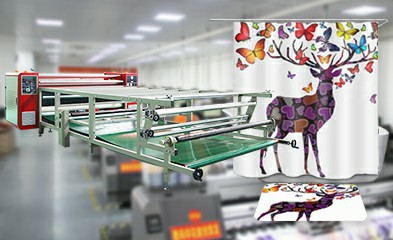
การประยุกต์ใช้งาน
Phone:+86-15215969856 E-Mail: 396838165@qq.com

For B2B buyers, a เครื่องพิมพ์ระเหิด is not only a machine on the floor. It decides order speed, fabric layout, labor use, waste rate, and whether repeat jobs can stay on schedule.
Why High-Speed Output Matters in Sublimation Printing Projects
Shorter Delivery Cycles for Textile and Apparel Orders
Many apparel and textile orders are not planned far ahead anymore. A buyer may confirm artwork late, change colorways, or split one order into several smaller runs. When this happens, printing speed becomes part of delivery control.
A high-speed sublimation printer can help reduce waiting time between file approval and transfer production. This is useful for sportswear, teamwear, fashion fabric, flags, banners, and other polyester fabric orders. Still, speed has to be stable.
Higher Production Pressure from Custom and Repeat Orders
Custom orders are good for business, but they also put pressure on the workshop. Different designs, fabric widths, and order quantities may share the same production line. A slow printer can become the bottleneck.
For distributors and project buyers, this matters because they need a supplier that can handle both sample runs and repeat orders. A printer that supports wider fabric work and faster output can help, but only when paper width, ink drying, RIP settings, and heat transfer machines are matched.
Why Speed Alone Cannot Decide Printer Selection
The fastest setting is not always the best setting. A lower PASS mode may give higher output, but the buyer still needs to check color quality, edge detail, ink amount, and final transfer result. Some jobs need more detail. Some need speed. Some need both, but not at the cost of waste.
Key Printer Parameters B2B Buyers Should Compare
Printing Width and Fabric Application Range
Printing width should match the fabric and order type. If the printer is too narrow, the factory may need more joins, more passes, or more cutting work. If the width is larger than the project needs, the buyer may pay for capacity that is not used.
Changfa ดิจิตอล’s CF-3000 is listed with a 1900mm print dimension. For polyester fabric printing, this width can suit many apparel, sportswear, and fabric panel jobs. Buyers should compare this width with their fabric roll width, transfer paper width, and heat transfer machine width before choosing a printer.
PASS Mode, Printing Speed, and Output Stability
PASS mode affects both speed and print detail. Fewer passes can raise output. More passes may improve detail and color smoothness, depending on the design and fabric.
Changfa ดิจิตอล CF-6000 model gives clear speed references: 1 PASS at 200 m2/h, 2 PASS at 110 m2/h, and 3 PASS at 75 m2/h. For buyers working on high-speed textile output, this model is worth reviewing when production capacity is a key concern.
Ink System, Color Channels, and Printhead Compatibility
A sublimation printer needs stable ink flow. If the ink system is weak, nozzles may clog, colors may shift, and operators may stop the line often. That downtime can erase the benefit of higher print speed. Before purchase, buyers should ask what ink system the printer uses.
Feeding Stability for Long-Run Fabric Printing
Feeding stability matters in long-run printing. If the paper or media shifts during printing, color registration can become unstable. For wide textile orders, even small feeding problems can create waste. Buyers should check tension control, paper feeding, and drying behavior.
Comparing Sublimation Printer Options for Different Project Needs
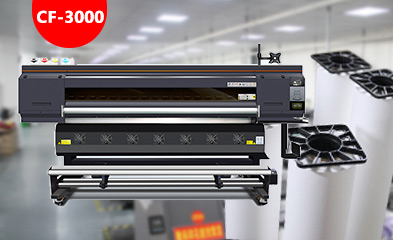
CF-3000 for 1900mm Textile Sublimation Printing
CF-3000 can be considered when buyers need a wide-format sublimation printer for textile projects around a 1900 mm print width. It suits buyers who need to print polyester fabric panels, apparel fabric, and promotional textile materials with a wider working size.
CF-6000 for High-Speed Polyester Fabric Output
CF-6000 is more suitable for buyers who pay close attention to output speed. Its listed speed options give buyers a clearer base for capacity planning. A factory handling fast custom orders or repeat textile jobs may review CF-6000 when speed, width, and continuous output are all important.
CF-8000 and Other Models for Larger Production Planning
CF-8000, 5198-8, 6198-8, Model-xplus-8, and CF-15000 also are part of Changfa Digital’s Printer series. For buyers planning larger production or more complex equipment replacement, these models can be reviewed together with actual project requirements.
The main point is not to choose the largest model first. Buyers should map order volume, fabric type, print width, operator skill, maintenance plan, and budget.
How to Match Printer Model with Order Volume and Fabric Type
Sportswear factories may need faster color change and sharp logo output. Home textile projects may care more about wide fabric handling and even color across large panels. Flag and banner orders may focus on speed and fabric roll efficiency. A buyer should not use one printer standard for all orders. The printer should match the main business model.
Matching Printer, Sublimation Paper, Ink, and Heat Transfer Machine
Why Printer Performance Depends on Consumable Compatibility
A sublimation printer cannot work alone. Sublimation paper needs to dry properly. Sublimation ink needs good fluency. The heat transfer machine needs the correct temperature and pressure. If one part fails, final output suffers.
Paper Weight and Width Matching for High-Speed Printing
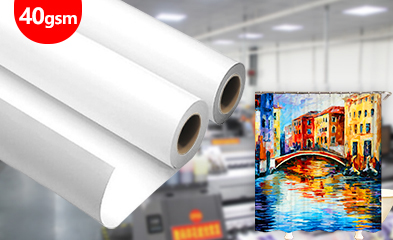
High-speed printers may need paper that dries quickly and feeds smoothly. Wide-format work may need better flatness and suitable roll width. Changfa Digital provides sublimation transfer paper in different weights, from 29gsm to 100gsm, and custom widths.
Ink Drying, Fluency, and Color Stability Under Fast Output
High-speed printing needs stable ink. If the ink dries too slowly, smearing may happen. If fluency is poor, broken lines and nozzle issues may appear. Buyers should test ink with the printer before bulk production starts.
Changfa Digital’s product center includes printers, sublimation paper, sublimation ink, heat transfer machines, and tissue paper. For buyers, this is useful because they can discuss the full process instead of sourcing every item separately.
Supplier Selection for Sublimation Printer Buyers
Check Machine Parameters Against Real Project Requirements
Before choosing a sublimation printer, buyers should list real requirements: fabric width, daily output, target material, print detail, ink type, operator level, and available workshop space.
Request Test Prints Before Bulk Equipment Purchase
Test prints should be done with real materials. Buyers should ask for samples using their target fabric and expected print mode. Color, edge detail, drying, and transfer result should all be checked.
Confirm Spare Parts, Training, and Technical Support
A printer purchase is not finished after delivery. Buyers should confirm installation support, training, spare parts, maintenance guidance, and response time. This is especially important for overseas buyers. Changfa Digital provides บริการตลอด 24 ชั่วโมง; you can contact them in time if you have any questions.
Evaluate Supplier Capacity for Paper, Ink, and Printer Matching
A supplier that can discuss paper, ink, and printer together is more useful for long-term projects. Changfa Digital supports sublimation paper, ink, printers, and related supplies, so buyers can test matched materials before larger orders.
คำถามที่พบบ่อย
Q1: Which Sublimation Printer Is Better for High-Speed Textile Orders?
A1: For high-speed textile output, buyers can review CF-6000 because it lists 1 PASS at 200 m2/h, 2 PASS at 110 m2/h, and 3 PASS at 75 m2/h. The final choice should still depend on fabric type, print quality requirement, and actual production testing.
Q2: What Printer Width Should Buyers Choose for Fabric Sublimation?
A2: The printer width should match fabric roll width, sublimation paper width, and heat transfer machine width. CF-3000 lists a 1900mm print dimension, which can fit many textile printing jobs, but buyers should confirm the full line setup before ordering.
Q3: What Should Buyers Confirm Before Installation and Maintenance?
A3: Buyers should confirm workshop space, power supply, operator training, spare parts, ink supply, software support, and maintenance guidance. For overseas projects, after-sales response and sample testing support should be discussed before the order is confirmed.


