


Горячая Продажа
-

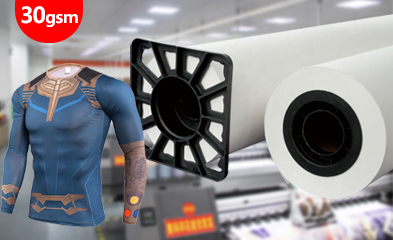
Горячая бумага передачи тепла сублимации 30Gsm продаж для текстильных материалов цифровой печати
-
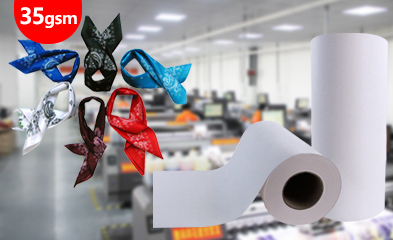
Бумага передачи сублимации 35gsm для цифровой печати шарфа хиджаба
-
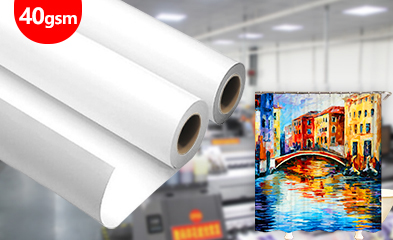
Новое прибытие бумага передачи сублимации 40Gsm для цифровой печати
-
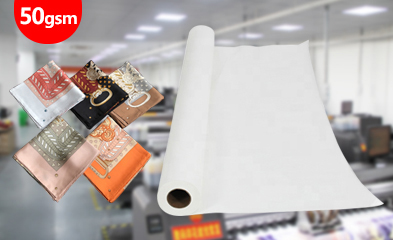
50gsm завод поставки высококачественной бумаги сублимации Jumbo Roll
Phone:+86-15215969856 E-Mail: 396838165@qq.com

Чтобы печатать на полиэстере с сублимацией и избегать каких-либо уродливых следов, придерживайтесь температуры от 180 ° C до 200 ° C (356 ° F-392 ° F). Используйте среднее давление и держите ткань под теплом в течение 35-60 секунд. Всегда устанавливайте защитные листы и мягкие пеняные подушки. Эти простые шаги останавливают блестящие пятна и четкие линии пресса. Выберите легкую, специальную бумагу для сублимации и сохраните тепло и давление стабильными. Таким образом, вы получаете яркие цвета и чистые отпечатки, даже на тонких предметах, таких как шарфы. Краситель хорошо прилипает, не повреждая полиэстеровых нитей.
Какие настройки тепла идеально подходят для сублимации на полиэстере, не оставляя следов пресса?
Почему полиэстер реагирует на тепло по-другому по сравнению с другими тканями
Полиэстер - это искусственная ткань. Он действует по-своему, когда нагревается, потому что он термопластичен. Это означает, что он может расплавиться или изменить форму, если тепло слишком сильно. Это делает полиэстер легко повреждаемым на поверхности во время сублимации, если вы выбираете неправильные настройки. Хлопок отличается. Хлопок поглощает краситель глубоко внутри своих волокон. Полиэстер ничего не пропускает. Вместо этого краситель превращается в газ под теплом и давлением. Газ попадает на поверхность полиэстера. Когда он охлаждается, краситель снова становится твердым. Но слишком много тепла или слишком много давления может создать блестящие области, глянцевые линии или плоские пятна на ткани. Как только это произойдет, ты не можешь исправить это.
Как температура, время и давление работают вместе в сублимации
Вам нужно правильное сочетание тепла, времени и давления, чтобы краситель полностью перемещался, не разрушая ткани. Для полиэстера лучший температурный диапазон остается между 180 ° C и 200 ° C (356 ° F-392 ° F). Этот уровень полностью разбудит краситель, но сохраняет ткань в безопасности. Вы нажимаете в течение 35-60 секунд. Эта длина позволяет красителю превратиться в газ и хорошо погрузиться. Среднее давление очень важно. Сильное давление подавляет ткань и оставляет четкие следы коробки. Легкое давление не может толкнуть бумагу достаточно близко, поэтому цвета выглядят слабыми. Среднее давление дает хороший контакт без дробления ничего.
Как вы можете предотвратить горящие или глянцевые знаки на полиэстере?
Что вызывает блеск и пресс-коробки во время сублимации?
Большинство людей видят две основные проблемы после нажатия полиэстера: блестящие пятна и прямоугольные знаки. Это происходит от слишком много тепла или слишком много силы. Когда тепло становится слишком высоким, верхний слой полиэстера немного плавится. Эта расплавленная часть сияет больше, чем остальная. Она ловит свет по-другому. В то же время сильное давление площает текстуру ткани. В конечном итоге у вас есть видимые края, где прикасалась пресса. Еще одна распространенная проблема возникает из-за того, что вода прячется внутри ткани. Когда тепло достигает этой влаги, цвета становятся пятнистыми и неравномерными.
Какие методы помогают устранить краевые линии и блеск с тепловой пластины?
Несколько простых трюков решают эти проблемы. Во-первых, всегда размещайте лист тефлона или пергаментную бумагу сверху конструкции. Этот мягкий слой блокирует прямой горячий металл от прикосновения к ткани. Он останавливает большую часть блеска. Во-вторых, положите кусок мягкой пены под одежду. Пена распределяет давление равномерно. Жесткие линии почти исчезают. В-третьих, никогда не нажимайте толстые швы, кнопки или молнии. Эти удары делают давление неравномерным, и следы появляются быстро.
Какой вес бумаги работает лучше всего для легких полиэстеровых тканей?
Почему легкие бумаги более подходят для тонких текстильных материалов, таких как шарфы?
Когда вы работаете с очень тонкими предметами из полиэстера, такими как шарфы или хиджабы, вес бумаги действительно имеет значение. Легкая бумага (низкий GSM) создает меньшее давление на ткань. Тяжелая бумага может оставить свою собственную текстуру или даже порушить ткань. Тонкая бумага легко изгибается и касается каждой части ткани без необходимости сильного давления. Он также лучше остается на месте, поэтому изображение не скользится и вызывает двойные изображения (хостинг).
Какую сублимационную бумагу выбрать для шарфов хиджаба или деликатной одежды?
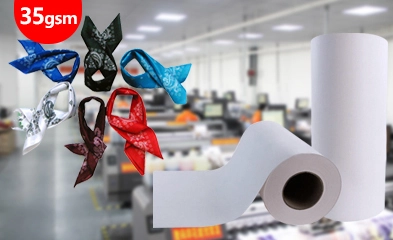
Для тонкого полиэстера, такого как хиджабы или шарфы, используйте специальную бумагу с низким уровнем GSM. Лучший выбор – это Папе передачи сублимации 35gsmр Сделано только для легких тканей. Он дает яркие цвета и резкие детали. В то же время он сохраняет мягкое ощущение материала. Избегайте жестких или блестящих пятен.
Как оптимизировать свой рабочий процесс без ущерба целостности ткани?
Почему последовательность температуры и давления имеет решающее значение для качества производства?
Если вы печатаете много штук каждый день, те же настройки каждый раз очень важны. Небольшие изменения тепла заставляют цвета выглядеть по-разному от одной рубашки к другой. Клиенты это замечают сразу же. Неравномерное давление создает некоторые отпечатки, которые выглядят идеально, а другие, которые имеют следы. Когда вы делаете совпадающие наборы, все должно выглядеть одинаково. Держите калибровку теплового пресса и записывайте свои настройки. Эта простая привычка экономит время и поддерживает высокое качество.
Какую роль играет высокоскоростная передача в снижении стресса на ткань?
Более короткое время пресса помогает ткани оставаться в хорошей форме. Меньше времени под теплом означает меньше шансов на плавление или блеск. Ткань остается мягкой и натуральной. Быстрые переводы также позволяют вам закончить больше предметов за меньше времени. Ваши работники обрабатывают одежду меньше раз, поэтому после печати появляется меньше морщин или отпечатков пальцев.
Может ли CHANGFA DIGITAL помочь вам достичь более чистых результатов сублимации?
Почему профессионалы выбирают CHANGFA DIGITAL для высокоэффективных решений для передачи текстиля?
Многие опытные принтеры выбирают CHANGFA Цифровой Потому что они сосредоточены на бумага сублимацииОни производят бумагу и предоставляют услуги по печати более 15 лет. Все происходит на их собственной фабрике - от сырой бумаги до покрытия, резки и доставки по всему миру. Они предлагают множество различных весов бумаги для всех видов тканей.
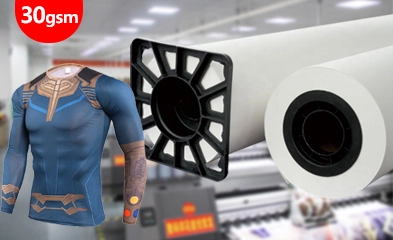
Для легкого полиэстера, который легко маркирует, попробуйте их Бумага теплопередачи сублимации 30Gsm без липкости. Он построен специально для остановки блеска и знаков. Цветы все еще выходят сильными и ясными. На заводе работают четыре крупных линии покрытия плюс десять быстрых резачных машин. Они могут делать рулоны шириной от 61 см до 190 см. Они даже привезли одну из новейших немецких покрывающих машин. Это означает постоянное высокое качество каждый день, независимо от того, сколько рулонов вам нужно.
Часто задаваемые вопросы
В: Какой самый безопасный температурный диапазон при сублимации на полиэстере без риска пресс-следов?
Ответ: Оставаться между 180 ° C-200 ° C (356 ° F-392 ° F) и использовать среднее давление. Этот диапазон позволяет красителю полностью работать, но сохраняет поверхность в безопасности.
В: Как избежать призраков или двойных изображений во время сублимации на тонком полиэстере?
A: Выберите бумагу с низким уровнем GSM или добавьте очень легкий спрей. Используйте твердое, но мягкое давление, чтобы ничего не сменялось, когда это жарко.
В: Необходимо ли использовать пеновую подушку или крышку во время прессования?
О: Да! Пеновые подушки распределяют давление равномерно. Крышка блокирует прямое тепло и останавливает блестящие глянцевые следы.


