


HOT SALE
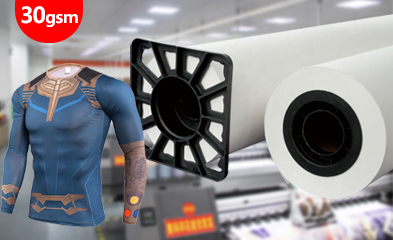
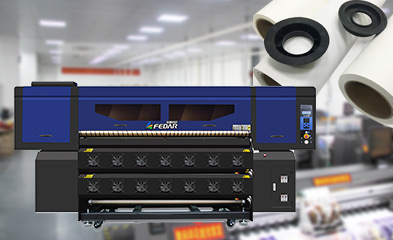
APPLICATION
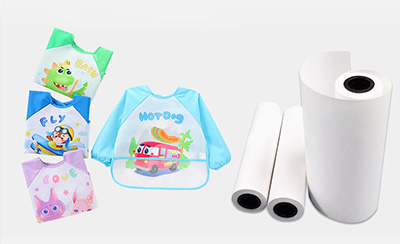
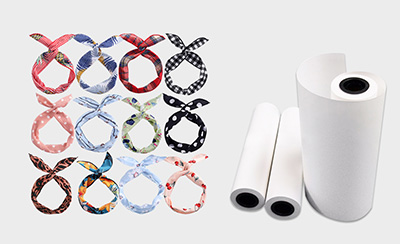
Phone:+86-15215969856 E-Mail: 396838165@qq.com

Polyester fabrics combined with sublimation printing allow for garments with bright colors and intricate designs that maintain their quality after washing. This type of printing is ideal for sportswear, workwear, promotional products, and clothing for fashion.
Understanding Polyester Fabric in Apparel Production
Characteristics of Polyester Fabric
Polyester is a man-made fiber, or a chemical fiber, which was created to keep garments for long periods of time, being hard-wearing, not creasing, and having excellent dimensional stability. Activewear is made from polyester fibers due to its ability to draw moisture from the skin and enable it to evaporate quickly. The smooth surface of the fabric provides an ideal base for the sublimation printing process.
Advantages and Limitations of Polyester in Apparel Design
Polyester is a popular choice for sublimation printing. The fabric has good dimension stability and low shrinkage. This means that as you wear a polyester garment, it will not bend, craze, or change color. It will maintain the print after washing. However, polyester is a non-breathable fiber, and garments made from 100% polyester can feel less comfortable to wear than 100% natural fibers. However, by mixing polyester with cotton, you can create a comfortable garment that has the durability of the polyester.
Fundamentals of Sublimation Printing Technology
How Sublimation Printing Works on Polyester
The process of sublimation relies on the chemical process of the dye molecules bonding with the polymer molecules in the fibers of the polyester. Sublimation printing is one of the methods to print on objects. By using high heat, the dye is turned into a gas. This gas is then penetrating into the fibers of the polyester. After the gas has cooled down, it returns to a liquid and is then contained in the fibers of the polyester. Because of this process, the print does not peel off and does not crack over time. Therefore, the image is at its best on a polyester-rich substrate and will produce the best color and print durability.
Essential Equipment and Materials for Sublimation Printing
Printing sublimation requires high-quality equipment and supplies, such as heat press machines for controlling temperature and pressure and sublimation ink specifically designed for printing on polyester for the best color and print quality. Changfa Digital has adopted environmentally friendly solvents, which are safe and eco-friendly. Their printing with sublimation ink has a wide color gamut and creates vivid color with high density after transfer.
Also important to the print quality is the transfer paper used. A good transfer paper can absorb ink evenly, release color efficiently under heat, and help the image transfer clearly onto the fabric without blurring, ghosting, or weak color output.
Compatibility Between Polyester Fabric and Sublimation Printing
Polyester fabric in combination with sublimation printing is the key to today’s high-performance textile designs.
Why Polyester is Ideal for Sublimation Processes
The polyester’s polymer structure means that when dye is heated into the fabric, it penetrates to great depth. This ensures that prints made on the fabric are deep, rich, and, most importantly, extremely wearable, resisting washing, UV light, and general wear. A white or light-colored background on polyester is ideal for the print to be viewable at its best, as it provides the greatest contrast and, therefore, the most accurate representation of color.
Factors Affecting Print Quality on Polyester Fabrics
Several factors influence print outcomes on polyester textiles. Fabric weave density determines how well ink penetrates fibers. Tighter weaves yield sharper images but may require higher temperatures. And temperature settings must correspond with specific polyester blends used in production.
Applications in Fashion and Sportswear Manufacturing
The combination of polyester fabric and sublimation printing has completely transformed the fashion and functional sportswear markets.
Use of Sublimated Polyester in Activewear Production
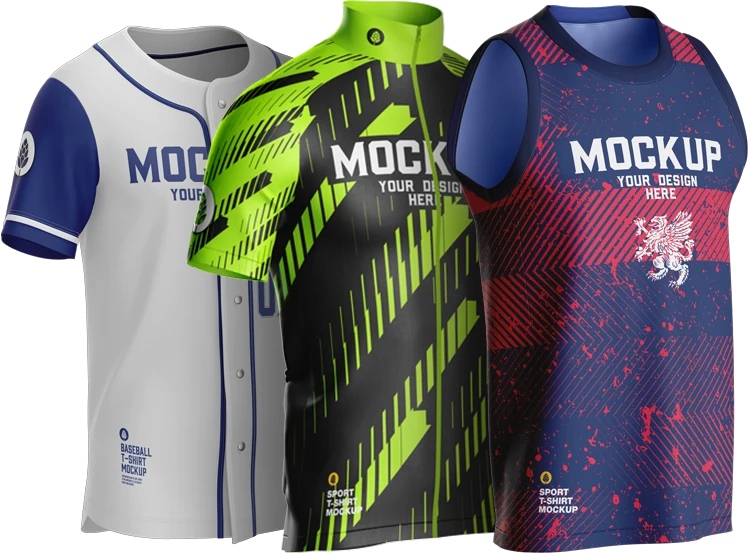
Sublimated polyester enables intricate designs to be printed on garments without weight or stiffness. Thus, it is very suitable for performance apparel like jerseys, leggings, cycling gear, swimwear, and even yoga outfits.
Trends in Fashion Utilizing Sublimated Polyester Fabrics
New digital design platforms enable designers to very quickly change up designs and transfer them to new templates without having to start all over from scratch. New styles can be printed using sublimation to create gradient effects, photorealistic prints, or brand identity transfers to fabrics. New sustainable ways to print on garments made of recycled polyester yarns have also been designed to reduce the environmental impact without sacrificing print quality. These new ways are part of the overall clothing industry’s shift towards a more circular business model.
Technical Considerations for Apparel Makers Using Sublimation Printing
As production increases, it is essential that batches maintain consistency in order to sustain brand reputation.
Optimizing Production Workflow for Consistency
Calibration of printers ensures uniform color output from one batch to another. Controlled humidity levels prevent paper curling or ink bleeding during transfer operations—a critical factor when using large-format rolls. Quality control checks, including alignment and print density inspections, ensure that every garment meets design specifications.
Managing Color Profiles and Design Preparation
In creating sportswear prints, designers have to take account of the color profiles used on their screens to check the printed result and also create their designs in vector format so that they can be enlarged without becoming pixelated. And when they’re positioning logos or prints on fabrics, they have to take into account the degree of stretch of the latter to avoid distortion when the garment is put on and worn.
Future Directions in Polyester Sublimation Printing Technology
A new generation of eco-friendly sublimation inks has been developed by some of the leading manufacturers in the industry. These new inks contain minimal amounts of volatile organic compounds (VOCs) and still have great color strength. Production of garments using sublimation transfers has also become more eco-friendly with the use of energy-efficient heat presses.
New developments of recycled polyester fabric have also emerged to support the circular fashion initiative in reducing a huge amount of textile waste. China’s Changfa Digital has been innovating by investing in advanced coating lines imported from Germany. This move would improve the production quality and environmental performance of the company.
FAQ
Q1: Why is polyester the best print material for sublimation printing?
A1: The fabric’s polymer fibers have a molecular structure that enables dye molecules to penetrate and bond within the fibers when subjected to heat. The resulting print produces extremely vivid colors, which have excellent resistance to fading and washing. Perfect for creating long-lasting apparel prints.
Q2: How does sublimation printing improve sportswear design?
A2: Sublimation printing improves sportswear design greatly. It enables printing any complex design directly into the fibers of the fabric. And the printed design is flexible and does not affect the breathability of the garment.
Q3: What materials will provide me consistent results?
A3: For consistent results when printing on transfer papers in the industrial environment, high-quality transfer papers like Changfa Digital’s sublimation paper are best. They contain quality ingredients that provide even ink release, consistent ink absorption, and minimal curling.
Q4: Are there any sustainable options for polyester sublimation print?
A4: Yes. There are sustainable options now for polyester sublimation print. Examples are recycled polyester materials combined with very eco-friendly inks. These inks have a low VOC emission while still giving brilliant colors. They are an ideal solution for sustainable manufacturing.


