


HOT SALE
APPLICATION
Phone:+86-15215969856 E-Mail: 396838165@qq.com

Sublimation printing is turning into an effective option for clothing made for export. It brings together lasting color, a soft fabric touch, and room for varied designs. Brands that get ready for 2026 markets can use this method to lift visual appeal.
Understanding the Concept of Sublimation Printing
Sublimation printing has changed the way designers work with clothes. This holds true especially for t-shirts and sportswear. It is a digital method that applies heat to move dye straight into fabric fibers. The result is bright and lasting prints. Unlike older screen printing or heat transfer ways, sublimation turns solid dye into gas. It skips the liquid stage. This step makes the print part of the fabric rather than a layer on the surface.
The method works well on polyester fabrics or surfaces with a polymer coat. These materials let the dye bond under heat and pressure. Heat at about 200°C and pressure turn the solid dye into gas. The gas moves into the fabric. When it cools, the dye sets inside the fibers. This creates a fixed image that stays put after many washes. The bond between dye and cloth gives the garments their known strength and easy feel.
The Historical Development of Sublimation in Fashion
At first sublimation printing served mainly sportswear and promo items. It produced light, airy garments with strong colors. As digital tools grew better, the method moved from special uses into regular fashion work. By the early 2010s, firms began to add fast printers. These handled big orders and kept fine detail.
Tech gains have also improved the inks. Current sublimation inks offer a wide color range and better black depth after transfer, which helps photo-style prints, gradients, and detailed patterns appear clearer on clothing. This development has made sublimation more suitable for sportswear, fashion pieces, uniforms, and customized apparel.
Key Advantages of Sublimation Printing in Modern Apparel Design
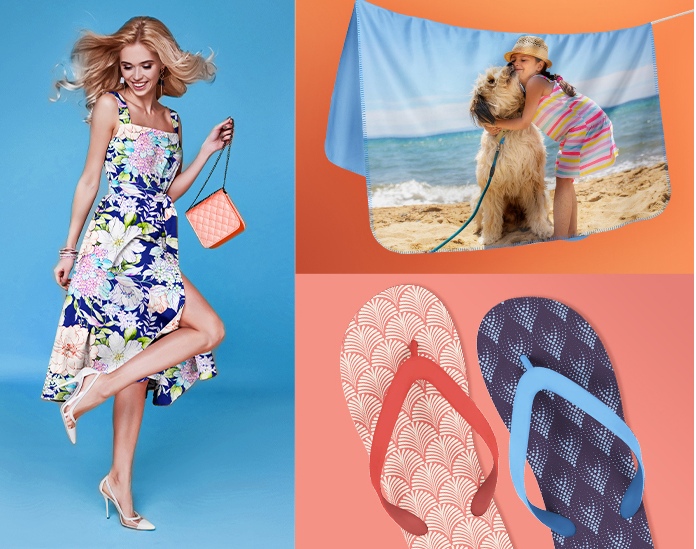
Sublimation printing gives designers wide creative choice and steady technical results. Its accuracy lets complex images sit cleanly on garments.
Precision and Color Vibrancy in Fabric Printing
A main gain comes from full-color work that does not crack or fade. The process supports smooth blends and photo images with sharp detail. Older ways often fall short here. Because the dye sinks into the fibers instead of sitting on top, the finished clothes show rich color depth. This look helps brand image stay steady across items.
Durability and Comfort in Printed Garments
Printed areas become part of the fabric. They hold up to wash and wear without peeling. No thick ink sits on the surface, so air still moves through the cloth. This breathability matters for sportswear and daily clothes where comfort counts.
Emerging Trends in Sublimation Printing for 2026
Sustainability now leads fashion plans. Sublimation printing keeps moving toward greener steps and digital tools.
Sustainable Materials and Eco-Friendly Inks
Designers choose recycled or biodegradable polyester that works with sublimation. Water-based inks replace solvent types to cut harm during production. These inks stay safe and nontoxic while keeping a wide color range and bright results. The moves match the buyer’s wish for clothes made with less impact on the planet.
Integration with Digital Design Tools and AI Technology
AI tools now help create patterns with high accuracy. Software adjusts color settings on the fly. This cuts waste and keeps output steady from batch to batch.
Expansion into New Fashion Categories
Sublimation now reaches dresses, outerwear, accessories, and streetwear. Bold full prints shape current looks. Full coverage across a garment helps tell a visual story without breaks.
How Designers Can Leverage Sublimation Printing for Creative Expression
Designers who want fresh ideas and smooth production find sublimation a good fit. It mixes custom options with scale.
Customization and Personalization Opportunities
On-demand runs let makers produce small lots or single pieces to match buyer tastes. Independent designers can test ideas without the high setup cost of screen printing. This open approach builds closer ties with customers through personal items. Changfa Digital’s sublimation paper offers steady materials that support reliable results even in large runs.
Combining Sublimation with Other Textile Techniques
Trends now favor mixes of methods on one garment. Embroidery can sit over a sublimated base. Laser cuts can add detail next to printed shapes. These blends bring touch and color together while the garment stays light and easy to wear.
The Future Outlook: Innovation Driving the Next Generation of Apparel Design
The next years will bring more progress as machines grow stronger and buyers ask for speed plus care for the planet.
Anticipated Technological Developments in Sublimation Equipment
Better printer resolution will allow very fine work once limited to luxury lines. Small energy-saving printers will help new studios enter the market. Cloud tools will let designers and factories work together from far away.
Market Implications for Brands and Manufacturers
Brands that use fast design-to-sale paths with sublimation cut lead times. Small-run capsule lines become practical because digital steps need low minimum orders. This edge matters when trends move fast and buyers seek unique pieces.
Buyers who need steady supply for changing orders can look at Changfa Digital’s Professional Sublimation Solutions. Changfa Digital supports sublimation paper manufacturing and digital printing services, with multiple roll widths available, standard export packaging, OEM/ODM customization, and a professional team to help solve your order and production questions quickly.
FAQ
Q1: What makes sublimation printing superior to other garment decoration techniques?
A1: It places dye inside the fibers instead of laying pigment on top. Colors stay bright and do not crack or peel. The fabric keeps its soft feel through many washes.
Q2: Can natural fabrics like cotton be used effectively with this method?
A2: Pure cotton does not bond well because it lacks the polymer needed for dye hold. Blends with polyester work well under normal print settings used by firms.
Q3: How does using eco-friendly inks benefit apparel manufacturers?
A3: Safe inks lower rules risk on emissions. They also lift brand image among buyers who want clothes made in a responsible way.
Q4: Where can I source reliable materials optimized specifically for high-quality clothes sublimation printing?
A4: For high-quality clothes sublimation printing, it is important to choose transfer paper that matches your fabric type, printer setup, ink system, and production speed. Changfa Digital offers coated sublimation papers from 29gsm to 100gsm, with widths up to 190cm, giving apparel makers flexible options for different garment printing needs.


