


HOT SALE
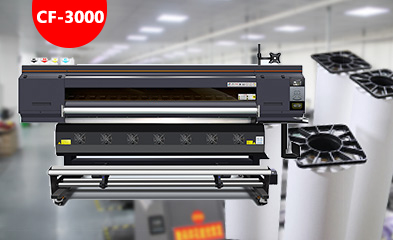
-3.jpg "800*1900mm Digital Heat Transfer Printing Machine Roll Heat Transfer Machine")
APPLICATION
Phone:+86-15215969856 E-Mail: 396838165@qq.com
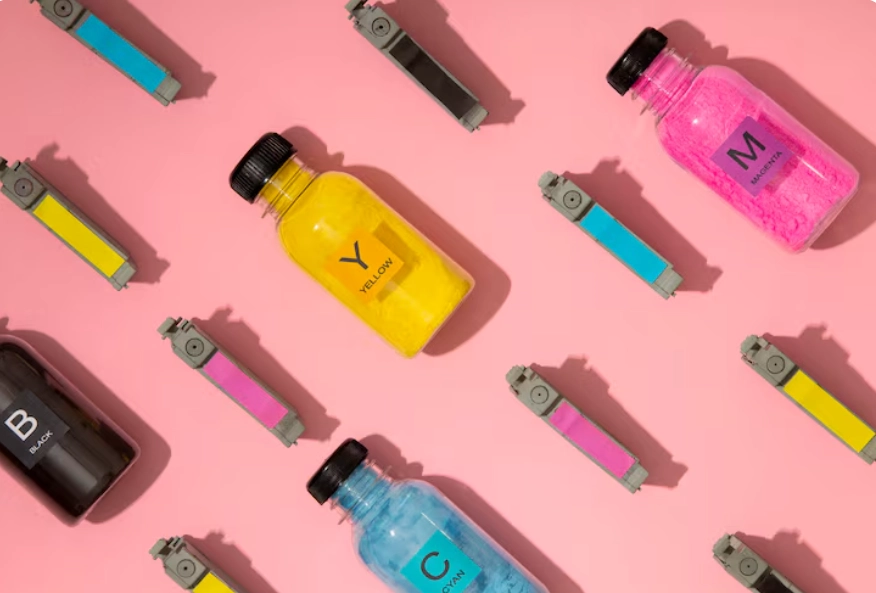
Dry sublimation ink stays mostly safe for regular printing when handled properly. It uses disperse dyes that turn into gas under heat and link forever with polyester threads without making new harmful materials. Health dangers remain low with correct heat settings and good air flow. Yet, bad air movement or too much heat might lead to slight gas release. Meeting rules like REACH, RoHS, and OEKO-TEX adds proof of its safety. Top-grade mixes with few VOCs improve work place protection for factory and home printing alike.
What Are the Chemical Components of Dry Sublimation Ink and How Do They Behave During Printing?
Dry sublimation ink forms a special mix built for heat move printing, mainly on polyester cloths. Its special makeup lets it change under heat and join with bases at a tiny level.
Dry sublimation inks are composed of dyes, dispersants, and carriers that undergo thermal activation
The main parts of dry sublimation ink cover disperse dyes, spreading agents, and holders like glycol or water bases. These inks work through a solid-to-gas shift. When heated, the dyes skip the liquid step and turn straight into gas. This gas dye enters the polymer links of polyester threads, creating a lasting join that stays bright and strong.
This eco-friendly sublimation ink adopts safe and nontoxic solvents, delivers a wide color gamut with vivid reproduction, and substantially enhances the coverage of professional black after transfer. It also ensures excellent fluency, enabling continuous 360dpi printing up to 20 meters without breakage or localized voids.
The thermal transfer process alters the chemical state but not the toxicity profile of the ink
Heat, usually between 180°C and 200°C, makes dye bits shift from solid to steam. This shift changes the chemical form. However, it does not build new materials or raise harm levels, as long as the ink mixes right and stays in suggested heat ranges. Good heat control ensures full gas change and cuts leftover bits or unacted particles.
In places with weak air flow or extra heat, gas release might happen. These gases usually do not count as dangerous, but air systems is still necessary because it can help avoid contact with thick steam.
Can Dry Sublimation Ink Pose Health Risks in Daily Use?
Exposure risks are minimal under standard operating conditions with proper ventilation
In managed factory spots with exhaust setups and set heat parts, dry sublimation inks bring little health threats. After a high temperature of 35 degree, test printing for a long time at low temperature 6-8 degrees, showing the ink’s steadiness even in changing heat states.
Straight touch with uncured inks might cause light bother for people with tender skin, which are uncommon. Long-time studies prove no big harm from sublimation inks when followed by maker rules.
Risk increases when safety protocols are ignored or equipment is misused
The inks mix to stay non-harmful, but the wrong use can add risks that avoid easily. Too much heat might cause partial gas change, making volatile organic compounds (VOCs) enter the air. Also, no protection items during printer care, like gloves or masks, can raise touch with thick leftovers.
Workers need to follow all maker advice on heat levels and handling steps. Protection gear use helps during care or long touch times for extra care.
How Do Environmental Factors Influence Ink Safety and Performance?
Temperature, humidity, and airflow affect both transfer quality and workplace air quality
Surrounding controls prove key in bettering results and safety with dry sublimation ink. High wet levels can block dye take-in into bases, leading to shadow effects or partial joins.
Steady heat control promises smooth dye turn without making leftover bits that might fly in air during work. Good air move adds to safety, because it spreads any gas particles that escape in the move step.
Workplace design and operational layout contribute to safety outcomes in daily printing workflows
Adding smoke pullers near heat presses cuts air releases well during gas cycles. Placing heat press spots away from busy paths limits extra touch for workers not in printing.
Closed heat press systems give more guard, keeping possible releases away from workers. These good ways can greatly raise work place safety and keep high-standard print results.
Are There Regulatory Standards for Sublimation Ink Safety?
Global safety standards classify sublimation inks as non-toxic when used appropriately in industrial settings
Most dry sublimation inks sold now follow world chemical safety rules like REACH (Registration, Evaluation, Authorization and Restriction of Chemicals) and RoHS (Restriction of Hazardous Substances). Material Safety Data Sheets (MSDS) come with these items. They give clear views of chemical makeup and safe handling advice.
Meeting ISO cloth printing rules makes sure these inks suit consumer clothes and goods.
Labels such as OEKO-TEX certify that finished prints meet human ecological requirements for skin contact
OEKO-TEX proof checks that sublimation-printed cloths hold no harmful leftovers after move. This covers limits for heavy metals and allergy-causing items.
Such proofs give trust that dry sublimation ink works well and stays safe for final users, including kids and people with tender skin.
What Makes CHANGFA DIGITAL’s Sublimation Inks a Safer Choice?
CHANGFA DIGITAL offers high-purity formulations designed to reduce health risks during extended use
CHANGFA DIGITAL has built own sublimation inks that put safety first without losing results. The 1513 serie sublimation ink shows low-VOC release traits perfect for closed work spaces that fits best for factory work with limited air flow.
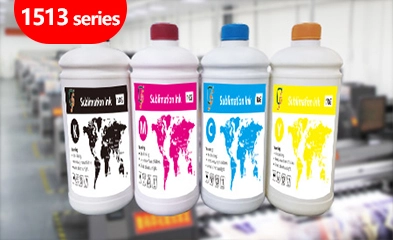
Mixed with new spreading methods, it cuts air particle release in heat cycles. Its set thickness backs smooth flow in long print runs and also lowers printer head blocks—a usual care danger.
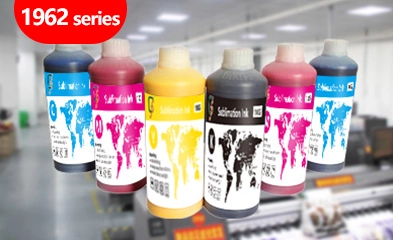
The 1962 Series sublimation ink supports high-volume production with enhanced colorfastness and low odor output
Built for match across many print head kinds, including high-thickness nozzles, 1962 series sublimation ink fits many head kinds while keeping clean move traits.
It works well in nonstop running without making too much gas or leftover build on tool surfaces. This trait makes it a top pick for work places needing quality and smooth running.
CHANGFA DIGITAL’s full making process highlights its promise to green safety: Adopt environmental friendly solvents, safe and nontoxic; proves their focus on health-aware new ideas.
FAQs
Q: Can dry sublimation ink be safely used in home-based printing setups?
A: Yes, if proper ventilation is ensured and heating equipment operates within recommended temperature ranges, dry sublimation ink can be safely used at home.
Q: Is there any risk of skin absorption from handling sublimation prints immediately after pressing?
A: No significant risk exists. Once cooled, printed surfaces are stable and do not release harmful substances.
Q: Should operators wear masks or gloves when working with dry sublimation inks?
A: While not mandatory under normal conditions, wearing gloves and masks during prolonged exposure or maintenance tasks enhances personal safety practices.


