


HOT SALE
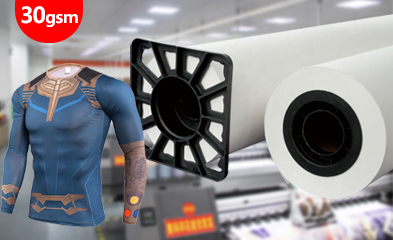
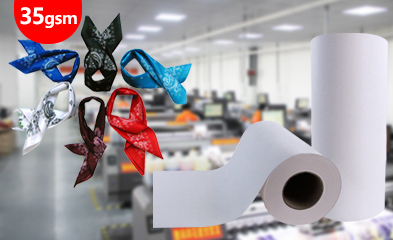
APPLICATION
Phone:+86-15215969856 E-Mail: 396838165@qq.com
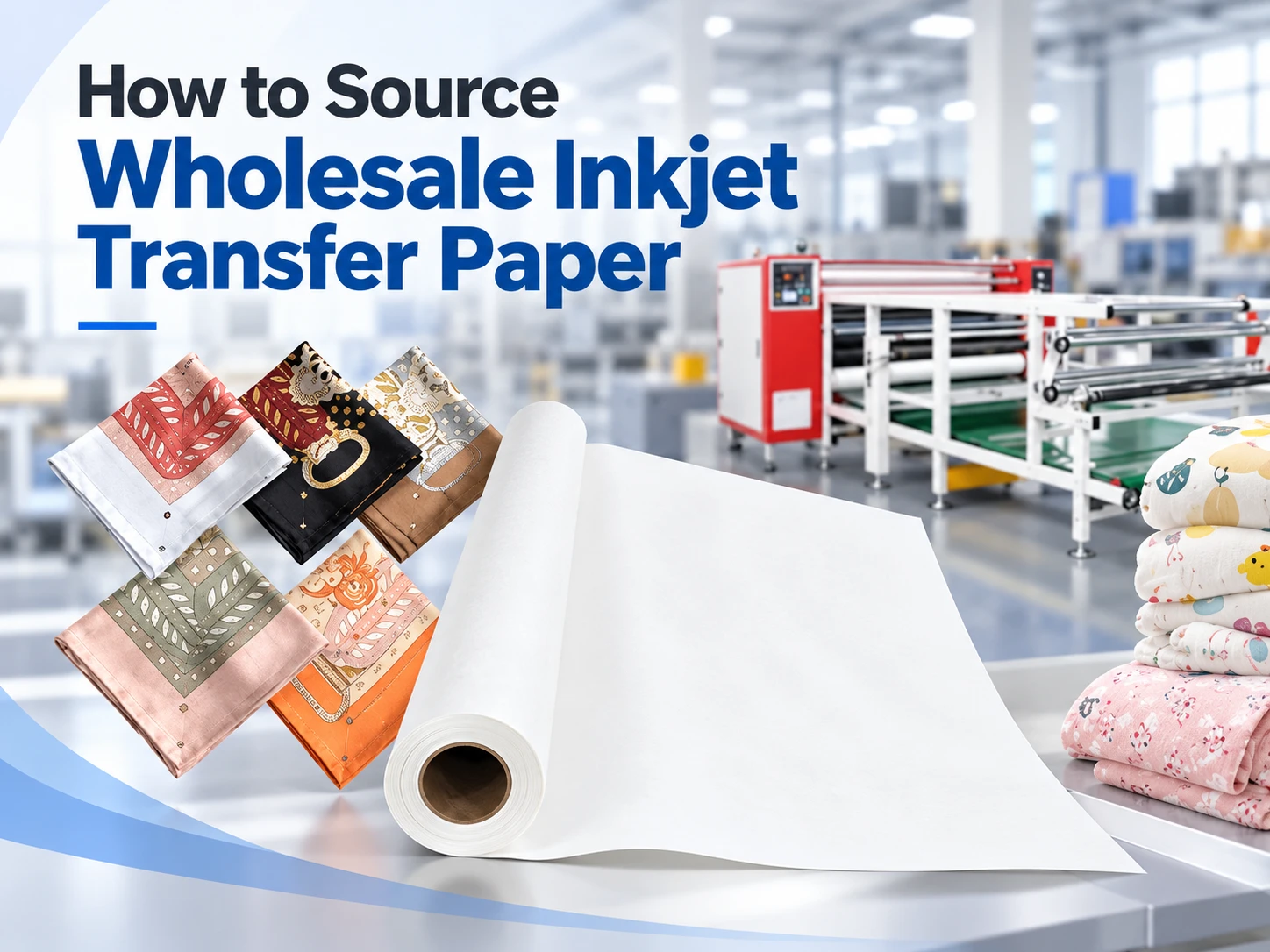
Wholesale inkjet transfer paper looks simple in a catalogue. A buyer sees a sheet or roll, a GSM number, and a price. The problems start when the material reaches the printer: the coating may not release evenly, the roll may track poorly, or one carton may behave differently from the sample.
Good sourcing is not a search for the lowest unit price. It is a controlled comparison of format, coating, runnability, packing, storage, and repeat supply. This guide gives production buyers a practical way to evaluate bulk inkjet transfer paper before placing a larger order.
What Does Wholesale Inkjet Transfer Paper Include?
Sheet and Roll Formats Serve Different Buyers
Sheet-fed transfer paper suits small batches, samples, mixed artwork, and businesses using desktop printers. Roll formats support longer runs and wider graphics, but they add decisions about width, core diameter, tension, and packing. A supplier should be able to show which format matches the buyer’s printer instead of treating every wholesale order as the same product.
Coating and GSM Must Be Read Together
Two papers can share a GSM and respond differently to ink. The coating controls ink reception, drying, release, and image sharpness. GSM affects stiffness and handling, but it does not replace a coating specification. When comparing wholesale inkjet transfer paper, ask for the intended printer, ink type, image coverage, and application before accepting a generic grade. Light grades such as 40gsm transfer paper and heavier grades such as 100gsm paper should be checked against that brief.
Core, Width, and Packing Affect the Production Line
A roll can pass a sample test and still fail in production if the core is wrong or the width does not fit the printer. Packing also matters. Moisture, edge damage, and compression during shipping can change how the material feeds. Buyers should request roll dimensions, core size, carton quantity, pallet pattern, and storage guidance in writing.
How Should Bulk Inkjet Transfer Paper Samples Be Tested?
Print the Same File Across the Full Width
Start with one controlled file that includes solids, gradients, fine lines, and text. Print across the usable width, not only the center. This exposes coating gaps, edge curl, and ink-load problems that a small test patch can miss. Store the printer settings and room conditions with each sample.
Test Drying and Handling at Production Speed
A sample that dries slowly on a desktop printer may block or mark on a faster machine. Run at the intended speed and check the paper before take-up, after stacking, and after a short rest. For transfer applications, also test the coated side, release behavior, and the final surface under the intended press conditions.
Compare More Than One Batch
Bulk inkjet transfer paper should be judged across batches. Ask for two or three production samples, record the batch information, and compare color, curl, coating, and feeding. A single perfect sheet cannot prove that a repeat order will match. The purpose of the sample is to reveal variation before the buyer pays for a full run.
How Should Transfer Paper Bulk Pricing Be Evaluated?
Unit Price Is Only One Part of Cost
Transfer paper bulk pricing should include waste, reprints, storage, freight, and changeover time. A lower-priced roll that creates edge waste or repeated jams can cost more than a stable grade. Compare usable square meters, not only the catalogue price per roll or pack.
Packaging Can Change the Landed Cost
Rolls and sheets need protection from moisture and handling damage. Ask how the supplier packs the core, wraps the roll, protects edges, and labels the carton. When material arrives deformed, the buyer pays again through trimming, waste, or delayed production. Packaging is therefore part of the purchasing decision, not an afterthought.
Keep the Approved Specification Visible
Write the approved GSM, width, coating, core, packing, and application into the purchase record. When a quotation arrives, compare it with that record before discussing price. This prevents a supplier from substituting a different grade that happens to share a headline number.
Why Is Wholesale Heat Transfer Paper Not One Specification?
Light and Dark Garments Need Different Systems
Wholesale heat transfer paper can refer to inkjet transfer paper for light garments, dark-garment transfer paper, or a different product family entirely. Each uses a different image path and may need different inks, masking, or application steps. A buyer who orders by the generic term alone may receive the wrong material for the order.
Cotton and Polyester Lead to Different Choices
Cotton and polyester do not accept the same transfer method. Inkjet transfer paper may be used for cotton or blends depending on its coating and ink system. Polyester often points toward sublimation paper and disperse dye. These are related purchasing categories, but they are not the same sheet.
Confirm the Printer and Ink Before the Size
The printer, ink chemistry, transfer equipment, fabric, and final use should be confirmed before a wholesale heat transfer paper quotation is approved. A correct width cannot fix the wrong chemistry. The supplier should be able to explain the limits of the paper rather than promise that one grade fits every application.
What Should Buyers Verify in a Wholesale Inkjet Paper Supplier?
Ask for a Production Sample, Not Only a Swatch
A single hand sample proves very little. Ask for enough material to run a full-width test and several repeat prints. For roll orders, request a sample with the same core and width. A production sample shows whether the paper can survive real handling.
Check How the Supplier Handles Variation
Ask what the supplier records for coating, GSM, and roll dimensions. Ask how complaints are evaluated when a batch differs from the approved sample. An evidence-based technical response is more useful than a promise that every roll will be perfect. The buyer needs a defined way to compare a future shipment with the approved standard.
Match the Supplier to the End Product
The same wholesale inkjet paper may be used for apparel, promotional goods, labels, or other transfers. The supplier should understand the buyer’s final application and documentation needs. If the product requires a specific fabric, wash result, or production volume, those details should be part of the initial quotation. A clear wholesale inkjet paper specification also makes it possible to compare two suppliers without changing several variables at once.
What Should Be in a Wholesale Transfer Paper Checklist?
Product Details
Record the exact grade, coated side, GSM, width, core, sheet or roll count, ink compatibility, and intended application. Attach the sample label to the quotation.
Production Evidence
Record print quality, drying, curl, tracking, transfer result, and packaging condition. Use the same test file across batches so the evidence is comparable.
Supply Terms
Confirm carton quantity, pallet pattern, storage guidance, replacement terms, and the information needed for a repeat order. These details reduce the chance that a later shipment is treated as a new product.
Conclusion
The purchase should be tied to a defined production job, not a generic description. Compare the sheet or roll format, coating, GSM, core, packing, sample performance, batch variation, and final application before approving a larger order. The approved specification makes price negotiations more meaningful and repeat supply easier to control.
For a sourcing review, send the printer and ink, sheet or roll format, target width, GSM, fabric or application, test file, order volume, and packing requirement. That information lets Changfa Digital compare the relevant paper supply without confusing inkjet transfer paper with sublimation paper.
FAQs
Q1: Is wholesale inkjet transfer paper the same as sublimation paper?
A1: No. Both are transfer materials, but the coating and ink path are different. Inkjet transfer paper carries an image for an appropriate transfer system, while sublimation paper works with disperse dye and polyester.
Q2: What should I test before buying transfer paper bulk?
A2: Test the full width, production speed, drying, curl, coating, transfer release, packing condition, and repeat-batch consistency. Keep the printer, ink, and application settings with each sample.
Q3: Why does wholesale heat transfer paper cost vary so much?
A3: Cost changes with coating, GSM, format, width, core, packaging, minimum quantity, and freight. Compare the usable production result and waste rate instead of the catalogue price alone.


