


HOT SALE
APPLICATION
Phone:+86-15215969856 E-Mail: 396838165@qq.com

For B2B textile buyers, when dealing with business-to-business purchases of textiles, color is not merely a stylistic concern anymore. Color determines the approval process, order consistency, and wastage for bulk production processes in 2026.
How Sublimation Printing Changes Fabric Color Production in 2026
Sublimation printing works by turning dye into gas under heat and pressure. The gas enters polyester fibers or a polymer coating, then stays inside after cooling. The color does not sit as a thick layer on top of the fabric.
Why Polyester Fabric Remains the Main Application Material
Polyester continues to be the predominant fabric used in sublimation printing due to its compatibility with the sublimation ink. Cotton cannot serve the same purpose. Low content of polyester might result in poor color, darkening, or wash outcomes. Thus, prior to considering the paper, ink, or machine’s speed, one needs to check out the fabric’s content first.
What This Means for Apparel, Sportswear, and Promotional Textile Orders
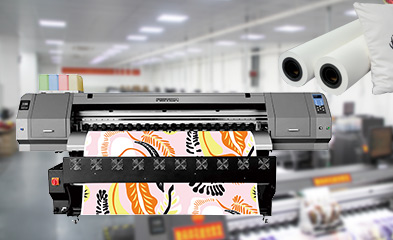
In apparel and sportswear projects, sublimation printing allows full-panel designs without many separate printing steps. Team numbers, sponsor marks, and color blocks can be handled in one workflow. For promotional fabric, it can support banners, flags, scarves, and display textiles when the paper, ink, and heat-transfer settings are stable.
Why B2B Buyers Are Paying More Attention to Fabric Color Stability
Color Consistency Across Bulk Production Batches
One approved sample is not enough for a bulk order. The real test is whether the factory can keep the same color from the first roll to the last roll. If color shifts during production, the order may need sorting, reprinting, or customer negotiation.
Shorter Customization Cycles for Small and Medium Orders
More brands are testing smaller custom batches before placing larger orders. They want faster sampling, faster design changes, and less inventory risk. Sublimation printing fits this demand because artwork can be changed digitally without making screens or plates.
Reduced Rework from Better Ink and Paper Matching
Many production problems start with poor ink and paper matching. The color may look dull after transfer. The paper may dry too slowly. The print may bleed, ghost, or curl during handling.
Changfa Digital’s product center includes sublimation paper, sublimation ink, printers, heat transfer machines, and tissue paper. For B2B buyers, this product range is useful because paper and ink should not be selected as isolated items.
Key Materials That Affect Sublimation Color Performance
Sublimation Paper Quality and Ink Release
Sublimation paper is the carrier. It holds the printed image before transfer, then releases dye under heat. If the coating absorbs too much ink, less dye reaches the fabric. If the surface dries too slowly, the print may smear or cause ghosting.
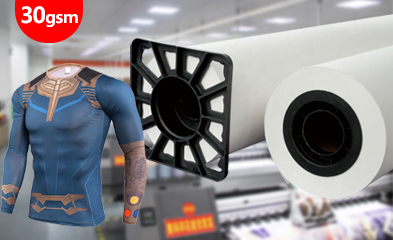
Changfa Digital lists sublimation paper options from 29gsm to 100gsm. This range gives buyers room to match different jobs. Lighter paper can suit fast roll-to-roll textile printing. Heavier paper can help when ink load is higher or when better flatness is needed.
Sublimation Ink Density, Fluency, and Color Gamut
Sublimation ink affects color depth, printer running condition, and final transfer stability. Buyers should not judge ink only by a color chart. They should test nozzle fluency, drying speed, black coverage, edge clarity, and wash results on the real fabric.
Fabric Composition, Coating, and Moisture Control
Fabric is sometimes ignored, but it decides a lot. Polyester content, fabric thickness, weave density, and moisture all affect color. Damp fabric can cause weak transfer, blurry edges, or uneven shade. For coated hard substrates, coating quality matters in the same way.
Common Color Problems in Sublimation Fabric Printing
Dull Color After Transfer
Dull color usually means the dye did not transfer fully, the substrate did not receive it well, or the heat press setting was not enough. It may also come from old ink, damp paper, poor ICC profile, or weak coating.
Ink Bleeding Around Logos and Fine Details
Ink bleeding makes text and logo edges look soft. It often comes from too much ink, slow drying, high humidity, or wrong paper choice. For branded apparel, this problem can cause sample rejection quickly.
Ghosting, Paper Movement, and Color Misalignment
Ghosting happens when sublimation paper moves while the dye is still active. It may come from loose tape, fast press opening, curled paper, or poor handling. In bulk orders, ghosting wastes both paper and fabric.
Heat Press Marks That Affect Fabric Appearance
Heat press marks may show as shine, edge lines, or flat areas on polyester fabric. They are common when pressure is too high, dwell time is too long, or protective sheets are used incorrectly.
How Sublimation Printing Supports 2026 Project Applications
Sportswear and Teamwear Production
Sportswear buyers care about color, hand feel, and repeat order stability. Sublimation printing supports full-color designs without a heavy print layer, which is useful for breathable polyester garments.
Fashion and Fast Custom Apparel Orders
For short fashion runs, sublimation printing helps factories move faster from artwork to sample. Buyers can test more designs with lower setup costs, as long as fabric and consumables are ready.
Home Textile and Interior Fabric Printing
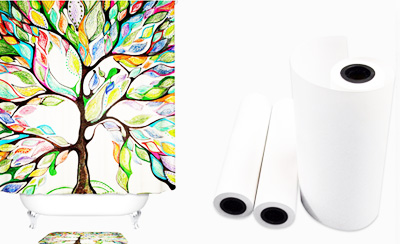
Home textile projects need color consistency across wider fabric areas. For curtains, cushions, and decorative fabric, roll width and paper flatness matter because small alignment problems become obvious on large panels.
Promotional Fabric, Flags, and Event Materials
Promotional buyers often need quick delivery and clear visual color. Sublimation printing suits flags, banners, scarves, and event textiles when production teams control drying, feeding, and heat transfer.
How to Evaluate Suppliers for Sublimation Fabric Printing Projects
Check Paper Weight, Roll Width, and Batch Stability
It is essential that buyers confirm that the vendor can offer them the required paper weight and size for their printing machine. Before ordering in volume, test paper and ink together. Use the same printer, fabric, heat press, temperature, pressure, and dwell time that will be used in production.
Request Sample Testing Under Real Heat Press Conditions
A supplier sample made under clean lab conditions is not enough. Buyers should test in their own workshop or ask for samples based on their actual fabric and machine setup.
Confirm OEM/ODM Support, Packaging, and Export Delivery Capacity
For distributors and project buyers, supply capacity is part of quality. Changfa Digital states that it runs coating lines, slitting workshops, and slitting machines with monthly output and container export capacity. This setup supports repeat purchasing and OEM/ODM needs.
Procurement Advice for B2B Buyers Choosing Sublimation Printing Materials
Build Clear Material Specifications Before Ordering: A clear purchase sheet should include paper GSM, roll width, core size, ink type, fabric content, transfer temperature, dwell time, packing method, and sample approval rules. This avoids confusion after production starts.
Match Paper, Ink, Fabric, and Equipment Instead of Buying Separately: The safest order is not always the cheapest paper or the strongest ink. The safer order is the combination that works together. Buyers should test the full workflow before approving bulk supply.
Test Color Performance Before Large-Scale Production: Approval should include color depth, edge clarity, wash result, fabric hand feel, and batch repeatability. Keep the test record for future reorders.
Choose Suppliers That Can Support Repeat Orders and Technical Troubleshooting: When color problems happen, buyers need more than a quotation. They need a supplier that can help check paper, ink, storage, and heat press settings.
This is where Changfa Digital becomes a feasible choice for B2B customers. Changfa Digital provides both sublimation paper and ink, thus enabling buyers to perform an analysis of the quality of the paper release, ink properties, and storage requirements, as well as heat-pressing effects at once. For re-orders, such a combination of products can assist factories in cutting out guesswork, stabilizing color output, and responding swiftly to any problems with production.
FAQ
Q1: What fabric works best for sublimation printing?
A1: Polyester-rich fabric works best. Buyers should confirm polyester content, thickness, and moisture before ordering sublimation paper and ink.
Q2: How can buyers avoid dull color in bulk sublimation orders?
A2: Test paper, ink, fabric, ICC profile, and heat press settings together before bulk production. Dull color often comes from poor transfer, low heat, damp paper, or wrong fabric composition.
Q3: Why do sublimation ink and paper need to be tested together?
A3: Because ink and paper affect drying speed, ink release, color density, and transfer stability. A paper that works well with one ink may not perform the same with another.


