


HOT SALE
APPLICATION
Phone:+86-15215969856 E-Mail: 396838165@qq.com
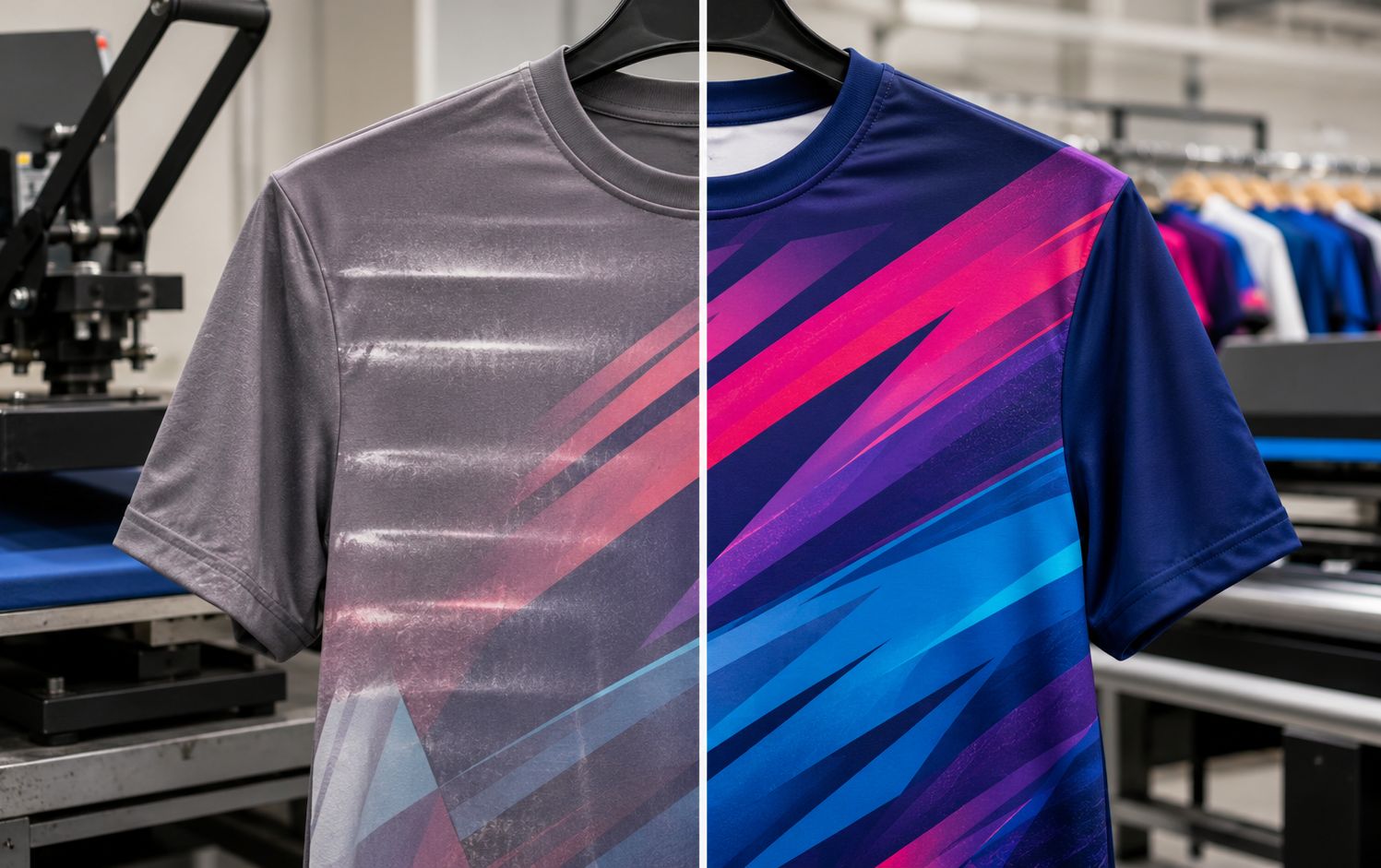
A heat press mark may seem like a minor flaw that affects only the surface, but when bulk sublimation printing is concerned, such marks can influence fabric quality, customer approval, and reproducibility of the prints.
Heat Press Marks in Sublimation Printing
Heat press marks are common in sublimation printing, especially when the job uses polyester fabrics or coated hard substrates.
What Causes Heat Press Marks on Sublimated Materials
Heat press marks usually come from too much heat, too much pressure, or pressing for too long. When the platen presses down with strong force, the surface of the fabric may flatten.
Dwell time also matters. If the press stays closed for too long, the fabric fibers or coating can take in more heat than needed. This may change the surface texture, especially on thin sportswear, stretch fabric, or dark polyester.
Substrate type changes the result too. Textile, metal, ceramic, and MDF do not react in the same way.
Identifying Common Types of Heat Press Marks
The most common mark on polyester fabrics is unwanted shine. It often appears after strong pressure or high heat. The fabric surface looks pressed down, and under light it can look brighter than the surrounding area.
Edge lines are another problem. They appear when the edge of sublimation paper, Teflon Sheets and Parchment Paper, or a protective layer presses into the fabric.
Discoloration can also happen. This is not always a full color change. Sometimes the fabric only looks slightly lighter or darker around the press area.
Key Factors Influencing Heat Press Marks
Reducing heat press marks is not about lowering one setting at random. Temperature, pressure, dwell time, cooling, and material type all need to be matched.
Temperature and Pressure Balance
Temperature should be high enough for sublimation ink to transfer, but not so high that the material surface gets damaged. Polyester fabrics are sensitive. A few degrees may not seem like much, but on a long production line, it can make a clear difference.
Pressure should hold the paper and substrate together. For large orders, operators should not only trust the machine display. The platen should be checked from time to time to make sure heat and pressure are even across the full working area.
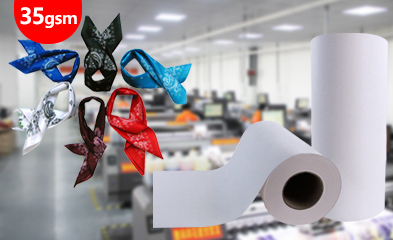
For bulk buyers, pressure control should be checked together with sublimation paper selection. A stable paper cannot remove heat press marks by itself, but it can help the factory keep ink release, drying speed, and transfer behavior more predictable. Changfa Digital offers sublimation paper from 29GSM to 100GSM, so buyers can test different paper weights based on fabric thickness, ink load, and heat press settings before confirming bulk orders.
Dwell Time and Cooling Process
Dwell time is often adjusted to make color stronger, but longer is not always better. If the paper stays under heat for too long, fabric fibers may not recover well.
Cooling also affects the final look. If the fabric is pulled, folded, or stacked while still hot, pressure marks may become worse. Letting the fabric cool flat helps the fibers return closer to their original shape.
Material-Specific Considerations for Reducing Marks
Different materials need different handling. The same heat press setting cannot fit polyester fabrics, coated metal, ceramic, and MDF at the same time.
Polyester Fabrics
Polyester fabrics are the main material for sublimation printing, but they are also easy to mark when heat and pressure are too strong. Thin polyester, stretch polyester, and dark polyester often show marks more clearly.
Protective sheets can reduce direct contact between the platen and fabric. For soft fabrics, operators can also test foam pads or pressing pillows around seams and raised areas.
Hard Substrates: Metal, Ceramic, MDF
Hard substrates need flat contact and even heat. Metal plates can show gloss changes if heat is uneven or if the surface coating is pressed too hard. Ceramic tiles and mugs need stable heat contact, but pressure should still be controlled. MDF can react to both heat and moisture, so storage and pre-press conditions also matter.
Techniques and Tools to Minimize Heat Press Impressions
In real production, accessories are often the difference between a clean batch and a rejected batch. The right paper, pads, tape position, and protective layer can reduce many visible marks.
Using Protective Layers and Accessories
Protective layers should be chosen based on the material. They should protect the surface without blocking heat transfer too much. If the protective layer is too thick or badly placed, it can create a new mark instead of solving the old one.
Teflon Sheets and Parchment Paper
Teflon Sheets and Parchment Paper are commonly used to protect the substrate surface. Teflon sheets can stop direct contact between the platen and fabric, which helps reduce shine and compression. They can be reused, but they must be kept clean.
Parchment paper is useful for lighter work because it is thinner and lets moisture escape more easily. For some polyester fabrics, it may leave fewer hard edges than a thick sheet. Still, operators should test both options. The best choice depends on fabric type, pressure, and the size of the printed area.
Silicone Pads and Foam Cushions
Silicone Pads and Foam Cushions help spread pressure around uneven areas. On garments, seams, collars, zippers, and raised parts can create pressure imbalance. If the platen presses over these areas directly, the fabric around them may show strong marks.
Maintenance and Quality Assurance Practices for Long-Term Efficiency
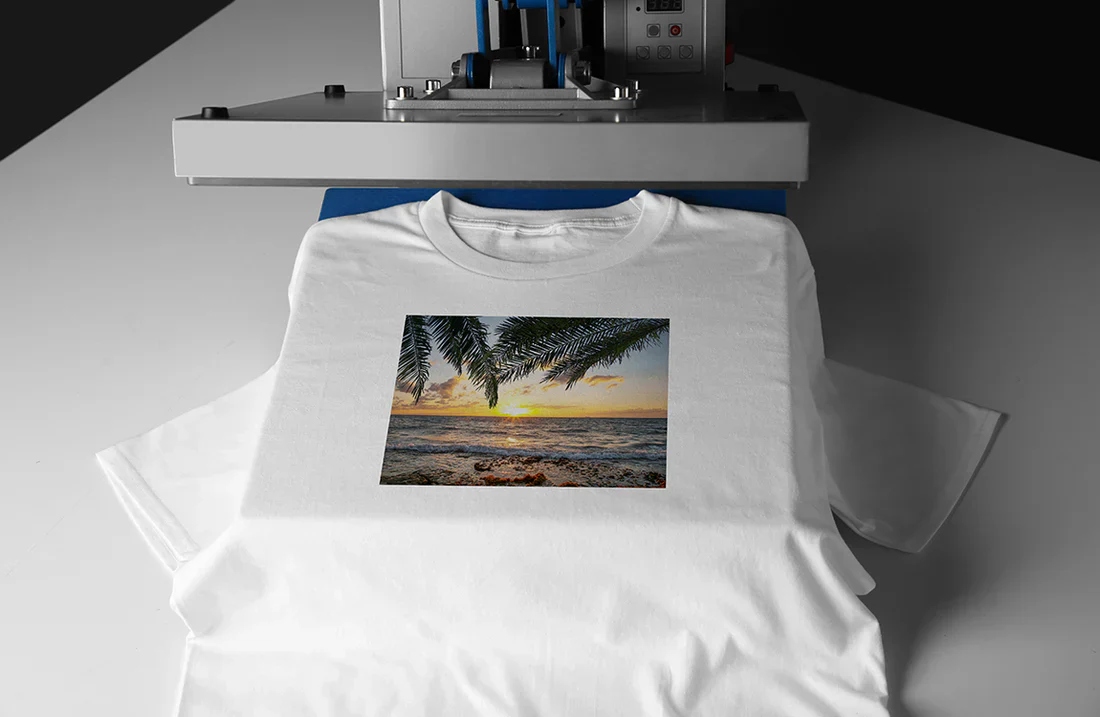
Machine care has a direct effect on heat press marks. A heat press that is not level, not clean, or not calibrated will create problems even when the paper and fabric are correct.
Regular calibration helps keep platen alignment and temperature stable. Press pads should be checked for dents, hard spots, and uneven wear. Once the pad loses shape, pressure will not be even. Replacing worn padding is cheaper than reprinting a bulk order.
After sublimation, some fabrics can be improved with light steaming or gentle brushing. This may help lift compressed fibers and reduce surface shine.
Quality control should happen right after pressing. Record the best settings for each material type, including temperature, pressure, dwell time, paper type, protective layer, and cooling method. These records help different shifts produce the same result.
Supplier Selection for Sublimation Printing Projects
Procurement managers should not only ask for price when choosing sublimation materials. For projects where heat press marks are a known risk, supplier testing ability is important. Buyers should ask whether the supplier can provide samples tested under different temperature and pressure settings.
Real sample photos are useful, but they should be taken under normal light and angled light. Some heat press marks only show when the fabric is tilted. If the supplier only provides front-view images, surface shine may be missed.
Buyers should also check whether the supplier understands heat press equipment, paper behavior, and operator workflow. These points affect mark formation in real factories. QC standards should include surface shine, edge lines, paper release, and fabric recovery after cooling.
For this type of project, buyers can consider Changfa Digital when they need sublimation paper, sublimation ink, and related printing supplies from one source. Changfa Digital works from base paper to coating, slitting, and packing, which helps buyers check paper quality, roll width, and repeat batch stability more directly.
FAQ
Q1: What is the minimum order quantity (MOQ) when purchasing sublimation papers suitable for minimizing heat press marks?
A1: The MOQ depends on roll specifications, paper weight, width, and packing requirements. For instance, Changfa Digital Sublimation Paper offers multiple GSM options ranging from 29 GSM to 100 GSM suitable for various substrates. Buyers can match paper thickness with fabric type, ink load, and production speed.
Q2: How often should I recalibrate my heat press machine?
A2: Rebalancing is recommended to be carried out periodically, but high-demanding industries need to do it more often. Uneven color distribution, increased edge marks, and increased pressure on one side of the platen compared to another indicate that the device needs rebalancing.
Q3: Can you recommend reliable protective materials compatible with polyester sportswear?
A3: Buyers may try out the Teflon Sheets and Parchment Paper initially. In case seams, collars, zippers, or any elevated spots create pressure marks, buyers may try using Silicone Pads and Foam Cushions too. The buyers may try these out on a small scale with the selected sublimation paper before production to ensure their effectiveness.


