


HOT SALE
APPLICATION

Phone:+86-15215969856 E-Mail: 396838165@qq.com
 In a humid printing room, ink problems rarely arrive with a clear warning. The bottle may look fine. The printer may have worked normally on Friday. Then Monday starts with a few broken lines, a heavier cleaning cycle, and a production manager asking whether the ink, the printhead, or the storage area is to blame.
This is where sublimation ink storage becomes more than a warehouse habit. Opened bottles near printers, caps left loose after refilling, fabric dust on workbenches, and fast temperature changes can all add pressure to a CMYK workflow. None of these issues proves that the sublimation ink is poor. They simply make nozzle clogging more likely, especially during rainy seasons or in workshops where drying, pressing, and fabric handling happen in the same space.
For buyers and print shops, the useful question is practical: how do we control storage, opening records, humidity exposure, and printer-side routines before judging a new digital textile printing ink?
Why Does Humidity Make Sublimation Ink Storage More Important?
Humidity by itself is not the only enemy. The real trouble usually comes from humidity mixing with dust, unstable temperature, slow stock rotation, and casual refilling habits. A workshop can run the same paper, same fabric, and same printer setting, yet see more nozzle checks fail once the wet season starts.
Separate Storage Problems From Ink Quality Complaints
When a nozzle check breaks, the first reaction is often to blame the ink. Sometimes that is fair, but not always. Dried residue around the cap station, an old bottle that stayed open too long, a funnel used for two colors, or ink poured from an unknown container can create symptoms that look very similar to a supplier-side problem.
Before sending a complaint, it helps to slow down and map the basics. Which color channel failed? Which bottle was opened? Was the same batch used on another printer? Did the clogging happen after a weekend stop, after a power-off, or after the ink was moved from storage into a warm print room? Those notes sound ordinary, but they can save a buyer from replacing a usable ink system for the wrong reason.
Watch Condensation, Dust, and Opened-Bottle Exposure
Condensation is easy to miss because it may appear around the storage area rather than inside the bottle. If cartons sit in a cooler room and bottles are opened too soon in a warmer workshop, moisture can settle on surfaces and tools. Fabric dust is another small issue that becomes bigger over time. It collects on bottle necks, caps, refill tools, and printer covers.
A simple rule works better than a long poster nobody reads: keep ink closed until use, avoid dusty cutting or fabric areas, and let unopened bottles reach workshop temperature before opening when the temperature gap is obvious.
Link Nozzle Clogging Records to Workshop Conditions
A log sheet does not need to be complicated. Record the date, printer, color channel, humidity if available, bottle batch, opening date, and cleaning result. If cyan blocks after every weekend shutdown, the maintenance routine may need attention. If black clogs only after an older opened bottle is used, storage time may be the better suspect.
This kind of record is especially useful for distributors and textile factories running several printers. Without it, every machine problem becomes a debate. With it, the team can see patterns before the same issue reaches a bulk fabric order.
What Should Print Shops Control Before Opening Ink?
Good ink handling starts before the seal is broken. Many print rooms take great care of printheads but treat sealed bottles as if they can be placed anywhere. That is risky in humid workshops. Sealed stock still needs a clean area, clear rotation, and labels that operators can read quickly.
Confirm Sealed-Bottle Storage Temperature and Shelf Rotation
The exact storage range should follow the supplier label or technical note. In daily operation, the important point is consistency. Keep bottles away from direct sun, heaters, wet floors, and sudden temperature swings. Do not put new cartons in front of older stock just because they are easier to reach.
First-in, first-out is not exciting, but it prevents many awkward production conversations. When an older carton stays at the back of the shelf and appears only during a rush order, operators may not know how long it has been sitting there or whether the storage area changed during the season.
Keep Bottles Away From Direct Heat, Moisture, and Fabric Dust
Digital textile printing ink is often stored close to fabric rolls, transfer paper, spare printer parts, and cleaning tools. The arrangement saves steps, but it also raises contamination risk. Ink cartons should not sit beside humidifiers, wash areas, open windows, or lint-heavy cutting tables. If storage space is tight, even a closed cabinet or dedicated shelf can improve control.
The bottle neck deserves attention too. Wiping the outside of a bottle before refilling is a small habit, but it stops dust from being carried toward the ink line. That matters more when several operators share the same refill area.
Record Batch, Opening Date, and Printer Assignment
Once a bottle is opened, write down the batch, color, opening date, and printer assignment. A small label on the bottle is often enough. If two printers use the same CMYK set but different ink ages, the record helps explain small color differences or different cleaning frequency.
For export buyers, this record also improves sample approval. When a factory sends a print sample, the buyer can ask which ink batch, paper, fabric, and printer were used. Reorders become easier to repeat because the first approval file contains more than a photo and a price.
How Should Opened Sublimation Ink Be Managed Near Printers?
The highest-risk stage usually starts after opening. A sealed bottle still has factory packaging protection. An opened bottle depends on the workshop. In humid seasons, refilling discipline, cap control, and tool cleanliness can decide whether a printer starts the day with a clean nozzle check or a long cleaning cycle.
Reseal Bottles Immediately After Refilling
Do not leave opened ink beside the printer while operators adjust artwork, answer a message, or wait for the next roll. After refilling, clean the cap area if needed and close the bottle at once. The bottle should then return to its assigned shelf or cabinet instead of staying near heat from the printer or press.
This sounds basic, but it is often where humid-season problems begin. A bottle left open for a few minutes may not ruin production. A bottle left half-closed every day slowly builds risk.
Avoid Mixing Old Ink, New Ink, and Unknown Containers
Mixing ink is a common shortcut during busy shifts. It is also one of the fastest ways to create trouble that nobody can trace later. Old ink should not be poured into a new bottle. Ink from an unmarked container should not be added to a tank because the formula, batch, age, and storage history are unclear.
If a workshop uses refill tanks, each tank needs a fixed cleaning and labeling procedure. Operators should know which color belongs to which line, when the tank was last cleaned, and whether a leftover amount is still approved for production. Guesswork is cheaper for five minutes and expensive for the rest of the day.
Use Daily Nozzle Checks Before Bulk Textile Printing
A short nozzle check before bulk printing is much cheaper than finding banding after meters of sportswear fabric or flag material are already printed. In humid workshops, the check should happen before important orders, after long machine stops, and after ink refilling.
The result should be saved or at least recorded when a problem appears. If cleaning fixes the same channel every morning, the team needs to check cap station condition, parking habits, ink age, and room exposure. If a new bottle runs clean while an older opened one does not, the storage record already points toward the next action.
How Can Buyers Write Better Ink Storage Requirements?
For B2B orders, storage rules should not live only inside the workshop. They belong in the purchase brief, sample file, and supplier discussion. A buyer who only asks for carton quantity and bottle price may miss details that later affect clogged nozzles, color stability, and repeat sampling.
Ask Suppliers About CMYK Ink Compatibility and Handling Notes
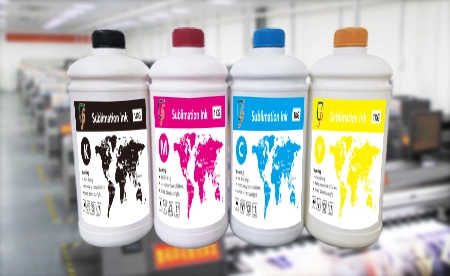
Before larger orders, buyers should confirm printhead compatibility, color set, bottle size, packing method, and handling notes. Changfa Digital lists High Quality 1962 Serie CMYK Sublimation Ink for Digital Textile Printing as a 1L/bottle CMYK ink option for Epson DX4, DX5, and DX7 printheads. The page also presents product advantages such as high color intensity, low ink consumption, low viscosity, good transfer performance, higher curing speed, and excellent printing stability.
Those points are useful, but they still need to be checked against the buyer’s real workshop. A print shop using heavy ink coverage on polyester sportswear may care most about flow and cleaning frequency. A distributor supplying several customers may care more about labeling, repeat batches, and clear storage instructions.
Include Humid-Season Storage Rules in the Purchase Brief
A purchase brief can include bottle size, carton label clarity, batch marking, opening-date control, and recommended storage notes. For coastal regions or rainy-season production, buyers can also ask whether samples should be tested after room-temperature adjustment rather than opened immediately after transport.
This does not mean every order needs a complicated technical file. It means the first sample approval should record the handling conditions that made the result acceptable. If the production team later changes storage, bottle rotation, printer assignment, or humidity control, the buyer can see why the output changed.
Review Changfa Digital Sublimation Ink Options With Real Workshop Data
Changfa Digital offers sublimation ink options for digital textile printing users who need to match ink with printer setup, paper, fabric, and order volume. Instead of choosing only by bottle price, buyers can send printer model, printhead type, current paper, fabric type, average ink load, and the main nozzle clogging pattern for sample discussion.
This approach keeps the conversation grounded. The supplier can discuss a suitable CMYK option, while the buyer keeps control of storage and maintenance inside the workshop. Teams that need product matching can also reach Changfa Digital through Contact Us with basic production details before scaling the order.
Conclusion
Proper sublimation ink storage will not solve every printing issue, and it should not be used as an excuse to ignore ink quality. It is still one of the easiest places for a humid workshop to remove avoidable risk. Closed bottles need stable storage. Opened bottles need dates, caps, and clean tools. Printers need daily nozzle checks before important fabric runs.
For buyers, the better habit is to connect storage records with supplier selection. Check how the ink is packed, which printheads it supports, how it should be handled after opening, and how it performs under real CMYK production conditions. Changfa Digital’s 1962 Series CMYK sublimation ink can be reviewed as one option for Epson DX4, DX5, and DX7 workflows, while final approval should still depend on the buyer’s own printer, fabric, humidity, paper, and daily print volume.
FAQs
Q: Can poor sublimation ink storage cause nozzle clogging?
A: Yes. Loose caps, dust, moisture, and temperature changes can affect opened ink and increase clogging risk.
Q: How should opened sublimation ink be managed?
A: Cap it tightly after use, keep it away from heat and dust, and record the batch number, opening date, and printer used.
Q: Should buyers test CMYK sublimation ink before bulk orders?
A: Yes. Test it with the actual printer, transfer paper, fabric, humidity level, and production speed before scaling.


