


Apakah Pencetakan Sublimasi Merupakan Pilihan Aplikasi yang Tepat untuk Proyek Anda?
Penjualan Panas
Aplikasi
Phone:+86-15215969856 E-Mail: 396838165@qq.com
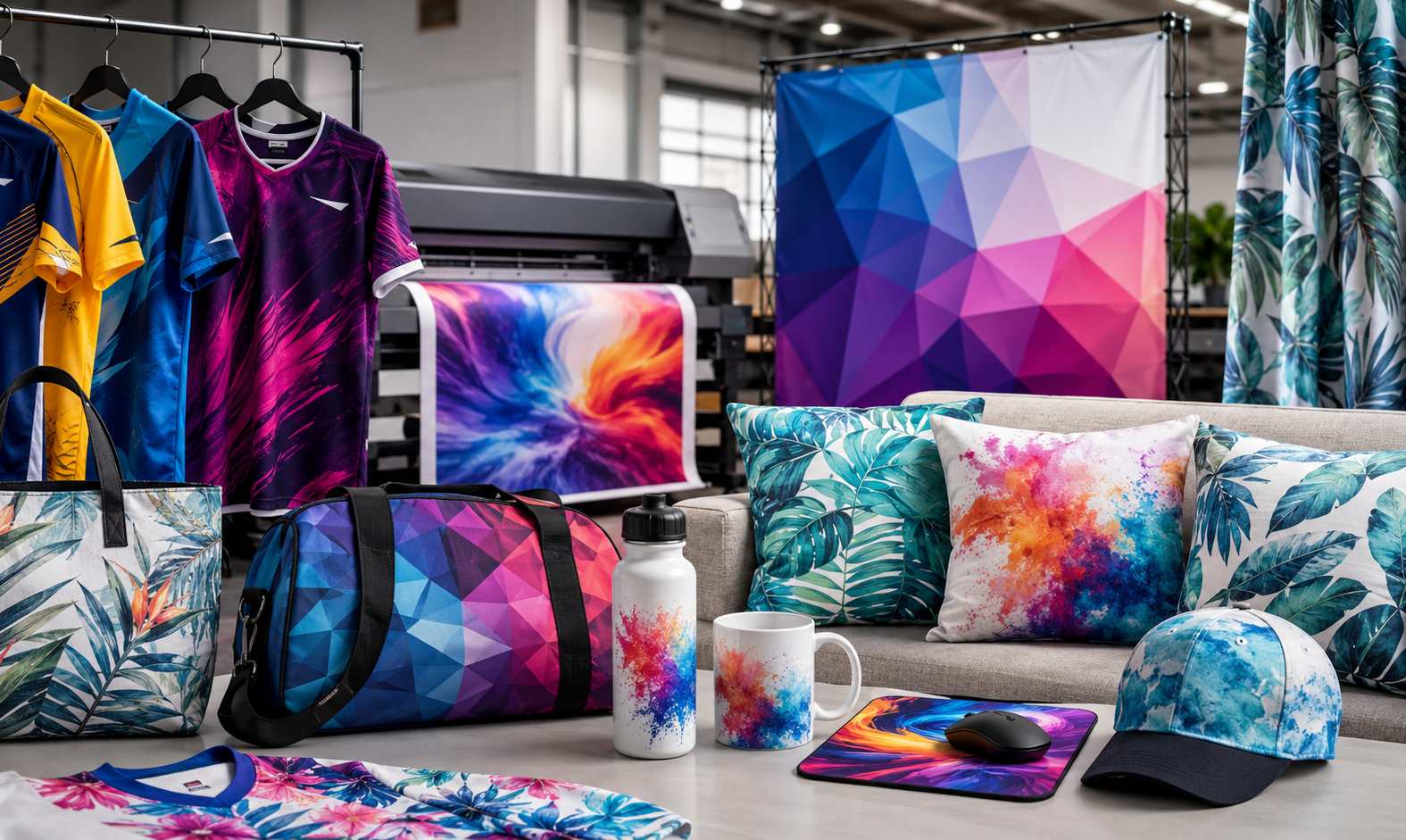
Pencetakan sublimasi Kini, poliester tidak lagi terbatas pada hadiah kecil yang dibuat khusus. Dalam pesanan ekspor, poliester kini muncul dalam pakaian olahraga, kain mode, tekstil rumah tangga, papan reklame berbahan lembut, tas, dan produk promosi. Pembeli membutuhkan lebih banyak desain, pengambilan sampel yang lebih cepat, dan warna yang stabil pada bahan berbahan dasar poliester.
Mengapa Pencetakan Sublimasi Digunakan di Lebih Banyak Proyek B2B?
Penggunaan pencetakan sublimasi yang lebih luas berasal dari perubahan struktur pesanan. Pembeli tidak selalu memesan dalam jumlah besar dengan satu logo tetap. Banyak proyek sekarang mencakup beberapa grafik, label pribadi, desain musiman, dan produksi berulang yang cepat. Untuk kain poliester dan bahan dasar berlapis, sublimasi dapat menangani pekerjaan ini dengan tekanan pengaturan yang lebih rendah daripada banyak metode dekorasi tradisional.
Untuk tekstil, hasil cetakan tidak terasa seperti lapisan permukaan yang tebal. Hal ini penting untuk pakaian olahraga, papan reklame berbahan lembut, dan tekstil rumah tangga, di mana rasa sentuhan, lipatan, pencucian, dan performa warna semuanya diperhitungkan. Bagi distributor luar negeri, produk sublimasi juga berfungsi sebagai lini produk.
Bidang Aplikasi Apa Saja yang Cocok untuk Pencetakan Sublimasi?
Pakaian Olahraga dan Pakaian Tim Membutuhkan Kelenturan, Ketahanan Terhadap Pencucian, dan Kestabilan Warna
Pakaian Olahraga Ini adalah salah satu bidang yang paling aktif untuk pencetakan sublimasi. Jersey sepak bola, pakaian bersepeda, kaos lari, pakaian yoga, dan seragam latihan sering menggunakan kain poliester atau poliester-spandex. Hasil cetakan harus mengikuti gerakan pakaian. Jika gambar retak, terasa kaku, atau pudar setelah dicuci, keluhan biasanya pertama kali sampai ke distributor.
Pembeli harus memeriksa daya sebar tinta, kecepatan pengeringan, dan daya tahan terhadap pencucian. Pakaian tim juga menghadirkan detail yang bervariasi: nomor, nama, lencana, logo sponsor, dan kombinasi warna.
Pakaian Fashion Membutuhkan Pengambilan Sampel yang Cepat dan Fleksibilitas Pola
Pembeli fesyen Kecepatan reaksi sangat penting. Merek kecil mungkin menguji lima pola sebelum memilih dua. Pabrik garmen mungkin memerlukan sampel kain terlebih dahulu, kemudian beralih ke produksi massal setelah pelanggan mengkonfirmasi warna. Pencetakan sublimasi mendukung produksi dalam jumlah kecil dan perubahan pola yang sering, sehingga sesuai dengan alur kerja ini.
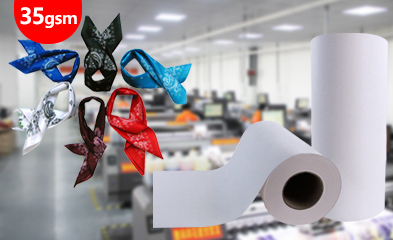
Untuk gaun, syal, atasan, dan kain poliester bercetak, poin utamanya adalah kesesuaian warna, tepi pola yang halus, dan akurasi pengulangan. Kertas ringan dapat digunakan untuk pencetakan yang lebih cepat, sedangkan kertas yang lebih tebal mungkin lebih cocok untuk beban tinta yang lebih tinggi.
Tekstil Rumah Tangga Membutuhkan Pencetakan Format Lebar dan Konsistensi Batch
Pesanan tekstil rumah Tirai, gorden kamar mandi, bantal, taplak meja, selimut, dan kain dekoratif seringkali menggunakan area yang luas dan terlihat jelas. Pergeseran warna kecil antar panel dapat terlihat mencolok setelah produk dipasang di kamar hotel, proyek apartemen, atau pajangan ritel.
Pencetakan format lebar, lapisan yang stabil, dan transfer yang merata menjadi penting di sini. Pembeli harus memastikan lebar kertas, panjang gulungan, dan kemasan sebelum memesan. Bagi importir yang melayani bengkel tekstil rumahan, stabilitas berulang seringkali lebih berharga daripada potongan harga kecil.
Desain Papan Tanda dan Grafis Pameran yang Fleksibel Membutuhkan Hasil Cetak yang Jelas dan Mudah Dibawa.
Papan reklame berbahan kain merupakan aplikasi yang kuat karena bahan kain ringan, dapat dilipat, dan lebih mudah dikirim daripada banyak bahan kaku. Bendera, latar belakang, spanduk gantung, kain kotak lampu, grafis ritel, dan pajangan acara semuanya membutuhkan warna yang jelas dan pencetakan area luas yang stabil.
Perusahaan teknik dan kontraktor periklanan biasanya memperhatikan efek visual dan tenggat waktu. Stan pameran dagang tidak bisa menunggu hanya karena kertas datang terlambat atau hasil cetak ulang terlihat berbeda. Pembeli harus memeriksa ketersediaan gulungan lebar. tinta kepadatan, cakupan warna hitam, dan kinerja di luar ruangan.
Hadiah Promosi Membutuhkan Kejelasan Detail dan Fleksibilitas Produksi dalam Jumlah Kecil
Produk promosi seringkali terlihat sederhana, tetapi struktur pesanannya bisa beragam. Mug, alas mouse, casing ponsel, gantungan kunci, papan nama, teka-teki, dan hadiah acara mungkin masing-masing membutuhkan gambar yang berbeda. Sublimasi bekerja dengan baik ketika permukaan kosong memiliki lapisan yang tepat dan pelanggan menginginkan logo, foto, atau grafik dekoratif yang jelas.
Untuk bidang ini, kejelasan detail lebih penting daripada kecepatan rol. Pembeli harus memastikan suhu transfer, waktu pengepresan, kualitas pelapisan, dan pelepasan kertas.
Tas, Aksesoris, dan Produk Gaya Hidup Membutuhkan Pengujian Material Sebelum Pemesanan Massal
Tas, bagian atas sepatu, topi, tali gantungan, kantong kosmetik, dan tali poliester dapat menggunakan pencetakan sublimasi, tetapi pengujian harus dilakukan sebelum pembelian dalam jumlah besar. Produk-produk ini mungkin menggunakan anyaman, lapisan, tekstur permukaan, dan tingkat toleransi panas yang berbeda. Beberapa bahan menyerap warna dengan baik. Yang lain terlihat kusam atau menyusut di bawah tekanan.
Sebelum melakukan pemesanan kontainer, pembeli harus menguji kain yang sebenarnya, bukan sampel yang tampak serupa. Waktu pemanasan, tekanan, nilai kertasdan jumlah tinta yang digunakan harus dicatat.
Karakteristik Pencetakan Apa yang Harus Diperiksa Pembeli Sebelum Membeli?
Sesuaikan GSM Kertas dengan Kecepatan Printer dan Jenis Kain
Pemilihan GSM kertas harus berdasarkan jenis pekerjaan, bukan berdasarkan kebiasaan. Kertas dengan GSM rendah dapat mendukung pekerjaan berkecepatan tinggi dan mengurangi konsumsi kertas, tetapi membutuhkan beban tinta dan kontrol mesin yang sesuai. Kertas dengan GSM tinggi mungkin memberikan penanganan yang lebih baik untuk pekerjaan transfer tertentu, terutama ketika pembeli membutuhkan stabilitas lebih selama proses pengepresan.
Pembeli yang praktis harus berbagi model printer, kecepatan pencetakan, jenis tinta, jenis kain, lebar rol yang diharapkan, dan kelembaban bengkel dengan pemasok.
Periksa Performa Tinta untuk Warna, Kelancaran, dan Ketahanan Setelah Transfer
Tinta memengaruhi kedalaman warna, kelancaran kepala cetak, cakupan hitam, dan ketahanan akhir. Untuk pabrik yang menggunakan Epson I3200, Kyocera, atau kepala cetak industri lainnya, kompatibilitas tinta harus diperiksa sejak awal. Tinta murah yang menyumbat nosel atau mengubah warna selama produksi jangka panjang akan menimbulkan biaya lebih besar di kemudian hari.
Untuk pembeli B2B, pengujian sampel harus mencakup pencetakan jangka panjang, hasil transfer, pengujian pencucian untuk pakaian, dan paparan sinar matahari untuk pajangan luar ruangan.
Konfirmasikan Lebar Gulungan, Panjang, Kemasan, dan Pengiriman Ekspor
Pesanan pembelian yang serius membutuhkan lebih dari sekadar harga per rol. Pembeli harus mengkonfirmasi lebar yang tersedia, panjang rol, ukuran inti, kemasan karton atau palet, pemuatan kontainer, jadwal pengiriman, dan respons purna jual. Detail-detail ini menentukan apakah barang tersebut sesuai dengan mesin dan proses pergudangan pembeli.
Changfa DigitalKemampuan pelapisan, pemotongan, dan pengemasan internal memberikan jalur yang lebih jelas bagi importir untuk pesanan berulang. Bagi distributor, hal itu penting karena pelanggan mungkin memesan ulang lebar dan GSM yang sama berulang kali.
Bagaimana Seharusnya Pembeli Memilih Produk Sublimasi Berdasarkan Target Pelanggan?
Pembeli Pakaian Harus Fokus pada Tekstur Kain dan Kinerja Pencucian
Jika target pelanggannya adalah pabrik garmen, klub olahraga, atau merek seragam, perhatian utama seharusnya pada tekstur kain dan hasil pencucian. Harga kertas tetap penting, tetapi tidak boleh menggantikan stabilitas transfer.
Pembeli Iklan dan Proyek Harus Fokus pada Cakupan dan Konsistensi Visual
Untuk proyek papan nama, pameran, dan pajangan, poin kuncinya adalah lebar, konsistensi warna, dan kontrol pengiriman. Pembeli harus menyimpan stok ukuran kertas dan set tinta umum sebelum musim pameran lokal atau periode kampanye ritel.
Distributor Harus Membangun Lini Produk Multibidang
Distributor dapat membangun bisnis yang lebih kuat dengan menawarkan produk-produk yang saling terkait: kertas sublimasi, tinta sublimasi, kertas tisu pelindung, film PET, dan kain poliester pilihan. Hal ini memudahkan untuk melayani pabrik garmen, toko periklanan, pembuat hadiah, dan percetakan lokal secara bersamaan.
FAQ (Pertanyaan umum)
Q1: Bagaimana seharusnya pembeli B2B memilih parameter kertas sublimasi untuk pesanan dalam jumlah besar?
A1: Mulailah dengan printer, kain, muatan tinta, dan kecepatan produksi. Jangan memilih GSM hanya berdasarkan harga. Tanyakan lebar rol, panjang rol, ukuran inti, kecepatan pengeringan, dan kinerja transfer. Untuk pesanan jangka panjang, uji setidaknya satu batch kecil sebelum menetapkan spesifikasi standar.
Q2: Bisakah produk sublimasi dikustomisasi untuk distributor atau pemilik merek?
A2: Ya. Kustomisasi Hal ini dapat mencakup spesifikasi kertas, gaya pengemasan, ukuran gulungan, dan kombinasi produk terkait, tergantung pada jumlah pesanan dan rencana produksi. Pembeli harus menyiapkan detail aplikasi target, volume bulanan yang diharapkan, pasar tujuan, dan kebutuhan pengemasan sebelum meminta penawaran.
Q3: Dukungan purna jual apa yang dapat diharapkan pembeli dari pemasok sublimasi?
A3: Pemasok yang andal harus membantu memeriksa masalah pencetakan dasar seperti masalah pemasukan kertas, masalah pengeringan, perbedaan warna, bekas transfer, atau ketidaksesuaian bahan. Bagi pembeli luar negeri, umpan balik tepat waktu, catatan sampel yang jelas, dan pasokan berulang yang stabil seringkali lebih bermanfaat daripada janji-janji umum.


