


Impresión personalizada de bufandas: Cómo lograr impresiones de sublimación ligeras, nítidas y estables.
Venta caliente
APLICACIÓN
Phone:+86-15215969856 E-Mail: 396838165@qq.com
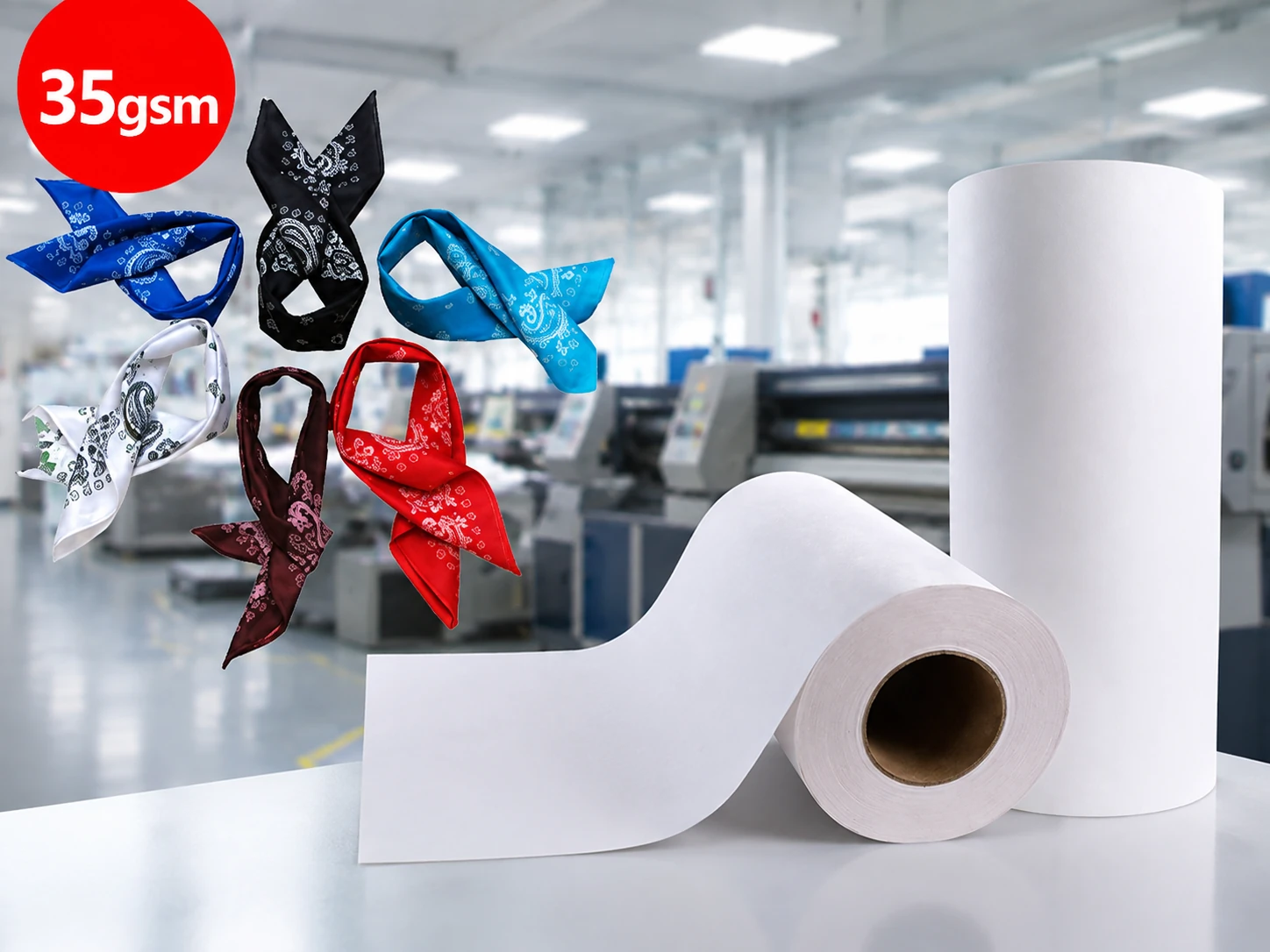
La impresión de bufandas personalizadas a menudo da una impresión demasiado favorable demasiado pronto. Se aprueba el diseño, la primera muestra impresa parece limpia, pero una tirada más larga revela bordes borrosos, rellenos oscuros y húmedos, o una transferencia que ya no coincide con la muestra. El problema rara vez se debe a un solo ajuste. El diseño de repetición, el ancho útil, la carga de tinta, el tiempo de secado, la superficie de la tela y el contacto con la prensa se combinan en la bufanda terminada. Para la impresión digital de bufandas, el punto de aprobación útil es la tela transferida, no solo la pantalla o el soporte impreso.
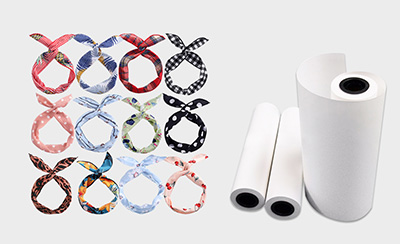
Changfa Digital papel transfer para bufandas Esto le da a esa decisión un punto de partida concreto. Este material de 35 g/m² está diseñado para la impresión digital y con tinta dispersa de pañuelos hijab, con anchos de 142 cm a 183 cm y longitudes de rollo de 1000 m a 3000 m. Ofrece una opción ligera y de rollo largo que se puede probar en un trabajo real de impresión de pañuelos.
Con más de 15 años de servicio de impresión digital, Changfa Digital Se encarga del trabajo con papel de sublimación, desde el papel base hasta el recubrimiento y el corte. Esto es importante cuando una muestra de bufanda aprobada debe convertirse en un pedido repetido con el mismo formato de rollo, en lugar de ser un producto único.
¿Qué hace que la impresión de bufandas personalizadas sea más difícil que la impresión de una sola muestra?
Una sola muestra puede ocultar los puntos débiles de la impresión personalizada de bufandas. Una pequeña muestra puede no incluir el patrón completo, el borde exterior ni el diseño denso que ralentiza el secado. Tampoco muestra cómo se comporta un diseño largo cuando el rollo se alimenta continuamente. Comience por separar tres observaciones: el diseño en pantalla, el papel de transferencia impreso y la bufanda después de la transferencia. Cada etapa puede revelar un defecto diferente.
Una bufanda de sublimación con un discreto estampado floral repetitivo puede disimular un pequeño cambio que un motivo direccional, letras pequeñas o un borde estrecho harían evidente. Define qué debe conservar la bufanda terminada antes de comenzar la producción: detalles de borde limpios, áreas lisas completas, repeticiones coincidentes y un borde utilizable. Esto le da al equipo un motivo para inspeccionar las partes más difíciles del diseño en lugar de aceptar la sección más sencilla de la primera muestra.
¿Cómo se debe combinar el diseño de la bufanda con el ancho del papel y el formato del rollo?
Comience con el diseño final, no con el tamaño nominal del rollo. Defina la dirección de repetición, el ancho final del bisel, el área de diseño segura y el margen de recorte. El papel biselado de 35 g/m² está disponible en anchos de 142 cm a 183 cm y en rollos de 1000 m a 3000 m, lo que permite comparar el trabajo con el ancho útil de la impresora, el plan de corte y la longitud de tirada prevista. Un rollo más ancho no siempre es la mejor opción si el diseño deja márgenes insuficientes o complica el corte posterior.
Para la impresión de hijabs, confirme la configuración de carga con la misma atención que el diseño. Su aplicación indicada abarca la impresión digital y con tinta dispersa en pañuelos hijab. Este papel se ofrece con núcleos de 2 y 3 pulgadas, y el núcleo elegido debe coincidir con la impresora o el método de manejo rollo a rollo. Changfa también suministra papel de sublimación de 29 g/m² a 100 g/m² y admite la personalización a partir de muestras. Este rango resulta útil cuando el ancho, la cobertura de tinta o la longitud del rollo previstos no se ajustan a las dimensiones de un rollo ligero estándar; no es motivo para cambiar el gramaje sin antes probar el diseño y la tela.
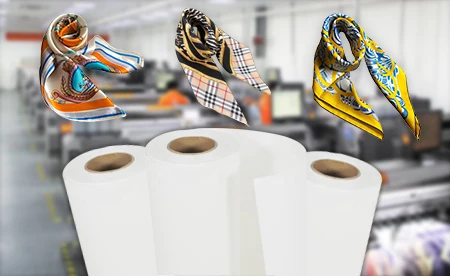
¿Cómo afectan la cantidad de tinta y el secado a los detalles de la bufanda?
La carga de tinta cambia rápidamente el panorama. Los rellenos negros densos y los motivos saturados contienen más líquido que un patrón claro y abierto, por lo que requieren mayor atención al secado antes de manipular o transferir el papel. Comience con una configuración de soporte adecuada para el papel y la impresora, inspeccione las áreas oscuras junto a los contornos finos y modifique una configuración a la vez. Un problema con los inyectores, un perfil RIP inadecuado y una hoja sobrecargada pueden parecer, a primera vista, un problema del papel.
El papel para pañuelos de 35 g/m² tiene una superficie lisa y de secado rápido, y está diseñado para imprimir sin atascos ni arrastre de tinta. Estas características ayudan a minimizar las variables de manipulación evitables, pero no solucionan el problema del exceso de tinta ni de un cabezal de impresión dañado. Changfa opera cuatro líneas de recubrimiento, cuatro talleres de corte y diez máquinas de corte para rollos de núcleo de 2 y 3 pulgadas. El recubrimiento, la conversión de rollos y los requisitos del núcleo pueden analizarse conjuntamente cuando se necesita una especificación repetible para una tirada.
¿Cómo debe un equipo de impresión de bufandas aprobar una tirada larga?
Utilice la combinación de producción para la muestra de aprobación: la impresora prevista, la tinta dispersa, el ancho del papel, el tejido de la bufanda y el diseño repetitivo. Para este material de 35 g/m², la condición de transferencia indicada es de 225 °C durante 20 segundos. Tómelo como referencia inicial y, a continuación, compruebe el tejido real y la presión antes de establecer la receta de producción. El tiempo, la temperatura, la presión, la humedad y el contacto pueden alterar el resultado incluso si el papel de transferencia no se ha cambiado.
Compare más que solo el centro de la bufanda. Observe los bordes, el reverso, las uniones repetidas, la cobertura oscura y cualquier detalle fino que pueda revelar movimiento o una transferencia incompleta. Si aparece una marca, anote cuándo se hace visible por primera vez: en el papel impreso, al momento de planchar o solo después de que la bufanda se enfríe. Esto acota la siguiente revisión y evita que el equipo reemplace un rollo sin antes examinar la tela, la tinta y el contacto con la prensa.
¿Cómo se debe probar la cadena completa de impresión y transferencia?
Un archivo de prueba útil no es necesariamente la muestra más atractiva. Incluye el patrón repetitivo real, además de una zona densa, un degradado, una línea fina, texto pequeño y un borde cerca del ancho útil. Imprímalo en el mismo papel y tela que se usarán para el pedido. Luego, compare el soporte con la bufanda transferida para comprobar la nitidez de los bordes, las zonas húmedas, los bloques de color y el movimiento del patrón repetitivo. Mantenga una variable fija mientras modifica otra; de lo contrario, un mejor resultado no explica claramente el motivo de la mejora.
La opción de 35 g/m² es adecuada cuando su ancho, formato de rollo, superficie lisa y comportamiento de secado funcionan correctamente con el trabajo probado. Mantenga la identificación del rollo, el ancho, la configuración de la tinta, la tela y las condiciones de transferencia con la muestra aprobada antes de liberar más longitud. Los equipos que necesiten una verificación de configuración más amplia también pueden revisar estas Conceptos básicos del papel de sublimación, pero el juicio final aún pertenece a la bufanda que tienen delante.
¿Cómo pueden los equipos de impresión mantener la consistencia en los pedidos repetidos de bufandas?
Los pedidos repetidos fallan cuando el resultado aprobado solo existe en la memoria de alguien. Registre la repetición del diseño, el ancho del papel y la longitud del rollo, la configuración de la impresora y la tinta, el tejido y el estado de la prensa en un solo registro de trabajo. Vuelva a verificar la selección de papel siempre que cambie el material de la bufanda, la cobertura del diseño, el ancho final, la impresora o el método de manipulación.
La impresión digital repetida de pañuelos es donde la gama Changfa se vuelve útil. La gama estándar de papeles de Changfa incluye 29 g/m², 35 g/m², 40 g/m², 50 g/m², 60 g/m², 70 g/m², 90 g/m² y 100 g/m², con anchos indicados desde 61 cm hasta 190 cm. Se debe considerar un gramaje diferente o un ancho personalizado solo cuando el rollo actual de 35 g/m² ya no se ajuste a la carga de tinta, el manejo o el formato final. El mismo principio se aplica a la impresión repetida de hijabs: compare una muestra transferida real antes de reanudar un pedido más largo. Esto mantiene la impresión personalizada de pañuelos vinculada a una condición de producción registrada en lugar de a un nombre de papel memorizado.
Conclusión
Una impresión de pañuelos de calidad comienza con el producto terminado, no con una imagen nítida en el papel. Es fundamental verificar la repetición, el ancho útil, la cara del papel, el comportamiento de la tinta, el secado y el resultado de la transferencia como un proceso continuo. El papel para pañuelos de 35 g/m² es una referencia práctica para la impresión de pañuelos y hijabs con tinta dispersa, siempre que su ancho, longitud del rollo y comportamiento de manipulación sean adecuados. De lo contrario, otro gramaje o especificación de papel podría ser la mejor opción.
¿Necesitas alguna recomendación para un próximo pedido de bufandas? Enviar detalles del proyecto Para Changfa Digital: la impresora y la tinta, el material de la bufanda, el ancho y la cobertura del diseño, la longitud del rollo requerida, las condiciones de transferencia y el defecto o el resultado deseado. Esto plantea a la siguiente muestra una pregunta de producción específica que debe responder.
Preguntas frecuentes
P1: ¿La impresión por sublimación de bufandas es adecuada para todo tipo de tejido?
A1: No. Confirme que el material de la bufanda sea compatible con el proceso de sublimación previsto antes de aprobar un rollo de producción. Pruebe la tela, el diseño, la tinta y las condiciones de transferencia en conjunto, especialmente si las mezclas, la textura o una base oscura pueden afectar el resultado final.
P2: ¿Qué gramaje de papel se debe utilizar para la impresión personalizada de bufandas?
A2: No existe un gramaje universal. Elíjalo solo después de comparar la impresora, la cobertura de tinta, el tipo de tela, el método de manipulación, el ancho requerido y la longitud de la tirada. Un papel más ligero puede ser adecuado para un trabajo continuo, mientras que otro diseño requiere especificaciones diferentes.
P3: ¿Cómo pueden las impresoras reducir el arrastre de tinta en un rollo de papel de transferencia para bufandas?
A3: Antes de la transferencia, compruebe la carga de tinta, el tiempo de secado, el manejo del papel y la superficie impresa. Mantenga el rollo seco y plano, inspeccione las boquillas y la configuración del soporte, y pruebe el diseño con mayor densidad en la impresora antes de realizar una tirada más larga.


