


بيع ساخن
التطبيق
Phone:+86-15215969856 E-Mail: 396838165@qq.com
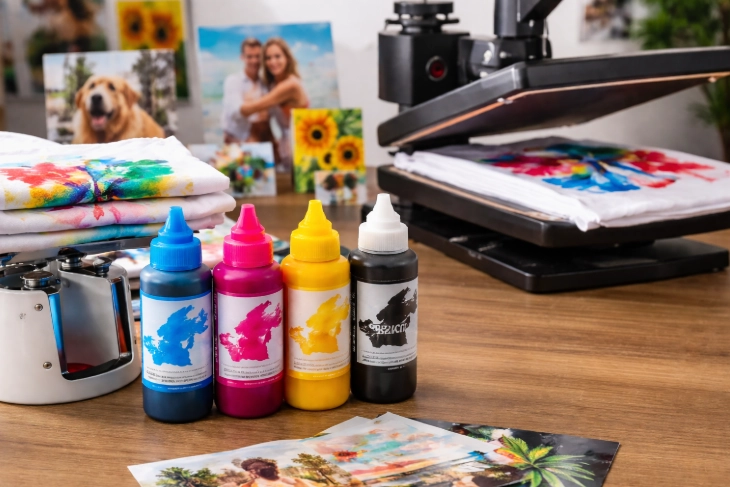
اختيار الحبر المناسب لطباعة ورق نقل الحرارة يعتمد على كيفية انضمام الحبر إلى الحرارة والورق والمواد. الحبر التسامي أداء أفضل للبوليستر والمواد المغطاة. إنها تعطي طبعات نابضة بالحياة ودائمة وناعمة اللمس من خلال الانضمام إلى مستوى صغير. حبر البلاستيسول يناسب المواد القطنية بشكل جيد ، مما يوفر تغطية جيدة وقوة الغسيل. حبر الصبغات والصبغات يعطي خيار أرخص مع قوة أقل استدامة. يجب أن ينظر اختيار الحبر إلى نوع المادة ، ومعيار الطباعة المطلوب ، والأمل الدائمة ، والحدود المالية ، وحجم العمل للحصول على نتائج ثابتة وطويلة الأجل.
فهم أساسيات حبر نقل الحرارة
دور الحبر في طباعة نقل الحرارة
تعتمد نتيجة طباعة نقل الحرارة بشكل كبير على نوع الحبر المستخدم لأنه يجب أن يتطابق مع ورق النقل لتحقيق نتائج واضحة وحيوية ودائمة. يتطلب ورق نقل الحرارة حبر مناسب لضمان إعادة إنتاج الألوان والمتانة الصحيحة. يجب على الحبر أيضًا أن يتحمل درجات الحرارة العالية التي تشارك عادة في عملية الضغط الحراري ، غالبًا ما تتراوح بين 150 درجة مئوية و 200 درجة مئوية ، دون كسر أو فقدان الجودة.
بالإضافة إلى ذلك، يجب أن يرتبط الحبر بشكل جيد مع الركيزة. يمكن لخيارات الحبر السيئة أن تسبب ضعف، مقاومة الغسيل السيئة، الطباعات المتلاشية، أو فشل النقل الكامل، وخاصة في الاستخدامات التجارية حيث مهمة الوقت الدائم.
كيف يتفاعل الحبر مع ورق نقل الحرارة
أثناء نقل الحرارة ، تؤدي الطاقة الحرارية إلى تفاعل كيميائي أو فيزيائي في الحبر ، مما يسمح له بالانتقال من طبقة النقل إلى المادة النهائية. يمر الحبر المختلف بتغييرات منفصلة. على سبيل المثال، تحول أحبار التسامي مباشرة من الصلبة إلى الغاز وتدخل ألياف البوليستر على المستوى الجزيئي، في حين تبقى أحبار البلاستيسول على السطح وتصلب إلى شعور مطاطي.
هذا التفاعل يحدد جودة الصورة النهائية. يختار الحبر يؤثر على حدة الصورة النهائية، والحيوية، والشعور على النسيج. ينتج التسامي عن طباعات لمسة ناعمة وعالية الدقة ، في حين يوفر البلاستيسول ألوان جريئة ولكن مع نسيج أكثر لمسة.
الأنواع الرئيسية من الحبر المستخدم في الطباعة نقل الحرارة
الحبر القائم على المذيبات لتطبيقات عالية المتانة
الحبر القائم على المذيبات مصنوع من المذيبات الكيميائية القوية التي تجف بسرعة وتترك الصبغات عالقة بقوة على الأسطح الصلبة. معروفة بالألوان النابضة بالحياة والمقاومة القوية في الهواء الطلق ، فهي مثالية للإشارات والبضائع الصلبة مثل علامات الفينيل أو البلاستيك المغطى.
ومع ذلك ، فإن هذه الحبر أقل ملاءمة للقماش لأنها تفتقر إلى المرونة وقد تتصدع عند تطبيقها على الملابس. استخدامها أكثر شيوعا في علامات المصانع أو المواد الترويجية التي تحتاج إلى مقاومة للماء والأشعة فوق البنفسجية.
حبر صبغة التسامي للركائز القائمة على البوليستر
حبر صبغة التسامي تم بناؤها خصيصا لأقمشة البوليستر والأشياء المغطاة بالبوليمر. عند التدفئة ، تتخطى هذه الحبر الحالة السائلة وتتحول إلى غاز ، الذي يدخل بعد ذلك ألياف البوليستر ويصلب داخلها. هذه العملية تخلق صور حية عالية الدقة مع متانة غسيل كبيرة. الطباعة التسامية لا تترك أي إضافة على سطح النسيج ، مما يعطي نهاية متنفسة وناعمة. يتطلب التسامي الصبغ الأقمشة القائمة على البوليستر أو العناصر المغطاة خصيصا لتحقيق أفضل النتائج.
هناك اثنين من المنتجات الموصى بها من تشانغفا الرقمية، والتي لها جودة عالية.
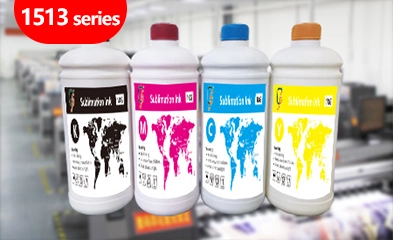
صممت خصيصا للطباعة النسيجية الرقمية، وال 1513 سإيريس سأوبليميشن (أ)نك يوفر تشبع لون قوي واختراق عميق في ألياف البوليستر بسعر تنافسي ، مما يجعله مثاليًا للملابس الرياضية والأعلام والإشارات الناعمة والمنتجات الترويجية.
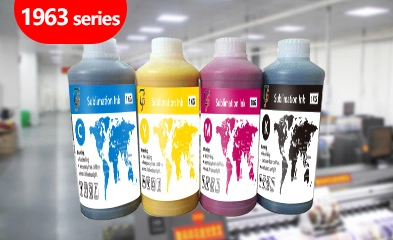
إن 1963 سسلسلة CMYK سأوبليميشن (أ)نك يستخدم صيغة قياسية متميزة مصممة لتقديم أداء ثابت وحيوية دائمة، وضمان ولاء الألوان الدقيقة لتطبيقات الطباعة على نطاق واسع، مما يجعلها مثالية لبيئات الإنتاج المهنية التي تتطلب التحكم الدقيق في الإنتاج.
الحبر القائم على الصبغات والصبغات لحالات الاستخدام متعددة الاستخدامات
يستخدم الحبر القائم على الصبغات والصبغات بشكل شائع في طابعات نفاث الحبر على سطح المكتب بسبب قدرتها على تحمل التكلفة وتوافرها الواسع. إنها تعمل عن طريق الجلوس فوق ورق نقل الحرارة ثم يتم نقلها إلى النسيج باستخدام مطبعة حرارية. أحبار الصبغة مناسبة بشكل أفضل للملابس الداكنة بسبب عدم شفافيتها ، في حين أن الأحبار القائمة على الصبغة تؤدي أفضل أداء على الأقمشة الفاتحة الألوان.
هذه الحبر تعطي نقطة دخول منخفضة التكلفة في نقل الحرارة ولكن تظهر قوة أقل استدامة من حبر التسامي أو البلاستيسول. قد تتلاشى أو تتصدع بعد بعض الدورات.
حبر البلاستيسول لنقل غير شفاف ودائم على الأقمشة القطنية
تستخدم حبر البلاستيسول بشكل شائع في الطباعة الشاشة وتغير لأوراق نقل الحرارة التي تستهدف المنسوجات القطنية. وتخلق صيغتها السميكة طبقة طباعة عالية الشفافية تجلس على القماش، مما يجعلها مثالية للطباعة على ملابس داكنة حيث التغطية مهمة للغاية.
كما تظهر معركة غسيل كبيرة عند الشفاء مباشرة تحت إعدادات الصحافة الحرارية. نقل البلاستيسول يعطي ألوان صلبة جريئة ولكن تفتقر إلى دقة التفاصيل الدقيقة مقارنة بأساليب التسامي.
الاعتبارات الرئيسية عند اختيار حبر نقل الحرارة
التوافق مع نوع النسيج
لا تزال المطابقة بين الحبر والقماش حاجة أساسية لنقل الحرارة الجيد:
البوليستر: أفضل انضم مع حبر التسامي مثل سلسلة ChangfaDigital 1513 أو 1963
القطن: يعمل بشكل أفضل مع حبر البلاستيسول أو الصبغة بسبب خصائص الالتصاق السطحي لدينا
مزيجات: قد تحتاج إلى حلول هجينة أو معالجة مسبقة بناء على حصة الألياف لضمان عقد الحبر المناسب
جودة الطباعة المطلوبة وإنتاج اللون
كل نوع من الحبر يجلب صفات منفصلة:
التسامي يعطي تفاصيل الصورة والتغييرات السلسة
يقدم بلاستيسول ألوان صلبة جريئة ولكن تفاصيل أقل دقة
حبر الصبغة تعطي غطاء جيد ولكن قد تفتقر إلى الحيوية مقارنة مع التسامي
عند العمل مع ملابس البوليستر الرياضية مثل 100٪ الأقمشة البوليستر ، يوفر التسامي الولاء البصري المتفوق
توقعات المتانة بناء على التطبيق
يبقى الطاقة الدائمة مطلوبة في استخدامات مثل الملابس:
حبر التسامي يدخل الألياف ، مما يضمن الطباعات طويلة الأمد
الحبر القائم على المذيب يحارب ارتداء الإعداد ولكن قد يتشقق على الأقمشة
حبر البلاستيسول يقدم الالتصاق السطحي القوي إذا تم علاجه بشكل جيد
المواد النسيجية بعد النقل يمكن أن تصل إلى مستوى 6 مقاوم للشمس ومستوى 4-5 مقاوم للغسيل. هذا المستوى من مقاومة الغسيل هو المفتاح لإنتاج الأعمال التجارية حيث العملاء’ الرضا s مرتبط قريب من طول عمر القماش
قيود الميزانية وحجم الإنتاج
للشركات الصغيرة أو الشركات الناشئة:
قد يختار المستخدمون المبتدئين إجابات حبر الصبغة / الصبغة بتكلفة منخفضة
كسب العمل المحترف من وضع المال في حبر التسامي عالي النتائج مثل سلسلة تشانغفا 1963
انظر إلى التكلفة الإجمالية لكل طباعة، بما في ذلك الورق واستخدام الحبر ومعدل النفايات وعمل الإصلاح
تشانغفا الرقمية يقدم جميع أنواع ورق التسامي وخدمات الطباعة الرقمية وخدمة 24 ساعة. يمكنك الاتصال بنا في الوقت المناسب إذا كان لديك أي أسئلة، أصل قيم عند تقييم موثوقية الموردين للإنتاج على نطاق واسع
التوصيات العملية المستندة إلى Changfa Digitalسمجموعة المنتجات
متى تختار حبر التسامي من سلسلة 1513
تعتبر سلسلة 1513 خيارًا جيدًا للشركات الناشئة أو الشركات المتوسطة الحجم التي تحتاج إلى نتائج ترقية رخيصة ومع ذلك تعمل. مصنوع أفضل لطباعة القماش الرقمي بسعر جيد ، هذا الحبر يناسب أفضل مع البوليستر السلع الترويجية مثل الأكواب ، وسائد الماوس ، الأعلام ، أو العلامات الناعمة ، حيث تكون هناك حاجة إلى نتائج مشرقة دون إنفاق إعداد كبير.
متى تختار سلسلة 1963 CMYK حبر التسامي
تم تصميم سلسلة 1963 لأماكن العمل الكبيرة الحجم التي تحتاج إلى نتائج لون CMYK ثابتة عبر الأحجام الكبيرة. مثالية لأماكن العمل على المستوى المهني التي تحتاج إلى التحكم الدقيق في الإنتاج ، هذا المزيج يناسب صانعي الأزياء باستخدام الأقمشة البوليستر مثل GZP-020 (100D interlock ، 175gsm).
الأسئلة الشائعة
س: هل يمكنني استخدام حبر التسامي على الأقمشة القطنية؟
لا ، يتم بناء حبر التسامي للانضمام إلى ألياف البوليستر فقط ؛ لن تلتصق بالقطن دون أغطية خاصة أو خطوات ما قبل العمل.
س: ما الفرق بين سلسلة حبر التسامي 1513 و 1963 من تشانغفا؟
تعطي سلسلة 1513 إجابة تكلفة جيدة مناسبة للطباعة الاستخدام العام. تم تصميم سلسلة 1963 للمهام المهنية التي تحتاج إلى إنتاج CMYK ثابت عبر كميات كبيرة.
س: كيف أتأكد من أن طباعات نقل الحرارة الخاصة بي تستمر خلال غسيلات متعددة؟
استخدم مزيجات قماش الحبر المتطابقة (على سبيل المثال ، التسامي على البوليستر) ، وتطبيق إعدادات وقت الضغط الحراري الصحيحة في النقل ، واتبع قواعد العناية بعد النقل بعناية (على سبيل المثال ، الغسيل من الداخل إلى الخارج في الماء البارد).


