


بيع ساخن
التطبيق
Phone:+86-15215969856 E-Mail: 396838165@qq.com
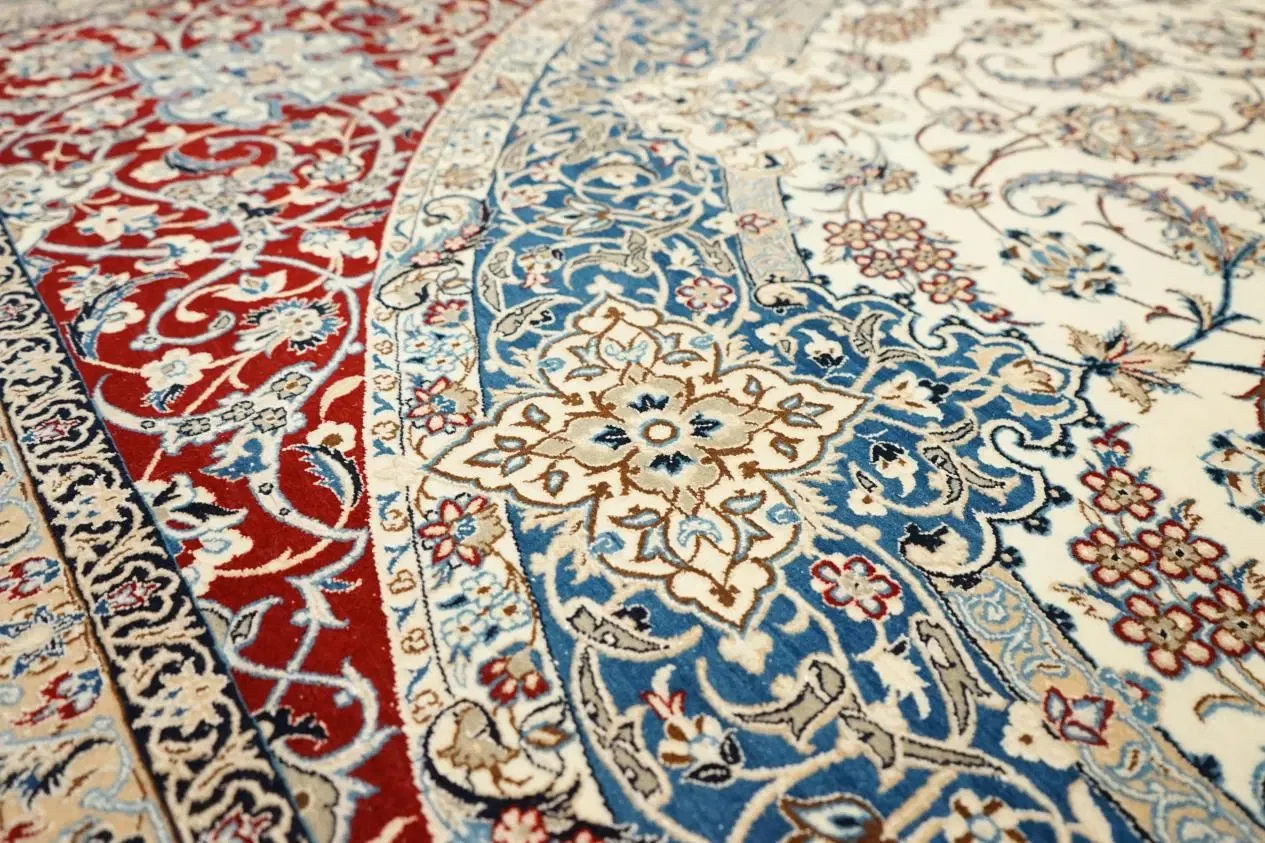
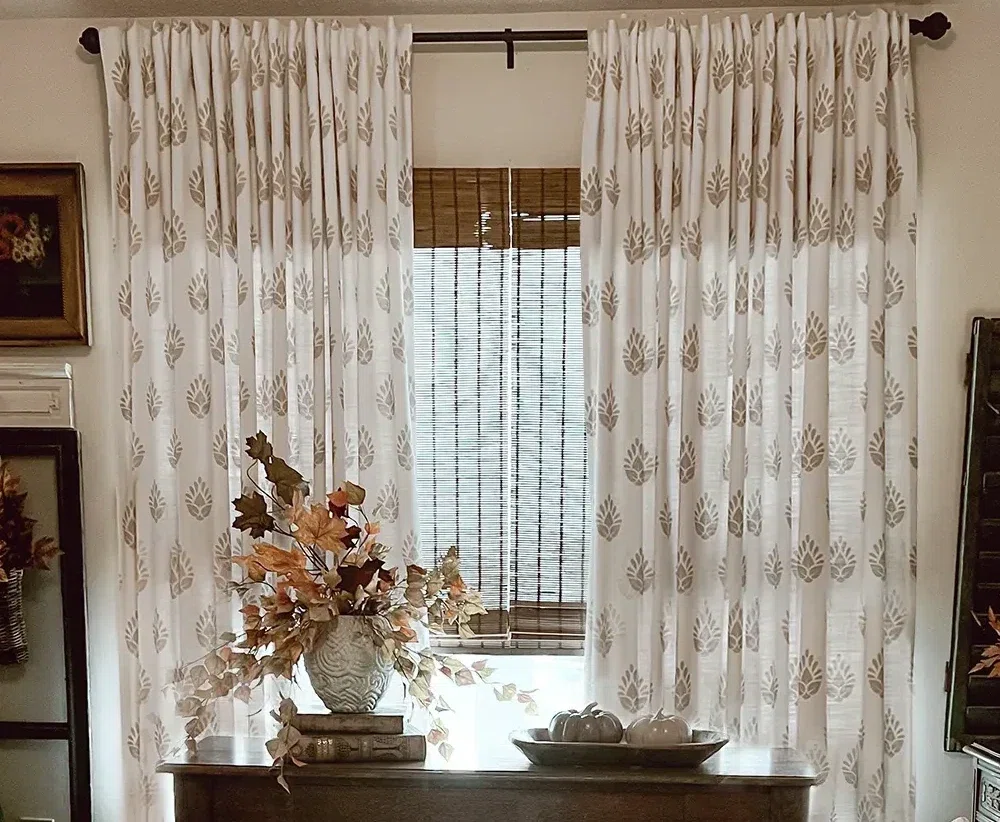
امشي في أي مكتب تصميم داخلي فاخر في هذه الأيام ، وسوف تلاحظ تغيير كبير في ما يريده العملاء. وقت الستائر البنية الفاتحة العادية المصنعة والملابس الأساسية يختفي بسرعة. في عام 2026 ، والأسلوب الشعبي هو خيارات شخصية للغاية. الناس الذين يملكون المنازل وأولئك الذين يديرون الفنادق يرغبون في ستائر طويلة مع تصاميم قوية ودقيقة وسجاد كاملة تناسب وساداتهم الصغيرة بشكل صحيح. بالنسبة للشركات التي تقدم خدمات الطباعة، هذه الحاجة هي فرصة كبيرة لكسب أرباح أفضل. ومع ذلك، فإنه يجلب أيضا مشكلة عملية صعبة. طباعة قميص سهل. ولكن إنشاء ستارة ناعمة بعرض 3 أمتار دون أي تغيير في اللون هو تحدي مختلف تمامًا. تحاول العديد من الأماكن استخدام طابعات الملابس الصغيرة لهذا العمل الشاق ، فقط لمكافحة القماش المدمر والتسليم المتأخر. للاستيلاء حقا على هذا السوق، عليك إعادة التفكير في كيفية صنع الأشياء.
التحول إلى الإنتاج على نطاق واسع في المنسوجات المنزلية
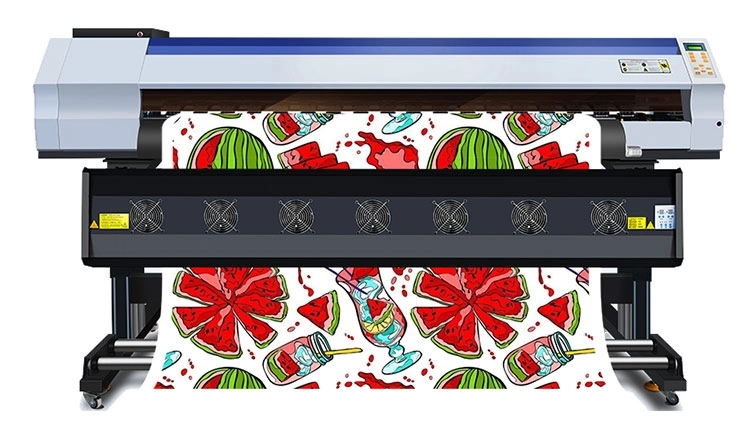
الحواجز الأكثر وضوحا لدخول سوق الأثاث المنزلي هو الحجم المادي. الطابعات القياسية 1.6 متر، حصان العمل في صناعة الأزياء، ببساطة لا يمكن قطعها للديكور الداخلي. إذا كان العميل يريد مظهر سلس لنافذة خليج كبيرة ، فإن خياطة قطعتين من النسيج معاً غالباً ما تكون مقطوعة الصفقة. إنه يدمر التدفق الجمالي ويقلل المنتج’ قيمة S. ونتيجة لذلك، فإن الترقية إلى طابعة التسامي ذات الشكل الكبير - وعرضها عادة 3.2 متر - هي رسوم الدخول لهذا القطاع. لكن شراء آلة أكبر هو فقط الخطوة الأولى. تحتاج إلى فهم كيفية تغيير فيزياء الطباعة عندما تضاعف عرض الوسائط الخاصة بك.
غزو سوق الستار السلس
عندما تنتقل إلى إنتاج واسع النطاق، أنت تبيع الفخامة. تتيح لك طابعة التسامي ذات الشكل الكبير إنتاج لوحات ضخمة من النسيج في مرور واحد. وهذا أمر بالغ الأهمية بالنسبة للبنود مثل الستائر ، حيث أن محاذاة النمط هي كل شيء. مطابقة نمط هندسي معقد عبر قطعتين منفصلتين من النسيج هو كابوس لفريق الخياطة الخاص بك وغالبا ما يؤدي إلى رفض الطلبات. من خلال طباعة العرض الكامل في وقت واحد، يمكنك القضاء على عمل الخياطة ومخاطر عدم التوازن.
لكن هذا يتطلب دقة. ويعني امتداد 3.2 متر أن عربة الطباعة لديها طريق طويل للسفر. إذا تفتقر الآلة إلى إطار قوي ، فإن حركة العربة تسبب اهتزازات ، مما يؤدي إلى “ النطاق” أو الحواف الناعمة. آلات عالية الجودة، مثل النماذج الصناعية من تشانغفا الرقمية، واستخدم الهياكل الفولاذية الثقيلة لامتصاص هذه الطاقة ، وضمان وضع البيكسل حاد عبر العرض بأكمله.
التعامل مع التوتر الوسائط الثقيلة
عامل آخر يلتقط الوافدين الجدد خارج الحذر هو وزن المادة. لفة واسعة 3 أمتار من ورق التسامي واسع العرض أثقل بكثير من لفة الأزياء القياسية. إذا كانت الطابعة الرقمية تفتقر إلى نظام تغذية متطور، فسوف تسحب الورقة أو تشوهها. هذا يؤدي إلى “ كوكلينج، ” حيث تتموج الورقة تحت رأس الطباعة.
عندما ينحني الورق ، يمكن لرأس الطباعة أن يصل إلى القمة ، مما قد يكسر أجزاء مكلفة. تستخدم آلات الخبراء ذات الشكل الواسع قضبان التوتر القوية وإعدادات عمود الهواء للحفاظ على مركز ضيق. يضيفون سحب ثابت للحفاظ على الورقة مسطحة، حتى عندما تكون مليئة بالحبر. يتيح لك هذا التحكم الدقيق طباعة 100 متر من أنماط القماش دون مشاهدة ، وتجنب التوقف.
الاستقرار مقابل السرعة: ما الذي يجني المال؟
هناك فخ يقع فيه العديد من أصحاب الأعمال: أن يصبحوا مهووسين بالسرعة القصوى. يحب المصنعون الإعلان عن طابعة التسامي عالية السرعة التي يمكن أن تعمل 300 متر مربع في الساعة. في حين أن السرعة كبيرة ، فإن الاستقرار هو ما يدفع الفواتير في المنسوجات المنزلية. الآلة التي تسرع ولكن تسافر كل بضعة كيلومترات عديمة الفائدة في الجريات الطويلة. عند طباعة لفات ضخمة لعقد فندقي ، فإن الموثوقية هي المقياس الوحيد المهم. تحتاج إلى آلة تنتج نفس الجودة في الدقيقة 600 كما فعلت في الدقيقة الأولى.
التكلفة الخفية لوقت التوقف
دعونا’ تتحدث عن الأرقام. افترض أن الطابعة الفائقة السرعة تتطلب تدخل المشغل كل 40 دقيقة بسبب انسداد الفوهة أو انجراف الورق. كل توقف يكلفك المال - الوقت لإصلاح المشكلة ، والمواد المهدرة ، وإيقاع الإنتاج المفقود.
مستقر طابعة التسامي قد يعمل أبطأ قليلا على الورق ، ولكن إذا كان يعمل على مدار الساعة دون توقف ، فإن إنتاجه اليومي سيسحق آلة أسرع ومزاجية. هذا الاستقرار يأتي من مكونات الجودة، مثل السكك الحديدية اليابانية، التي لا’ t تتدهور تحت الحمل. كما تعتمد على أنظمة الضغط السلبي للحفاظ على إمدادات الحبر متسقة. في لعبة النسيج المنزلي ، حيث قد يكون الطلب 5000 متر من النسيج المتطابق ، يمكن أن تفسد آلة تتوقف في منتصف الطريق اتساق اللون للدفعة بأكملها. الموثوقية تحمي سمعتك.
تحقيق اتساق اللون على فترات طويلة
العملاء للديكور المنزلي معروفين بأنهم مضطربين. إذا حصل المشتري على الستائر الآن وطلب وسادة مطابقة في وقت لاحق ، يجب أن تتطابق الظلال بالضبط. أو، إذا كنت تطبع لفة طولها 50 متراً لغطاء جدار، فإن اللون الأزرق في البداية لا يمكن أن يتحول إلى أرجواني بحلول النهاية. هذا “ تغيير اللون” يحدث عند تغيير الطاقة أو تباطؤ إعداد الحبر.
لإدارة هذا ، تستخدم أدوات المنسوجات المنزلية الأفضل لتفوق الصبغة أنظمة الحبر التي تدور مرة أخرى. هذه تحافظ على تحريك الحبر حتى عندما لا يتم استخدامه ، مما يوقف القطع من الاستقرار. أيضًا ، يضمن التحكم في الحرارة أن اللوحات لا تحصل على دفء كبير. صانعين خاصين مثل تشانغفا الرقمية وضع الكثير من الجهد في هذه الميزات الثابتة، لذلك “ رويال بلو” يبقى صحيحاً بالنسبة للكيلومتر الكامل من الطباعة.
الميزة الاستراتيجية للمواد الاستهلاكية Jumbo Roll
الأجهزة هي نصف المعركة فقط. لتحقيق التوسع والحد من التكاليف، يجب عليك النظر إلى ما تغذيه الآلة. في الماضي ، كان معيار الصناعة لفات صغيرة طولها 100 متر من ورق النقل. في حين أنها جيدة للأزياء ، إلا أنها عنق زجاجة للأثاث المنزلي الصناعي. يتطلب تغيير لفة إيقاف الجهاز وتحميل لفة جديدة وتخييط واختبار. هذه العملية تضيع الوقت الذي يجب أن تنفقه آلتك لكسب المال. الحل يكمن في التحول إلى لفات جمبو التي توفرها شركة تصنيع ورق التسامي القادرة.
تقليل تردد التغيير
تخيل طلب كبير لأغطية السرير. إذا كنت تستخدم لفات عادية تبلغ مساحتها 100 متر وتذهب طابعتك بسرعة 100 متر مربع في الساعة ، فستوقف الجهاز كل ساعة تقريباً. وهذا يعني 8 إلى 10 توقفات لكل ساعة عمل، حيث يجب على عاملك الاهتمام بالآلة.
عن طريق التغيير إلى ورق التسامي واسع العرض على لفة جمبو - عادة 1000 متر أو أكثر - يمكنك تغيير الإعداد. لقد قمت بإعداد الجهاز يوم الاثنين، ويستمر حتى يوم الثلاثاء بدون مفتاح ورقي. وهذا يتيح لعامل واحد التعامل مع عدة طابعات في وقت واحد. وفورات في العمل هائلة ، وتحويل عملية من وقف وبدء مضطربة إلى تدفق ثابت من صنع.
تقليل النفايات الموادية
وهناك أيضا فائدة مباشرة من تكلفة المواد. في كل مرة تنتهي من لفة، حوالي 2 إلى 3 أمتار غير قابلة للاستخدام لأنها ملصقة بالنواة. بالإضافة إلى ذلك ، فإن تحميل لفة جديدة يضيع عدادًا آخر على الخيوط والألوان.
إذا طبعت 1000 متر باستخدام عشرة لفات صغيرة ، فستضيع 30 إلى 50 متر من الورق على الإعدادات. باستخدام لفة جمبو واحدة طولها ألف متر، ستهدر هذه المادة مرة واحدة فقط. أكثر من عام ، يوفر مصنع مزدحم آلاف الدولارات فقط عن طريق تقليل هذه الخردة. التوريد من مصنع ورق التسامي المتخصص يسمح لك بطلب هذه الأطوال المحددة ، مما يضمن ضغط كل جزء من القيمة من مخزونك.
تلبية المعيار الأخضر مع الحبر الحديث
بحلول عام 2026، ستكون الاستدامة متطلبا صارما للقيام بأعمال تجارية مع تجار التجزئة الكبار. وشددت أوروبا وأمريكا الشمالية اللوائح المتعلقة بالسلامة الكيميائية في المنسوجات، وخاصة بالنسبة للمنتجات التي تتلامس بالبشرة مثل ملابس السرير. العمليات القديمة الثقيلة بالمذيبات تموت. اليوم ، لعقود الأرض مع العلامات التجارية الكبيرة للأثاث المنزلي ، يجب أن يكون خط الإنتاج نظيفًا. هنا تصبح كيمياء المواد الاستهلاكية الخاصة بك مهمة بنفس القدر من ميكانيكا الطابعة الخاصة بك.
I.Safety للاستخدام الداخلي: الصبغة التقليدية غالبا ما تستخدم المواد الكيميائية القاسية. التسامي هو بطبيعته أنظف ، ولكن الحبر مهم. باستخدام عالية الجودة، حبر التسامي الصديق للبيئة يضمن أن المنتج النهائي خالي من المركبات العضوية المتطايرة (VOCs) والمعادن الثقيلة. هذا غير قابل للتفاوض على الحضانات وغرف النوم.
ثانياً. الكفاءة القائمة على المياه:الحبر التسامي الحديث القائم على الماء يجف بسرعة ويطلق اللون بكفاءة. لأنها مركزة للغاية ، يمكنك استخدام حبر أقل للحصول على الألوان النابضة بالحياة. وهذا يمنع الورق من الرطب بشكل كبير (مما يقلل من مخاطر التجفيف) ويحسن أوقات التجفيف. تستخدم مواد أقل لتحقيق نتائج أفضل ، مما يقلل من بصمتك البيئية والتكلفة لكل متر مربع.
استنتاج
يوفر سوق الأثاث المنزلي في عام 2026 فرصاً لا تصدق لأولئك المستعدين للتكيف. التوسع هو’ t فقط عن شراء طابعة أوسع؛ هذا’ بناء نظام بيئي مستقر. من خلال اختيار قوي، طابعة التسامي شكل كبير الذي يعطي الأولوية للاستقرار وتغذيته مع لفات جمبو فعالة من حيث التكلفة ورقة التسامي واسعة العرضيمكنك إنشاء خط إنتاج يولد الربح بشكل موثوق.
لا’ t دع المعدات القديمة تعتقدك مرة أخرى. التحول إلى شكل واسع يحدث الآن. إذا كنت مستعدا لاستكشاف كيف يمكن للاستقرار الصناعي والخيارات الذكية للمواد الاستهلاكية تحويل ربحيتك، تحقق من الحلول التي تقدمها تشانغفا الرقمية. اتصل بنا الآن على 396838165@qq.comخبرتنا في كل من الأجهزة والوسائط ستساعدك على بناء أرضية الإنتاج عالية الجودة التي يطلبها عملائك.


