


كيفية اختيار أفضل حبر التسامي للطباعة العادية: حبر التسامي للصبغة أو حبر الصبغة؟
بيع ساخن
-

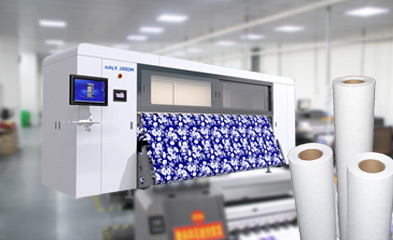
عالية الجودة CMYK آلة الطباعة الرقمية الملونة طابعة النسيج الرقمية (نموذج-xplus-8)
-
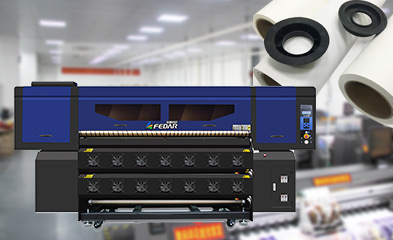
طابعة التسامي عالية السرعة نقل الحرارة آلة الطابعة للطباعة الرقمية 6198-8
-
طابعة التسامي عالية السرعة نقل الحرارة آلة الطابعة للطباعة الرقمية 5198-8
-
عالية الجودة CMYK آلة الطباعة الرقمية الملونة الرقمية طابعة النسيج (CF-15000)
-
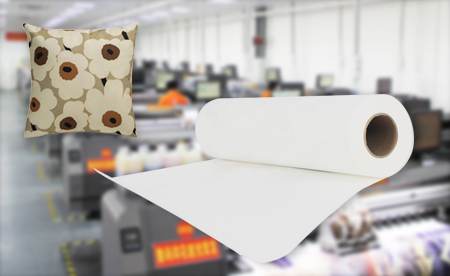
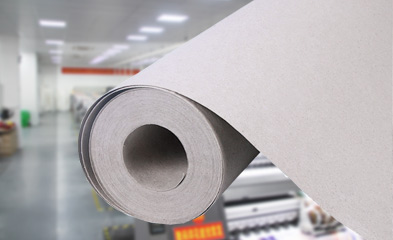
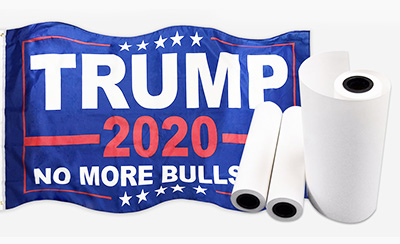
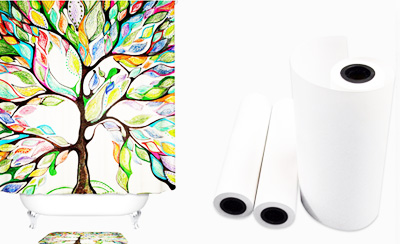
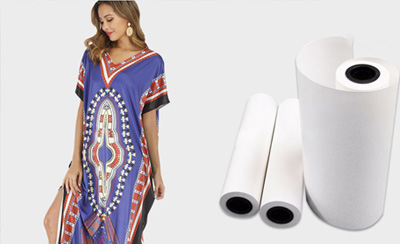
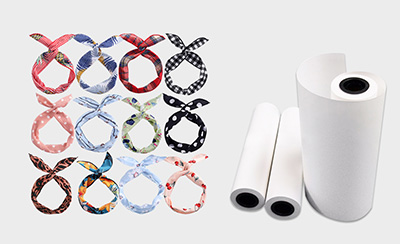
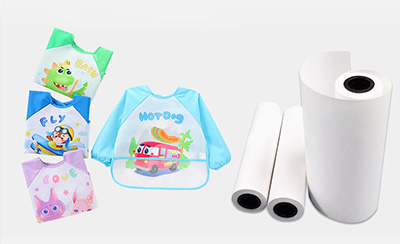
سعر تنافسي التسامي الورق الوقائي للأنسجة لآلة نقل الحرارة
Phone:+86-15215969856 E-Mail: 396838165@qq.com
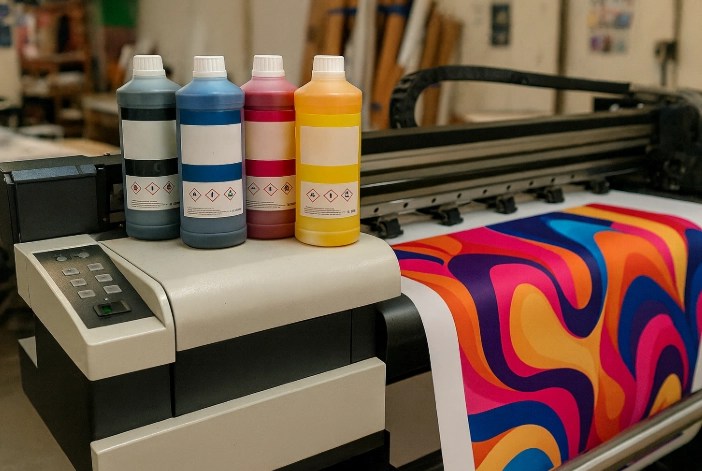
القرار بين صبغة حبر التسامي و حبر الصبغة ينخفض إلى ما تطبعه وما تحتاجه إلى القطعة النهائية للقيام به. يعمل حبر التسامي بشكل أفضل على قماش البوليستر والمواد المغطاة. إنه يعطي ألوان مشرقة ودائمة تغرق بعمق في المادة مع الحرارة. ومع ذلك ، فإنه يحتاج إلى طابعات خاصة ومضغطة حرارية. حبر الصبغة يناسب العديد من الأسطح مثل الورق العادي أو القماش. يبقى حاداً، ويحارب الماء والشمس بشكل أفضل، ويطبع مباشرة على البند دون خطوات إضافية. إذا كنت تريد تصاميم حية ومقاومة للغسيل على القمصان أو الأعلام ، فإن حبر التسامي للطباعة العادية هو الفائز الواضح. بالنسبة للصور أو الملصقات أو الأوراق المكتبية التي يجب أن تستمر سنوات في الهواء الطلق ، يوفر حبر الصبغة الوقت والمال. تحقق دائما من أن الحبر يتطابق مع الطابعة والسطح الذي تستخدمه.
ما الذي يجب معرفته قبل الاختيار بين التسامي الصبغة وحبر الصبغة؟
الاختلافات الأساسية في الأحبار المختلفة تؤثر على الأداء
هذه الحبرتين تعمل بطرق مختلفة. حبر التسامي ، بدءا من كوسيلة صلبة ، يتحول مباشرة إلى غاز عند التدفئة ، ثم يتم قفله داخل ألياف البوليستر. هذا هو السبب في أن الألوان لا تجلس أبدا على الأعلى - تصبح جزءا من النسيج نفسه. حبر الصبغة يحمل قطع لون صغيرة تطفو في السائل. بمجرد الطباعة ، تجف هذه القطع وتستمر على سطح الورق أو القماش.
هذا الاختلاف الأساسي يغير كل شيء. حبر التسامي للطباعة العادية تحتاج الحرارة ونقل الورق لإنهاء المهمة. حبر الصبغة يطبع مباشرة ولا يحتاج إلى آلة إضافية. الطباعات الصبغية تحارب التلاشي والماء بشكل أفضل بكثير ، لذلك فهي رائعة للصور التي يجب أن تبقى مثالية لسنوات. يعطي التسامي أشرق الألوان على القماش ، ولكن يجب أن تملك الأدوات المناسبة.
كيف تصرف هذه الحبر على مواد مختلفة يمكن أن توجه قرارك؟
المادة التي تختارها تحدد أي حبر يفوز. يمكن استخدام حبر التسامي في قماش البوليستر والمعادن المغطاة والأكواب السيراميكية والألواح الصلبة. انها تلمع على الملابس الرياضية، وسائد الماوس، واللافتات. حبر الصبغة يلتصق بشكل جيد بالورق العادي والقماش الفنان وبعض أوراق الصور الخاصة.
الألوان من التسامي تبدو زاهية جدا لأن الصبغة تعيش داخل النسيج. ومع ذلك ، يمكن أن يتلاشى ضوء الشمس القوي ببطء إذا بقي العنصر في الخارج. يبدو أن ألوان الصبغة أكثر ناعمة قليلاً، ولكن هذه الألوان يمكن أن تستمر لفترة أطول حتى تحت الشمس والمطر. لذلك من الضروري النظر بعناية في المكان الذي سيكون فيه المنتج النهائي وحالته المحددة قبل اختيارك.
لماذا تكوين الحبر مهم لعملية الطباعة؟
الاستقرار الكيميائي يؤثر على صحة رأس الطباعة واتساق الإنتاج
الحبر الجيد يجب أن يبقى ناعم داخل الطابعة. الحبر التسامي للطباعة العادية يجب أن تتعامل مع الحرارة دون تغيير السمك. إذا أصبح سميكًا أو رقيقًا جدًا ، فإن الألوان تخرج غير متساوية أو يفشل النقل. يجب على حبر الصبغة الحفاظ على قطع اللون الصغيرة التي تطفو بالتساوي. عندما تغرق أو تتجمع، تظهر فوهات انسداد وتظهر خطوط على الطباعات.
تشانغفا ديجيتال تصنع حبر التسامي الذي يتدفق بشكل مثالي. تتيح صيغتهم للطابعات تشغيل بسرعة 360 dpi لمدة 20 مترًا مستقيمًا دون استراحة واحدة أو نقطة مفقودة. الحبر الثابت يعني دورات تنظيف أقل وأعمال أكثر إنجازا كل يوم.
مجموعة الألوان ومقاومة التلاشي تختلف بناء على كيمياء الحبر
الحبر التسامي يعطي أوسع وألمع مجموعة من الألوان - مثالية للأزياء والإشارات الساطعة. بعد النقل ، تصل المنسوجات إلى المستوى 6 مقاوم للشمس والمستوى 4-5 مقاوم للغسيل مع أحبار CHANGFA DIGITAL. هذا التوازن يحافظ على التصاميم جريئة الغسيل بعد الغسيل. يظهر حبر الصبغة ألوان أكثر هدوءاً قليلاً، لكنه يحارب ضوء الشمس لفترة أطول بكثير - أحياناً عقود على ورق جيد.
متى يجب عليك اختيار حبر التسامي لمهام الطباعة العادية؟
تقييم نوع الركيزة وحالة الاستخدام المقصودة أولاً
اسأل سؤالًا بسيطًا: هل سيذهب هذا على البوليستر أو المواد المغطاة؟ إذا كان الجواب نعم، يمكن اختيار حبر التسامي للطباعة العادية. يمكن للصبغة اختراق الألياف ، لذلك تمتد الطباعة وتغسل ولا تتشقق أبداً. البنود مثل GZP-001 (نسيج البوليستر مزدوج الوجه 100D) من CHANGFA DIGITAL تظهر بالضبط لماذا يفوز التسامي على القماش.
بالنسبة لورق المكتب العادي أو الصور على الجدار ، فإن حبر الصبغة أسرع وأرخص لأنك تتخطى خطوة الضغط الحراري.
كفاءة سير العمل وعملية النقل يجب أن تتوافق مع احتياجات الناتج
يضيف التسامي خطوات - الطباعة على الورق ، ثم الضغط بالحرارة. هذا يستغرق وقتًا وأدوات إضافية. ومع ذلك، بمجرد أن يكون لديك الإعداد، يمكنك تزيين الأكواب والقمصان والأعلام واللوحات بنفس الحبر. تشانغفا ديجيتال تبيع كل من الحبر وأوراق النقل المتطابقة، لذلك كل شيء يعمل معًا دون مشاكل.
طباعة الصبغات أبسط - فقط طباعة وإنجاز. لا يمكن أن تعطي نفس الشعور الناعم على القماش.
ما الذي يمكن أن يوفر الحبر كفاءة أعلى من حيث التكلفة لفترة طويلة؟
فكر في إنتاج الحبر وتكاليف الصيانة وتنوع الركيزة معًا
تكلفة إعدادات التسامي أكثر في البداية - طابعة خاصة ، مطبعة حرارية ، فراغات مغلفة. لكن النتائج الساطعة والمقاومة للغسيل تعني عدد أقل من العملاء الغاضبين وقلة من إعادة الطباعة. حبر تشانغفا ديجيتال عالي القوة يطبع بعيدًا عن كل زجاجة ويحافظ على نظافة الفوهات ، بحيث تضيع أقل.
حبر الصبغة أرخص يومياً للوظائف الورقية ، لكنه لا يمكن أن يحل محل التسامي على النسيج الممتد.
يعتمد عائد الاستثمار على المدى الطويل على استدامة الطباعة وتطبيق التكيف
لافتات في الهواء الطلق تتلاشى بسرعة أكبر مع التسامي ما لم تضيف حماية. القمصان الداخلية والديكور المنزلي يحافظون على لونهم لسنوات. الصور الصبغية على الورق يمكن أن تستمر مدى الحياة تحت الزجاج. مطابقة عمر الحبر لمدة البند يحتاج إلى أن تبدو جيدة.
هل هناك حل محترف يوازن بين الجودة والتنوع؟
تشانغفا ديجيتال تقدم حلول مصممة خصيصا لمتطلبات الطباعة المتنوعة
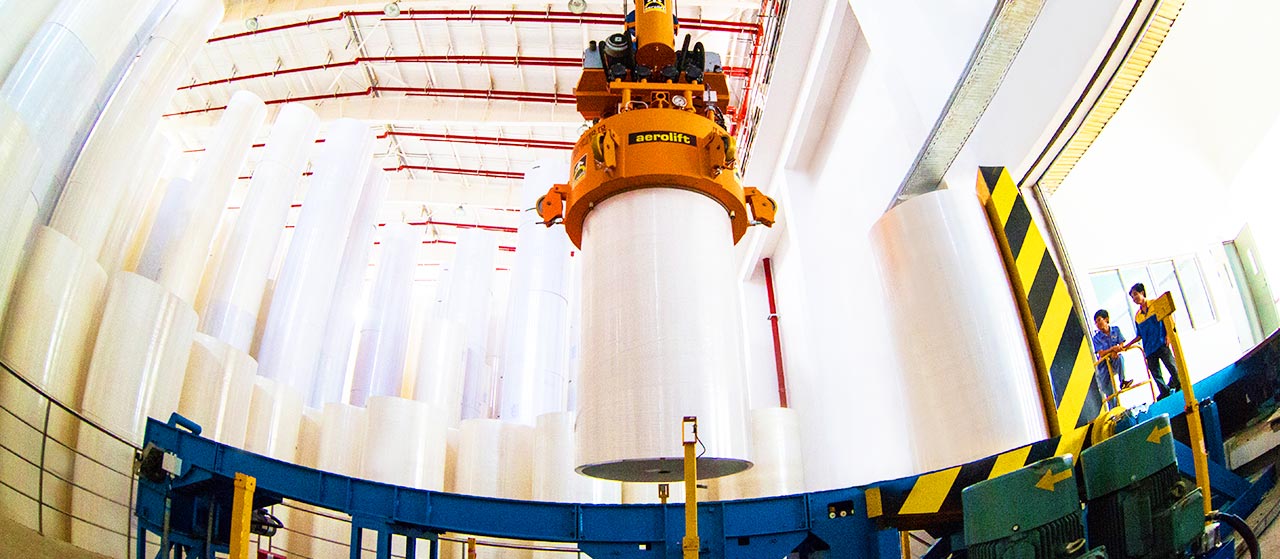
تشانغفا ديجيتال يدير مصنعه الخاص لأكثر من خمسة عشر عاما. أربعة خطوط طلاء ألمانية وعشرة آلات قطع تتحول إلى لفات مثالية كل يوم. يتم شحن أكثر من 120 حاوية في جميع أنحاء العالم كل شهر ، مما يعني أنه يمكن الحصول على جودة ثابتة سواء طبع العملاء بضعة قمصان أو آلاف الأمتار.
أي سلسلة حبر التسامي الرقمي CHANGFA يجب أن تفكر أولاً؟
سلسلة 1513 تتميز في الإنتاج عالي السرعة دون المساس بعمق اللون
إن 1513 سلسلة تم بناؤها للمصانع السريعة. يتدفق بسلاسة بسرعة كاملة ويحافظ على ألوان عميقة وغنية. مثالية عندما تحتاج إلى مئات الأمتار الانتهاء اليوم.
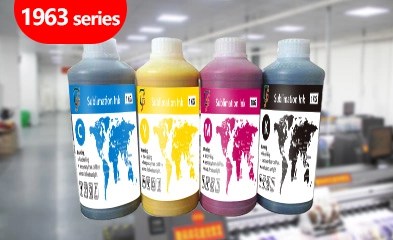
سلسلة 1962 توفر التوازن المثالي بين الدقة والمتانة
إن 1962 سلسلة يعطي خطوط حادة جدا ومقاومة غسيل قوية. اختر عندما التفاصيل الصغيرة والآثار الطويلة مهمة أكثر - فكر في الزي العلامة التجارية أو الأعلام المفصلة.
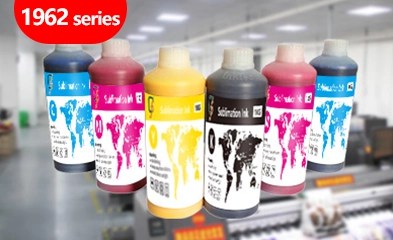
الأسئلة الشائعة
س: هل يمكنني استخدام حبر التسامي مباشرة على الورق العادي لمهام الطباعة اليومية؟
ج: لا. حبر التسامي لاحتياجات الطباعة العادية البوليستر أو البنود المغطاة بالإضافة إلى الحرارة. على الورق العادي يبقى رطبًا وعدم جدوى.
س: ماذا يحدث إذا كان استخدام حبر الصبغة في طابعة مصممة للتسامي؟
ج: السمك الخاطئ والمواد الكيميائية قد تتسرب حتى تدمير رأس الطباعة لذلك يرجى استخدام الحبر الذي يتم صنعه للآلة المقابلة في كثير من الأحيان.
س: كم مرة يجب تنظيف الطابعة عند استخدام حبر التسامي؟
ج: تنظيف بانتظام، وخاصة بعد استراحات طويلة. الصبغة المجففة داخل الفوهات تسبب إصلاحات مكلفة.


