


HOT SALE
APPLICATION
Phone:+86-15215969856 E-Mail: 396838165@qq.com
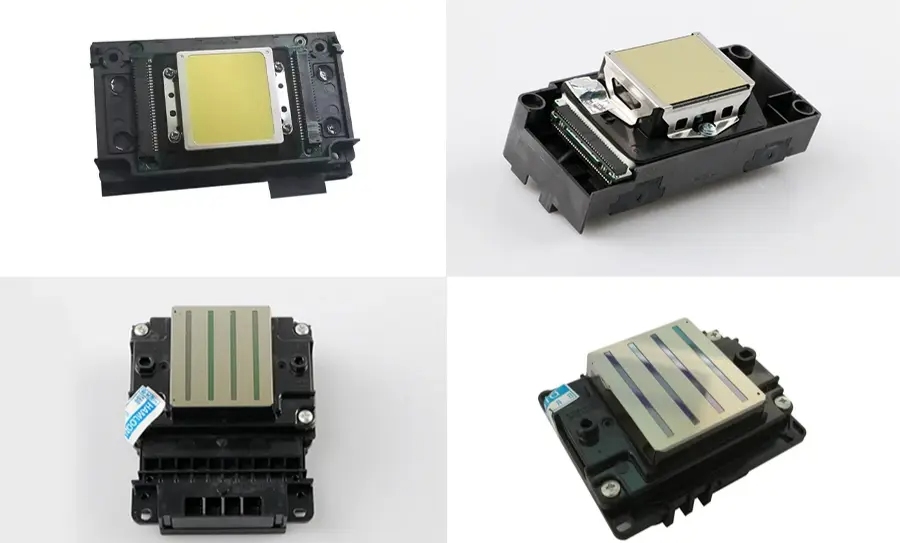
Printer heads are one of the first specifications buyers notice when comparing a sublimation printer. A two-head machine looks safer for budget control. A six-head model looks more powerful. In real factory purchasing, the answer is not that simple.
What Are Printer Heads in a Sublimation Printer?
A printer head, also called a printhead or nozzle unit, sprays sublimation ink onto sublimation paper. It affects output speed, line detail, ink placement, and long-run stability. Still, it does not work alone. Ink supply, drying system, paper quality, RIP software, humidity, operator habits, and maintenance all shape the final result.
In sublimation printing, the printer head controls how ink droplets land on the transfer paper. After printing, the image is transferred by heat onto polyester fabric or coated materials. If the head is unstable, blocked, poorly aligned, or not matched with the ink, the final fabric may show banding, weak color, or uneven detail.
Why Does Printer Head Quantity Matter in Sublimation Production?
Printer head quantity affects productivity. More heads can complete more work in the same time. But buyers should not treat head count as the only quality signal. A well-maintained two-head machine can produce cleaner output than a poorly managed high-head machine.
Head type also matters. Buyers should confirm the nozzle model, ink compatibility, replacement cost, and local availability. A printer that stops because one head cannot be replaced quickly may cost more than the price difference between two machine models.
Sublimation production is often judged by square meters per hour, but buyers also need to think about repeat orders, machine uptime, and labor skill. More printer heads can help when the factory has stable bulk orders. It can also raise the demand for cleaning, ink control, daily inspection, and operator training.
How Do Different Printer Head Configurations Fit Different Production Needs?
2-Head Printers Fit Sampling, Small Runs, and Entry-Level Production
A two-head sublimation printer is a sensible starting point for buyers who need wide-format capability but still want to control their first investment. It can serve sampling rooms, small print shops, local sportswear suppliers, and workshops moving from outsourced printing to in-house production.
Changfa Digital’s CF-2000 is a good example of this category. It uses two EPSON I3200-A1 heads, supports CMYK sublimation ink, and works with sublimation paper in a 1900mm effective width class. Its production speed reaches 105㎡/h in 2-pass mode, with lower speeds under higher-pass settings.
That does not mean every buyer should run the machine at the fastest mode. For detailed fashion patterns or customer approval samples, slower pass settings may be more useful. The main value of a two-head model is balance: enough width for textile work, manageable maintenance, and lower pressure on the operator.
3-Head Printers Suit Growing Textile Printing Orders
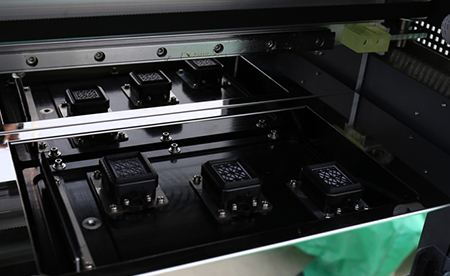
A three-head printer fits buyers who already have regular production and need more speed without moving straight into a heavier industrial setup. This suits sportswear factories, garment printing workshops, home textile suppliers, and active distributors.
The CF-3000 from Changfa Digital follows this direction. It is built with three EPSON I3200-A1 heads, CMYK sublimation ink, and 1900mm effective width. Its production speed reaches 162㎡/h in 2-pass mode, 109㎡/h in 3-pass mode, and 82㎡/h in 4-pass mode.
For a buyer handling daily orders, that difference can be meaningful. More output helps reduce waiting time between print and heat transfer. It also gives the factory more room during seasonal demand, such as teamwear orders or home textile promotions.
6-Head Printers Support Higher-Output Production Lines
A six-head sublimation printer is more suitable for buyers with clear production demand. It should not be purchased only because the number sounds stronger. It needs stable jobs, trained operators, good ink management, and a supplier who can support maintenance.
Changfa Digital’s CF-6000 uses six Epson 5113 heads. The model reaches a 1-pass speed of 200㎡/h, a 2-pass speed of 110㎡/h, and a 3-pass speed of 75㎡/h. It also includes a secondary continuous ink supply, an intelligent ink shortage alarm, nozzle cleaning and moisturizing, an anti-collision frame, a guide rail, and a pressing roller system.
This type of machine is closer to production-line use. It can serve long-roll textile printing, soft signage, advertising fabric, and factories with tight delivery windows.
How Should Buyers Match Printer Heads with Real Applications?
Sportswear Production Needs Speed and Color Repeatability
Sportswear orders often include many sizes, names, numbers, and team colors. The printer must keep colors consistent across repeated panels. A two-head machine may be enough for a small clubwear supplier. A three-head machine may suit a factory handling steady teamwear orders. Larger uniform suppliers may need higher output, but only if orders are stable enough.
Home Textile Printing Needs Stable Wide-Format Output
Curtains, cushions, shower curtains, and bedding fabric use large visible areas. Here, print width, paper feeding, drying, and color consistency matter as much as head count. A buyer should test long rolls, not only small samples. Wrinkles, paper drifting, or uneven drying can create problems after transfer.
Soft Signage Projects Need Output Capacity and Deadline Control
Flags, backdrops, lightbox fabric, and exhibition graphics often come with fixed deadlines. Multi-head printers can help, but the buyer should also confirm spare parts, ink supply, remote support, and operator training.
Distributors Need a Balanced Printer Lineup
A distributor should avoid selling one head configuration to every customer. Small print shops may need two-head models. Growing textile factories may need three-head models. High-output customers may ask for six-head machines. A balanced lineup becomes stronger when combined with sublimation paper, sublimation ink, heat transfer machines, and tissue paper.
What Should Buyers Check Before Choosing Printer Heads?
Confirm Printer Head Type and Availability
Ask for the exact head model, quantity, replacement cost, and spare parts plan. Do not accept only a general phrase such as “imported head” or “high-speed head.” A clear model name helps buyers compare future maintenance costs.
Check Ink System and Nozzle Protection Functions
A stable ink system protects the heads. Useful features include automatic cleaning, automatic moisturizing, ink shortage alarm, continuous ink supply, filtration, and anti-collision protection. These are not decorative details. They reduce stoppage risk in daily production.
Match Printer Heads with Sublimation Paper and Ink
Faster machines put more pressure on paper drying and ink fluency. If the paper cannot handle the ink load, or if the ink does not flow well through the head, speed will not solve the problem. CF Sub Paper’s range covers printers, sublimation paper, sublimation ink, heat transfer machines, and tissue paper, so buyers can discuss the machine and consumables as one setup.
Ask About Training, Warranty, and After-Sales Support
Before placing a bulk order, overseas buyers should confirm installation guidance, video technical support, warranty terms, spare parts supply, and daily maintenance instructions. For distributors, these items also affect local reputation.
FAQ
Q1: How many printer heads are enough for a small sublimation printing business?
A1: Many small businesses can start with a two-head sublimation printer if their orders are mainly sampling, short runs, teamwear panels, or local fabric printing. The buyer still needs to check print width, ink type, paper matching, and future order growth before confirming the model.
Q2: Does a 6-head sublimation printer always print better than a 2-head printer?
A2: Not always. A six-head printer is mainly built for higher output. Print quality also depends on head condition, ink compatibility, paper stability, pass setting, drying, and operator maintenance. For low-volume work, a smaller machine may be easier to manage.
Q3: What after-sales support should buyers check before ordering a multi-head sublimation printer?
A3: Buyers should check head spare parts, cleaning and moisturizing functions, installation guidance, video support, warranty scope, ink-matching advice, and basic troubleshooting training. For multi-head machines, fast technical response can reduce production loss when a nozzle issue appears.


