


HOT SALE
APPLICATION
Phone:+86-15215969856 E-Mail: 396838165@qq.com
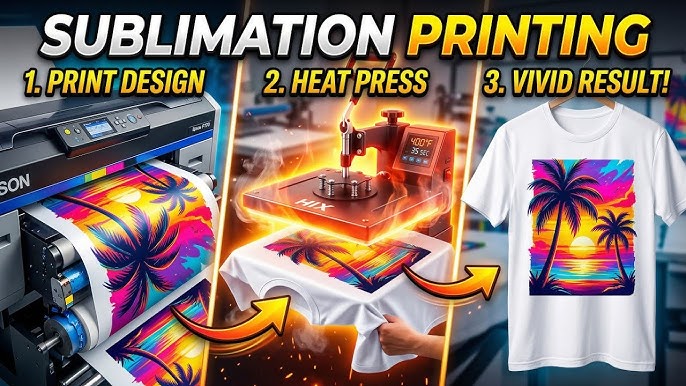 Sublimation printing is growing as a key force behind heat press technology. Sportswear brands want brighter colors, quicker results, and steady fabric outcomes. In making jerseys, the heat press does more than just transfer designs. It impacts print sharpness, washing strength, and overall work speed. By 2026, these needs will keep driving heat press trends toward improved temperature handling, exact pressure levels, and reliable workflow steps.
The Current Landscape of Sublimation Printing
In the sportswear and custom clothing markets today, sublimation jersey printing shines for its strong color brightness, light weight, and lasting quality. Yet, many makers face uneven color shifts, fabric matching problems, and climbing costs. Here, top-quality sublimation supplies and accurate heat press management create real improvements. Changfa Digital serves as the sublimation paper maker and digital print provider. It operates as the plant for sublimation papers, starting from base paper through coating and cutting. With over 15 years of knowledge, they make sure each print gets even quality on polyester products.
Understanding the Core Process of Sublimation Printing
Sublimation printing changes solid dye to gas with heat and pressure. This lets it join permanently with polyester threads. The outcome is a bright, enduring pattern that resists cracking or peeling after many washes. Unlike inkjet or vinyl methods that rest on the fabric surface, sublimation soaks color right into the threads. As a result, it gives a breathable and bendable finish perfect for sports gear.
Heat matters a lot in this method. The dye-filled sublimation paper lets out color at about 200°C (392°F). Meanwhile, pressure makes sure the paper touches the fabric fully. When compared to screen printing or direct-to-garment (DTG) ways, sublimation provides better stretch and color richness on man-made fabrics.
Key Materials Used in Sublimation Jersey Printing
Getting true colors relies a lot on good sublimation paper. Different choices help printers pick paper thickness based on speed of transfer and ink uptake.
Inks built for tough fabrics are just as vital. They use green solvents that are safe and harmless. These inks offer a wide color range with lively shades. They flow smoothly too. After transfer on textile items, they hold up to the sun with level 6 protection and washing with level 4-5 strength. Such mixes promise long wear under sunlight or many laundry rounds. This proves essential for sports jerseys that face heavy use.
For the best transfer outcomes with a heat press, keeping steady heat spread over the plate helps dyes sink evenly into polyester threads.
Technological Advancements Shaping Sublimation Printing in 2026
The field is moving fast toward clever tools and green supplies. These boost work rates without cutting quality.
Innovations in Heat Press Equipment
Digital heat press machines now have exact heat detectors and auto features that cut down on user mistakes. Adding IoT lets people check press work from afar. This suits big jersey lines that need instant fix notices. Such steps cut down time per cycle. At the same time, they raise steadiness over many matching patterns.
Evolution of Sublimation Inks and Papers
Ink formulas keep improving for wider color options with better guard against fading or running. Brands focused on the environment pick mixes without solvents. These lower harmful air releases during heat steps. In the same way, fresh layers on sublimation papers speed up dye output by up to 15%. This cuts scraps and raises rolls per use.
Comparing Sublimation with Emerging Fabric Printing Methods
Though sublimation leads in polyester sports clothing now, fresh methods like Direct-to-Fabric (DTF) are testing its spot.
Direct-to-Fabric (DTF) and Hybrid Techniques
DTF printing puts color straight on handled films. Then it moves designs to different cloth types, including cotton mixes that old sublimation can’t handle. But DTF often misses the air flow from gas-dye mixing into polyester threads. New hybrid systems blend sublimation’s bright look with DTF’s range. They appear as handy fixes for mixed cloth items.
Screen Printing and Heat Transfer Alternatives
Screen printing stays cheap for huge batches. However, it has trouble with smooth color fades or photo-like patterns seen in today’s jerseys. Heat transfer vinyl gives options for small groups. Yet it adds clear rough spots that lower ease in sports. Sublimation’s smooth blend into cloth keeps it better where work and style meet.
Market Trends Influencing the Popularity of Sublimation Printing
Around the world, people want more custom active clothes. They seek both use and style in their outfits.This demand is especially strong in school teams, fitness clubs, cycling groups, and small sports brands that need flexible design options without committing to huge stock.
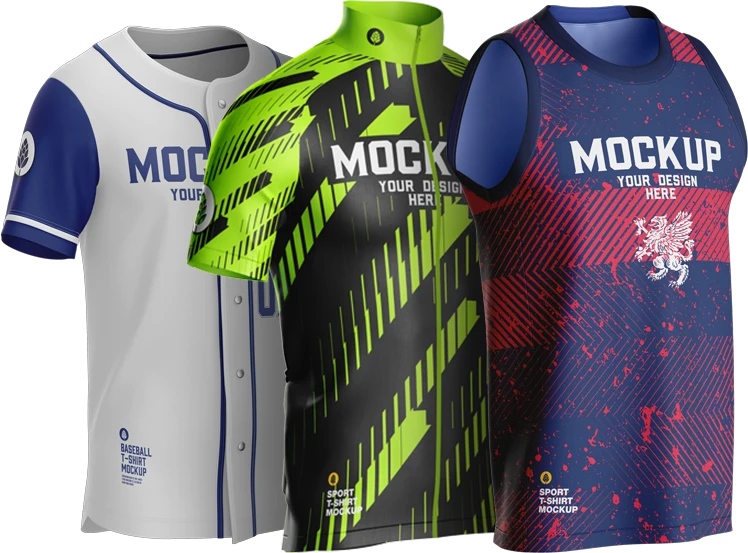
Sports groups like polyester clothes that pull away sweat. These stay light even in hard action. Because sublimation printing works especially well on polyester fabrics, it supports bright colors, detailed graphics, and breathable performance wear without adding a heavy print layer on the fabric surface.
Trends in personalization also push needs among local teams. They want low-cost but pro-level outfits made via quick digital flows. Names, numbers, sponsor logos, and team patterns can be changed easily, which makes sublimation printing a practical choice for short runs and repeat orders.
Green practices shape what buyers expect too. Brands now choose reusable items that work with sublimation steps. They pair these with power-saving presses that drop carbon marks over making rounds.
Factors Determining Whether Sublimation Remains a Top Choice by 2026
Money factors will decide if sublimation holds its lead against rising rivals like DTF or color-based digital cloth printing.
Makers like its growth potential. Once set right, one system can turn out thousands of the same jerseys at low added cost each. Upkeep stays fairly simple compared to multi-part color setups that need prep or after-heat stages.
Work stats back this choice: shades keep brightness after many cleans due to tight links in polyester lines. Cloths feel soft without extra covers. User comments keep sparking funds for better presses and coated goods.
Future Outlook: The Direction of Sublimation Technology Beyond 2026
Ahead, digital links will change how creators work with print gear around the globe. AI tools for design will auto-fix layout spots on rolls to cut waste. Cloud systems will tie far-off makers straight to plants worldwide. This will speed up time from idea to done jersey.
Cloth science will widen options too. It brings breakdown polyesters made for dye pull, like today’s fake ones. But these break apart after use. This fits sports cloth making with reuse economy ideas. Smart cloths with heat-change layers might soon mix use with looks via sublimation-ready ends.
FAQ
Q1: Why is sublimation preferred over other methods for sports jerseys?
A1: It soaks dye right into polyester threads instead of just covering them on top. This brings bend and lasting power in sports settings. It also holds bright shades after many wash rounds.
Q2: What type of fabric works best for sublimation jersey printing?
A2: Polyester items like interlock or bird-eye mesh cloths give the best effects. Their fake makeup joins well with gas dyes in heat pressing.
Q3: How can manufacturers improve efficiency in large-scale jersey production?
A3: By buying auto digital heat press setups with high-output sublimation paper. These cut handwork slips ensure even results over groups. Working with solid suppliers like Changfa Digital gives sure supplies checked in real factory settings worldwide.


