


Dây chuyền in chuyển nhiệt của bạn đã sẵn sàng cho các đơn đặt hàng quần áo thể thao năm 2026 chưa?
Bán nóng
Ứng dụng
Phone:+86-15215969856 E-Mail: 396838165@qq.com

Đơn đặt hàng đồ thể thaoS Năm 2026, mọi thứ không chỉ xoay quanh những chiếc áo đấu màu sắc tươi sáng. Người mua muốn lấy mẫu nhanh hơn, sản xuất theo lô nhỏ, cá nhân hóa cho đội, màu sắc ổn định giữa các đơn đặt hàng và chất liệu vải vẫn nhẹ sau khi in.
Tại sao các đơn đặt hàng đồ thể thao năm 2026 lại gây áp lực lớn hơn lên dây chuyền in chuyển nhiệt?
Nhu cầu về đồ thể thao ngày càng đa dạng. Một khách hàng có thể muốn 500 chiếc áo bóng đá có in tên và số. Một khách hàng khác có thể cần áo đạp xe với nhiều kích cỡ và màu sắc khác nhau. Nhà phân phối có thể yêu cầu đặt hàng thử trước, sau đó đặt hàng lặp lại nếu lô hàng đầu tiên bán chạy.
Đối với các câu lạc bộ thể thao và thương hiệu quần áo, đơn đặt hàng lại phải khớp với đơn hàng đầu tiên. Nếu màu xanh trên một lô hàng chuyển sang hơi tím vào tháng sau, người mua có thể không giải thích được về mặt kỹ thuật, nhưng chủ sở hữu thương hiệu sẽ nhận thấy. Việc kiểm tra độ ổn định của mực in, nhiệt độ chuyển nhiệt, lớp phủ giấy và hiệu chuẩn máy in cần được thực hiện trước khi bắt đầu sản xuất hàng loạt.
Quần áo thể thao thường sử dụng kỹ thuật in toàn bộ bề mặt. Tay áo, các mảng bên hông, cổ áo và các mảng lưng đều có thể có họa tiết. Bất kỳ vết mờ, sự xê dịch của giấy hoặc độ căng vải yếu nào cũng sẽ lộ rõ sau khi may. Vì vậy, người mua không chỉ nên chấp thuận mẫu in phẳng. Họ nên yêu cầu mẫu đã may, mẫu thử giặt và mẫu màu lặp lại.
Điều gì làm cho quần áo thể thao khác biệt so với các loại vải in thông thường?
Đồ thể thao có điều kiện sử dụng riêng. Chúng bị kéo giãn, giặt giũ thường xuyên, tiếp xúc với mồ hôi, được đóng gói chặt chẽ và đôi khi được sử dụng ngoài trời. Họa tiết in phải đẹp, nhưng đồng thời cũng phải thoải mái khi mặc.
Khả năng tương thích với polyester được ưu tiên hàng đầu.
In chuyển nhiệt cho kết quả tốt nhất trên vải polyester hoặc vải có hàm lượng polyester cao. Nhiều mặt hàng thể thao sử dụng vải dệt kim, vải mắt chim hoặc vải polyester pha spandex vì chúng cần độ co giãn và thoáng khí. Trước khi đặt hàng, người mua nên xác nhận thành phần vải, trọng lượng, chiều rộng và độ co rút sau khi ép nhiệt. Vải in tốt trong phòng thí nghiệm vẫn có thể bị cong, co rút hoặc biến dạng trong quá trình sản xuất thực tế.
Cảm giác khi chạm vào rất quan trọng đối với trang phục thể thao.
Khách hàng mua đồ thể thao thường không muốn có lớp in quá dày trên vải. Thăng hoa in ấn Điều này rất hữu ích vì thuốc nhuộm liên kết vào sợi polyester thay vì tạo thành một lớp màng dày trên bề mặt. Kết quả là sản phẩm sẽ có cảm giác gần giống với chất liệu vải ban đầu. Đối với áo đấu, áo tập luyện và quần áo yoga, điểm này quan trọng hơn nhiều so với dự đoán của nhiều đội ngũ bán hàng.
Nên tiến hành kiểm tra giặt giũ sớm.
Một bản in thử tốt ngay từ đầu là chưa đủ. Quần áo thể thao được giặt đi giặt lại nhiều lần. Việc duyệt mẫu cần bao gồm giặt, chà xát và so sánh màu sắc trước khi dán nhãn thùng carton và đóng gói cuối cùng.
Người mua nên kiểm tra những loại vật liệu in nào trước khi đặt hàng số lượng lớn quần áo thể thao?
Dây chuyền in chuyển nhiệt không chỉ là một máy móc đơn lẻ. Đó là một quy trình phối hợp nhịp nhàng. Giấy, mực in, máy in, máy ép nhiệt và vải phải hoạt động đồng bộ. Nếu một bộ phận thay đổi, toàn bộ sản phẩm đầu ra có thể bị ảnh hưởng.
Giấy in chuyển nhiệt cần phù hợp với lượng mực và loại vải.
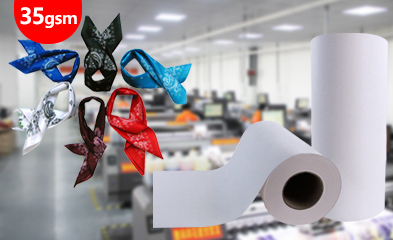
Sgiấy in hoa Dải sản phẩm bao gồm các loại giấy từ mỏng đến dày. Đối với quần áo thể thao, giấy 29gsm đến 40gsm thường được xem xét khi các nhà máy cần tốc độ khô nhanh hơn và sản xuất cuộn hiệu quả. Các loại giấy dày hơn có thể phù hợp với độ phủ mực cao hơn hoặc khả năng truyền mực được kiểm soát tốt hơn. Sự lựa chọn cuối cùng phụ thuộc vào độ phủ của họa tiết, tốc độ máy in, độ ẩm, bề mặt vải và khả năng xử lý.
Changfa kỹ thuật số’Giấy chuyển nhiệt thăng hoa không dính 30gsm là một lựa chọn cho việc in trên vải polyester. Đối với người mua, điểm hữu ích không chỉ nằm ở số GSM mà còn ở khả năng giữ cho đường in không bị cong, nhòe hoặc làm chậm quá trình ép nhiệt.
Nên chọn loại mực phù hợp với đầu phun và tốc độ sản xuất.
Sản xuất đồ thể thao cần độ bền màu cao, nhưng việc phủ quá nhiều mực lên vải không phải là giải pháp. Người mua nên kiểm tra khả năng tương thích của vòi phun, độ chảy của mực, độ ổn định màu và đặc tính khô. Dòng mực thăng hoa của Changfa Digital bao gồm các tùy chọn mực CMYK dành cho in kỹ thuật số trên vải. Đối với các nhà máy sử dụng đầu in Epson I3200 hoặc Atexco Kyocera, việc lựa chọn mực cần được xác nhận trước khi in lô hàng đầu tiên, chứ không phải sau khi xuất hiện các sự cố về đầu in.
Khả năng in ấn và truyền nhiệt phải phù hợp với kế hoạch đặt hàng.
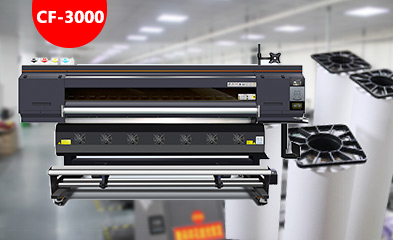
Khi các đơn đặt hàng đồ thể thao bắt đầu bao gồm đồng phục đội, áo đạp xe, áo tập luyện và quần áo quảng cáo trong cùng một mùa, khổ in và khả năng truyền nhiệt trở thành những yếu tố kiểm tra sản xuất quan trọng. Máy in khổ hẹp có thể đủ dùng cho các mẫu thử hoặc các mảnh vải nhỏ, nhưng nó có thể làm chậm tiến độ công việc khi người mua cần cuộn vải khổ lớn, bố cục hoa văn lớn hơn hoặc sản xuất hàng loạt lặp đi lặp lại.
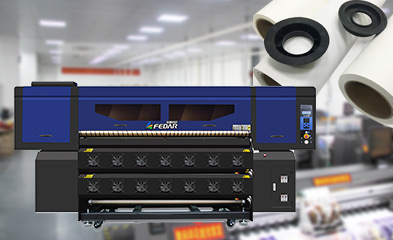
Changfa Digital của Máy in chuyển nhiệt thăng hoa tốc độ cao CF-3000 cho vải dệt Máy có kích thước in 1900 mm và hệ thống mực CMYK, phù hợp với các loại vải khổ lớn. Đối với việc chuyển nhiệt, có thể xem xét máy chuyển nhiệt dạng cuộn 800*1900 mm để xử lý cuộn vải rộng hơn và kiểm soát quá trình chuyển nhiệt tốt hơn.
Những vấn đề thường gặp trong quá trình in chuyển nhiệt trên quần áo thể thao là gì?
Hầu hết các vấn đề trong sản xuất ban đầu đều nhỏ. Giấy hơi cong. Một vết bóng nhỏ ở mép. Một chút khác biệt về màu sắc. Trong các đơn đặt hàng quần áo thể thao, những lỗi nhỏ này có thể biến thành những tấm vải bị loại bỏ sau khi cắt và may.
Hiện tượng giấy bị nhăn và hơi ẩm gây ra sự chuyển giao không ổn định.
Hiện tượng giấy bị cong vênh thường liên quan đến độ ẩm, lượng mực in hoặc cách bảo quản giấy không đúng cách. Giấy nhẹ có thể giúp tăng tốc độ in, nhưng cũng cần được xử lý tốt hơn. Cuộn giấy nên được bảo quản kín và phẳng, tránh xa không khí ẩm ướt trong xưởng. Nếu nhà máy hoạt động trong mùa có độ ẩm cao, người mua nên hỏi nhà cung cấp về cách đóng gói giấy, hướng dẫn bảo quản và độ đồng nhất của cuộn giấy.
Hiện tượng bóng mờ thường xuất hiện do chuyển động
Hiện tượng bóng mờ xảy ra khi giấy hoặc vải bị xê dịch trong quá trình ép. Nguyên nhân có thể là do lực căng không tốt, độ bám dính yếu, áp suất không chính xác hoặc người vận hành di chuyển các tấm vải quá sớm. Giải pháp không chỉ là thay đổi loại giấy. Các nhà máy cần kiểm tra áp suất máy ép nhiệt, hệ thống cấp vải, sự thẳng hàng của giấy, thời gian làm nguội và liệu bố cục hoa văn có gây khó khăn khi thao tác hay không.
Sự khác biệt về màu sắc giữa các lô hàng cần có hồ sơ quy trình.
Nếu nhà máy không thể ghi lại hồ sơ ICC, lô mực, loại giấy, nhiệt độ chuyển nhiệt, thời gian ép, lô vải và điều kiện xưởng, việc truy tìm nguyên nhân gây ra khiếu nại về màu sắc sẽ trở nên khó khăn. Người mua B2B nên yêu cầu hồ sơ quy trình cơ bản cho các đơn đặt hàng lặp lại, đặc biệt khi cùng một thiết kế quần áo thể thao được sản xuất qua nhiều mùa.
Làm thế nào người mua có thể xây dựng một dây chuyền in chuyển nhiệt đáng tin cậy hơn cho các đơn đặt hàng quần áo thể thao số lượng lớn?
Trước khi đặt đơn hàng lớn, người mua nên coi dây chuyền sản xuất như một hệ thống sản xuất thực tế.
Xác nhận sớm các chi tiết yêu cầu báo giá cốt lõi (Core RFQ Details Early).
Một yêu cầu báo giá (RFQ) hữu ích nên bao gồm thành phần vải, trọng lượng vải, chiều rộng cuộn, độ phủ mẫu, sản lượng hàng ngày, tiêu chuẩn màu sắc, số lượng đặt hàng, yêu cầu mẫu, phương pháp đóng gói và thời gian giao hàng dự kiến. Nếu người mua cần Hỗ trợ OEM hoặc ODMĐiều này cũng cần được nêu rõ ngay từ đầu. Changfa Digital hỗ trợ các kích thước cuộn tùy chỉnh và các yêu cầu OEM/ODM, nhưng cấu hình chính xác vẫn phụ thuộc vào máy in, chất liệu vải và kế hoạch đặt hàng của người mua.
Kiểm tra trước khi sản xuất hàng loạt
Khách hàng nên yêu cầu mẫu thử sử dụng cùng loại giấy, mực và vải như dự định dùng cho hàng hóa số lượng lớn. Một mảnh vải nhỏ không đủ cho quần áo thể thao. Hãy thử nghiệm với bố cục đầy đủ, mảnh vải cắt và may, mẫu giặt và mẫu lặp lại màu sắc. Nếu đơn hàng bao gồm nhiều kích cỡ, hãy kiểm tra xem các mảnh vải lớn có giữ được độ sắc nét sau khi in chuyển nhiệt hay không.
Xem xét phản hồi của nhà cung cấp và hỗ trợ sau bán hàng.
Trong sản xuất in chuyển nhiệt, các vấn đề phát sinh trong quá trình lắp đặt, thử nghiệm và sử dụng hàng ngày. Nhà cung cấp cần có khả năng thảo luận về trọng lượng giấy, sự phù hợp của mực in, cài đặt máy móc, vấn đề độ ẩm và nhu cầu đóng gói mà không chỉ đưa ra những câu trả lời chung chung. Khi người mua đang chuẩn bị một dây chuyền sản xuất đồ thể thao mới hoặc nâng cấp dây chuyền cũ, tốt hơn hết là nên... Liên hệ Changfa Digital Vui lòng xem xét kỹ kiểu máy in, loại vải, số lượng cần in và khổ cuộn trước khi mua hàng.
Kết luận
Dây chuyền in chuyển nhiệt cho quần áo thể thao phục vụ các đơn đặt hàng năm 2026 cần được đánh giá dựa trên sự ổn định sản xuất, chứ không chỉ dựa vào độ sáng của mẫu. Người mua cần xem xét đồng thời giấy, mực in, khổ máy in, kiểm soát truyền nhiệt, đặc tính vải, điều kiện bảo quản và hỗ trợ từ nhà cung cấp. Khi các yếu tố này được kết hợp tốt, các nhà máy có thể giảm thiểu lãng phí và xử lý các đơn đặt hàng hỗn hợp với ít thử nghiệm và sai sót hơn.
Câu hỏi thường gặp
Câu 1: Người mua cần xác nhận những gì trước khi mua nguyên liệu để in chuyển nhiệt lên quần áo thể thao?
A1: Người mua cần xác nhận thành phần vải, định lượng giấy (gsm), chiều rộng cuộn, khả năng tương thích mực in, kiểu máy in, chiều rộng truyền nhiệt, phương pháp thử nghiệm mẫu, nhu cầu đóng gói, số lượng đặt hàng tối thiểu (MOQ) và lịch trình giao hàng.
Câu 2: Giấy hoặc mực in chuyển nhiệt có thể được tùy chỉnh cho các dây chuyền sản xuất khác nhau không?
A2: Có. Chiều rộng cuộn, chiều dài cuộn, kích thước lõi, loại giấy và lựa chọn mực in thường có thể được điều chỉnh theo yêu cầu của đơn hàng. Người mua nên chia sẻ loại máy in, loại vải và sản lượng mong muốn trước khi xác nhận tùy chỉnh.
Câu 3: Hỗ trợ sau bán hàng nào quan trọng nhất đối với một dây chuyền in chuyển nhiệt mới?
A3: Hướng dẫn lắp đặt, lời khuyên về cài đặt máy, mẹo bảo quản giấy, hỗ trợ phối mực, phản hồi bảo trì và khắc phục sự cố về hiện tượng in mờ, lệch màu và cong giấy là những thông tin hữu ích nhất cho sản xuất hàng ngày.


