


HOT SALE
APPLICATION
Phone:+86-15215969856 E-Mail: 396838165@qq.com
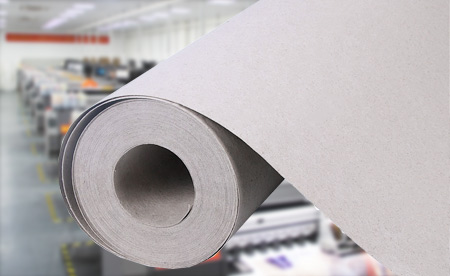
In high-volume sublimation production, the visible print is only part of the job. A factory may approve a clean sample in the morning and still lose hours later because the heat transfer blanket collects dye, pale polyester picks up marks, or one shift keeps stopping for cleaning. On long textile orders, those problems turn into delayed delivery, rework, material waste, and batch quality disputes. That is why tissue paper deserves more attention than it usually gets.
What Sublimation Tissue Paper Does in the Transfer Line
Sublimation tissue paper, also called protective paper, is used during heat transfer to separate and protect the machine surface, blanket, transfer paper, and fabric. It does not replace coated sublimation paper. Its job is different: it catches or blocks unwanted dye residue, reduces direct contact with dirty surfaces, and helps keep the fabric side cleaner during pressing.
A practical way to see it is simple. Sublimation paper carries the printed image and releases dye into polyester under heat. Tissue paper protects the transfer environment around that action. Without that layer, excess dye, fiber dust, and coating residue have fewer places to go except onto the blanket, machine parts, or fabric back side.
Why High-Volume Sublimation Production Needs Tissue Paper
Short tests can hide many problems. A 5-meter sample may look acceptable because the blanket is still clean and the operator is watching every detail. High-volume production is less forgiving. Heat, pressure, speed, and fabric movement repeat all day, so tiny contamination points spread quickly.
Factories producing sportswear, home textiles, flags, banners, and soft signage often run wide polyester fabric at a steady speed. A small back mark on one panel may not be serious. The same mark repeated across a batch can hold a shipment or cause distributor complaints. Protective paper gives the line one more controlled layer before those problems reach finished goods.
It Helps Keep Heat Transfer Machines Cleaner
Heat transfer machines collect more than operators expect. Residual dye can move under heat. Loose fibers from fabric edges can stick to the blanket. Paper dust and coating residue may also build up, especially when the line is running fast and rolls are changed often. Tissue paper helps reduce direct pollution of the blanket and machine surface.
A cheaper roll is not cheaper if it leads to more cleaning stops. Every stop breaks production rhythm. If workers rush cleaning to meet delivery time, the next batch may carry the previous batch’s residue.
It Reduces Back Staining and Unwanted Marks
Back staining is easy to underestimate. It may show as a faint color on the reverse side of white polyester, a shadow on thin home textile fabric, or dirty-looking spots on flags after folding. Some buyers only notice it during final packing, which is late and expensive.
A good protective layer helps isolate the fabric from residue that would otherwise transfer back during heat and pressure. This matters most on pale fabrics, lightweight polyester, double-sided banners, and products folded tightly after production.
It Lowers the Risk of Ghosting in Long Runs
Ghosting has more than one cause. Fabric movement, poor cooling, unstable tension, wrong transfer time, and dye migration can all create a second shadow. Tissue paper does not solve every one of those causes. Still, it can reduce secondary contamination and help keep the transfer stack more controlled.
For bulk orders, that control matters. A slight shadow may pass on a busy pattern but fail on clean brand graphics, sports uniforms, or home textile panels. Buyers should treat ghosting as a process issue, not only an operator mistake.
Where Tissue Paper Fits with Ink, Paper, Machine, and Fabric
Sublimation production works as a system. The printer lays down ink. The coated transfer paper holds and releases the dye. The heat transfer machine applies temperature, pressure, and time. Polyester fabric receives the dye. Tissue paper protects the stack while all of this happens.
A supplier with a wider process view is easier to work with. Changfa Digital supplies sublimation paper, sublimation ink, heat transfer machines, and tissue paper, so the discussion can stay close to real production conditions. Buyers can ask how paper width, fabric type, transfer speed, and protective paper should fit together.
The roles should not be mixed up. Tissue paper is not the right material for replacing proper transfer paper when color detail and transfer rate matter. Its value is in protection, cleanliness, and line stability. That difference needs to be clear when comparing roll prices.
How to Choose Tissue Paper for High-Volume Textile Lines
The first check is weight. Very light protective paper may be enough for clean, low-residue work, but it may not hold up well when ink load, pressure, or fabric lint increases. A heavier or more stable option can reduce folding, tearing, and contamination risk.
Width is just as important. Protective paper should cover the working area properly. If the tissue paper is narrower than the fabric or transfer zone, the edge can still touch a dirty blanket or pick up dye. On wide-format lines, that edge problem may repeat for the full roll length and cause trimming loss.
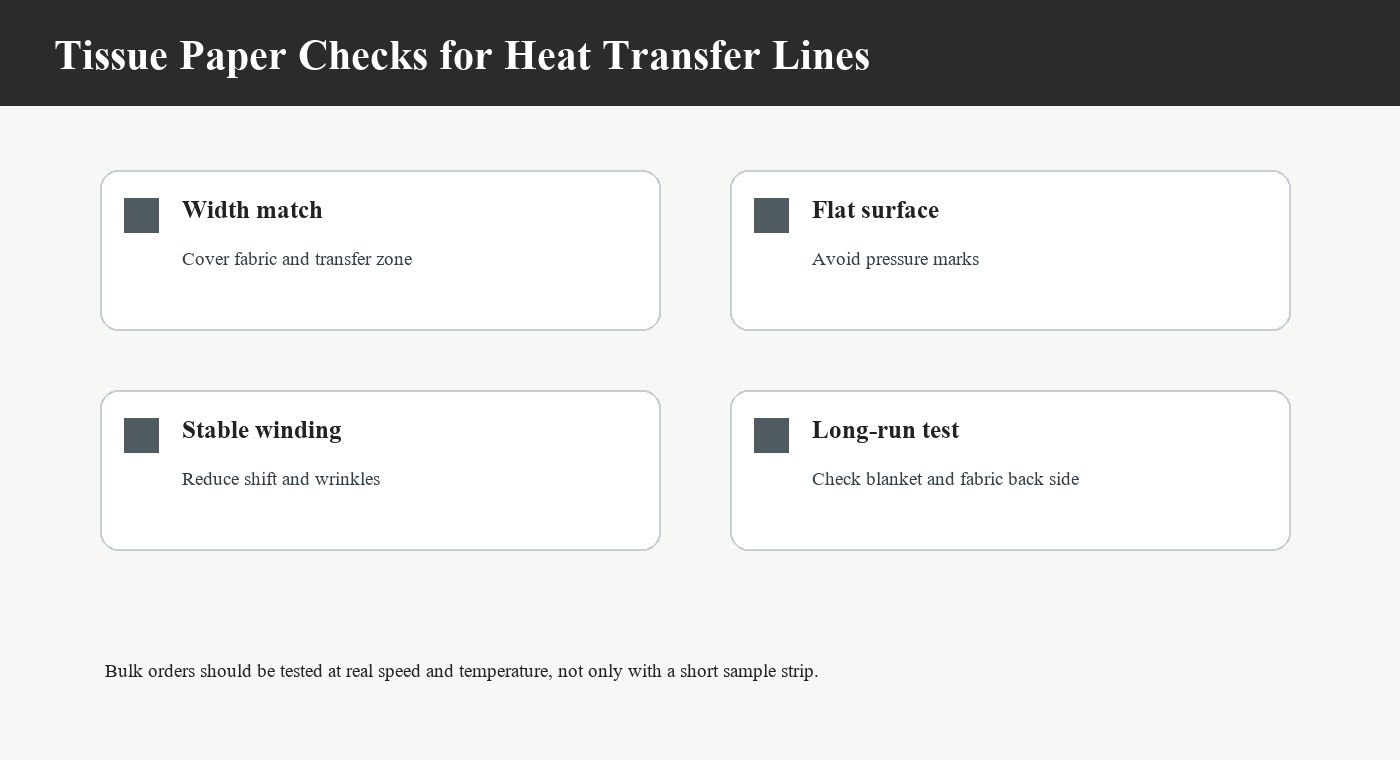
Surface flatness matters too. Wrinkles in the protective paper can become pressure marks. Loose winding can shift during transfer. A roll that looks acceptable in storage may still behave poorly under heat if the paper is uneven, damp, or too loosely packed.
Color choice can follow factory habits. White protective paper is easy to inspect, while grey protective paper is also common in sublimation transfer workshops. Changfa Digital’s sublimation protective tissue paper is positioned for heat transfer machine protection, with options that can be matched to production needs rather than treated as a generic packing paper.
What Buyers Should Test Before Bulk Orders
A short sample is not enough for this product. Protective paper should be tested under real line conditions: actual fabric, transfer paper, heat settings, speed, and the same roll width planned for bulk production. The operator should check the blanket, fabric backside, and paper path after a longer run.
|
Test item |
What to check |
Risk if ignored |
|
Long transfer run |
Run enough meters to warm the line |
Wrinkles or staining may appear only after production starts |
|
Blanket cleanliness |
Inspect residue after repeated transfer |
More cleaning stops and possible batch contamination |
|
Fabric back side |
Check pale and lightweight polyester |
Back staining may be found too late during packing |
|
Roll width and winding |
Match fabric width and watch edge stability |
Edge marks, trimming loss, or feed problems |
The point is not to make testing complicated. It is to catch the problems that only appear after the line warms up and keeps moving. If a tissue paper roll starts wrinkling after 200 meters, the first 10 meters will not tell the buyer much.
Supplier Matching Matters More Than the Cheapest Roll
Price still matters in high-volume production. Nobody wants support material to eat up margin. But the cheapest tissue paper can become expensive when it increases downtime, cleaning work, backstaining, or rejected panels. The better question is whether the roll helps the line run with fewer interruptions.
For repeat orders, supply stability is part of the decision. Changfa Digital works from base paper, coating, slitting, and packing inside the factory. The factory setup includes 4 coating lines, 4 slitting workshops, and 10 slitting machines, with monthly output around 3000 tons and about 120 containers shipped globally.
Custom needs should be discussed before bulk orders. OEM/ODM support can cover sample testing, special width, paper core, roll length, label, and export packing. For overseas buyers, paper-core caps, pallets, and moisture-aware packing can reduce transport damage.
FAQ
Q1: Is sublimation tissue paper the same as sublimation transfer paper?
A1: No. Transfer paper carries the printed design and releases dye to polyester. Tissue paper mainly protects the heat transfer stage, reduces contamination, and helps control backstaining or unwanted marks.
Q2: When does a textile factory need protective tissue paper most?
A2: It is most useful in long continuous runs, pale polyester fabric, wide-format transfer, flags, home textiles, soft signage, and any job where back staining or blanket pollution would cause rework.
Q3: What should buyers check before ordering tissue paper in bulk?
A3: Buyers should test weight, width, roll length, surface flatness, winding stability, residue control, blanket cleanliness, and back-side fabric condition after a long run, not only a short sample strip.
Q4: Can Changfa Digital support tissue paper for sublimation production lines?
A4: Yes. Buyers can contact Changfa Digital for tissue paper, sublimation paper, heat transfer machine matching, OEM/ODM requests, sample testing, width choices, and export packing details.


