


HOT SALE
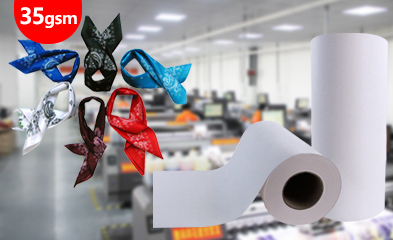
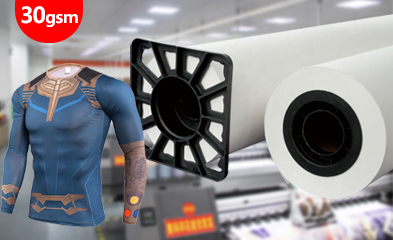
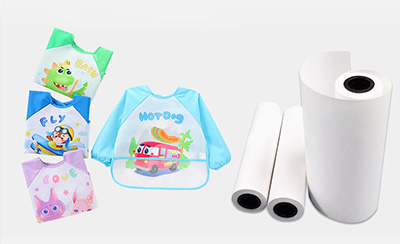
APPLICATION
Phone:+86-15215969856 E-Mail: 396838165@qq.com
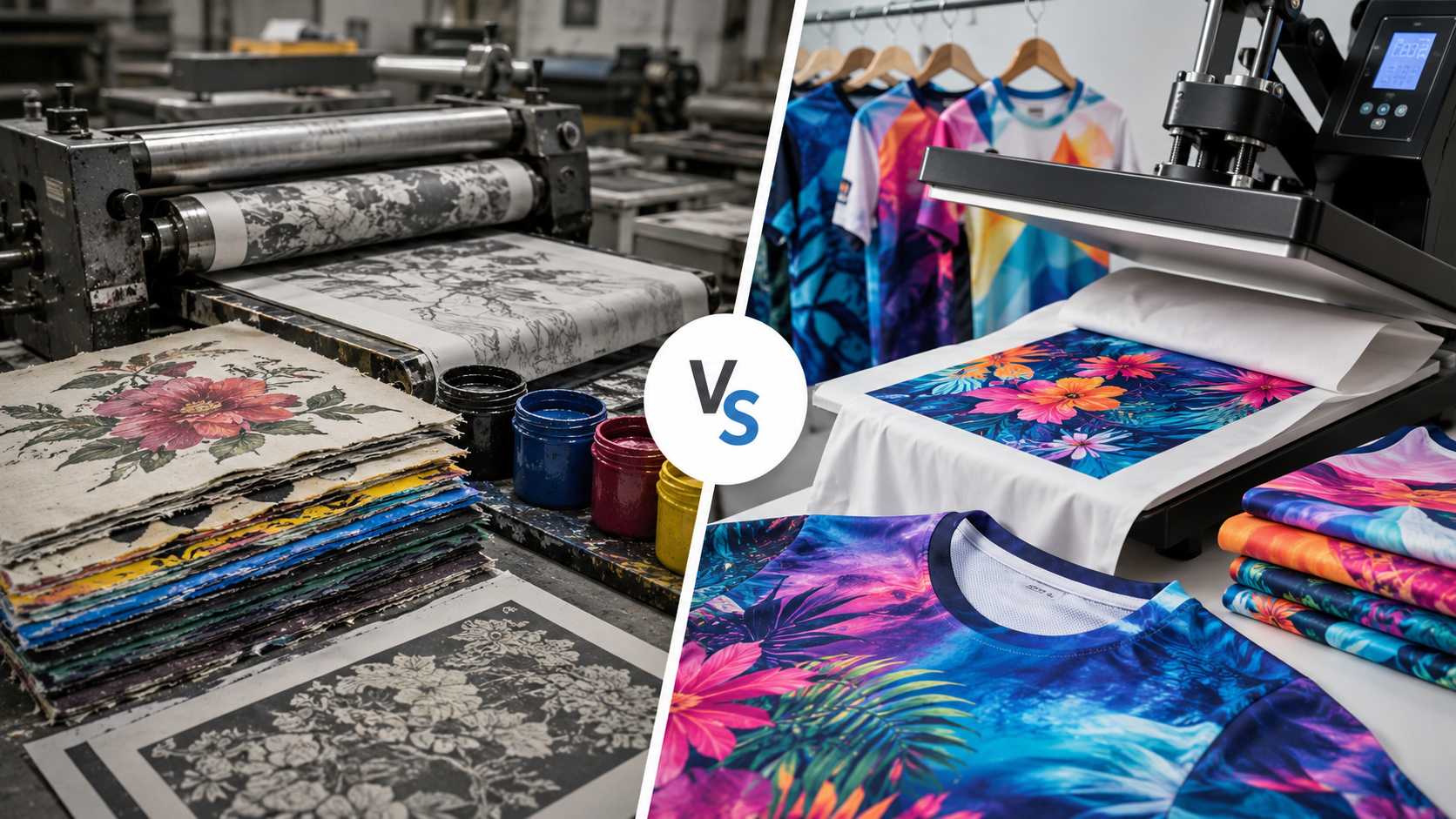
Buyers of textiles face pressure that is unlike what they had a few years back. Sportswear textiles, home textiles, flags, banners, and customized fabrics take less time, involve many more SKUs, and have a timeframe of approval that is much reduced. Good printing technology is not just about producing a high-quality sample. It should also be able to manage the following factors.
What Buyers Mean by Traditional Printing and Sublimation Printing
Traditional Printing in Fabric Production
Traditional printing usually refers to methods such as screen printing, rotary printing, and pigment or dye-based printing. The logic is familiar: a pattern is applied through screens, plates, rollers, or direct coloring systems, then fixed on the material surface or inside the fiber depending on the chemistry used.
This works well for large orders with fixed artwork and mature color standards. Once the setup is stable, cost can be spread across a big run. Buyers still need to calculate plate or screen cost, MOQ, sampling time, color changes, and inventory pressure before placing the order.
Sublimation Printing in Modern Textile Work
Sublimation printing follows a different route. The design is printed with sublimation ink onto sublimation paper, then transferred by heat into polyester fiber or coated material. It is widely used for polyester fabric, sportswear, home textile, fashion apparel, flags, banners, and soft signage.
This is where a workflow-based supplier becomes useful. Changfa Digital supplies sublimation paper, sublimation ink, printer-related support, heat transfer machines, and tissue paper, so buyers can look at the whole production chain instead of treating each consumable as a separate problem.
Cost and Order Flexibility: Where the First Difference Shows Up
The first difference often appears before printing even starts. Traditional printing can be cost-effective for long runs with the same pattern. Once screens, colors, and machine settings are ready, the unit cost can come down.
The trade-off is change. Frequent artwork updates, small repeat orders, color adjustments, and sample revisions all add time and cost. Buyers may also hold more stock because each design needs enough volume to make the setup worthwhile.
Sublimation printing is better suited to multi-style, short-run, quick reorder, and personalized work. It is not always the lowest unit price on every job, but it can reduce plate cost, dead inventory, and trial-and-error waste. For modern B2B orders with more SKUs and shorter delivery windows, that flexibility is often the real saving.
Color, Detail, and Fabric Feel: Which Method Matches the Product Better
Traditional printing can be strong for spot colors, bold blocks, and fixed brand shades. For some products, especially where the same artwork runs again and again, that control is useful. The buyer should still watch the hand feel. Heavy coating or thick ink layers can change breathability and touch, especially on apparel.
Sublimation printing is a good fit for gradients, photo-style graphics, complex patterns, and lightweight polyester fabric. Because the dye enters the polyester fiber, the surface usually feels more natural than a heavy printed layer. This is one reason sublimation is common in sportswear and flags, where color and fabric movement both matter.
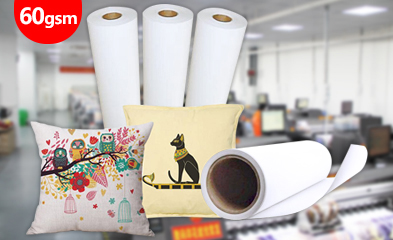
Paper quality is part of that result. A factory-based sublimation supplier can discuss coating, slitting, roll width, packing, and sample-to-bulk repeatability in the same conversation. Changfa Digital’s sublimation paper is designed for good transfer performance, fast drying, high ink absorption, and stable running. Transfer rate can reach 95% or above in suitable conditions, which helps reduce residue and keep the transfer more predictable.
Production Workflow and Waste: The Hidden Buyer Concern
Buyers often compare printing methods by sample appearance, but the production floor tells a wider story. Traditional printing may need machine adjustment, plate preparation, color change, cleaning, waste ink or paste, and first-piece tuning. Once a large order is stable, output can be efficient, but the early setup is heavier.
Sublimation printing has its own control points. Printer speed, ink flow, paper drying, heat transfer settings, and fabric behavior need to work together. If the roll width matches the fabric layout, edge waste can fall. If drying and winding are stable, reprint risk and downtime also drop.
Material Limits: Why Sublimation Is Not for Every Job
Traditional printing is more flexible for cotton, blended fabrics, dark base materials, and some special surfaces. With the right pigment, dye, or paste system, it can cover a wider material range.
Sublimation printing works best on polyester fabric and coated materials. It is limited to pure cotton, dark substrates, and non-coated surfaces. Buyers should not choose by process name alone. Final material, base color, washing requirements, hand feel, and target price all matter.
If the product line is mainly polyester sportswear, flags, home textile, or advertising fabric, sublimation printing is easier to build into a stable process. If the line depends on cotton basics or dark fashion fabric, traditional printing may still be the safer route.
Equipment, Consumables, and Supplier Matching Matter More than the Method Name
For sublimation printing, printer speed has to match paper drying and ink fluency. Sublimation ink has to fit printheads such as the Epson I3200 or Kyocera. Sublimation paper needs the right weight, width, roll length, drying speed, flatness, and transfer rate.
|
Buyer Focus |
Traditional Printing |
Sublimation Printing |
|
Order style |
Best for stable, repeated designs |
Better for multi-style and short-run orders |
|
Setup pressure |
Screens, plates, colors, and cleaning need time |
Digital files and transfer settings are easier to change |
|
Material fit |
Broader for cotton, blends, and dark bases |
Best for polyester and coated materials |
|
Inventory risk |
Higher when each design needs large volume |
Lower for quick updates and small repeats |
Tissue or protective tissue paper also matters in the heat transfer stage because it helps protect the machine surface and fabric from residue. Small support items are easy to ignore until they start causing marks or cleaning stops.
Changfa Digital handles base paper, coating, slitting, and packing inside the factory. The setup includes 4 coating lines, 4 slitting workshops, and 10 slitting machines. OEM/ODM support, sample customization, paper-core caps, pallets, and export packing all help buyers reduce the gap between sample approval and bulk delivery.
Which Printing Method Fits Modern Needs Better?
For very large orders with fixed artwork, fixed material, and a mature production line, traditional printing still makes sense. It can be efficient and predictable when the design does not change often.
For quick product updates, multiple patterns, smaller batches, polyester fabric, complex graphics, and lower inventory pressure, sublimation printing often fits the modern production rhythm better. The practical answer is not always to replace one method with the other. Many buyers keep traditional printing for core volume orders while moving polyester quick-response orders into sublimation printing.
FAQ
Q1: Is sublimation printing always better than traditional printing?
A1: No. It is subject to the material used, order quantity, artwork intricacy, and time of delivery. Sublimation printing may prove to be more effective when it comes to using polyester fabrics and multi-pattern orders, whereas regular printing is suitable for big designs.
Q2: What should buyers test before switching to sublimation printing?
A2: Buyers should test paper weight, ink compatibility, printer speed, heat transfer temperature, fabric batch stability, drying, curling, and long-distance continuous printing before bulk orders.
Q3: Can Changfa Digital support buyers who are building a sublimation workflow?
A3: Yes. Buyers can contact Changfa Digital about sublimation paper, sublimation ink, printer-related needs, heat transfer machines, OEM/ODM requests, and sample testing for building or adjusting a sublimation workflow.
Q4: When does traditional printing still make sense?
A4: Traditional printing still makes sense for large-volume fixed artwork, non-polyester materials, dark substrates, or factories that already have a mature and cost-effective traditional production line.


