


HOT SALE
APPLICATION
Phone:+86-15215969856 E-Mail: 396838165@qq.com
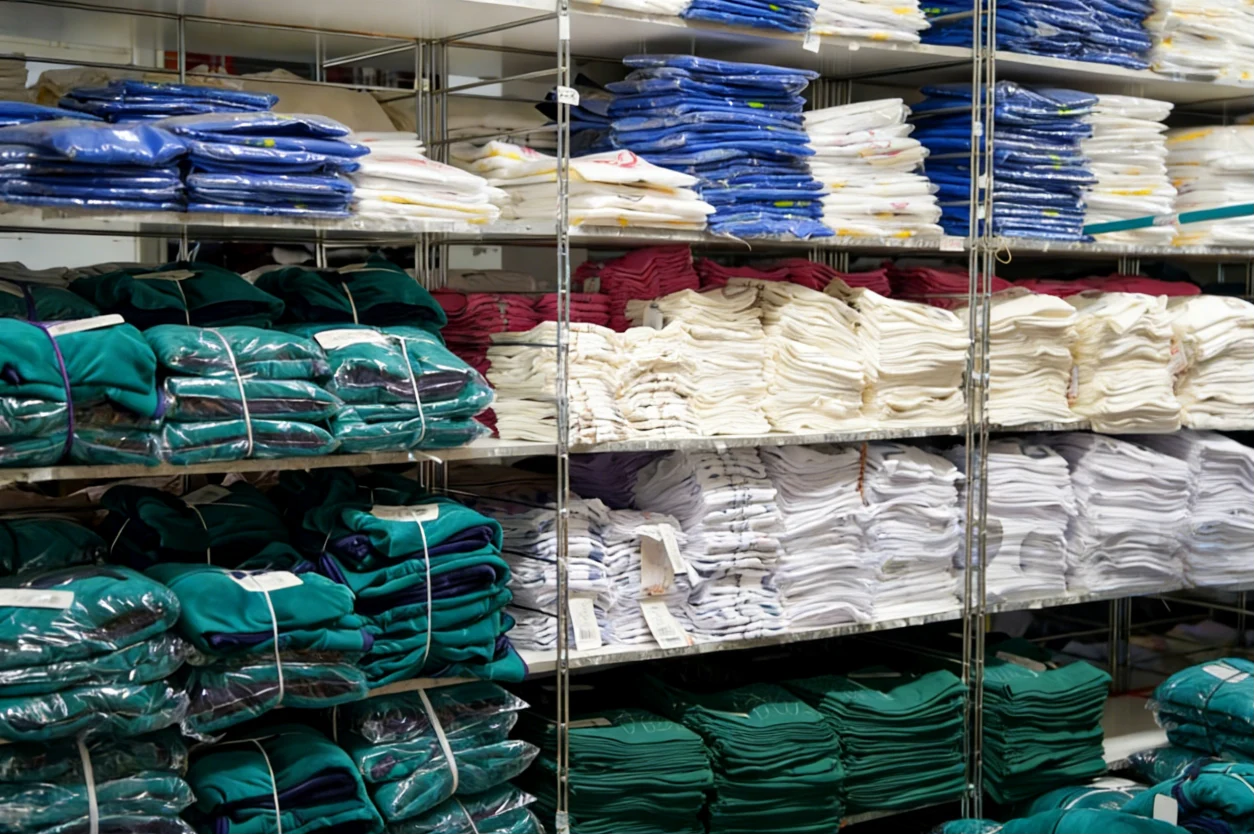
Picture stepping into a storage building five years back. You would probably notice piles of cartons stacked up to the roof. They held loads of T-shirts in sizes that sat unsold, collecting dirt. That described the usual way of retail back then. Stores had to guess customer likes well ahead of time. They hoped things would work out. Now, that scene shifts quickly. This move goes beyond a short phase. It marks a basic switch in our view of clothing creation. Social media fads spread quicker than old factories can ramp up. Buyers grow weary of blending in with the crowd. They seek personal touches. They desire quick results, and they want them right away. At the core of this big change sits one key development. It has steadily turned into the go-to choice for flexibility and strength in the field: DTF printing. This approach clears away the blocks of steep startup expenses and tricky supply paths. In turn, it drives the current clothing machine forward.
The Massive Shift to On-Demand Manufacturing
The clothing sector stayed caught in a fixed pattern for many years. But now, those limits start to break. The earlier way of large-scale production forced brands to foresee what lay ahead. A bad guess meant lost funds. Even a good one brought issues with holding space and moving goods. The fresh print-on-demand business model turns all that around. It lets makers and firms respond to buyer needs as they happen. They no longer need to forecast. This changes clothing output into a direct reply to what people want.
Eliminating the Inventory Nightmare
For B2B customers or clothing makers, stock counts as a burden. It locks up money and fills room. Before, screen printing called for large Minimum Order Quantities (MOQs). That made the prep time pay off. You could not make just five shirts. You needed to do fifty or even a hundred.
Here, the ease of current methods stands out. With an on-demand plan, companies can roll out ten fresh patterns each week. They avoid making any real goods until sales come in. This cuts down the danger a lot. A failed pattern wastes nothing solid. A hit one scales up fast. Such a quick response explains why firms leave behind old stock items. They head toward a setup that reacts on the spot.
Meeting the Speed of Social Media
Clothing styles were once held for whole seasons. Today, they stick around for weeks or just days at times. A funny image, a star’s quick act, or a hot phrase can spark huge interest overnight. Old making chains, which stretch months from idea to arrival, fail to match this speed.
Buyer hopes for custom apparel production build strong. When someone picks a special sweatshirt or a short-run graphic top, they look for shipment in 48 hours. Not 48 days. On-demand making lets creators print, heat, and send in the time an old plant would take to blend colors. This quickness moves past nice-to-have. It becomes a must for holding ground in online times.
Why DTF Printing is the Engine of this Change
While the business concept of “on-demand” is attractive, it needs hardware to make it happen. For a long time, Direct-to-Garment (DTG) printing tried to fill this gap, but it had limitations—mostly regarding fabric choice and pretreating. Enter direct-to-film technology. This method has rapidly overtaken other digital printing techniques because it solves the biggest headaches producers face: versatility and durability. It acts as the bridge between the digital design and the physical product, doing so with a level of reliability that previous technologies struggled to achieve.
To truly grasp why this specific method is dominating the market, we have to look at the mechanics. It isn’t just about putting ink on a shirt; it is about the chemistry of the transfer and how it bonds to the fabric. The process involves printing a design onto a special PET film, applying a powder adhesive, and then curing it. The result is a transfer that can be applied to almost anything.
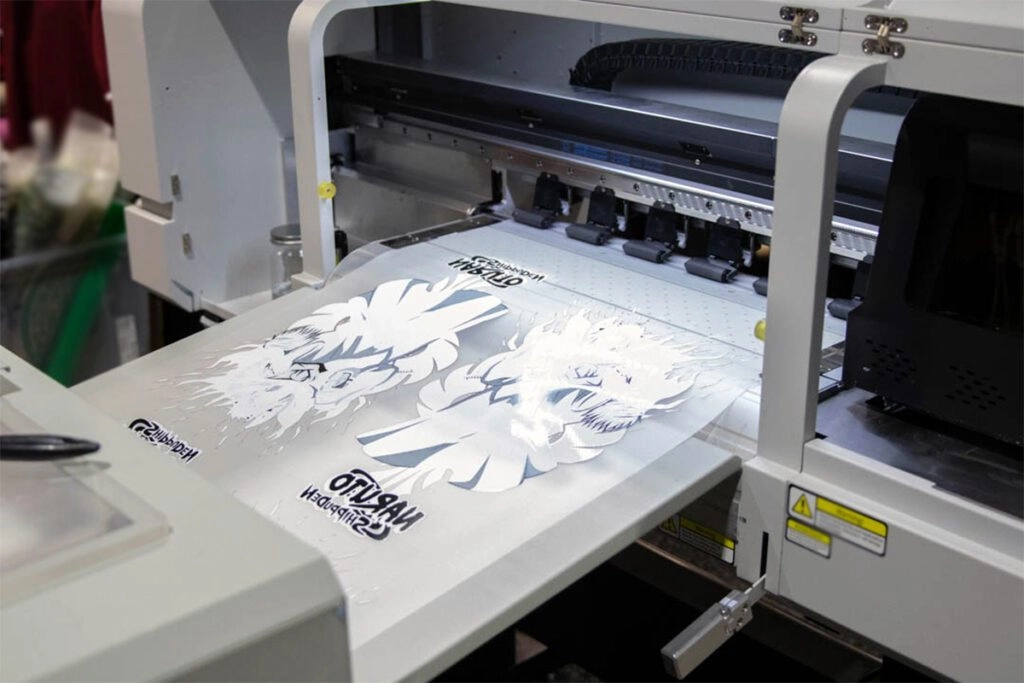
Unmatched Versatility Across Fabrics
A key issue in print work has long been matching with materials. Screen printing takes much effort for many-color plans. DTG has trouble with polyester or dark fake mixes without deep prep. DTF printing skips these problems fully.
Print on full cotton, polyester, nylon, handled hide, or half-half blends. The outcome stays even. The color rests on the surface. It sticks via the glue dust. This widens the list of goods for print places. Limits end at T-shirts. Now, tailor jackets, sport packs, caps, and shoes with one setup and a film roll. For a shop aiming to grow its range without five machines, this broad reach changes everything.
Durability and Color Vibrancy
People often think digital prints wear out faster than old screen ones. First tries might split or dull. But current DTF transfer printing stands apart. Top pigment colors plus special melt dust form a link that bends well.
Stretch a fine shift, and it returns. No splits. In cleaning trials, these hold 40 to 50 cycles without much loss or lift. Use solid supplies for best results. Plus, the color shine impresses. With a white base on film, shades stand bright on deep black tops. This look matters for upscale clothing lines. They avoid goods that seem low-cost or home-made.
Sustainability and Efficiency in Fashion
The clothing world faces image issues. It ranks among the top waste makers globally. It creates huge water runoff and cloth scraps. Still, the push for sustainable fashion manufacturing picks up speed. Buyers push it, and rules tighten. The print tools we pick play a big part in this clean shift. It goes beyond natural cotton. It covers how we place the image on the fabric.
When we check the green mark of clothing output, waste stems from two spots. One is extra making. The other is the steps themselves, with water and mixes. The turn to film shift methods hits both straight. It gives a tidier, slimmer path to handle a clothing firm.
Reducing Water and Chemical Waste
Traditional dyeing and screen printing processes are thirsty. They require gallons of water to rinse screens and mix emulsions. In contrast, direct-to-film technology is a largely dry process. You print on the film, you powder it, you bake it, and you press it. There is no need for massive water filtration systems to handle runoff because there isn’t any runoff.
Furthermore, the consumables used in this process are becoming increasingly eco-friendly. Many manufacturers, including industry leaders, are focusing on water-based inks and Oeko-Tex certified powders that are safe for both the workers and the wearers.
Enabling Small Batch Clothing Production
Sustainability also means not making trash. Small batch clothing production is the antidote to “fast fashion” waste. Because DTF printing requires no screens to be burned and no complex setup, printing one shirt costs roughly the same per unit as printing one hundred.
This economic reality allows brands to run “limited drops” or pre-order campaigns. They can produce exactly 50 shirts for a local event without forcing the client to buy 500. This precision reduces the millions of tons of textile waste that ends up in landfills every year. For a small business, this also means capital isn’t tied up in stock. You can test a design, see if it sells, and then produce it. It turns the traditional risky manufacturing model into a safe, sustainable loop.
Implementing DTF in Your Production Line
Taking on new tools might seem tough. Yet, the start cost for DTF transfer printing sits lower than expected. But getting a machine is not the full tale. The key to bright, tough prints hides in the supplies: film, color, and dust. Many owners grab fine gear but use cheap stuff. That leads to blocked heads and loose shifts.
To do well in custom apparel production, pick a steady teammate. The gap between a print that lifts after one clean and one that holds years often ties to film cover quality and dust cleanness.
The Importance of High-Quality Consumables
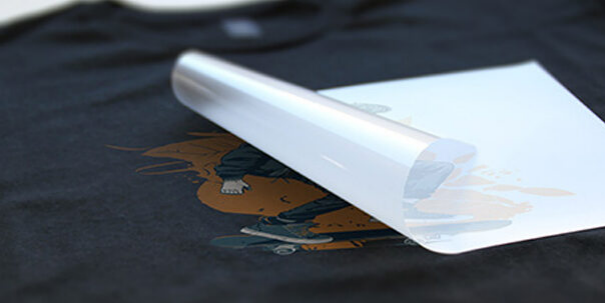
Not all films are created equal. A premium DTF film needs to have a stable coating that holds the ink precisely where it lands, preventing “bleeding” or blurry edges. It also needs to release easily from the transfer after heat pressing. This is where companies like Changfa Digital excel.
When you look for a supplier, you want materials that offer consistent peeling properties—whether you prefer hot peel for speed or cold peel for that specific finish. Consistent coating ensures that the white ink layer is smooth, which is critical for the final texture of the garment. If the film quality varies from roll to roll, your production line suffers from downtime and wasted shirts. Investing in proven consumables from a specialized manufacturer like Changfa ensures that your output remains professional and your customers remain happy.
Scaling from Garage to Factory
One of the most beautiful aspects of this technology is scalability. You can start with a small desktop setup for small batch clothing production and, as your print on demand business model grows, graduate to large-format commercial printers with automated shaker/dryer units.
The process remains fundamentally the same, which makes training staff easy. As you scale, the reliability of your supply chain becomes even more critical. You need a partner who can ship the same high-standard inks and films by the pallet, not just by the box. By establishing a relationship with a dedicated supplier early on, you secure the stability your business needs to grow from a side hustle into a dominant player in the on-demand market.
Conclusion
The fashion industry is never going back to the old way of doing things. The demand for speed, customization, and sustainability is pushing the market toward a future where everything is made to order. DTF printing is not just a tool in this transition; it is the powerhouse driving it. It offers the versatility to print on any fabric, the durability to withstand daily life, and the efficiency to make small batch clothing production profitable.
For businesses ready to ride this wave, the opportunity is huge. But success depends on quality. Whether you are running a boutique brand or a large fulfillment center, the materials you use define your reputation. If you are looking to elevate your printing quality with premium films and inks that you can trust, exploring the product range at Changfa Digital is your next best step. The future of fashion is on-demand—contact us now at 396838165@qq.com, make sure you have the right technology to power it.


