


Fast Dry Sublimation Paper: Boosting Efficiency for High-Speed Industrial Printers
HOT SALE
APPLICATION
Phone:+86-15215969856 E-Mail: 396838165@qq.com
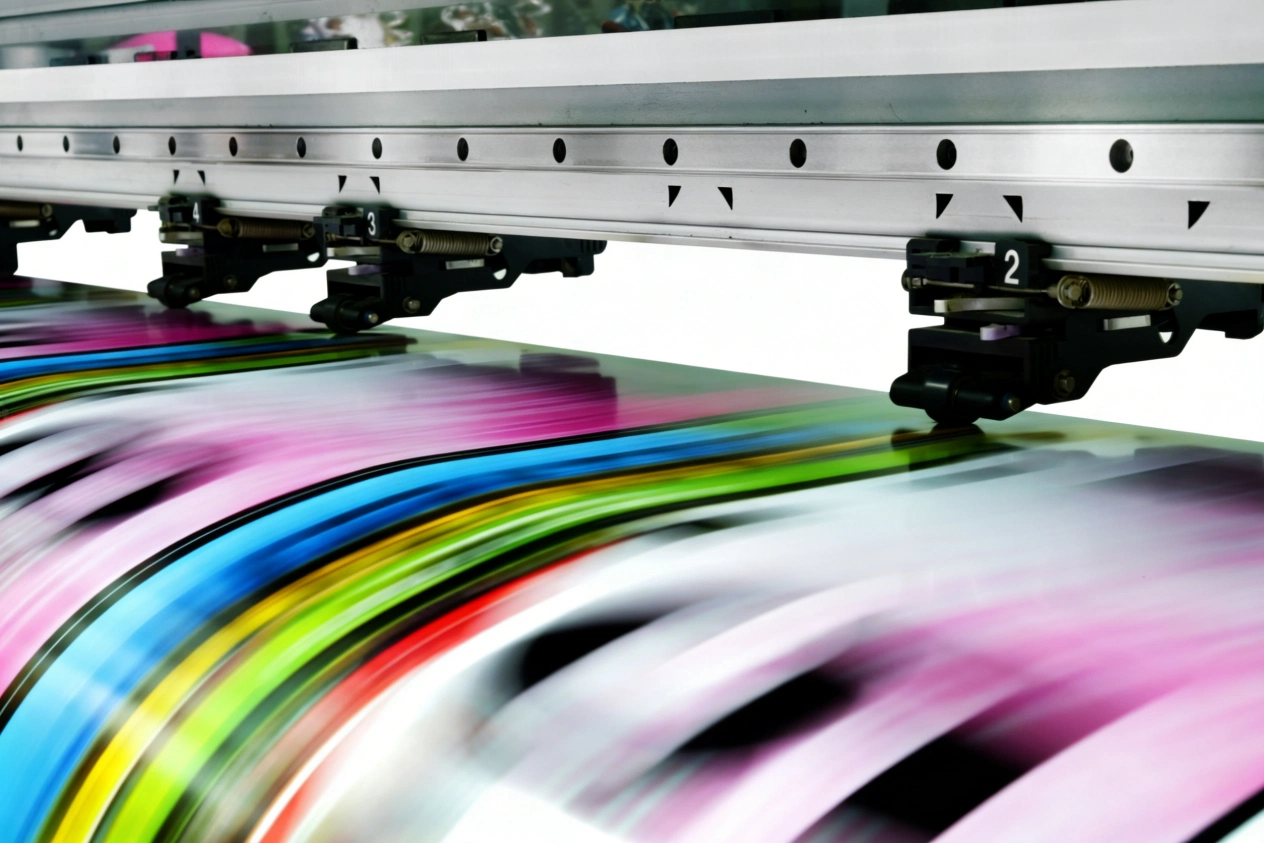
Picture this scene: you have spent a good deal of money on the newest high-speed digital printer. This device stands as a powerful tool. It can produce hundreds of square meters of bright patterns each hour. You prepare your cloth material, start the process, and observe the moving part speed along. Then, an issue appears. The color remains damp when the sheet touches the collection roller. At once, your fine patterns become blurred. Shades mix together. You end up with a stack of costly scraps. In textile printing, your device moves only as quickly as the sheet permits. This point shows how the proper selection of supplies can determine your earnings.
The Real Cost of Slow Drying in Modern Textile Production
When discussing output pace, many focus on the printer’s details. They read “100 meters per hour” and believe that sets their standard. However, in an active workspace, the main delay often lies not in the printing part. Instead, it rests in the drying period. If your sheet keeps water too much, you must reduce the device’s speed. Or you raise the added warming units. Each of these steps cuts into your gains. Slow drying causes “ghosting.” In this effect, the color moves to the rear of the following layer on the coil. This spoils many meters of material in one go.
A fine fast dry paper fixes this matter from the base. The benefit goes beyond mere quickness. It includes steadiness. In a place that operates around the clock, you want assurance that the initial meter of the sublimation paper roll matches the later ones perfectly. Blurs and line marks prove more than bothersome. They signal that your supplies fail to match your devices. By changing to a choice made for high-speed sublimation, you cease battling your tools. Instead, you allow them to perform as intended.
Why High-Speed Sublimation Requires Better Materials
Moving from a small desktop setup to a massive industrial operation changes the rules of the game. You aren’t just printing a few t-shirts anymore; you’re managing miles of fabric and massive amounts of ink. To handle this kind of volume without losing quality, you have to think about how your paper behaves under pressure and heat. It’s a technical dance between the coating and the ink.
Keeping Up with Instant Dry Sublimation
The key to a steady flow lies in the instant dry sublimation method. In fast-paced settings, the color must fix into the sheet face the instant it arrives. Should the color remain as fluid for just moments, the airflow within the device may lead to “misting” or softening. A special surface layer makes sure the fluid section sinks fast. Meanwhile, the color part remains on top. As a result, you operate your collection coils at top rate without concern over color shifting to the rollers or the sheet’s back. This keeps the area neater. It also makes your end result clearer.
Managing Your Sublimation Paper Roll
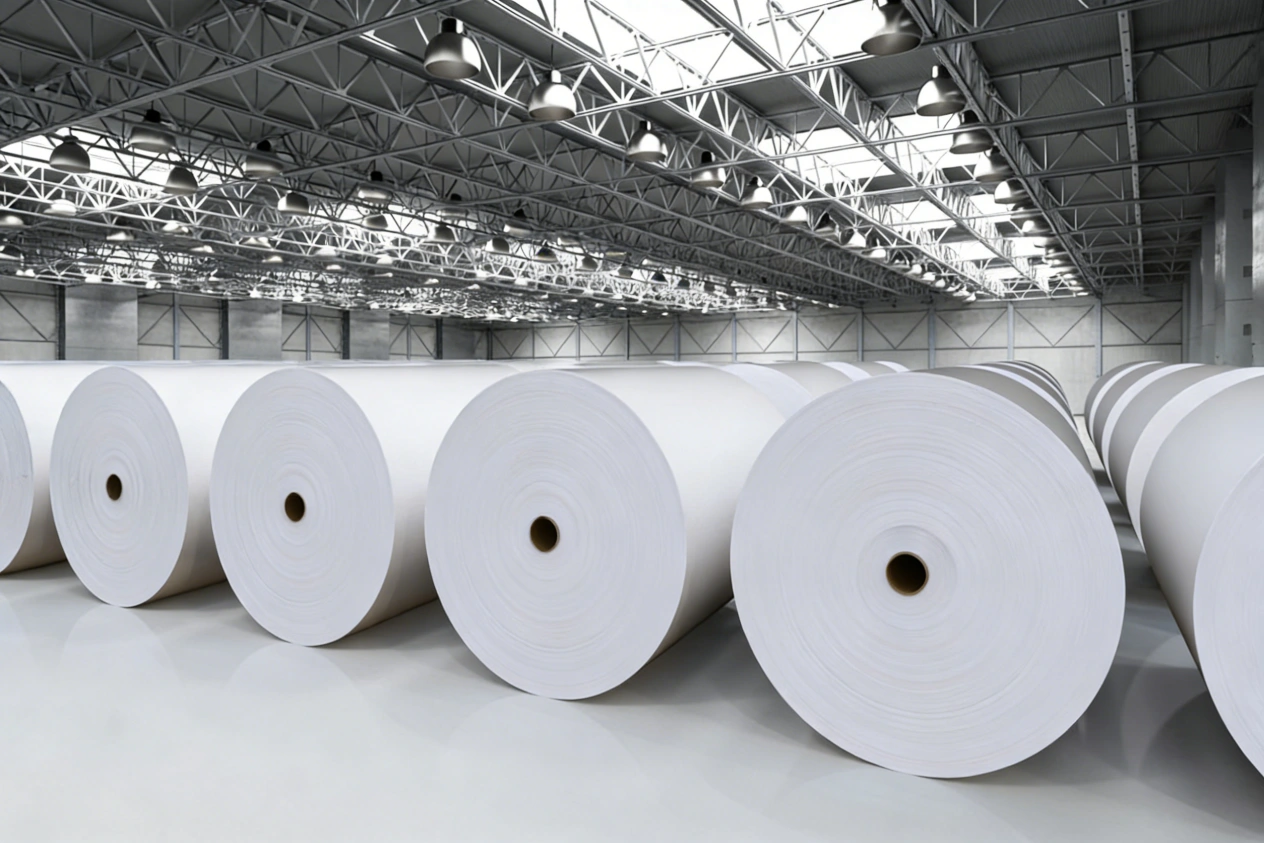
Dealing with a large sublimation paper roll presents another task for factory locations. These coils grow quite big. Any unevenness in the sheet can create pull problems. If the sheet pulls or bends due to excess dampness or an irregular surface, the device’s detectors may halt the task. Strong industrial transfer paper stays level even with heavy color amounts. Such firmness lets you run the device without watching for long periods. When the sheet acts reliably, you devote less effort to monitoring the printer. You gain more time for sending goods to buyers.
The Role of Industrial Transfer Paper
Dependable industrial transfer paper serves as the link from your computer design to the actual cloth. It functions beyond a simple holder. It acts as an exact instrument. In a quick setup, warmth from the printing units and nearby conditions can shift. Expert-level dye sublimation paper undergoes checks to manage these heat changes without bending. It guarantees even shades from one side of the coil to the other. Lacking this standard, you notice darks turn light and brights fade. This occurs because the sheet failed to keep the color well during the rapid printing.
Picking the Right Dye Sublimation Paper for Your Shop
Sheets differ greatly, even if they appear similar at first glance. While seeking items, you find many low-cost choices that claim great results. Yet the real check comes during a 500-meter task. Top sheets apply a finer surface method. This supports a higher move rate, often 95 percent or above. Thus, almost all color shifts from the sheet to the cloth in the warming press step.
Choosing a quick dry sublimation item also guards your printing parts. Low-price sheets tend to release “dust” or bits that block the small openings in a current factory printer. Fixing a printing part costs thousands. This turns that “low-cost” sheet into a high expense over time. Expert workspaces seek fast dry paper with an even, sealed face. This stops color from going too far into the core threads. That depth causes shades to seem flat after moving. By holding color near the top, you achieve rich, strong tones that clothing and activity firms require.
Practical Ways to Use Quick Dry Sublimation Every Day
Moving to a superior sheet means more than ordering a fresh supply. It involves changing your routine practices to gain the full value from your choice. Even strong items require the correct surroundings to work best. If your space holds too much moisture or lacks it, this affects how the sheet takes the color. Locating the ideal balance in your area’s conditions aids your quick dry sublimation paper to reach its best each day.
I.Check Your Humidity: Most industrial transfer paper performs best when the room humidity is between 40% and 60%. If it’s too damp, the “fast dry” feature will slow down. If it’s too dry, you might deal with static electricity.
II.Watch Your Heat Settings: If you are using a sublimation paper roll on a printer with built-in heaters, don’t overdo it. Because the paper dries quickly on its own, you can often lower the heater temperature, saving electricity and preventing the paper from becoming brittle.
III.Storage Matters: Keep your dye sublimation paper in its first wrap until needed. This blocks the sides from taking in air moisture. That intake causes the top problem of “paper cockling” or folding in a task.
IV.Test Your Profiles: Switching to high-speed sublimation paper calls for a 30-minute ICC profile run. The sheet holds color in a unique way. A fast adjustment saves much color. It also makes shades appear more true to life.
Conclusion
In the end, smooth work in a digital printing place depends on how parts fit together. High-speed printers offer fine technology. Yet they require the correct fast-dry paper to operate fully. By selecting items with instant dry sublimation and strong move rates, you cut scraps, lower power needs, and provide finer goods to customers. Avoid letting your sheet limit your growth. If prepared to boost your output speed, contact Changfa Digital at 396838165@qq.com. We assist in choosing the ideal sublimation paper roll for your exact system. This gets your space moving at peak level.


