


Apakah Proses Pencetakan Sublimasi Merupakan Kunci untuk Hasil Cetakan Industri yang Ideal?
Penjualan Panas
Aplikasi
Phone:+86-15215969856 E-Mail: 396838165@qq.com

Industri percetakan sublimasi Biasanya, penilaian dilakukan terlalu dini. Pembeli melihat harga printer, kertas, atau tinta, lalu bertanya mengapa hasil akhir masih menunjukkan perubahan warna, warna kusam, atau kerusakan pada tepi cetakan. Dalam praktiknya, hasilnya dibangun langkah demi langkah: file desain, RIP, printer, tinta, kertas, pengeringan, transfer, pendinginan, dan inspeksi. Jika satu mata rantai longgar, seluruh pesanan akan terpengaruh.
Mengapa Seluruh Proses Penting Saat Pembeli Industri Menilai Kualitas Cetak
Hasil cetakan industri yang baik tidak hanya tajam di atas mesin cetak. Hasil cetakan harus konsisten di seluruh rol, shift kerja, dan pesanan berulang. Pembeli memperhatikan pergeseran warna, tingkat pencetakan ulang, kesalahan penyelarasan, dan seberapa banyak material yang hilang selama pengaturan. Itulah mengapa prosesnya lebih penting daripada sekadar lembar spesifikasi.
Untuk pakaian olahraga, tekstil rumah tangga, spanduk, dan bahan berlapis, satu ketidaksesuaian kecil dapat menjadi masalah dalam satu batch produksi. Jika file desain, profil RIP, atau pengaturan transfer berubah di tengah proses produksi, pembeli mungkin menghadapi pengerjaan ulang, penundaan pengiriman, atau perdebatan tentang pihak mana yang menyebabkan masalah.
File Desain dan Pemrosesan RIP Menetapkan Garis Dasar
Berkas desain adalah tempat sebagian besar pemborosan tersembunyi bermula. Resolusi, mode warna, pola berulang, kelonggaran jahitan, dan tata letak panel semuanya memengaruhi seberapa banyak tinta yang diaplikasikan dan seberapa rapi tampilan tepi akhir. Berkas yang terlihat bagus di layar masih dapat menimbulkan pemborosan jika gambar diskalakan dengan salah atau pola berulang tidak sejajar dengan lebar tekstil.
Bagi tim pengadaan, pertanyaan dasarnya sederhana: dapatkah pemasok menangani versi file yang sama setiap saat? Jika pembeli tidak mengontrol desain akhir dan aturan penamaan, persetujuan sampel dapat bergeser dari produksi massal dengan sangat cepat.
RIP adalah tempat file diubah menjadi pekerjaan produksi. Profil warna, batasan tinta, mode lintasan, dan pengaturan kain menentukan apakah printer berjalan cepat dan tetap mempertahankan nada warna yang stabil. Pengaturan RIP yang baik mengurangi saturasi berlebih, mencegah warna hitam meluap, dan membuat rol pertama lebih mendekati rol kesepuluh.
Pembeli harus menanyakan profil apa yang digunakan untuk sampel, apakah pengaturan RIP yang sama dapat diulang, dan bagaimana pemasok memeriksa warna setelah beberapa meter, bukan hanya pada sampel uji yang pendek.
Printer, Tinta, dan Kertas Harus Bekerja Sebagai Satu Sistem
Kecepatan printer memang penting, tetapi hanya jika sistem pengumpanan dan perilaku nosel dapat mempertahankan kecepatan tersebut. Dalam lini industri, risiko sebenarnya bukanlah angka tertinggi pada brosur. Risiko sebenarnya adalah titik di mana terjadi banding, kemiringan, atau waktu henti. Mesin yang mencetak cepat selama sepuluh menit dan kemudian perlu dibersihkan bukanlah alat produksi yang stabil.
Tinta harus sesuai dengan nosel dan jendela pengeringan. Pada kepala cetak industri umum seperti Epson I3200 dan Kyocera, viskositas yang salah atau aliran yang lemah akan cepat terlihat sebagai titik yang hilang, kepadatan yang tidak stabil, atau pembersihan kepala cetak yang lebih sering. Produksi kecepatan tinggi membutuhkan tinta yang mempertahankan kekuatan warna tanpa menjadikan perawatan sebagai rutinitas harian.
Changfa DigitalLini tinta sublimasi 's cocok untuk penggunaan semacam itu: warna cerah, gamut warna luas, dan aliran stabil untuk pencetakan dalam jumlah besar. Pembeli tetap harus menanyakan kecocokan nozzle yang tepat, karena tinta yang bagus pada kepala cetak yang salah tetap dapat membuang waktu.
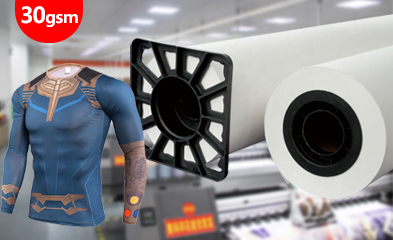
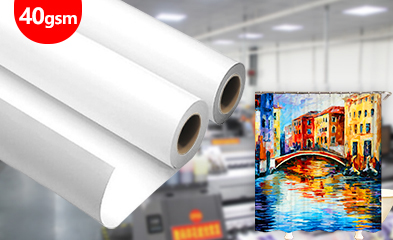
Kertas adalah jembatan antara gambar yang dicetak dan kain. Berat, lapisan, lebar, dan panjang gulungan semuanya penting. Kertas yang lebih ringan dapat mengering lebih cepat dan cocok untuk beberapa pekerjaan dengan waktu pengerjaan cepat, sementara kertas yang lebih tebal lebih aman ketika desain menggunakan lebih banyak tinta atau garis membutuhkan stabilitas lebih. Changfa Digital menawarkan kertas sublimasi dengan berat 29 gsm hingga 100 gsm dan lebar 61 cm hingga 320 cm, sehingga pembeli dapat mencocokkan gulungan dengan printer dan tata letak panel daripada memotong di sekitar masalah.
Itulah bagian yang seringkali dijual dengan harga terlalu rendah oleh banyak pabrik. Jika rol terlalu sempit, limbah di bagian tepi dan penggantian rol akan meningkat. Jika lapisan tidak konsisten, pelepasan warna akan berbeda dari satu bagian ke bagian berikutnya, dan pembeli akhirnya membayar ketidakkonsistenan tersebut dua kali.
Pengeringan, Penggulungan, dan Perpindahan Panas: Di Mana Cacat Kecil Menjadi Terlihat
Proses pengeringan terdengar sederhana sampai akhirnya memperlambat seluruh lini produksi. Jika hasil cetak masih basah saat rol tertutup, pihak percetakan akan melihat noda, penyumbatan, atau bekas yang hanya muncul setelah tumpukan hasil cetak selesai. Ketegangan selama penggulungan juga penting. Pengambilan hasil cetak yang tidak merata dapat mengubah hasil cetak yang bersih menjadi gulungan yang melengkung dengan kemiringan tersembunyi.
Pembeli harus menguji tahap ini dalam kondisi toko yang sebenarnya. Sampel pendek sering kali menyembunyikan masalah. Pengujian yang lebih panjang akan mengungkap kebenaran tentang kelembapan, stabilitas gulungan ulang, dan bagaimana kertas berperilaku setelah beberapa ratus meter.

Transfer panas adalah tahap akhir proses pencetakan. Suhu, tekanan, waktu kontak, dan keseragaman selimut menentukan apakah pewarna terlepas dengan bersih atau menghasilkan hasil yang lemah dan tidak merata. Mesin itu sendiri hanyalah sebagian dari prosesnya. Jika tekanan tidak merata, hasil cetakan yang sama dapat terlihat berbeda dari kiri ke kanan.
Lapisan pelindung juga penting di sini. Kertas tisu pelindung Membantu menjaga agar residu dan kelebihan pewarna tidak menempel pada permukaan mesin, yang merupakan item pengeluaran kecil sampai mulai menyebabkan noda, penghentian pembersihan, dan keluhan operator.
Kain Poliester, Pendinginan, dan Inspeksi Kualitas Menutup Siklus
Kain poliester dan substrat berlapis tidak berperilaku sama. Anyaman, tegangan permukaan, ketebalan lapisan, dan hasil akhir semuanya memengaruhi kedalaman warna dan tekstur. Jika bahan dasarnya tidak konsisten, printer terbaik sekalipun tetap harus mencari cara untuk mengatasinya.
Bagi pembeli, pengecekan praktis bukan hanya nama bahan. Yang terpenting adalah apakah pemasok dapat mempertahankan hasil yang sama pada kain yang sama di setiap pesanan berulang. Pakaian olahraga, pakaian mode, tekstil rumah tangga, bendera, dan spanduk semuanya memiliki titik lemah yang berbeda.
Pendinginan adalah kesempatan terakhir untuk menghindari masalah pasca-transfer. Hasil cetakan yang masih hangat dan ditumpuk terlalu cepat dapat menunjukkan bayangan, blokade, atau tanda kilap yang terlihat seperti cacat pencetakan meskipun langkah pencetakan sudah benar. Mempercepat bagian ini biasanya menghemat waktu beberapa menit tetapi menghabiskan waktu berjam-jam di kemudian hari.
Inspeksi menutup siklus. Pembeli harus memeriksa konsistensi warna, ketajaman tepi, registrasi, kedalaman transfer, dan apakah batch tersebut sesuai dengan sampel yang disetujui. Jika lini produksi melewatkan inspeksi, tim sering kali menemukan masalah setelah pengemasan, ketika biaya untuk memperbaikinya sudah tinggi.
Jika jalur tersebut memerlukan pengecekan pemasok setelah itu, Layanan 24 jam Ini adalah bagian dari Changfa Digital yang biasanya dilihat pembeli pertama kali karena kecepatan respons sangat penting ketika sebuah batch sudah berjalan.
Bagaimana Pembeli Seharusnya Menilai Pemasok dari Prosesnya, Bukan dari Brosurnya
Pemasok lebih mudah dipercaya jika prosesnya jelas. Dapatkah mereka mempertahankan berat dan lebar kertas yang sama? Dapatkah mereka mengulangi pengaturan RIP dan tinta yang sama? Dapatkah mereka mengirimkannya dalam kemasan ekspor standar dengan penutup inti kertas dan palet sehingga gulungan tersebut aman selama pengiriman? Pertanyaan-pertanyaan inilah yang memberi tahu pembeli lebih banyak daripada klaim produk yang singkat.
Di situlah Changfa Digital menjadi contoh praktis, bukan sekadar slogan. Pabrik ini memiliki 4 jalur pelapisan, 4 bengkel pemotongan, 10 mesin pemotong untuk inti berukuran 2 inci dan 3 inci, peralatan pelapisan buatan Jerman, dan produksi bulanan sekitar 3000 ton dengan pengiriman ke sekitar 120 kontainer di seluruh dunia. Bagi pembeli tetap, pengaturan seperti itu penting karena mengurangi kesenjangan antara sampel dan pesanan massal.
Jika sebuah pabrik membutuhkan lebar khusus, pengujian sampel, atau dukungan OEM/ODM, langkah selanjutnya cukup mudah. Gunakan hubungi Changfa Digital halaman ini diperlukan ketika lini produksi membutuhkan kecocokan berdasarkan ukuran gulungan, berat kertas, atau ritme produksi.
FAQ (Pertanyaan umum)
Q1: Apakah printer merupakan bagian terpenting dari proses ini?
A1: Tidak. Hasil yang stabil berasal dari keseluruhan rantai. Printer cepat dengan kertas, tinta, atau pengaturan suhu yang salah tetap akan menghasilkan pemborosan dan pekerjaan ulang.
Q2: Apa yang harus diuji pembeli sebelum melakukan pemesanan dalam jumlah besar?
A2: Jalankan file sebenarnya, kain sebenarnya, dan sampel yang cukup panjang untuk memeriksa pengeringan, penggulungan, transfer, dan konsistensi warna. Sampel pendek tidak cukup.
Q3: Produk Changfa Digital mana yang paling sesuai dengan alur kerja ini?
A3: Contoh yang paling relevan adalah kertas sublimasi, tinta sublimasi, dukungan perlengkapan terkait printer, dan peralatan transfer panas. Hal ini penting karena pembeli seringkali membutuhkan lini produk yang serasi, bukan hanya satu item yang terisolasi.


