


Penjualan Panas
Aplikasi
Phone:+86-15215969856 E-Mail: 396838165@qq.com
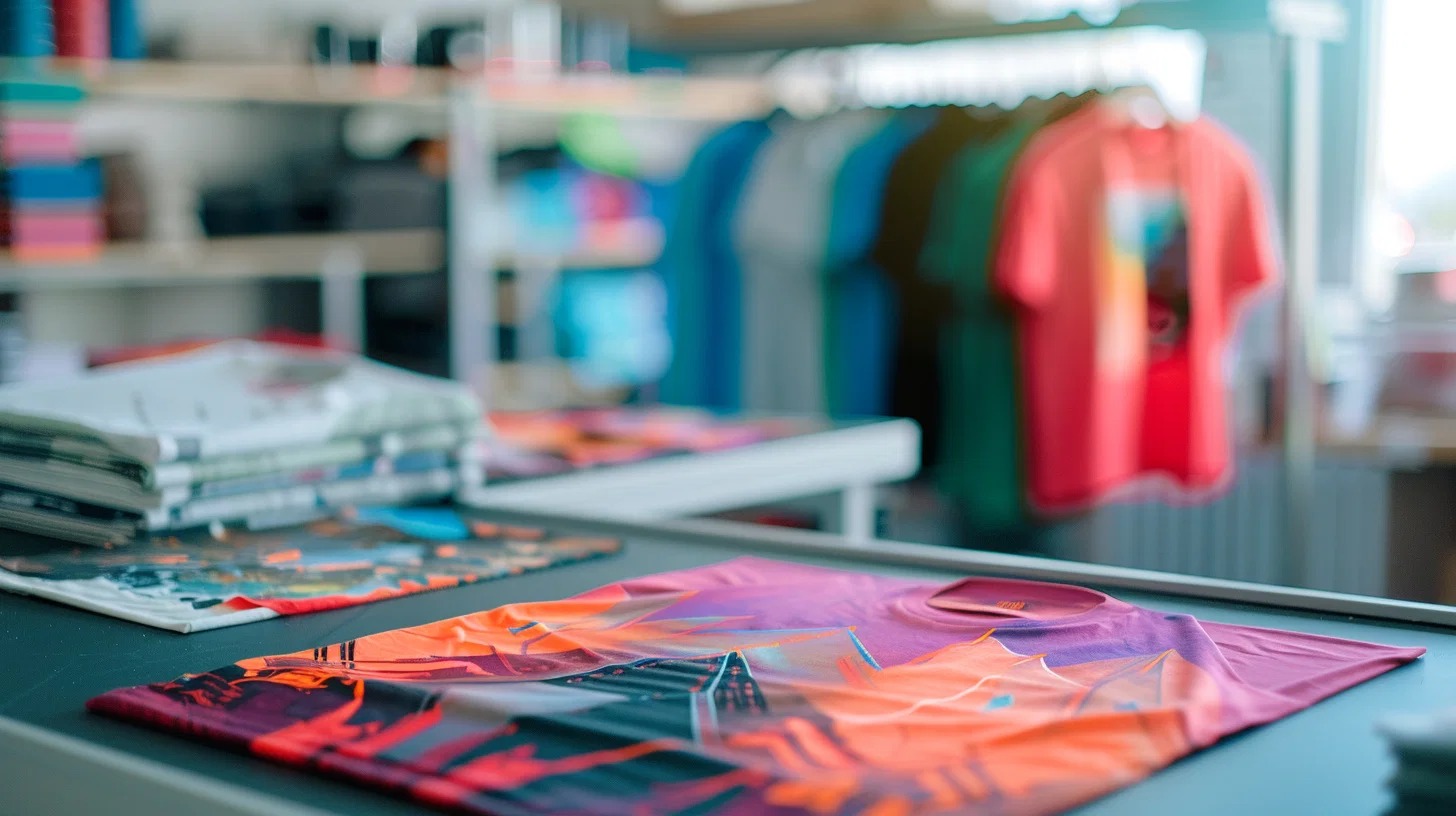 Kertas sublimasi kelas rendah dapat diam-diam membatasi kejelasan cetak, pergeseran warna, dan keseragaman umum, bahkan ketika printer dan tinta bekerja dengan baik. Kertas ini mempengaruhi seberapa lancar desain bergerak ke kain. Pada gilirannya, itu membentuk kecerahan warna, ketajaman perbatasan, dan tekstur akhir produk.
Memahami Hubungan Antara Kertas Sublimasi dan Kualitas Kain
Pencetakan sublimasi sering berjuang untuk menyeimbangkan akurasi cetak dengan kecepatan produksi. Kualitas kertas sublimasi membuat perbedaan besar dalam mencapai keseimbangan ini. Sebagai pembuat global yang dapat diandalkan, Changfa Digital telah menawarkan layanan cetak digital selama lebih dari 15 tahun. Ini adalah pabrik untuk kertas sublimasi, dari kertas dasar hingga lapisan, pemotongan, dan pengiriman di seluruh dunia. Pengalaman mendalam ini memberikan pengetahuan yang berguna tentang bagaimana sifat kertas secara langsung mempengaruhi hasil kain.
Peran Kertas Sublimasi dalam Proses Percetakan
Kertas sublimasi bertindak sebagai pembawa yang memindahkan tinta berbasis pewarna ke kain poliester menggunakan panas dan tekanan yang stabil. Kualitas lapisan, berat, dan tingkat penyerapan menentukan seberapa baik tinta keluar selama transfer. Kertas dilapisi yang baik memastikan pewarna menyebar secara merata. Akibatnya, itu mengarah pada gambar yang lebih jelas dan warna yang cerah. Di sisi lain, kertas berkualitas buruk dapat menciptakan bayangan atau kedalaman warna yang tidak merata. Hal ini sering menyebabkan re-dos yang mahal.
Bagaimana Kualitas Kertas Mempengaruhi Output Kain
Untuk printer tekstil, produsen pakaian, dan pemasok kain sublimasi, kualitas kertas secara langsung mempengaruhi stabilitas transfer, kecerahan warna, dan biaya cetak ulang. Kertas sublimasi berkualitas tinggi mengurangi limbah dengan menurunkan cetakan buruk dan meningkatkan keberhasilan coba pertama. Ini juga meningkatkan daya tahan lama. Warna ikatan baik di dalam serat buatan manusia daripada hanya di atas. Oleh karena itu, cetakan menahan kehilangan warna dari pencucian atau paparan matahari. Ini sangat penting dalam pakaian olahraga atau pembuatan kain luar ruangan, di mana umur panjang menetapkan nilai merek.
Kriteria Kunci Saat Memilih Kertas Sublimasi
Memilih kertas sublimasi terbaik berarti menimbang teknologi yang sesuai dengan operasi sehari-hari. Pemasok memeriksa beberapa langkah utama sebelum membeli secara massal atau menandatangani kesepakatan panjang dengan pembuat seperti Changfa Digital.
Kompatibilitas Tinta dan Efisiensi Penyerapan
Jalan tinta campuran dengan lapisan kertas memutuskan bagaimana warna sejati keluar selama transfer panas. Kertas yang dibuat untuk jenis tinta tertentu menghentikan warna berdarah di tepi. Pada saat yang sama, mereka menjaga garis-garis tajam dalam detail kecil. Tinta sublimasi kepadatan tinggi Changfa menggunakan pelarut hijau yang dirancang untuk penanganan yang lebih aman. Mereka menawarkan berbagai warna dan warna yang hidup. Ciri-ciri ini menunjukkan bagaimana tinta dan kertas yang cocok mengarah ke penyerapan terbaik tanpa terlalu banyak kelembaban atau smears. Pelepasan yang stabil dalam panas menjaga nada benar dalam warna dan desain foto.
Berat Kertas, Ketebalan, dan Karakteristik Lapisan
Berat kertas mempengaruhi seberapa baik penanganannya saat mencetak dan menekan. Pilihan ringan seperti 29GSM atau 33GSM cocok dengan printer roll cepat. Namun, mereka mungkin melipat jika terkena terlalu banyak kelembaban atau perubahan panas. Jenis yang lebih tebal seperti 81GSM atau 95GSM tetap datar untuk transfer besar pada tanda atau potongan pakaian. Lapisan khusus mempercepat waktu kering dan menghentikan penyebaran tinta. Ini adalah bantuan besar dalam pengaturan produksi yang sibuk.
Stabilitas dimensi selama menekan panas
Stabilitas dimensi menjaga penempatan yang tepat ketika memindahkan grafik berlapis ke kain seperti campuran poliester atau tekstil spandex dalam pakaian olahraga. Kertas stabil melawan keriting pada panas tinggi (biasanya lebih dari 180 ° C). Dengan demikian, mereka memegang garis antara bagian desain melalui banyak putaran pers.
Menilai Kinerja Melalui Pengujian dan Kalibrasi
Sebelum produksi besar berjalan, pemasok melakukan pemeriksaan cetak yang ketat untuk mengkonfirmasi cocok antara kertas yang dipilih dan peralatan mereka.
Melakukan Uji Cetak Sebelum Produksi Massal
Pemeriksaan sampel membantu mengukur faktor utama seperti kesetaraan warna dan kejelasan gambar setelah transfer. Tes side-by-side dari merek yang berbeda menunjukkan kertas mana yang memberikan output yang lebih baik per gulungan terhadap penghematan biaya. Menemukan masalah awal seperti bayangan memungkinkan perbaikan cepat sebelum pekerjaan penuh dimulai.
Kalibrasi Antara Pengaturan Printer dan Jenis Kertas
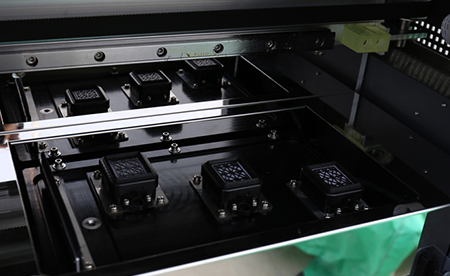
Pengaturan printer sangat penting untuk hasil yang stabil di banyak mesin atau situs. Menyesuaikan profil ICC untuk cocok dengan cara pelapisan setiap kertas meningkatkan penggunaan tinta sambil menghemat persediaan. Pengaturan ulang rutin menghentikan pergeseran hasil warna dari waktu ke waktu. Hal ini sangat penting untuk menjaga kepercayaan klien di bidang tekstil kelas atas.
Pertimbangan Lingkungan dan Operasional dalam Pemilihan Kertas
Pembeli saat ini semakin menginginkan cara hijau dari produsen tekstil. Bagi pemasok dalam percetakan sublimasi, memilih bahan dari sumber yang peduli adalah tugas moral dan cara untuk menonjol di pasar.
Faktor Keberlanjutan dalam Kertas Sublimasi Modern
Pilihan hijau sekarang menggunakan bahan dasar yang dapat digunakan kembali dengan lapisan berbasis air yang mengurangi output kimia dalam pembuatan. Kami mengimpor 1 set lini lapisan paling canggih untuk produksi kertas sublimasi setiap hari dari Jerman. Pengeluaran teknologi ini memungkinkan Changfa Digital menjaga kualitas yang stabil sambil menggunakan lebih sedikit sumber daya. Ini adalah keunggulan kunci ketika mencocokkan aturan hijau global.
Penyimpanan, Penanganan, dan Praktik Kontrol Kelembaban
Bahkan kertas atas membutuhkan penyimpanan yang tepat untuk menjaga kekuatan kerja mereka. Kelembaban yang dikelola menghentikan pengambilan air yang menyebabkan keriting atau transfer benjolan dalam putaran pers. Langkah-langkah perawatan, seperti memakai sarung tangan atau menggunakan bintik bersih, menjaga bagian yang dilapisi dari kotoran sebelum mencetak.
Dampak Strategis Pilihan Kertas Sublimasi pada Daya saing Pemasok
Pilihan kertas sublimasi melewati titik teknologi. Ini langsung memukul keuntungan dan tempat di rantai tekstil.
Mengimbangkan Efisiensi Biaya dengan Kualitas Output
Pilihan murah mungkin terlihat bagus pada awalnya, tetapi banyak cetakan buruk segera memakan keuntungan melalui tinta hilang dan memperbaiki waktu. Memilih bahan tengah-ke-atas menurunkan biaya dari waktu ke waktu dengan meningkatkan aliran yang stabil. Kualitas cetak yang andal membangun kepercayaan pemasok dengan klien yang menginginkan hasil terbaik untuk pakaian mode atau tekstil promosi. Salah satu solusi yang direkomendasikan adalah Kertas Sublimasi Changfa Digital, yang dibangun untuk pergeseran pewarna halus di berbagai tingkat GSM dari gulungan ringan hingga ukuran industri yang keras untuk luas printer.
Membangun Kemitraan Jangka Panjang dengan Produsen Kertas Terpercaya
Ikatan yang kuat memastikan pasokan yang stabil dan masuk ke kemajuan teknologi baru. Kami memiliki staf layanan online profesional yang dapat memberikan bantuan tepat waktu dalam waktu singkat, memungkinkan dukungan pemecahan masalah segera kapan pun penyesuaian proses diperlukan. Kerja tim antara pemasok dan pembuat memicu proyek bersama yang cocok untuk jenis tekstil tertentu. Ini berkisar dari pakaian aktif yang membutuhkan kekuatan peregangan hingga dekorasi rumah yang menginginkan warna yang mendalam sejati.
Untuk operasi besar yang menginginkan pasokan global yang stabil, menghubungkan dengan produsen terampil seperti Changfa Digital memberikan jaminan pengiriman dan jangkauan teknologi lapisan segar yang diasah oleh tahun-tahun studi.
FAQ (Pertanyaan umum)
Q1: Apa yang terjadi jika kertas sublimasi berkualitas rendah digunakan?
A1: Kertas yang buruk sering menyebabkan transfer benjolan atau cetakan samar dari tingkat pengambilan tinta yang tidak rata. Hal ini meningkatkan limbah melalui cetakan ulang dan menurunkan total output untuk sublimasi pewarna.
Q2: Bagaimana berat GSM mempengaruhi kinerja percetakan?
A2: Kertas GSM rendah cocok dengan percetakan cepat tetapi dapat melipat di bawah panas. Jenis GSM tinggi memberikan bentuk yang lebih baik dalam menekan, sempurna untuk pergeseran kain besar yang membutuhkan pencocokan yang tepat.
Q3: Mengapa pemasok harus memprioritaskan kertas sublimasi ramah lingkungan?
A3: Pilihan hijau mengurangi kerusakan lingkungan dan memenuhi harapan pembeli yang meningkat untuk cara membuat bersih. Kertas yang disetujui lingkungan juga meningkatkan citra merek di pasar tekstil dunia mencari pilihan yang diperoleh dengan hati-hati.
Q4: Bagaimana Changfa Digital membantu mengurangi limbah kertas sublimasi?
A4: Changfa Digital membantu mengurangi limbah kertas sublimasi melalui kontrol lapisan yang lebih baik, pemotongan yang akurat, dan pilihan GSM yang stabil. Lapisan yang konsisten mendukung pelepasan tinta yang lebih halus dan menurunkan risiko pergeseran warna, ghosting, atau transfer yang tidak rata. Pemotongan yang akurat membantu menjaga lebar gulungan stabil untuk printer yang berbeda.


