


Inicio -
Producto-
Papel de sublimación-
BTKG Expo 2026 Dhaka: Why Bangladesh Garment Manufacturers Are Shifting to Digital
CATÁLOGOS
APLICACIÓN

BTKG Expo 2026 Dhaka: Why Bangladesh Garment Manufacturers Are Shifting to Digital


Descripción del producto
 Think about buying clothes online today. You scroll through a brand’s website, click a few buttons, and a new shirt arrives at your door. But behind that simple click is a massive supply chain under intense, everyday pressure. Fast fashion brands no longer launch clothes four times a year based on seasons; they push out new designs every single week. This heavy burden falls directly on the manufacturing hubs. As one of the world’s leading clothing exporters, factories here are feeling the heat to produce faster, cleaner, and in much smaller batches.
This exact pressure was the main talking point at the recently wrapped BTKG expo 2026. Taking place at the International Convention City Bashundhara, the massive gathering made one thing very clear: the old ways of vat dyeing and screen printing are slowly fading. To survive the demands of modern buyers, factories are rapidly adopting digital textile printing. Let’s look back at what our team saw on the ground and why this transformation is happening right now.
A Massive Gathering at ICCB: The Scale of Change
The vast extent of the occasion this year served as a strong indicator of the direction the worldwide apparel sector follows. As our marketing staff entered the entrance of the textile exhibition in Dhaka that ran from April 29 to May 2, the atmosphere felt vibrant. Rather than remaining at a static booth, our members opted to navigate the area. They engaged directly with plant managers and equipment sellers to learn about their actual production challenges.
Event statistics provide a straightforward narrative on the funds flowing into this field. While moving around the location, the extent of the shift stood out clearly:
- The exhibition covered a massive 20,000 square meters of floor space, packed with heavy machinery.
- Over 1,200 booths filled 7 different halls, creating a maze of new technology.
- 900 exhibitors traveled from 30 different countries and regions to show their latest upgrades.
It was impossible to miss the dominant theme across all 7 halls. Almost every major machinery brand was running high-speed digital printers live on the floor. The entire landscape of Garment Printing Bangladesh is fundamentally changing. Factory owners are moving away from cheap manual labor and heavy pollution, pivoting directly toward smart, automated production lines that can turn a digital file into a printed shirt in minutes.
Breaking Down the Shift: Speed, Cost, and Water
Walking through the crowded, noisy aisles of the ICCB, it became instantly clear that factory owners aren’t just buying these new printers because they look modern. They are spending hundreds of thousands of dollars to solve painful, expensive problems on their factory floors. Three main outside pressures are forcing this massive equipment upgrade across the country.
The Push for Zero Water Waste
Clients from Europe and the United States impose ever-tighter standards on ecological practices. Without evidence of sustainable methods, a plant forfeits major agreements. Standard cloth coloring consumes vast amounts of clean water and generates harmful, tinted waste that requires expensive processing. For this reason, eco-friendly printing ceases to be an optional feature. It becomes an essential condition for continued operations. Sublimation methods apply warmth to move hue straight into the material strands. It requires nearly no water, positioning it as the most secure and economical option for sites aiming to satisfy rigorous worldwide client reviews. Such approaches reduce environmental footprints significantly. They also enhance compliance with international regulations.
Killing the High Minimum Order
Ten years ago, a clothing factory would print 100,000 yards of the exact same floral pattern for a single buyer. Today, an online brand might test 50 different patterns and only order 200 yards of each to see what sells. Setting up traditional screens for 50 different designs takes too many days and costs way too much money. Digital printing fixes this problem instantly. A factory can print a small batch of sports jerseys, change the artwork file on a computer, and start printing fashion dresses three minutes later. This fast flexibility is the only way to actually make a profit on small, mixed orders.
Why Good Machines Fail Without the Right Consumables
Acquiring a costly, multi-unit factory printer marks merely the initial phase of the process. In our direct discussions with regional plant leaders during the event, a repeated and irritating issue surfaced frequently. They purchase a fresh unit, yet it falters or halts due to efforts to cut costs with inferior sheets and poor fluids. These experiences highlight the importance of complementary supplies. Without them, even advanced equipment underperforms.
The Trouble with Cheap Ink
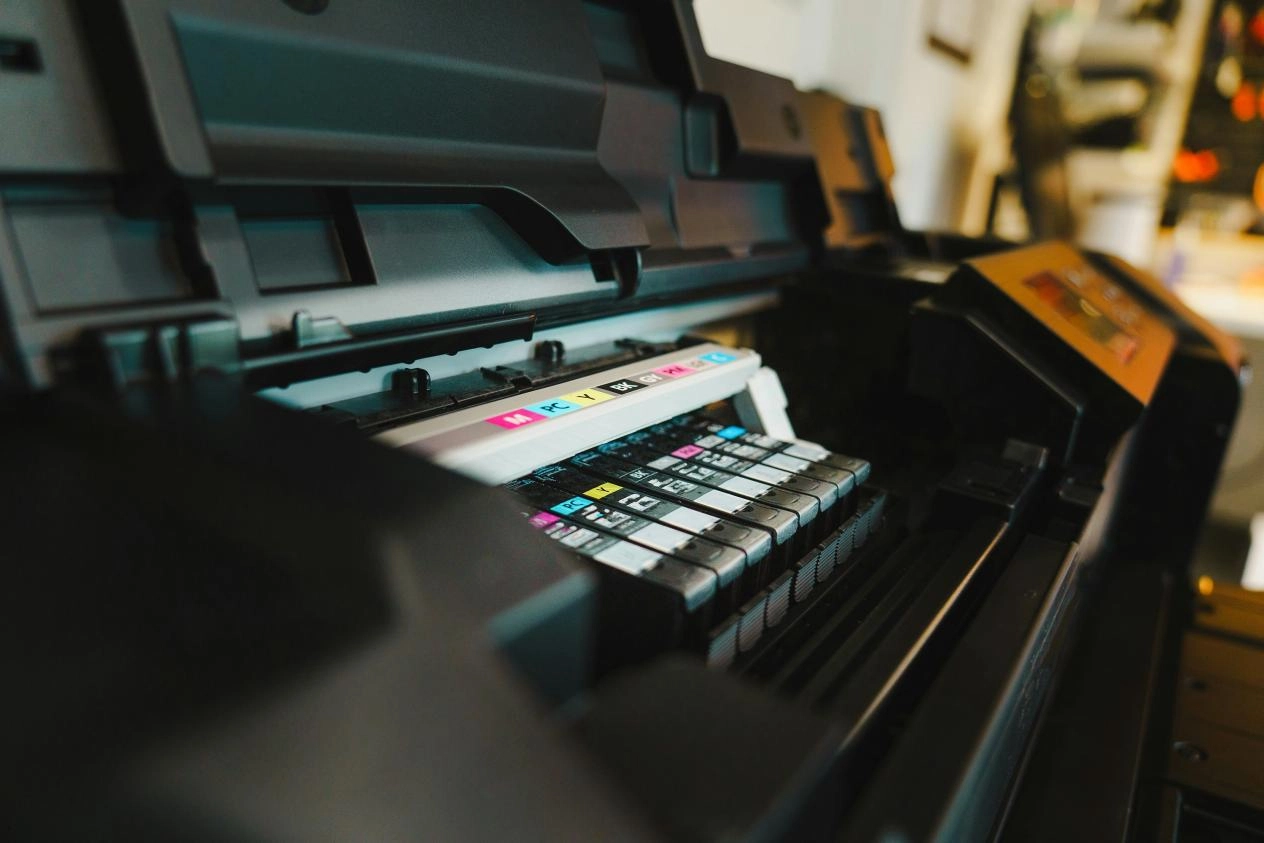
A printer is really only as good as the liquid flowing through its pipes. Factory owners told us stressful stories of missing tight delivery deadlines because their printheads clogged in the middle of a busy night shift. Cheap inks often have large, unstable color particles that build up and block the tiny nozzles of the printer. Finding a reliable sublimation ink supplier is a serious business decision. High-quality ink flows smoothly, meaning the printer can run at its maximum speed for 24 hours straight without stopping for cleaning. You can explore how stable, high-flow ink formulas keep production running smoothly right here.
Paper Curling and Ghosting Problems
The ink needs a vehicle to carry it safely to the fabric, and that is exactly where the paper comes in. If a factory uses a low-grade sublimation paper roll, two bad things usually happen. First, the paper absorbs the ink too slowly, causing it to pool and smudge. Second, the cheap paper curls up at the edges under high heat, striking the printhead and ruining the whole fabric roll. A fast-drying paper with a high transfer rate pushes almost all the color into the shirt, leaving very little behind on the trash paper. This gives a brighter final product and cuts down on the total ink you buy. You can check the specs of professional-grade paper on our site.
Changfa Digital on the Ground: Real Conversations in Dhaka
Rather than waiting for people to walk past a booth, the Changfa Digital team used the four days at the ICCB to dive deep into the real issues factories face. Our technical managers sat down with production heads, grabbed a coffee, and looked at their exact fabric types and machine setups. Every single factory works a little differently. A sportswear maker working with highly elastic polyester needs a completely different sticky paper compared to a company making thick home curtains.
By talking directly with the people running the machines, we help them stop wasting money on the wrong materials. We focus on matching the exact paper weight and ink thickness to their specific printer brands. If you are using a 15-head industrial machine, you need supplies built for that heavy speed. For those who want to see the full range of materials we discussed with clients at the show, from jumbo rolls to DTF films, our centro de productos breaks down the technical details for every type of modern production line.
Conclusión
The lively conversations we had in Dhaka prove that the clothing world is moving faster than ever before. The recent industry gathering wasn’t just a place to look at new metal boxes; it was a loud wake-up call for the entire region. The factories that adopt agile, water-free printing today will be the ones winning the big brand contracts tomorrow. Upgrading equipment is a bold step, but keeping those machines running smoothly requires the right daily materials. By choosing stable inks and fast-drying paper, factory owners can finally stop worrying about clogged printheads and ruined fabrics and focus entirely on growing their profits.


